
There is a strange moment many of us know too well: you open a closet to grab one jacket and a small avalanche of forgotten purchases, tangled cords, mystery bags, and “I might need this someday” objects tries to join you for breakfast. The closet is not just a closet anymore. It is a museum of good intentions, abandoned hobbies, emotional receipts, and one very judgmental yoga mat.
“Finding more life in less stuff” is not about living in an empty white room with one wooden spoon and a houseplant named Serenity. It is about creating enough physical, mental, and financial space to notice your actual life. Less stuff can mean fewer distractions, fewer maintenance chores, fewer impulse purchases, and fewer tiny household decisions nibbling at your peace like a very determined squirrel.
Minimalist living is often misunderstood as deprivation. In reality, it is a practical question: What deserves your space, money, time, and attention? When you remove what no longer serves you, you are not just clearing shelves. You are making room for better mornings, calmer evenings, stronger relationships, deeper hobbies, and the quiet luxury of knowing where your scissors are.
What “Less Stuff” Really Means
Less stuff does not mean less personality. A cozy home full of books, art, cooking tools, family photos, and muddy hiking boots can still be intentional. The goal is not to own the fewest items possible; the goal is to stop letting accidental clutter run the show.
Think of your home as prime real estate for your values. Every item pays rent in the form of space, cleaning, repair, storage, insurance, attention, or guilt. Some items gladly earn their keep: the skillet you use four times a week, the sweater that makes you feel like a warm cinnamon roll, the guitar you actually play, the family quilt that carries history. Other items are freeloaders: duplicate gadgets, expired products, clothes that fit a version of you from three life chapters ago, and decorative objects you only keep because someone once said, “This is nice,” in 2017.
Finding more life in less stuff begins with a simple shift: stop asking, “Could I use this?” and start asking, “Does this support the life I am building now?” Almost anything could be useful in a fictional emergency. That does not mean your hallway closet should look like a survival bunker curated by a raccoon.
Why Clutter Feels So Heavy
Clutter is not just visual mess. It is delayed decision-making. A pile of papers says, “Decide what I am.” A box in the garage says, “Remember me?” A drawer full of miscellaneous chargers says, “Good luck, champion.” Each unfinished decision quietly competes for attention.
Researchers and psychologists have connected clutter with stress, procrastination, and feelings of being overwhelmed. This makes sense in everyday life. When your environment constantly signals unfinished tasks, your brain has fewer peaceful places to land. Even relaxing can feel suspicious when the laundry chair is staring at you like it knows your secrets.
Clutter also creates friction. You buy duplicates because you cannot find what you already own. You avoid projects because the supplies are buried. You lose time searching, moving, sorting, cleaning around, and promising yourself that “next weekend” will be the big reset. Next weekend, unfortunately, has been dodging your calls.
The Consumer Trap: Buying the Life We Want Instead of Living It
Modern shopping is excellent at selling identity. We buy organizing bins and feel organized. We buy running shoes and feel athletic. We buy notebooks and feel productive. Sometimes these purchases help, but sometimes they become props in a play we never perform.
The problem is not buying things. Tools, clothes, furniture, devices, and comforts can improve life. The problem is when shopping becomes a shortcut for growth. A new coffee maker will not automatically create slow mornings. A fancy planner will not complete the task list. A bookshelf full of unread books may look intellectual, but the books are not going to read themselves, no matter how encouragingly you arrange them.
Less stuff asks us to redirect energy from acquisition to participation. Instead of buying the image of a meaningful life, we invest in the actions that make life meaningful: cooking with friends, walking after dinner, writing the first messy page, calling someone we love, learning a skill badly before we learn it well.
More Time: The Hidden Dividend of Owning Less
Every possession comes with a tiny time subscription. You dust it, wash it, repair it, move it, insure it, organize it, update it, charge it, store it, or feel guilty about ignoring it. One item is harmless. Hundreds of low-value items become a part-time job with no paycheck and terrible snacks.
Owning less reduces the number of objects asking for maintenance. A simpler wardrobe means faster mornings. A clearer kitchen makes cooking less dramatic. A lighter living room takes less time to clean. A garage that can actually hold a car feels like discovering a bonus room created by common sense.
Time saved from managing stuff can become life. It can become sleep, exercise, creative work, reading, volunteering, dating your spouse again, teaching your child to make pancakes, or sitting quietly without feeling like you are neglecting a pile of mystery cables.
More Money: Less Stuff as Financial Breathing Room
Minimalism is not only an aesthetic choice; it can be a financial strategy. When you buy less, buy more intentionally, and stop replacing boredom with online carts, money has a chance to stay in your life long enough to become useful.
Financial breathing room matters. Many households feel pressure from rising costs, emergencies, debt, and unpredictable expenses. Reducing unnecessary purchases will not solve every financial problem, but it can create margin. And margin is powerful. It turns “panic” into “I can handle this.” It turns “I deserve a treat” into “I deserve security, too.”
A practical approach is the pause rule. For nonessential purchases, wait 24 hours for small items and 30 days for larger ones. During the pause, ask: Where will this live? What will it replace? How often will I use it? Am I buying it because I need it, love it, or simply want a tiny dopamine parade at my doorstep?
Often, the desire fades. When it does not fade, you can buy with confidence. Minimalism is not anti-shopping. It is anti-regret.
More Peace: The Mental Space of a Simpler Home
A calmer home does not require perfection. Real homes have shoes by the door, dishes in the sink, and mail that multiplies like rabbits. The point is not to create a showroom; it is to create systems that make daily life easier to recover from.
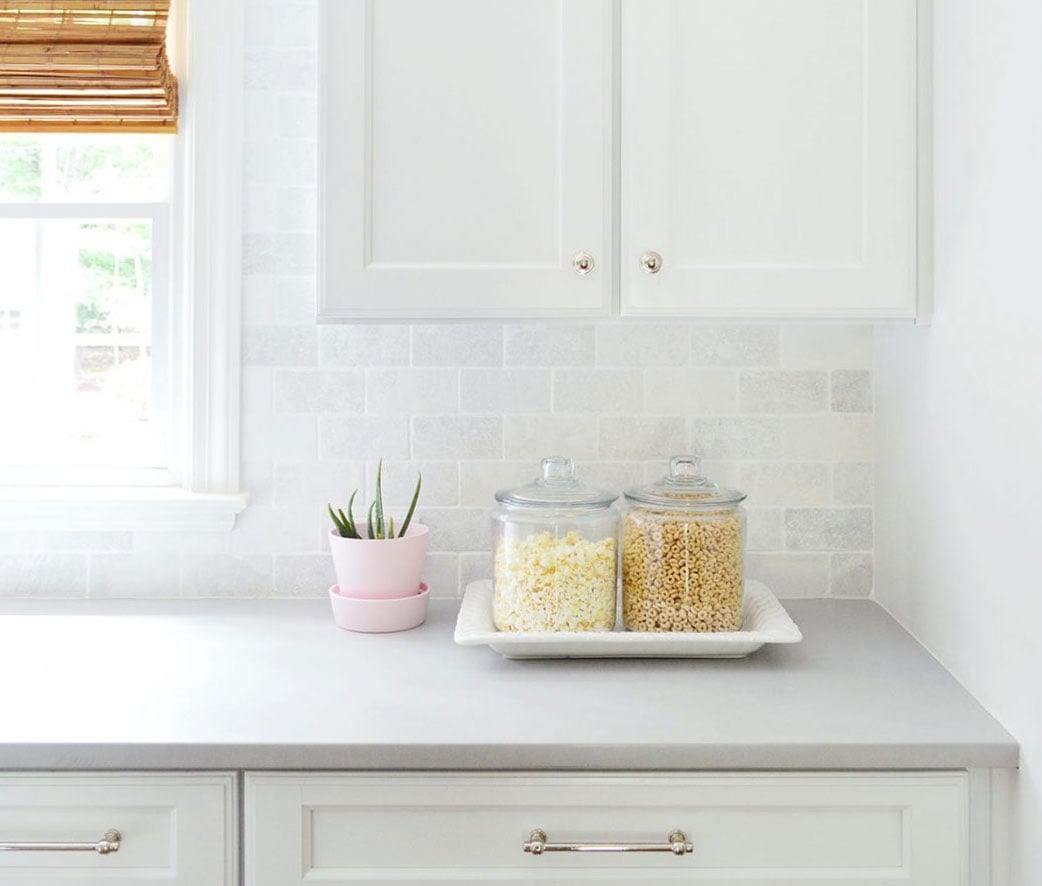
Start with the surfaces that affect your mood most: bedside table, kitchen counter, entryway, desk, bathroom sink. These areas greet you during transition points. A clear entryway says, “Welcome home.” A clear nightstand says, “Rest.” A clear desk says, “Begin.” A clear bathroom counter says, “Congratulations, you are not fighting a toothpaste jungle today.”
Peace also comes from fewer choices. Decision fatigue is real in everyday experience. When your closet contains clothes you like, fit, and actually wear, getting dressed becomes simpler. When your pantry contains food you know how to cook, dinner becomes less of a scavenger hunt. When your calendar is not stuffed with obligations you accepted out of guilt, your week has oxygen again.
More Sustainability: Less Waste, More Responsibility
Less stuff also has an environmental side. The United States generates enormous amounts of municipal solid waste every year, including furniture, textiles, packaging, electronics, and household goods. Recycling and donation help, but the most effective waste decision often happens before checkout: not buying what you do not truly need.
Intentional consumption respects the full life cycle of an item. Before purchasing, consider durability, repairability, usefulness, and disposal. Cheap items are not always cheap if they break quickly, clutter your home, and end up in a landfill after one season of disappointment.
When decluttering, avoid turning your cleanout into someone else’s problem. Donate items in good condition. Recycle electronics through appropriate programs. Sell useful items if you have the energy. Dispose of unsafe or broken items responsibly. “I donated seventeen garbage bags” sounds noble, but donation centers are not magical guilt erasers. They need usable goods, not your cracked blender from the Age of Smoothie Optimism.
How to Start Decluttering Without Losing Your Mind
The biggest mistake is starting with sentimental items. Do not begin with childhood photos, love letters, awards, heirlooms, or the tiny sweater your dog wore once and hated deeply. Sentimental clutter is advanced-level decluttering. Start where decisions are easy.
1. Begin With Trash and Obvious Exits
Grab a bag and remove expired products, broken items, old packaging, duplicate manuals, dried pens, mystery lids, and anything that makes you say, “Why is this here?” This first pass builds momentum without emotional drama.
2. Choose One Small Zone
Pick one drawer, one shelf, one basket, or one countertop. A whole-house declutter sounds heroic until you are sitting on the floor at midnight surrounded by batteries, tax forms, and three Halloween costumes. Small zones create visible wins.
3. Use Four Categories
Create simple groups: keep, donate, sell, recycle or discard. Avoid a giant “maybe” pile. A small maybe box is fine, but give it a deadline. If you do not return for the item within 30 or 60 days, that is useful information.
4. Declutter Before Buying Storage
Storage products can be helpful, but they can also become clutter wearing a cute label. Remove what you do not need first. Then organize what remains. Buying bins before decluttering is like hiring a valet for your chaos.
5. Build a One-In, One-Out Habit
When a new item enters, an old item leaves. This works especially well for clothing, mugs, books, toys, and kitchen gadgets. It turns ownership into a conscious trade instead of an endless accumulation.
Minimalism for Families, Not Just Solo Adults With Perfect Shelves
Families make minimalism both harder and more important. Children create art, toys, school papers, snack crumbs, and emotional attachments to rocks. Adults bring their own histories, hobbies, tools, paperwork, and opinions about why the garage definitely needs seven extension cords.
Family minimalism should not be a dictatorship. Instead of announcing, “We are becoming minimalists; say goodbye to joy,” invite everyone into the benefits. Ask children which toys they love most. Give them a donation box and let them choose items another child might enjoy. Create simple limits: one shelf for puzzles, one bin for costumes, one folder for favorite artwork.
For adults, respect different comfort levels. One person may feel peace from empty surfaces; another may feel warmth from visible memories. The goal is shared function, not identical taste. Agree on common spaces first. Bedrooms, hobby areas, and personal drawers can have more flexibility, as long as they do not invade the household like decorative ivy.
Digital Clutter Counts, Too
Stuff is not only physical. Your phone can be a junk drawer with a battery. Apps, notifications, unread emails, screenshots, open tabs, subscriptions, and saved posts all compete for attention.
Digital minimalism begins with boundaries. Turn off nonessential notifications. Delete apps that steal more than they serve. Unsubscribe from emails that trigger unnecessary buying. Create a simple photo routine so precious memories do not drown in 400 pictures of parking spots, receipts, and your thumb.
A cleaner digital life gives your attention back to you. And attention may be the most valuable space we own.
Experiences: Where More Life Actually Lives
Research on happiness has often found that experiences can provide deeper and more lasting satisfaction than many material purchases. That does not mean objects never bring joy. A bicycle, a camera, a tent, a musical instrument, or a great pan can open the door to experiences. The key is whether the item supports living or merely supports owning.
Experiences become stories, skills, relationships, and identity. A weekend camping trip may leave mud on your shoes and smoke in your hoodie, but it also leaves memory. A dinner with friends becomes laughter you can revisit. A class becomes competence. A walk becomes clarity. A volunteer shift becomes connection.
Stuff often fades into the background. Experiences tend to grow in meaning because we retell them, share them, learn from them, and attach them to people we care about. The best kind of minimalism does not empty life. It makes room for participation.
A Practical 30-Day “More Life, Less Stuff” Challenge
If you want a simple starting plan, try this for 30 days. Do not turn it into a military operation. No whistle required.
Days 1–5: Clear the Daily Friction
Declutter your entryway, nightstand, bathroom counter, kitchen sink area, and most-used drawer. These spaces influence your daily rhythm. Make them easier to use.
Days 6–10: Reduce Decision Fatigue
Edit your closet, shoes, toiletries, pantry, and digital notifications. Keep what you use, love, and feel good about. Remove the items that constantly ask for negotiation.
Days 11–15: Stop the Inflow
Unsubscribe from promotional emails, pause impulse purchases, cancel unused subscriptions, and create a waiting list for nonessential items. You cannot declutter effectively if new clutter arrives with free shipping every afternoon.
Days 16–20: Create Experience Space
Use your newly cleared time or money for life-giving activities: a picnic, library visit, long walk, home-cooked dinner, museum day, creative project, or phone-free evening.
Days 21–30: Maintain and Reflect
Notice what changed. Are mornings easier? Is cleaning faster? Are you buying less? Are you spending more time on what matters? Minimalism works best when it becomes feedback, not punishment.
Experiences Related to “Finding More Life In Less Stuff”
The experience of living with less often begins with frustration, not enlightenment. Nobody wakes up floating above the floor whispering, “Today I shall simplify.” More often, it starts with losing your keys for the fourth time, stepping on a toy dinosaur barefoot, or realizing your storage unit has become a paid hotel for things you do not visit.
One common experience is the shock of discovering how much emotional weight ordinary items carry. A shirt is not just a shirt; it is the body you used to have, the job you hoped to get, the trip you meant to take, or the person who gave it to you. This is why decluttering can feel surprisingly personal. You are not only sorting objects. You are sorting old identities, postponed dreams, and tiny pieces of guilt.
But after the first difficult decisions, something changes. The room feels lighter. Cleaning takes less time. You stop buying duplicates because you can see what you own. You begin to trust your taste again. Instead of keeping everything “just in case,” you learn the difference between preparedness and fear. You realize that empty space is not wasted space. Empty space is breathing room.
Another powerful experience is the return of attention. When the living room no longer looks like five unfinished errands, you may actually sit down and read. When the kitchen counter is clear, cooking feels less like entering a battle scene. When your closet contains only clothes that fit your real life, you stop starting the day with a small identity crisis. These changes sound ordinary, but ordinary peace is underrated. It does not need fireworks. Sometimes it looks like finding the tape measure in ten seconds.
Living with less also changes how you spend. At first, saying no to purchases can feel like missing out. Then you notice that many wants disappear when you give them time. The online cart that felt urgent on Tuesday looks ridiculous by Friday. The money you did not spend becomes a dinner with someone you love, a weekend trip, an emergency fund, a class, a better-quality item, or simply less pressure. That is when minimalism becomes less about restriction and more about choice.
The best part is that “less stuff” often leads to “more self.” You rediscover hobbies buried under busyness. You invite people over without apologizing for every surface. You take walks because your day is not consumed by managing possessions. You make room for quiet, and quiet has a funny way of telling the truth. It reminds you what you miss, what you value, and what you are ready to stop carrying.
In that sense, finding more life in less stuff is not a one-time cleanout. It is a practice of returning. Returning to your priorities. Returning to your attention. Returning to the people and activities that make you feel awake. The stuff you keep should support that return. Everything else can be thanked, released, recycled, donated, sold, or gently escorted out of the building.
Conclusion: The Richness of Enough
More life in less stuff is not a trend for people with perfect pantries and matching beige containers. It is a human response to overload. It is choosing to own what helps and release what hinders. It is trading clutter for clarity, impulse for intention, and storage problems for lived experiences.
The beautiful surprise is that less does not feel like less when it gives you more of what matters. More time. More calm. More savings. More movement. More connection. More mornings that do not begin with a closet wrestling match. More evenings where the home feels like a place to live, not a warehouse with throw pillows.
You do not need to become a minimalist overnight. Start with one drawer, one shelf, one purchase pause, one donation box, one quiet evening. Let your life tell you what belongs. Let your space support who you are becoming. And remember: the goal is not to have less for the sake of less. The goal is to have enoughand to finally enjoy it.











