
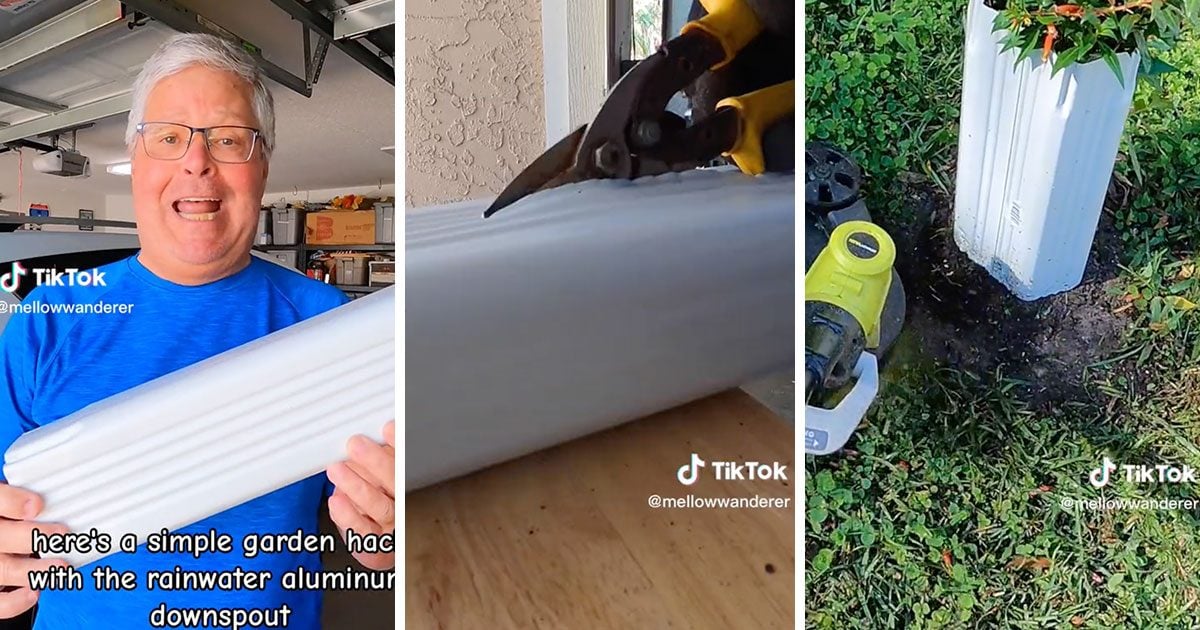
A weed wacker is one of those backyard tools that makes you feel wildly productive in about 14 seconds. Grass along the fence? Gone. Weeds around the mailbox? Toast. That fuzzy green fringe near your flower bed? Trimmed into suburban perfection. But then comes the tiny tragedy: one careless swing, one overconfident pass, and your prized petunia, young hydrangea, tomato seedling, or baby tree trunk gets shaved like it accidentally joined lawn boot camp.
The good news is that protecting plants from a weed wacker does not require a professional landscaping crew, a bank loan, or a dramatic speech to your garden. The hack is refreshingly simple: place a sturdy physical shield over or beside the plant before trimming nearby grass. A nursery pot, plastic bucket, cut-off milk jug, cardboard panel, or lightweight plant guard can act as a temporary barrier between the spinning trimmer line and the plant you actually want to keep alive.
This weed wacker hack works because string trimmers are not villains; they are just enthusiastic. Their nylon line spins fast enough to slice soft stems, scuff bark, and shred tender foliage. A shield gives the trimmer something harmless to bump instead of your plant. Think of it as garden armor, minus the medieval soundtrack.
Why Weed Wackers Damage Plants So Easily
String trimmers, also called weed eaters or weed whackers, are designed to cut grass and soft weeds in places a lawn mower cannot reach. That includes fence lines, edging strips, around raised beds, near trees, and between landscape features. The problem is that many desirable plants live in those exact same places, minding their leafy little business.
The cutting line on a weed wacker may look harmless when the tool is off. Once it is spinning, it becomes a flexible blade. It can nick bark, slice annual flowers, strip leaves, cut vegetable stems, and damage the lower trunks of shrubs and young trees. The injury might look small at first, but plants do not always shrug it off.
The Hidden Problem: Bark and Stem Wounds
With trees and woody shrubs, the real danger is injury to the cambium layer beneath the bark. This living tissue helps move water, nutrients, and sugars through the plant. When a trimmer repeatedly wounds the base of a trunk, it can interrupt that flow. Severe or repeated damage can weaken a plant, invite pests or disease, cause suckering, or even contribute to decline and death.
Young trees are especially vulnerable because their bark is thin. A mature oak may tolerate minor bumps better than a newly planted ornamental cherry, dogwood, maple, or fruit tree. But even established plants should not be used as target practice for your Saturday morning lawn routine.
The Simple Weed Wacker Hack: Use a Temporary Plant Shield
The hack is beautifully low-tech. Before trimming, cover the plant or block it with a protective object. Then trim around the area while the shield takes the accidental taps from the trimmer line. Remove the shield afterward, admire your still-intact plant, and enjoy the rare satisfaction of outsmarting a power tool with a bucket.
Best Shield Options You Already Have at Home
For small plants, use an upside-down plastic nursery pot, a one-gallon container, or a milk jug with the bottom removed. For medium plants, try a five-gallon bucket, a storage tote, or a large nursery container. For border plants, use a flat piece of cardboard, a plastic cutting board, a scrap of plywood, or a flexible landscape edging panel as a side shield.
The right shield depends on the plant. A newly planted basil seedling needs a small cover. A young shrub may need a bucket or a wide side barrier. A tree trunk might need a mulch ring, tree guard, or both. The goal is not to build Fort Knox. The goal is to create a clear “do not cross” zone for the trimmer line.
How to Use the Hack Step by Step
First, walk your yard and identify vulnerable plants before you start trimming. Look for seedlings, perennials, young shrubs, vegetable plants, newly planted trees, exposed roots, irrigation heads, and anything you would be sad to accidentally decapitate.
Second, place your shield over the plant or between the plant and the grass you plan to trim. Make sure the shield is stable. If it wobbles, hold it with your foot only if you can do so safely and far from the cutting head. Better yet, choose a heavier container or secure a side shield with garden stakes.
Third, trim slowly near the shield. Do not jam the weed wacker directly into it like you are auditioning for a landscaping action movie. Let the string work gradually from the outside in. Keep the trimmer head low, steady, and angled away from the plant.
Fourth, remove the shield and inspect the area. If a few grass blades remain right against the plant, finish with hand shears. This is not failure. This is precision gardening, which sounds fancier and gives you permission to feel smug.
Why This Hack Works Better Than “Just Being Careful”
“Just be careful” is a lovely idea, much like “I’ll only eat one chip.” In real life, lawn trimming involves vibration, uneven ground, flying debris, awkward angles, and the occasional surprise rock. Even experienced homeowners can misjudge the distance between the spinning line and a tender stem.
A physical barrier removes much of the guesswork. It also helps if multiple people maintain the yard. Maybe you know exactly where your new coneflowers are planted, but your helpful relative, neighbor, or lawn service might see only a heroic patch of weeds. A visible shield says, “This is a plant, not a snack for the trimmer.”
Use Mulch Rings for Longer-Term Protection
The temporary shield hack is excellent when you are actively trimming, but mulch is the long-term bodyguard your landscape deserves. A mulch ring around trees and shrubs reduces weed growth near the trunk, which means you do not need to bring the weed wacker close in the first place.
For trees and shrubs, create a wide mulch ring instead of letting grass grow right up to the trunk. Keep mulch a few inches away from the bark rather than piling it against the trunk. The dreaded “mulch volcano” may look dramatic, but it traps moisture against bark, encourages pests, and can stress the plant. Your tree wants a donut, not a volcano.
How Deep Should Mulch Be?
A 2- to 3-inch layer of organic mulch is usually enough for flower beds and many tree rings. Around larger trees and shrubs, some recommendations allow deeper mulch over the wider root zone, but the key rule remains the same: do not bury the trunk. Pull mulch back from stems and bark so air can circulate.
Good mulch options include shredded bark, arborist wood chips, pine needles, chopped leaves, straw, and composted organic material. These materials help suppress weeds, conserve soil moisture, moderate soil temperature, and improve soil structure as they break down. They also create a neat visual boundary that tells the person holding the weed wacker, “Stop here, champ.”
Plant Guards: Helpful, But Not Magic
Tree guards and plant collars can help protect lower trunks from string trimmer injury, especially on young trees. Hardware cloth, mesh guards, or purpose-made trunk protectors can be useful when installed correctly. However, guards should not be treated as permanent decorations you install once and forget until the tree looks like it is wearing a too-tight belt.
Check guards regularly. They should not rub bark, trap moisture, girdle the trunk, hide pests, or restrict growth. Remove or adjust them as the plant matures. Solid plastic wraparound guards may protect against trimmer line, but they can also create pest and moisture issues if left on too long or used incorrectly. In other words, plant guards are like raincoats: helpful during the storm, weird if worn forever.
Where This Weed Wacker Hack Is Most Useful
This hack shines in mixed landscapes where grass grows close to desirable plants. It is especially useful around flower bed edges, raised vegetable gardens, newly planted shrubs, young fruit trees, mailbox gardens, sidewalk strips, and fence-line plantings.
Vegetable Gardens
Tomatoes, peppers, basil, cucumbers, squash, and beans can all suffer from accidental trimmer hits. Even a small stem wound can stress a vegetable plant during hot weather. Use a bucket or tall nursery pot to shield young vegetables near lawn edges. Better yet, keep a mulched or hand-weeded strip around the garden so trimming is rarely needed.
Flower Beds
Annual flowers such as marigolds, zinnias, petunias, impatiens, and cosmos are easy to slice with a string trimmer. Perennials like hostas, daylilies, salvia, and black-eyed Susans can also get ragged when the trimming line wanders too far. A side shield works well here because you can trim the bed edge while protecting the foliage behind it.
Young Trees and Shrubs
Young trees and shrubs deserve extra protection. Use a mulch ring first, then add a temporary shield when needed. Avoid trimming right against the trunk. If grass or weeds are growing at the base, remove them by hand or smother them with cardboard and mulch rather than attacking the trunk area with a spinning line.
What Not to Do With a Weed Wacker Near Plants
Do not remove the tool’s safety guard. The guard helps control line length and reduce debris. Removing it may seem like a shortcut, but it increases risk and can make the trimmer harder to control.
Do not use heavy-duty line near delicate plants unless the job truly requires it. Thicker line can be more aggressive. That may be useful against tough weeds, but it is less forgiving around ornamental plants.
Do not trim when you are tired, rushing, or annoyed. A weed wacker in the hands of a frustrated gardener can turn a flower bed into a salad. Work slowly around valuable plants and save the speed trimming for open fence lines or rough grass.
Do not rely on herbicides casually around trees, shrubs, or garden plants. Some products can injure desirable plants through drift, overspray, or root uptake. If herbicides are used, follow the label exactly and consider shielding nearby plants. For many home gardens, hand weeding, mulch, edging, and smart planting design are safer and more sustainable.
Extra Tips for Cleaner, Safer Trimming
Wear eye protection, long pants, sturdy shoes, and gloves when using a string trimmer. Small stones, mulch chips, and bits of stems can fly with surprising enthusiasm. Your shins and eyeballs did not sign up for that.
Walk the trimming area before starting. Move hoses, toys, branches, plant labels, lightweight pots, and hidden rocks. Check for irrigation tubing and low-voltage lighting wires. A weed wacker can turn a drip line into an accidental sprinkler system, which is funny only if it happens to someone else.
Trim before mowing if possible. This lets the mower pick up clipped grass and helps you see edges more clearly. Keep the trimmer head level for general cutting and rotate carefully for edging. Near plants, reduce speed if your tool allows it and use short, controlled passes.
Design Your Yard So the Weed Wacker Stays Away
The best plant protection strategy is designing fewer danger zones. Create clean bed edges, widen mulch rings, use groundcovers under trees, and avoid planting tiny perennials directly in the path of lawn equipment. If a plant must live near the lawn, give it a border. Stone edging, metal edging, brick, wood, or a simple spade-cut edge can all create separation.
Groundcovers can also replace struggling turf under trees where grass is thin due to shade and root competition. Instead of forcing grass to grow in a place it dislikes, use mulch or shade-tolerant plantings. This reduces mowing, protects tree trunks, and makes the yard look intentionally designed rather than politely exhausted.
Experience-Based Advice: What Actually Happens in Real Yards
Here is the honest truth from real-world yard work: most plant damage happens when the person trimming thinks, “I can get just a little closer.” That sentence has ended many promising relationships between gardeners and their perennials. The trimmer line barely kisses the stem, the plant flops over, and suddenly everyone is standing in silence like a crime scene just occurred near the hostas.
The first time you use a plant shield, it may feel silly. You might wonder whether placing an upside-down bucket over a plant makes you look like the kind of person who names garden tools. But after you trim around the bed and remove the bucket to reveal a perfectly unharmed plant, the method becomes addictive. It is fast, cheap, and oddly satisfying.
One practical approach is to keep a “trimming kit” in the garage or shed. Include safety glasses, gloves, spare trimmer line, hand shears, two or three old nursery pots, a five-gallon bucket, and a flat shield made from scrap plastic or cardboard. When it is time to trim, you are not wandering around looking for something to protect the plants while the trimmer battery slowly gives up on life.
For vegetable gardens, the milk jug trick is especially handy. Cut off the bottom, remove the cap for airflow, and place the jug over a young plant while trimming around the bed. The translucent sides make it easier to see the plant, and the handle makes it easy to lift. Just do not leave it there on a hot sunny day, because congratulations, you have accidentally invented a tiny greenhouse sauna.
For flower borders, a flat side shield often works better than covering each plant. Hold or stake a piece of cardboard between the lawn and the flowers, then trim along the grass side. This helps protect low-growing foliage that spills over the edge. It is particularly useful for plants like catmint, creeping phlox, sweet alyssum, and ornamental grasses that enjoy lounging into the lawn like they pay rent.
Around trees, the best experience-based lesson is simple: stop trimming close to trunks at all. Create a mulch ring and maintain it. Pull the occasional weed by hand. If you must use a trimmer nearby, keep the line several inches away from bark. Tree damage can be slow to show, but once the lower trunk is repeatedly wounded, the plant may struggle for years. A neat lawn edge is not worth sacrificing a shade tree that took a decade to grow.
Another useful habit is marking new plants. Small green seedlings are surprisingly invisible when surrounded by grass. Use bamboo stakes, bright plant tags, small cages, or temporary flags until the plant is large enough to be obvious. This is especially helpful if someone else helps with lawn care. Nobody can protect a plant they cannot see.
Finally, accept that a little hand trimming is part of good gardening. A weed wacker is excellent for speed, but it is not a surgeon. Near prized plants, switch to hand shears, grass scissors, or hand pulling. It takes an extra minute, but that minute is much shorter than the emotional recovery period after slicing your favorite lavender in half.
Conclusion: A Small Hack With Big Plant-Saving Energy
This weed wacker hack offers protection for your plants because it solves the real problem: the trimmer line needs a boundary. A bucket, nursery pot, milk jug, cardboard panel, or proper plant guard creates that boundary in seconds. Pair the hack with mulch rings, smart edging, careful trimming, and basic safety gear, and your yard can look tidy without turning your garden into collateral damage.
The best part is that this method costs little or nothing. You are not buying another complicated gadget or reorganizing your entire landscape. You are simply putting something sturdy between the weed wacker and the plant. Sometimes the smartest garden trick is not fancy. Sometimes it is just an upside-down bucket doing heroic work while your flowers quietly applaud.
Note: This article is written for general home gardening and lawn-care education. Always follow the safety instructions for your specific string trimmer and use extra caution around young trees, shrubs, vegetables, irrigation lines, and people.












