
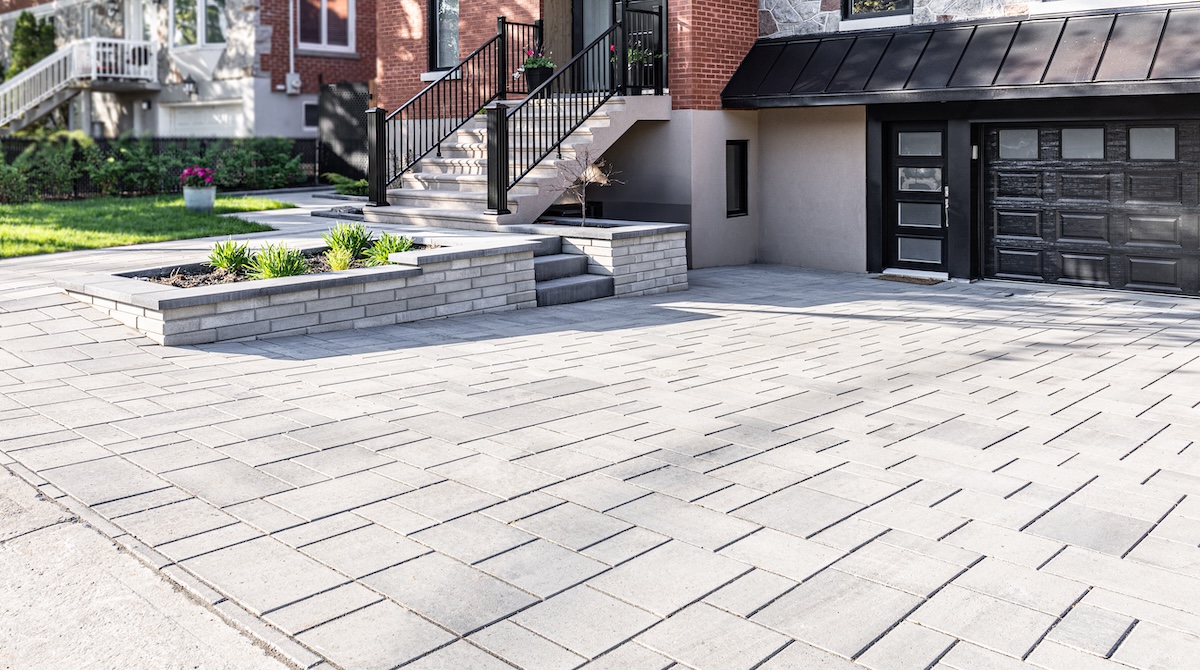
I did not expect my driveway to become the main character of my homeownership story. Yet there it was: cracked in weird places, collecting water like it had a side hustle as a kiddie pool, and making the front of my house look less “welcome home” and more “abandoned tax office.” Every time I pulled in, I felt the same mixture of annoyance and denial. You know the feeling. You tell yourself it is “not that bad,” right up until a guest carefully tiptoes around a puddle the size of a canoe.
That was the moment I admitted I had a real driveway dilemma. I did not just need a cosmetic fix. I needed a smart, long-term solution that would improve drainage, hold up to daily use, fit my budget, and stop making my curb appeal look like it had given up on life. So I did what most determined homeowners do: I researched, overthought, measured, compared, changed my mind twice, drank too much coffee, and finally made a plan that actually worked.
This is the story of how I solved my home’s driveway dilemma, what I learned along the way, and what I wish I had known before I ever started pricing materials.
The Real Problem Was Not the Surface
At first, I thought my problem was simple. The driveway looked old. Surely I just needed a new surface, right? Wrong. The more I learned, the more obvious it became that a bad-looking driveway is often a symptom, not the disease. My real issue was water.
After every heavy rain, water drifted toward the garage instead of away from it. The edges were crumbling, weeds had moved in like they paid property taxes, and the surface was starting to crack where the base had likely shifted over time. In other words, the driveway was not just unattractive. It was losing the argument with gravity.
That changed how I approached the project. Instead of asking, “What material looks nicest?” I started asking better questions: Where is the water going? Is the base stable? Do I need better grading? Are local rules going to affect the driveway apron or width? Once I stopped treating the driveway like a decorative slab and started treating it like a system, the path forward became much clearer.
What I Learned Before Spending a Dollar
1. Drainage beats style every single time
I love a beautiful driveway as much as the next homeowner scrolling outdoor inspiration at midnight, but water does not care about aesthetics. If drainage is wrong, even a gorgeous driveway can fail early. That was the biggest lesson of the whole project.
I realized that my goal was not merely to replace a surface. It was to create a driveway that shed water properly, resisted pooling, and would not invite moisture to linger near the garage or foundation. That meant site prep mattered just as much as the visible finish. In fact, it probably mattered more.
2. The “best driveway material” depends on your house, not the internet
I went into the process hoping for a magical answer. I wanted the one perfect driveway material that was affordable, durable, elegant, low-maintenance, weather-friendly, and possibly capable of making me breakfast. Sadly, that material does not exist.
What does exist is trade-off. Gravel is budget-friendly and forgiving, but it can migrate and needs regular upkeep. Asphalt often has a lower upfront feel and creates a smooth, practical surface, but it needs maintenance to stay in shape. Concrete looks clean and lasts well when installed properly, yet repairs can be visible and surface issues can stand out. Pavers offer strong curb appeal and easier spot repairs, but the upfront cost can climb fast. Permeable options are especially appealing where runoff is a concern, though they need the right site conditions and thoughtful maintenance.
That was liberating. I stopped looking for the universally best driveway and started looking for the best driveway for my lot, my budget, my weather, and my tolerance for upkeep.
3. The hidden costs are where the plot thickens
If you are planning a driveway project, brace yourself for this mildly rude truth: the material itself is only part of the story. Site preparation, grading, drainage work, demolition, edging, permits, and labor can shift the total cost dramatically. I had originally budgeted like an optimist. Then I started asking contractors sharper questions, and my budget grew up fast.
That was not bad news, exactly. It just meant I could make better decisions. Instead of blowing money on a premium finish and ignoring the base, I prioritized what would actually increase performance. That ended up saving me from the kind of “cheap now, expensive later” mistake that haunts homeowners and group chats alike.
4. Local rules matter more than most people think
I also discovered that the area where the driveway meets the street can come with its own rules. Depending on where you live, the apron, curb cut, slope, width, or approved materials may be regulated. Translation: the city may care about your driveway more than your driveway cares about you.
That was a useful wake-up call. Before finalizing anything, I checked local requirements so I would not accidentally pay for a design that had to be redone. Glamorous? No. Necessary? Absolutely.
How I Actually Solved the Driveway Dilemma
Once I stopped chasing a fantasy solution, the project became manageable. I built my plan around four priorities: fix drainage, improve durability, make the driveway easier to use, and upgrade curb appeal without turning the front yard into a theme park.
I started with the base and grading
This was the least exciting part and the most important part. I made sure the failing sections were addressed from below, not just patched on top. That included correcting slope issues, improving how water moved off the surface, and making sure the driveway would not continue settling unevenly.
It was not the line item that made my heart flutter. Nobody posts glamorous photos of compacted base layers. But this step solved the problem I had actually been living with.
I chose a material that fit real life
In the end, I picked a solution that balanced function, maintenance, and appearance instead of chasing the fanciest option. I wanted something durable enough for everyday parking, tidy enough to improve the front of the house, and practical enough that future repairs would not require a spiritual crisis.
For me, that meant choosing a material and layout that worked with the lot’s drainage pattern and complemented the style of the house. I also considered edging and the transition to surrounding landscaping, because a driveway rarely looks “done” if it simply stops and shrugs at the lawn.
I widened only what needed widening
One of the smartest decisions I made was resisting the urge to overbuild. I did not need a suburban landing strip. I needed a driveway that functioned better. So instead of expanding everything, I focused on the areas where turning, opening doors, or walking alongside the car felt cramped.
That gave me better usability without inflating the budget for no good reason. It also kept the front yard from becoming one giant hard surface, which would have made drainage and curb appeal worse, not better.
I treated appearance as part of function
Here is the surprising part: once the practical issues were solved, the driveway looked dramatically better even before the finishing touches. Clean lines, stable edges, sensible proportions, and a surface that no longer looked like it had survived a meteor shower already improved the whole front elevation.
Then I added a few design-minded moves: crisp edging, cleaner transitions to planting beds, and landscaping that framed the driveway instead of fighting with it. That made the driveway feel intentional rather than accidental. Suddenly the front of my home looked organized, polished, and cared for. Same house, wildly better first impression.
The Mistakes I Did Not Makeand Why That Helped
Sometimes solving a home problem is less about what you do and more about what you refuse to do. In my case, I skipped several tempting mistakes.
I did not treat cracks as only a cosmetic issue. I did not assume the cheapest bid was the best value. I did not choose material based only on looks. I did not ignore water flow. And I definitely did not assume that a fresh top layer would magically correct a failing base.
That discipline paid off. A driveway is one of those home features that gets tested constantly. Cars use it. Weather attacks it. Water studies it like it is preparing for an exam. If the design is weak, the driveway will reveal that weakness fast.
Why the New Driveway Changed More Than I Expected
Yes, the driveway is more functional now. No more puddles near the garage. No more awkward maneuvering. No more embarrassing first impression. But the change also improved how I feel about the house as a whole.
That is the sneaky power of solving exterior problems well. A driveway is not just a parking place. It is part of your daily arrival experience. It is part of curb appeal. It influences how clean, maintained, and welcoming your home appears to visitors, neighbors, and future buyers.
Before this project, I saw the driveway as a nuisance. After finishing it, I realized it was actually a major visual and practical anchor for the front of the property. Once it worked properly and looked intentional, everything around it felt more complete.
If You Are Facing Your Own Driveway Dilemma
If your driveway is cracking, sinking, staining, pooling water, or just making your home look more tired than it really is, do not start by obsessing over surface color or pattern. Start with the fundamentals.
Ask where water goes. Ask whether the base is stable. Ask what maintenance you are realistically willing to do. Ask how the driveway should relate to the style of your house. Ask whether local codes affect the apron, width, or drainage design. Then choose the material and scope that solve the actual problem.
That mindset changed everything for me. My driveway dilemma stopped being a vague headache and became a clear project with logical decisions. Once I focused on performance first and appearance second, I ended up getting both.
Conclusion
How I solved my home’s driveway dilemma was not by finding a magic product or copying the prettiest picture online. I solved it by understanding that the driveway had to work before it could impress. I focused on drainage, base preparation, material fit, smart sizing, and a few curb appeal details that made the whole result feel polished.
The final lesson is simple: a good driveway is not just poured, paved, or placed. It is planned. When you solve the practical issues first, the beauty has a much better chance of lasting. And when that happens, pulling into your driveway stops feeling like a reminder of another expensive problem and starts feeling like a very satisfying victory lap.
500 More Words From My Driveway Saga
There was one afternoon during this whole process that sums up the experience perfectly. I was standing at the end of the driveway after a storm, staring at a puddle that had once again settled in exactly the wrong place. It reflected my garage door like modern art, except less expensive and much more irritating. I remember thinking, “This cannot be the feature that defeats me.” It sounds dramatic, but homeowners know that tiny repeated annoyances can become legendary. A squeaky hinge is a quirk. A driveway that turns every rainstorm into a small aquatic event is a lifestyle problem.
So I began paying attention in a way I had not before. I watched how the water moved. I noticed where the wheels tracked every day. I looked at the edges, the apron, the transition to the walkway, and even how the driveway visually connected to the front of the house. That is when I realized my old mindset had been too narrow. I had treated the driveway like an isolated slab. In reality, it was tied to the lawn, the garage, the curb, the drainage pattern, and even the overall personality of the home.
What really helped was separating wants from needs. I wanted a driveway that looked sharp, of course. I wanted the kind of finished result that makes neighbors slow down just enough to notice. But I needed something more important: a surface that handled water properly, stood up to regular use, and did not create a maintenance headache every season. Once I accepted that, my decisions got easier. I stopped being seduced by flashy ideas that looked great in photos but made less sense for my property.
I also learned that good exterior improvements have a psychological effect that people do not talk about enough. Every time I came home before the project, the driveway was a visual to-do list. It made the entire house feel more worn than it really was. After the work was done, that feeling disappeared. Pulling in felt cleaner, calmer, and oddly more grown-up. The front yard looked more organized. The house seemed more intentional. Even the landscaping appeared tidier because the driveway no longer undermined everything around it.
And yes, I became one of those people who casually mentions grading and runoff in normal conversation. This is apparently what homeownership does to a person. But I am not mad about it. The project taught me that solving a driveway dilemma is rarely about one dramatic choice. It is usually about a series of sensible ones: noticing patterns, respecting drainage, picking materials honestly, budgeting for the hidden work, and understanding that durability is part of design. If that sounds less glamorous than scrolling dream-driveway photos, that is because it is. But it is also why the result lasts.
So if you are staring at your own cracked, puddled, uneven, or tired-looking driveway, take heart. The solution might be more practical than exciting at first, but that is not a bad thing. In my case, the practical route ended up being the beautiful one too. And that, in home improvement terms, is about as close to a fairy tale as it gets.











