
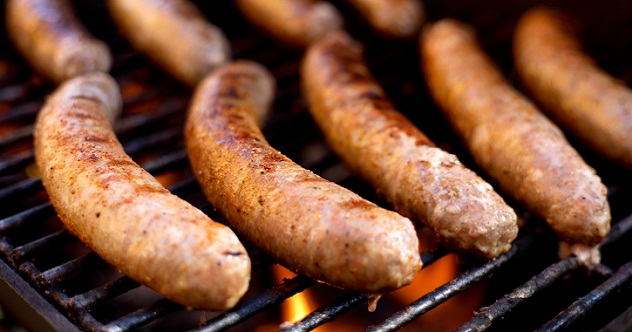
Sausage looks simple: meat, seasoning, casing, heat, happiness. But behind that sizzling link is one of the strangest, oldest, most practical, and occasionally hilarious foods humans have ever invented. It has traveled from ancient kitchens to baseball stadiums, from smokehouses to space missions, from street carts to high-end restaurants where someone will absolutely describe it as “rustic” and charge accordingly.
The funny thing about sausage is that it is both ordinary and deeply weird. It is comfort food, preservation technology, cultural identity, and a tiny edible engineering project all at once. The best sausage facts are not just trivia; they explain why people have stuffed seasoned meat into tubes for thousands of years and still get excited when the grill starts popping.
Below are 10 bizarre things you should know about sausage, from ancient origins and natural casings to hot dog legends, fermented meat magic, and why the “snap” of a sausage is basically a culinary sound effect.
1. Sausage Is Basically Ancient Food Technology
Long before refrigerators, vacuum sealing, and that one drawer in the fridge where leftovers go to become archaeological evidence, people needed a way to keep meat edible longer. Sausage was one answer. By chopping meat, mixing it with salt and spices, stuffing it into a casing, and sometimes smoking, drying, or fermenting it, early cooks created a portable, flavorful food that could last longer than fresh meat.
The word “sausage” is connected to the Latin salsus, meaning salted. That tells you almost everything about its original job. Sausage was not invented because someone wanted brunch links next to pancakes. It was invented because salt was survival, and wasting meat was not an option.
Historical references connect sausage-like foods to ancient Babylonia, Greece, and Rome. Even Homer’s Odyssey includes a reference to sausage, proving that humans have been arguing about meat tubes since literature got dramatic.
2. Natural Sausage Casings Are Often Animal Intestines
Yes, let’s talk about the part everyone thinks about and then quickly pretends not to think about. Traditional sausage casings are commonly made from cleaned and processed animal intestines. Sheep, hog, and beef casings have all been used to hold sausage mixtures together while they cook, smoke, dry, or ferment.
It sounds shocking if you are used to plastic-wrapped grocery food, but it is actually a brilliant example of using more of the animal. Natural casings are flexible, strong, edible, and famous for giving sausage that satisfying “snap” when you bite into it.
Why the Snap Matters
That snap is not just a texture. It is part of the experience. A sausage that pops slightly when bitten feels lively and fresh. A dull casing can make even a well-seasoned sausage feel sleepy. In sausage culture, the casing is not just packaging. It is performance.
3. Some “Skinless” Sausages Had a Skin First
Here is a deliciously strange sausage fact: many skinless hot dogs are not born skinless. During production, the meat mixture is pumped into cellulose casings. The hot dogs are cooked, cooled, and then the casing is peeled off before packaging.
That means the “skinless” hot dog often used a temporary skin like a culinary training wheel. The casing shaped it, helped it cook evenly, and then disappeared from the final product. It is the food-world equivalent of wearing a tuxedo to prepare for a party and then leaving before anyone arrives.
Natural casing hot dogs, on the other hand, keep their casings. That is why they often have a stronger bite and a more traditional snap.
4. A Hot Dog Is a Sausage, Even If It Causes Sandwich Debates
People can argue forever about whether a hot dog is a sandwich. That debate has ruined picnics, friendships, and probably at least one group chat. But one thing is clear: a hot dog is a type of cooked, cured sausage.
Hot dogs are usually made from beef, pork, chicken, turkey, or a combination of meat and poultry. The meat is finely chopped or emulsified with seasonings, water, curing ingredients, and spices, then cooked. The mystery around hot dogs is often bigger than the actual ingredient list.
In the United States, labels are required to identify the meat species used. If variety meats or meat by-products are included, they must be declared. So while hot dogs may inspire jokes, modern labeling rules are far less mysterious than urban legends suggest.
5. The Name “Hot Dog” Probably Started as a Joke
The hot dog’s name has one of the funniest backstories in food. German immigrants brought sausages, frankfurters, wieners, and dachshund dogs to America in the 1800s. The long, thin sausages reminded people of those long, thin dogs. Eventually, “dog” became part of the joke.
By the 1890s, the phrase “hot dog” was appearing in American college slang and popular culture. There are famous stories about cartoonists, baseball vendors, and missing illustrations, but food historians generally agree the name grew from humor, immigrant food culture, and a little suspicion about what was inside cheap sausages.
In other words, one of America’s most iconic foods may owe its name to a dachshund joke. That is bizarre, beautiful, and exactly the kind of nonsense food history does best.
6. Sausage Helped Build American Street Food Culture
Sausage is one of the world’s great street foods because it is compact, affordable, filling, and easy to eat without a plate. That made it perfect for crowded cities, fairs, amusement parks, and later, baseball stadiums.
German immigrants sold sausages from pushcarts in places like New York City. Coney Island helped turn the hot dog into a beach-and-boardwalk legend. Ballparks gave it a permanent seat in American sports culture. A sausage in a bun was fast food before fast food chains became part of the landscape.
Why Sausage Works So Well in Public
A sausage is self-contained. It does not require a knife. It can be grilled, steamed, smoked, or simmered. It pairs with mustard, onions, chili, sauerkraut, peppers, relish, cheese, and whatever regional pride demands. That portability helped sausage become a democratic food: rich, poor, local, tourist, baseball fan, beachgoer, and hungry commuter could all hold the same basic meal in one hand.
7. Fermented Sausage Is Controlled SpoilageOn Purpose
Fermented sausage may sound like something your roommate invented by forgetting groceries, but it is actually a careful process. Products like salami use beneficial bacteria, salt, drying, acidity, and time to create flavor while reducing conditions that harmful microbes need to thrive.
The bizarre part is that fermentation transforms raw ingredients into something tangy, complex, and shelf-stable when done correctly. It is not random aging. It is controlled chemistry. Starter cultures, salt levels, moisture loss, and temperature all matter.
This is why homemade fermented sausage is not a casual “wing it” project. Safe sausage making requires real food-safety knowledge. When done properly, though, fermentation can create deep flavor that fresh sausage simply cannot match.
8. Blood Sausage Is Exactly What It Sounds Like
Blood sausage is one of those foods that makes some people lean forward with curiosity and others suddenly remember they are “not that hungry.” It is made with animal blood, usually mixed with grains, fat, onions, spices, or other fillers, then stuffed into a casing and cooked.
Many cultures have their own version. In the United Kingdom and Ireland, black pudding is well known. In parts of Europe, Latin America, and Asia, blood sausage appears in countless local forms. The idea may sound extreme, but historically it made practical sense: if an animal was slaughtered, valuable nutrition should not be wasted.
From a culinary perspective, blood sausage can taste earthy, rich, savory, and mildly mineral. From a “bizarre things about sausage” perspective, it is proof that sausage has always been a food of creativity, thrift, and bold stomachs.
9. Sausage Can Be Fresh, Cooked, Smoked, Dried, or Pickled
Not all sausages are created equal, and that is where many kitchen mistakes begin. Fresh sausage, such as raw breakfast sausage or fresh Italian sausage, must be fully cooked before eating. Cooked sausage may only need reheating. Smoked sausage can be either fully cooked or not fully cooked, depending on the product. Dry and fermented sausages follow yet another set of rules.
This is why labels matter. “Smoked” does not always mean “ready to eat.” A sausage may look cooked because it has color from smoke or curing ingredients, but it can still require proper cooking.
The Food Safety Lesson
Sausage is ground or chopped meat, which means more surface area and more opportunities for bacteria to spread through the mixture. Proper refrigeration, cooking, storage, and label reading are not boring details. They are the difference between a great dinner and a stomach situation nobody wants to write a Yelp review about.
10. Sausage Has Gone to Space
Yes, sausage has left Earth. NASA space food collections include sausage patties prepared for Apollo missions. Some were freeze-dried and designed to be rehydrated by astronauts. It is strange to imagine sausage floating around near a spacecraft meal tray, but it makes sense: sausage is compact, protein-rich, familiar, and adaptable.
That may be the ultimate sausage achievement. It began as ancient preservation technology, became street food, inspired hot dog jokes, conquered ballparks, and eventually made its way into space food systems. Few foods can claim that kind of resume.
Why Sausage Still Fascinates Us
Sausage survives because it solves problems while tasting good. It preserves meat. It uses trimmings. It carries spices beautifully. It adapts to local cultures. It can be humble or luxurious, cheap or artisanal, breakfast-friendly or dinner-worthy. Sausage is flexible enough to become chorizo, bratwurst, kielbasa, andouille, bologna, salami, breakfast links, hot dogs, merguez, longaniza, and dozens of other regional specialties.
That flexibility is also why sausage feels personal. Ask ten people about the best sausage, and you may get ten emotional answers. Someone will defend smoky kielbasa. Someone will bring up spicy Italian sausage in red sauce. Someone will insist that a bratwurst must be grilled, not rushed. Someone else will quietly mention breakfast sausage with maple syrup and start a small but passionate debate.
Experience Section: What Sausage Teaches You at the Table
The first experience most people have with sausage is not academic. It is sensory. You hear it before you analyze it: the hiss on the grill, the little bursts of fat, the sound of a casing tightening over heat. Sausage announces itself. It does not politely enter the room. It kicks open the door wearing smoke perfume.
At a backyard cookout, sausage has a way of turning people into instant experts. One person believes in low heat and patience. Another pokes holes in the links, which causes a third person to gasp like a violin just snapped. Someone always has a secret mustard. Someone else thinks onions should be cooked until sweet and golden. Suddenly, a simple sausage becomes a committee meeting with buns.
The real joy is that sausage rewards curiosity. Try a fresh bratwurst next to a smoked kielbasa and you understand how texture changes everything. Taste Mexican chorizo in tacos, then Spanish chorizo sliced with cheese, and you realize the same word can lead to completely different meals. Add andouille to gumbo and it becomes smoky backbone. Crumble breakfast sausage into gravy and it becomes comfort in a skillet. Put Italian sausage into tomato sauce and suddenly the whole kitchen smells like someone’s grandmother is about to judge your pasta water.
Sausage also teaches respect for technique. Cook it too hot and the outside burns before the inside is ready. Cut it too early and the juices escape like they had somewhere better to be. Ignore the label and you may mistake raw sausage for cooked sausage, which is a bad adventure. But treat it properly and sausage becomes forgiving, flavorful, and generous.
One of the most memorable sausage experiences is tasting a natural casing link with a true snap. It is a tiny moment, but it changes how you think about texture. The bite breaks cleanly, the juices follow, and the seasoning blooms. That snap explains why traditional sausage makers care so much about casings, grinding, mixing, stuffing, and cooking. The magic is not accidental. It is built step by step.
There is also a cultural experience in sausage. Walk through different American neighborhoods and you will meet different sausage traditions: Polish kielbasa at a deli, smoked links at a barbecue joint, Louisiana andouille in gumbo, Italian sausage at a street festival, breakfast patties at a diner, and hot dogs at a ballgame. Sausage is never just sausage. It is migration, memory, weather, religion, thrift, celebration, and local taste packed into a casing.
That is why bizarre sausage facts are more than party trivia. They make the next bite more interesting. Once you know sausage is ancient, practical, sometimes fermented, occasionally space-bound, and historically wrapped in everything from intestines to cellulose, the humble link on your plate becomes a little more impressive. Still weird, yes. But impressively weird.
Conclusion
Sausage is one of the strangest success stories in food history. It began as a clever way to preserve meat, grew into a global family of recipes, helped shape American street food, inspired one of the silliest food names ever, and proved that people will happily eat seasoned meat in tube form almost anywhereincluding stadiums, sidewalks, breakfast tables, and even space missions.
The next time you bite into a sausage, remember: you are not just eating dinner. You are eating ancient preservation science, cultural migration, casing technology, seasoning tradition, and possibly the world’s most charmingly bizarre comfort food.











