
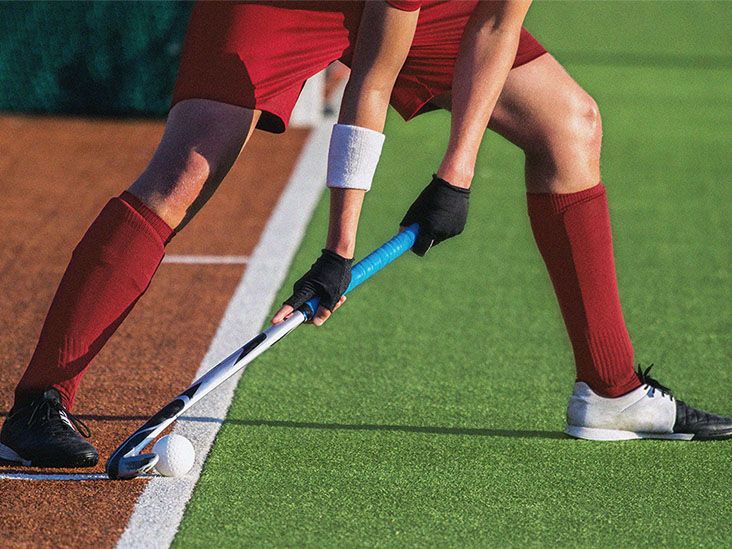
A sports hernia sounds like something that should come with a dramatic bulge, a warning siren, and possibly a referee throwing a flag. In reality, it is usually much sneakier. A sports hernia, more accurately called athletic pubalgia or a core muscle injury, is a painful soft tissue injury in the lower abdomen, groin, or upper inner thigh area. It often affects athletes who sprint, kick, twist, cut, pivot, or make sudden direction changes as if their bodies signed up for a high-speed chess match.
Despite the name, a sports hernia is not usually a true hernia. In a traditional inguinal hernia, tissue pushes through a weak spot in the abdominal wall and may create a visible bulge. With a sports hernia, the problem is more often a strain, tear, or weakening of muscles, tendons, or ligaments around the pubic bone and groin. The pain can be sharp during play, dull after activity, and frustratingly stubborn when ignored.
The good news: sports hernias are treatable. Many people improve with rest, physical therapy, medication, and a careful return-to-sport plan. Others may need surgery, especially when pain continues despite a full rehabilitation program. The key is getting the right diagnosis early, because groin pain has many possible causes, and guessing is not a treatment plan. It is just optimism wearing sneakers.
What is a sports hernia?
A sports hernia is a soft tissue injury involving the lower abdominal wall, groin, adductor muscles, or nearby tendons that attach around the pubic bone. The term “sports hernia” became popular because the symptoms can feel similar to a hernia: deep groin pain, pressure, discomfort with coughing or straining, and pain during athletic movements. However, most sports hernias do not create a visible bulge.
Doctors may use several names for this condition, including athletic pubalgia, sportsman’s groin, core muscle injury, Gilmore’s groin, or groin disruption. The wording can vary, but the basic idea is the same: the muscles and tendons that stabilize the pelvis are overloaded, irritated, strained, or torn.
Why the name can be confusing
The word “hernia” makes many people imagine abdominal tissue poking through a hole. That can happen with an inguinal hernia, but a sports hernia is usually different. It is more like a failure in the support system around the lower abdomen and pelvis. Think of the body as a suspension bridge. If the cables on one side become strained, the whole structure starts complaining. In athletic pubalgia, the “cables” are often the abdominal muscles, adductor tendons, hip flexors, and connective tissues around the pubic bone.
Common causes of sports hernia
Sports hernias often develop when powerful movement meets poor load distribution. The injury may happen suddenly during a sprint, kick, tackle, or twist. It may also build slowly over weeks or months from repeated stress.
1. Sudden twisting or cutting movements
Sports that require rapid changes of direction place heavy stress on the groin and lower abdominal area. Soccer, football, hockey, rugby, lacrosse, wrestling, tennis, and basketball are common examples. An athlete plants one foot, rotates the torso, accelerates, and suddenly the pelvis is asked to be both a shock absorber and a launchpad. That is a big job.
2. Repetitive kicking or sprinting
Kicking sports are especially demanding because the adductor muscles of the inner thigh and the abdominal muscles must work together to stabilize the pelvis. If one group is stronger, tighter, or more fatigued than the other, the pubic region can absorb too much strain.
3. Muscle imbalance between the core and hips
A weak core, tight hip flexors, overworked adductors, or poor glute strength can change how force travels through the pelvis. When the body cannot distribute stress evenly, the groin region may become the unlucky middle manager handling everyone else’s workload.
4. Overtraining and poor recovery
Sports hernias are often linked to repetitive overload. Playing through mild groin pain, skipping recovery days, increasing training volume too quickly, or returning too soon after another injury can all increase risk. The body is usually polite at first. It whispers. Then it yells.
5. Hip problems that change movement mechanics
Some athletes with chronic groin pain also have hip conditions such as femoroacetabular impingement, labral irritation, or limited hip mobility. When the hip does not move well, the pelvis and groin may compensate. That compensation can become painful over time.
Symptoms of sports hernia
The main symptom of a sports hernia is groin pain, but the pattern matters. Pain usually appears in the lower abdomen, pubic area, inner thigh, or deep groin. It may be sharp during activity and dull afterward.
Common signs include:
- Pain in the groin or lower abdomen during sprinting, twisting, kicking, or cutting
- Pain that improves with rest but returns when activity resumes
- Tenderness around the pubic bone or inner thigh
- Discomfort when coughing, sneezing, or doing sit-ups
- A feeling of weakness, tightness, or pulling in the groin
- Pain that radiates toward the inner thigh or lower abdomen
Unlike a traditional hernia, a sports hernia usually does not cause a visible lump. If there is a noticeable bulge, a true inguinal hernia should be considered and evaluated by a healthcare professional.
Who is most at risk?
Sports hernias are most common in athletes who perform explosive movements. They are frequently seen in soccer players, hockey players, football players, runners, tennis players, dancers, martial artists, and wrestlers. Men are diagnosed more often, but women can absolutely develop athletic pubalgia too. The injury is not checking IDs at the locker room door.
Risk increases when an athlete has poor core stability, tight hips, weak glutes, previous groin injuries, poor warm-up habits, or a sudden jump in training intensity. Athletes who compete at high levels may also face pressure to keep playing, which can turn a manageable injury into a long-term problem.
How doctors diagnose a sports hernia
Diagnosis begins with a careful history and physical exam. A clinician will ask when the pain started, what movements make it worse, whether there was a specific injury, and whether rest improves symptoms. They may test hip range of motion, core strength, adductor strength, tenderness around the pubic bone, and pain with resisted sit-ups or resisted thigh movement.
Imaging tests may help
Sports hernias can be difficult to diagnose because several conditions cause similar groin pain. A doctor may order imaging to rule out other injuries. Tests may include:
- MRI: Often used to look for soft tissue tears, tendon injuries, muscle strain, bone stress injury, or inflammation around the pubic area.
- Ultrasound: May help evaluate the groin region and check for a true hernia.
- X-ray: Can help rule out bone problems, arthritis, or certain hip conditions.
- CT scan: Sometimes used when more detail is needed or when another condition is suspected.
Conditions that can mimic a sports hernia
Groin pain is a crowded neighborhood. A sports hernia may be confused with an adductor strain, hip labral tear, osteitis pubis, femoroacetabular impingement, stress fracture, nerve irritation, urinary issues, or a true inguinal hernia. That is why a proper evaluation matters. Treating the wrong cause is like putting premium gas in a bicycle: impressive effort, wrong machine.
Sports hernia treatment options
Treatment depends on the severity of the injury, the athlete’s goals, the duration of symptoms, and whether other hip or groin problems are present. Most treatment plans begin conservatively.
Rest and activity modification
In the early phase, rest from painful activity is usually recommended. This does not always mean complete inactivity. It means avoiding movements that flare symptoms, especially sprinting, kicking, heavy lifting, cutting, and twisting. Ice may help reduce pain in the first days after injury.
Anti-inflammatory medication
A healthcare professional may recommend nonsteroidal anti-inflammatory drugs, such as ibuprofen or naproxen, for short-term pain and inflammation control. These medications are not right for everyone, especially people with kidney disease, stomach ulcers, bleeding risk, certain heart conditions, or medication interactions. Always follow medical advice rather than locker-room pharmacology.
Physical therapy
Physical therapy is a major part of sports hernia treatment. A good rehab plan usually focuses on restoring balance between the core, hips, pelvis, and adductors. Early therapy may include gentle mobility work and pain-free activation exercises. Later phases often include progressive strengthening, balance training, rotational control, sprint mechanics, and sport-specific drills.
The goal is not simply to make pain disappear. The goal is to rebuild the movement system that failed. If the athlete returns with the same weakness, stiffness, and movement habits, the injury may come back like an unwanted sequel.
Injections
Some clinicians may consider injections in selected cases, especially if inflammation or pain is limiting rehab. Options vary and may include corticosteroid injections or other approaches depending on the diagnosis. Injections should not be viewed as magic erasers. They may reduce symptoms, but they do not replace strength, mobility, and load management.
Surgery
Surgery may be considered when symptoms remain after a structured nonsurgical program or when there is a significant tear that is unlikely to improve with conservative care. Surgical techniques vary. Some procedures repair or reinforce the lower abdominal wall. Others address torn tendons, irritated nerves, or associated adductor problems. Surgery may be open or minimally invasive, depending on the injury and surgeon’s approach.
Many athletes return to sport after surgery, but success depends on accurate diagnosis, appropriate repair, and a disciplined rehabilitation plan. Surgery fixes tissue. Rehab teaches the body how not to annoy that tissue again.
Recovery timeline for sports hernia
Recovery varies widely. A mild case may improve with several weeks of rest and physical therapy. A more stubborn injury may require months of rehabilitation. After surgery, many athletes return to regular activity in roughly 6 to 12 weeks, although some need longer depending on the procedure, sport, and healing response.
General recovery stages
- Phase 1: Calm symptoms. Reduce painful activity, manage inflammation, and restore comfortable daily movement.
- Phase 2: Restore mobility and activation. Improve hip mobility, core control, and gentle adductor function.
- Phase 3: Build strength. Progressively strengthen the abdominal wall, glutes, hips, and inner thighs.
- Phase 4: Reintroduce sport movements. Add running, cutting, kicking, rotation, acceleration, and deceleration gradually.
- Phase 5: Return to play. Resume practice and competition only when strength, mobility, confidence, and sport-specific movement are restored.
A safe return is not based only on the calendar. It should be based on function. If an athlete still has pain with sprinting, coughing, resisted adduction, cutting, or sport-specific drills, the body is not ready for full competition.
Can a sports hernia heal without surgery?
Yes, some sports hernias improve without surgery, especially when diagnosed early and treated with a focused rehabilitation plan. Rest alone may calm symptoms, but it often does not fix the underlying strength or mobility problem. That is why pain may return when the athlete resumes the same movements.
Nonoperative care is more likely to succeed when the injury is mild to moderate, symptoms have not been ignored for months, and the athlete follows a progressive rehab plan. Surgery becomes more likely when pain persists despite quality rehab, when imaging shows significant tissue injury, or when the athlete cannot return to sport without repeated flare-ups.
Practical recovery tips
Do not test the injury every morning
Many athletes wake up, do a quick sprint, twist, or sit-up to “see if it still hurts,” and then wonder why recovery is slow. Constant testing can become constant irritation. Follow the rehab plan instead.
Train the whole system
A sports hernia is rarely just one tiny angry spot. Recovery should address the core, hips, adductors, glutes, hamstrings, breathing mechanics, and movement control. The groin may be where pain shows up, but the cause may involve the entire chain.
Progress gradually
Going from pain-free walking to full-speed competition is not a comeback. It is a dare. Build intensity step by step: walking, cycling or pool work, controlled strength, jogging, acceleration, cutting, sport drills, practice, and then competition.
Respect warning signs
Sharp pain, worsening groin pain, new bulging, testicular pain, fever, numbness, inability to walk normally, or pain that does not improve with rest should be evaluated promptly. Groin pain can have serious causes, and it is better to be the cautious athlete than the heroic limper.
How to prevent sports hernia
Not every sports hernia can be prevented, but smart training can lower risk. Prevention should focus on strength, mobility, recovery, and technique.
- Warm up before intense practices or games.
- Strengthen the core, glutes, hip flexors, and adductors.
- Improve hip mobility without forcing painful stretches.
- Increase training volume gradually.
- Avoid playing through repeated groin pain.
- Use proper sprinting, cutting, and kicking mechanics.
- Build recovery days into the training schedule.
For athletes in high-risk sports, preseason screening may help identify weakness, limited hip motion, or asymmetry before symptoms start. Prevention is not glamorous, but neither is sitting on the bench with an ice pack in a very awkward location.
Real-world experiences with sports hernia recovery
Sports hernia recovery often feels less like a straight road and more like a winding trail with a few suspicious-looking potholes. One of the most common experiences athletes describe is confusion at the beginning. The pain may not seem dramatic at first. A soccer player may feel a pinch after shooting. A hockey player may notice groin pain after skating hard into a turn. A runner may feel lower abdominal tightness during speed work. Then, after a few days of rest, the pain fades. The athlete thinks, “Great, fixed.” The next practice says, “Not so fast, champion.”
This stop-and-start pattern is typical. Sports hernia pain often improves with rest and returns with high-intensity movement. That can make athletes delay care because daily life may feel mostly normal. Walking to the kitchen is fine. Climbing stairs is fine. Sitting at a desk is fine. But sprinting, cutting, kicking, or twisting lights up the groin again. The injury hides during ordinary tasks and reappears during the exact activity the athlete loves most. Rude, but common.
Another common experience is emotional frustration. Athletes are used to pushing through soreness, but athletic pubalgia does not always reward toughness. Playing through it may increase irritation and compensation. Some athletes start changing how they move without realizing it. They shorten their stride, avoid powerful hip rotation, stop kicking with full force, or favor one side. Over time, that can create secondary problems in the hip, back, hamstring, or opposite leg.
Physical therapy can also surprise people. Many expect endless stretching or a few generic core exercises. In reality, effective rehab is usually more specific. A therapist may start with pain-free breathing, pelvic control, gentle abdominal activation, and isometric adductor exercises. Later, the plan may include planks, side planks, Copenhagen-style progressions, single-leg strength work, hip mobility drills, anti-rotation exercises, sled pushes, controlled change-of-direction drills, and eventually sport-specific movement. The boring-looking exercises often matter most because they rebuild control before speed returns.
Recovery also teaches patience. A major milestone is not just “pain is gone.” A better milestone is “pain stays gone when the body is challenged.” That means the athlete can jog, sprint, decelerate, cut, rotate, and practice without symptoms during the session or the next day. Many setbacks happen when athletes return after one good workout instead of several consistent weeks of progress.
For those who need surgery, the experience can be both hopeful and humbling. Many athletes feel encouraged because there is finally a clear plan, but the early postoperative phase may involve soreness, restricted activity, and careful walking. Rehab then rebuilds strength gradually. The best outcomes often come from athletes who treat surgery as the start of recovery, not the finish line. The repaired tissue needs time, and the movement system still needs retraining.
A practical example: imagine a recreational soccer player who develops deep groin pain after weekly matches. He rests for two weeks, feels better, then returns and feels pain after the first hard shot. A better approach would be medical evaluation, temporary removal from painful play, targeted rehab for core and adductor strength, gradual running progression, controlled kicking drills, and only then a return to full matches. That plan may feel slower at first, but it is usually faster than repeating the rest-pain-rest-pain cycle for six months.
The biggest lesson from sports hernia recovery is simple: listen early, diagnose carefully, rehab completely, and return gradually. The groin is not being dramatic. It is sending a maintenance request.
Conclusion
A sports hernia, or athletic pubalgia, is a painful soft tissue injury of the lower abdomen and groin region. It is common in sports that demand sprinting, twisting, kicking, cutting, and sudden changes of direction. Although it is not usually a true hernia, it can cause serious performance limits and long-lasting discomfort if ignored.
The best treatment starts with an accurate diagnosis. Many people improve with rest, medication when appropriate, and a structured physical therapy program that restores core strength, hip mobility, adductor control, and sport-specific movement. Surgery may be needed when conservative care fails or when tissue damage is severe. Recovery should be guided by function, not impatience. A smart return-to-play plan is the difference between a comeback and a repeat injury.
Note: This article is for educational purposes only and does not replace medical advice. Anyone with persistent groin pain, a visible bulge, severe pain, numbness, fever, testicular pain, or difficulty walking should seek professional medical evaluation.











