
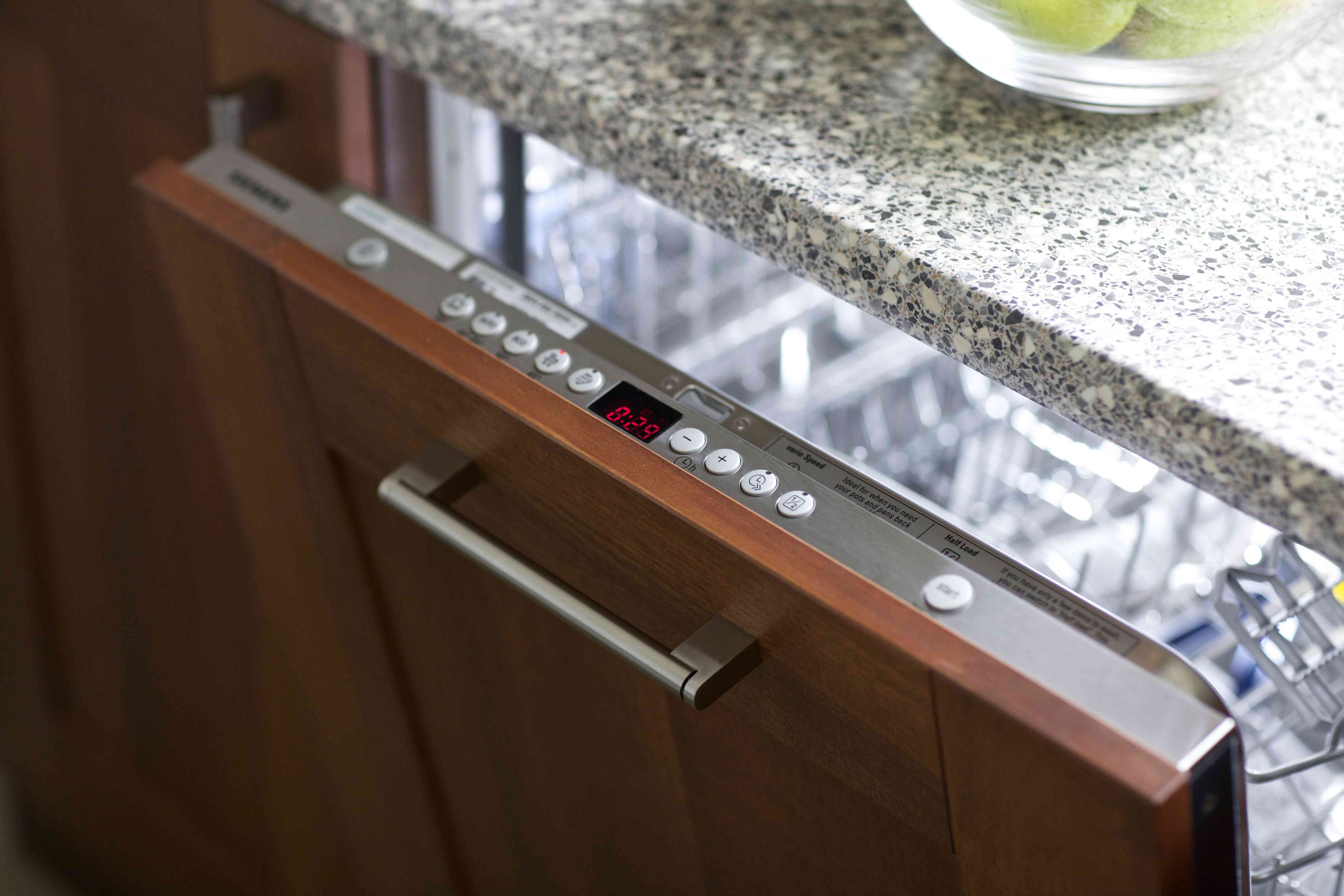
Opening your dishwasher should not feel like opening a mystery box from a swamp. Yet there it is: a sour, musty, fishy, rotten-egg, or “wet dog after a buffet” smell floating out of the machine that is supposed to make things clean. The good news? A smelly dishwasher usually does not mean your appliance is doomed. Most odors come from a few common problems: trapped food, greasy buildup, drainage trouble, or moisture-loving gunk hiding in places you rarely inspect.
In other words, your dishwasher is not being dramatic. It is sending a message. Somewhere inside that hard-working box, leftovers, minerals, soap residue, or dirty water have found a cozy little apartment and invited bacteria to move in. This guide breaks down the four most common reasons your dishwasher smells bad, how to fix each one, and how to keep the smell from coming back like an unwanted sequel.
Whether your dishwasher smells like rotten eggs, mildew, old food, or a damp towel that gave up on life, the fix often starts with simple maintenance. Grab a soft brush, a microfiber cloth, white vinegar, baking soda, and a little patience. No hazmat suit required.
Cause #1: Food Debris Is Trapped in the Filter
The dishwasher filter is the number-one suspect in many odor cases. Its job is to catch food particles, bits of labels, seeds, pasta, rice, grease, and other tiny leftovers before they clog the drain or redeposit onto your dishes. That is helpfuluntil the filter becomes a tiny buffet for bacteria.
Modern dishwashers often have removable manual filters at the bottom of the tub, usually under the lower spray arm. If you have never cleaned yours, congratulations: you may have just found the villain. A dirty dishwasher filter can smell sour, rotten, or like yesterday’s dinner decided to ferment.
Signs the Filter Is the Problem
Your filter may be dirty if the dishwasher smells worse after sitting closed, dishes come out with grit or cloudy residue, water drains slowly, or you notice food particles near the bottom of the appliance. Sometimes the smell appears even when the dishwasher looks clean from the outside. That is because the filter is tucked away like a secret basement.
How to Fix It
First, remove the lower rack. Look for the filter assembly at the bottom of the dishwasher. Depending on the model, you may need to twist and lift it out. Always check your owner’s manual if you are unsure, because dishwasher filters love to have brand-specific personalities.
Rinse the filter under warm running water. Use a soft brush, sponge, or old toothbrush to gently remove stuck-on food, grease, and mineral deposits. Avoid wire brushes or harsh scraping tools, which can damage the fine mesh. If the filter is especially grimy, soak it briefly in warm, soapy water before scrubbing.
Before reinstalling the filter, wipe the filter housing and drain area with a damp cloth. Reinstall the filter securely. A loose or improperly seated filter can reduce cleaning performance and allow debris to travel where it should not.
How Often Should You Clean the Dishwasher Filter?
For many households, once a month is a smart starting point. If you cook often, run heavy loads, or load dishes with lots of food residue, clean it more frequently. If your dishwasher is used rarely, the filter can still smell because damp food debris sits too long between cycles. In short: your filter has a nose, and it will complain eventually.
Cause #2: Grease, Soap Scum, and Mineral Buildup Are Coating the Interior
Even when dishes come out looking clean, the inside of the dishwasher may be collecting invisible trouble. Grease, detergent residue, hard-water minerals, and tiny food particles can cling to the walls, racks, spray arms, door edges, and seals. Over time, this buildup can create a stale, musty smell.
This is especially common in homes with hard water. Minerals can leave a chalky film that traps residue. Greasy foods can leave a slick layer that detergent does not always remove completely. And if you usually run short or low-temperature cycles, the machine may not get hot enough to break down buildup effectively.
Signs Buildup Is Causing the Smell
Look for cloudy film on glasses, white or gray residue inside the tub, greasy spots near the door, or a general stale odor that returns a few days after cleaning the filter. The smell may be stronger after a hot cycle because heat releases odors from residue hiding inside the appliance.
How to Fix It with a Deep Cleaning Cycle
Start with an empty dishwasher. Remove visible food pieces from the bottom, clean the filter, and wipe the door edges. Then run a cleaning cycle using a dishwasher cleaner designed for appliance interiors. Many products are made to break down grease, limescale, and odor-causing residue in areas you cannot easily reach, such as hoses, pumps, and spray systems.
If you prefer a simple home method, place a dishwasher-safe cup or bowl filled with distilled white vinegar on the upper rack, then run a hot cycle with the dishwasher empty. Vinegar can help loosen mineral deposits and light grime. After that, sprinkle a small amount of baking soda across the bottom of the tub and run a short hot cycle to help freshen the interior.
Do not mix vinegar with bleach or other chemical cleaners. Also, avoid using bleach in a dishwasher with stainless-steel parts, because it can damage the finish. Your dishwasher wants to be clean, not chemically confused.
Do Not Forget the Spray Arms
Spray arms can trap food particles in their tiny holes. If water cannot spray properly, dishes do not rinse well, and residue keeps building up. Remove the spray arms if your model allows it, rinse them under warm water, and use a toothpick or soft brush to clear clogged holes. Reinstall them carefully and make sure they spin freely.
A dishwasher that smells bad and cleans poorly often has more than one issue. A dirty filter, clogged spray arm, and greasy tub can team up like a tiny kitchen crime syndicate. Cleaning all three gives you a much better chance of eliminating odor for good.
Cause #3: Drainage Problems Are Letting Dirty Water Sit or Flow Back
If your dishwasher smells like sewage, rotten eggs, or dirty dishwater, the issue may be drainage. Dishwashers are designed to pump dirty water out after each cycle. If water remains in the bottom or flows backward from the sink drain, odors can build quickly.
A small amount of water under the filter area can be normal in some models because it helps keep seals from drying out and blocks sewer gases. But standing water above the filter, dirty water collecting between cycles, or a sewage-like smell usually means something needs attention.
Common Drainage Issues
Food debris may clog the drain area. The drain hose may be kinked, pinched, or installed incorrectly. The garbage disposal may be full of food waste. The sink air gap, if your kitchen has one, may be clogged. In some installations, a missing or poorly positioned high loop in the drain hose can allow dirty sink water to flow back into the dishwasher.
This is why the smell may seem to return even after you clean the interior. You are freshening the dishwasher, but the drain system keeps sending odor right back in. Very rude.
How to Fix Drain Odors
Start with the easy steps. Clean the filter and wipe the drain area at the bottom of the dishwasher. Remove any visible debris, such as labels, glass fragments, seeds, or bits of food. If your dishwasher drains through a garbage disposal, run the disposal with cold water before starting the dishwasher. A disposal packed with food can make the dishwasher smell bad because both appliances often share part of the drain path.
Next, check under the sink. Look at the dishwasher drain hose. It should not be crushed, sharply bent, or sagging in a way that traps dirty water. Many installations require either an air gap or a high loop, depending on local code and the dishwasher instructions. A high loop raises the drain hose before it connects to the sink drain or disposal, helping prevent backflow.
If you see standing water in the dishwasher after cycles, hear gurgling, or smell sewage, it may be time to call a qualified appliance technician or plumber. Drain problems can involve clogs, pump issues, installation mistakes, or plumbing conditions that are not worth guessing about.
When the Smell Means “Stop and Investigate”
A mild food odor usually calls for cleaning. A strong sewer smell, repeated standing water, or water backing into the appliance calls for more caution. Do not ignore those signs. Drainage issues can affect cleaning performance, create odors, and potentially lead to leaks or water damage.
Cause #4: Mold, Mildew, and Moisture Are Hiding Around the Door Gasket
Your dishwasher is warm, damp, and often closed for hours. That is great for washing plates, but it can also create a cozy environment for mildew if moisture lingers. The door gasket, detergent dispenser area, lower door lip, and edges around the tub can collect grime that normal wash cycles do not fully rinse away.
This type of odor is usually musty rather than rotten. It may smell like a damp towel, basement, or old sponge. If the dishwasher smells worse when you open the door after it has been closed overnight, moisture and mildew may be part of the problem.
How to Clean the Gasket and Door Edges
Use a damp microfiber cloth with warm, soapy water to wipe the rubber gasket around the door. Gently pull back folds in the gasket where grime can hide. Wipe the sides of the door, the bottom edge, the detergent cup area, and the spot where the door meets the tub. These areas often escape the main spray pattern.
For stubborn buildup, use a soft toothbrush. Avoid sharp tools, abrasive pads, or harsh chemicals that may damage the seal. If the gasket is cracked, loose, or moldy beyond cleaning, it may need replacement.
Let the Dishwasher Dry
After a cycle, leave the door slightly open for a while so moisture can escape. This simple habit can make a big difference, especially if your dishwasher does not have a strong drying feature or if you often wash plastic containers that hold water droplets like tiny swimming pools.
Also, run the dishwasher regularly. Letting dirty dishes sit inside for several days is basically asking for odor. If you cannot run a full load right away, use a rinse cycle if your model has one, or at least scrape dishes well before loading.
Quick Odor Diagnosis: What Does the Smell Mean?
Rotten Food Smell
Most likely cause: dirty filter, food in the drain area, or debris trapped in spray arms. Start by cleaning the filter and bottom of the tub.
Musty or Moldy Smell
Most likely cause: moisture, mildew, dirty gasket, or residue along the door edges. Wipe seals and leave the door cracked after cycles.
Rotten Egg or Sewage Smell
Most likely cause: drainage issue, backflow, clogged air gap, dirty disposal, or drain hose problem. Inspect the sink connection and call a pro if the smell persists.
Burning Plastic Smell
Most likely cause: a plastic item, lid, utensil, or label may have fallen onto the heating element. Turn the dishwasher off, let it cool, and inspect carefully. If you see melted plastic or smell electrical burning, stop using the appliance until it is checked.
How to Prevent Dishwasher Smells from Coming Back
Once your dishwasher smells fresh again, maintenance keeps the funk from staging a comeback tour. Scrape plates before loading, but do not obsessively pre-wash everything unless your manual recommends it. Dishwashers and detergents need some soil to work properly, but large chunks of food belong in the trash or compost, not in the filter.
Clean the filter regularly. Wipe the gasket weekly or every couple of weeks. Run a dishwasher cleaning cycle monthly, especially if you have hard water or cook greasy foods often. Check spray arms for clogs when cleaning performance drops. Use the right amount of detergent, because too much can leave residue, while too little may fail to remove grease.
Run hot water at the kitchen sink for a few seconds before starting the dishwasher. This helps the first fill begin with hot water instead of lukewarm water sitting in the pipe. Hot water improves cleaning and helps dissolve grease more effectively.
Finally, do not treat your dishwasher like a sealed storage locker for dirty dishes. If dishes sit for days, odors will develop. Even the best dishwasher cannot make old tuna casserole smell like a spring meadow while waiting patiently in a closed metal cave.
Real-Life Experience: What Usually Works Best in a Smelly Dishwasher
In many homes, the first breakthrough comes when someone finally discovers the filter. It is often hidden under the lower rack, quietly collecting evidence from every lasagna night, cereal bowl, and “I’ll just put this plate in without scraping it” moment. The first cleaning can be unpleasant, but it is also oddly satisfying. Once the filter is rinsed and scrubbed, the dishwasher often smells dramatically better after just one hot cycle.
One common experience is the “clean but still stinky” dishwasher. The racks look fine. The tub looks fine. The dishes are mostly clean. But when the door opens, there is still a stale smell. In that case, the culprit is usually not one giant mess but several small ones: a little grease on the door lip, some residue in the filter housing, a few clogged spray-arm holes, and moisture trapped around the gasket. Cleaning only one area helps, but cleaning the entire odor system helps much more.
Another familiar story involves the garbage disposal. A homeowner deep-cleans the dishwasher three times, uses vinegar, wipes the gasket, and still smells something foul. Then they run the disposal, clear the sink drain area, and the odor suddenly improves. This happens because the dishwasher and disposal often share drainage space. If the disposal smells bad or is clogged with food, the dishwasher may get blamed for a problem that started next door.
Hard water also teaches a lesson. In areas with mineral-heavy water, dishwashers may develop a cloudy film faster. That film can trap grease and odors. A monthly cleaner or vinegar cycle can help, but the real key is consistency. Waiting until the dishwasher smells like a science fair project makes the job harder. A light monthly cleaning is easier than a heroic rescue mission every six months.
People who cook often may need a different routine than people who mostly wash coffee mugs and cereal bowls. If your household eats eggs, cheese, fish, rice, pasta, sauces, or roasted vegetables often, your filter may collect residue faster. If you bake casseroles or use oily marinades, grease may build up around the tub and door. Your dishwasher maintenance schedule should match your kitchen habits.
The best long-term experience is simple: clean the filter, wipe the gasket, keep the drain path clear, and let the machine dry. Once those habits become routine, dishwasher odor usually stops being a recurring drama. The dishwasher goes back to doing its job quietly, and you can open the door without bracing yourself like you are about to meet a kitchen ghost.
Conclusion
A bad dishwasher smell is annoying, but it is usually fixable. The four biggest causes are trapped food in the filter, greasy or mineral buildup inside the tub, drainage or backflow problems, and mildew around damp seals. Start with the filter, because it is the most common and easiest fix. Then clean the interior, inspect the drain area, wipe the gasket, and improve drying habits.
If the odor is mild, routine cleaning should solve it. If the smell is sewage-like, keeps returning quickly, or comes with standing water, bring in a professional to check the drain hose, pump, disposal connection, or plumbing. Your dishwasher should smell neutral, clean, and maybe faintly like detergentnot like it is hiding leftovers from a forgotten picnic.
With a little regular maintenance, you can keep your dishwasher fresh, your dishes cleaner, and your nose out of emergency mode. That is a small household win, but honestly, small household wins are what keep civilization moving.











