
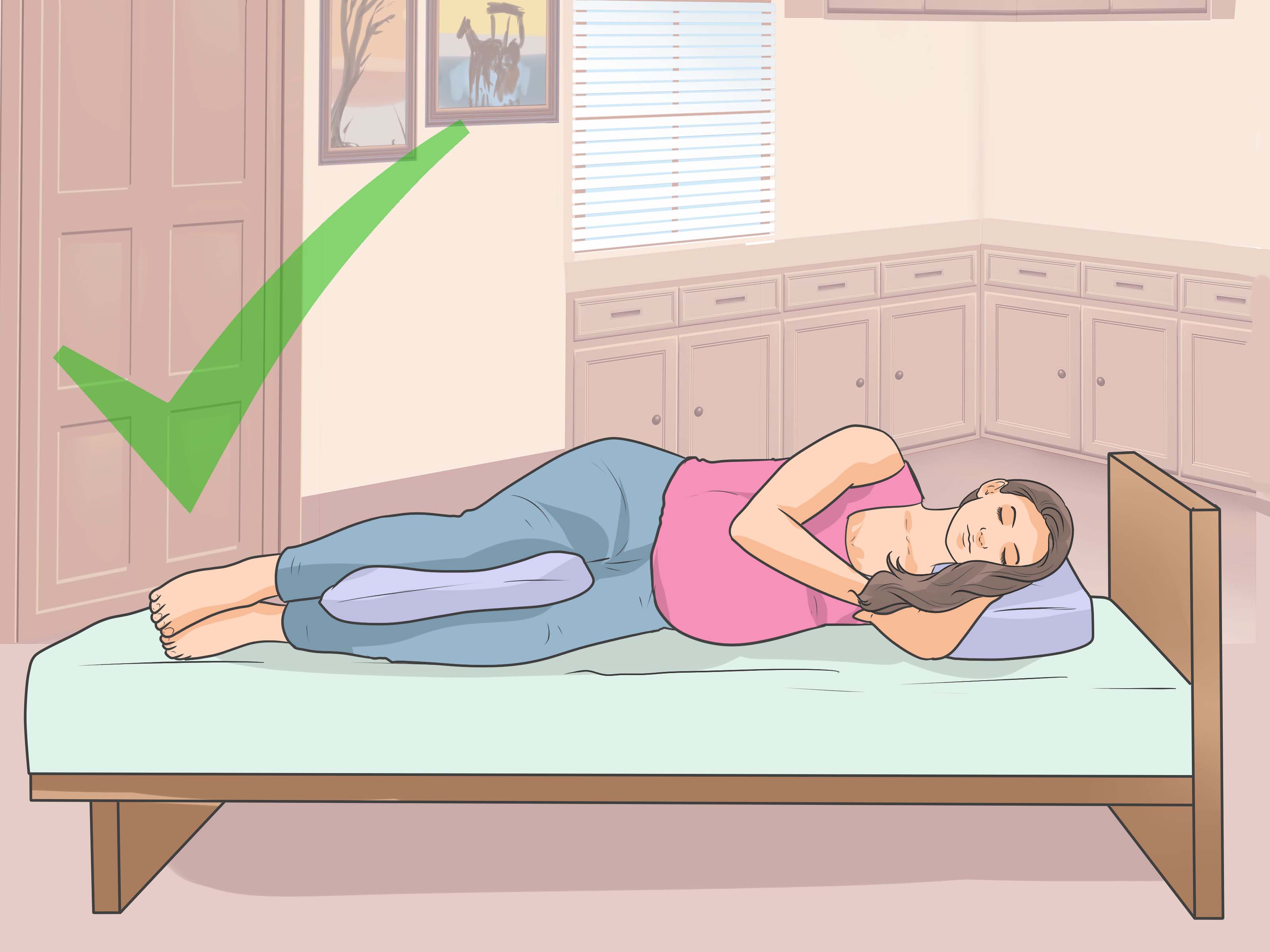
Note: This article is for general education and web publishing. Pregnancy symptoms can feel surprisingly dramatic, so always ask your OB-GYN, midwife, or healthcare provider before taking medication or if burping comes with severe pain, vomiting, chest discomfort, bleeding, fever, dehydration, or any symptom that feels unusual for you.
Why Burping Happens So Much During Pregnancy
Burping during pregnancy can feel like your body has installed a tiny trumpet section under your ribs. One minute you are enjoying a sandwich; the next, your digestive system is announcing halftime. The good news is that pregnancy burping is usually common, harmless, and manageable. The not-so-glamorous news is that it can be stubborn, especially during the second and third trimesters.
The main keyword here is simple: how to stop burping during pregnancy. But the real answer is not one magic tea, one yoga pose, or one heroic decision to never eat beans again. Burping in pregnancy often comes from a mix of hormonal changes, slower digestion, acid reflux, constipation, swallowed air, and pressure from the growing uterus. In other words, your digestive tract is doing its best while a baby is slowly rearranging the furniture.
During pregnancy, progesterone helps relax muscles throughout the body. That is useful for supporting pregnancy, but it can also slow the movement of food through the digestive tract. Slower digestion gives gas more time to build up. Later in pregnancy, the growing uterus can press on the stomach and intestines, making fullness, bloating, heartburn, and burping more noticeable. If you already had reflux, indigestion, or a sensitive stomach before pregnancy, the burping parade may arrive even earlier.
Is Burping During Pregnancy Normal?
Most of the time, yes. Frequent burping during pregnancy is usually a normal digestive symptom, especially when it happens after meals, after drinking carbonated beverages, when you eat too quickly, or when heartburn is also present. Many pregnant people also experience bloating, constipation, nausea, and that “I ate three bites and somehow feel Thanksgiving-full” sensation.
However, “common” does not mean “ignore everything.” Call your healthcare provider if burping is accompanied by severe or persistent abdominal pain, repeated vomiting, inability to keep fluids down, black or bloody stools, fever, chest pain, shortness of breath, sudden swelling, severe headache, or decreased fetal movement later in pregnancy. Burping alone is usually not dangerous, but burping plus major warning signs deserves medical attention.
How to Stop Burping During Pregnancy: Practical Tips That Actually Help
You may not be able to stop every burp during pregnancy, but you can often reduce the frequency, pressure, and awkward timing. The goal is to prevent excess air from entering, help digestion move smoothly, and reduce reflux triggers.
1. Eat Smaller, More Frequent Meals
Large meals stretch the stomach and increase pressure, which can push air and acid upward. Instead of three big meals, try five or six smaller meals throughout the day. Think “steady fuel” rather than “food mountain.”
For example, instead of a huge lunch with pasta, salad, fruit, and a giant drink, try a smaller bowl of pasta, then fruit or yogurt later. This approach may reduce burping, bloating, and heartburn because your stomach does not have to host a full dinner party every time you eat.
2. Slow Down While Eating
Eating quickly is one of the easiest ways to swallow extra air. That extra air has to escape somehow, and pregnancy already gives it an enthusiastic exit strategy. Put your fork down between bites, chew well, and give meals a little breathing room.
A simple trick: try making each meal last at least 15 to 20 minutes. You do not need to eat like royalty in a period drama, but you should avoid inhaling lunch like you are late for a train.
3. Skip Carbonated Drinks
Soda, sparkling water, fizzy energy drinks, and bubbly mocktails can increase burping because they add gas directly into the stomach. If burping is bothering you, switch to still water, warm water, diluted juice, or pregnancy-safe herbal options approved by your provider.
If plain water feels boring, add slices of cucumber, lemon, berries, or mint if those do not trigger reflux for you. Keep in mind that citrus can worsen heartburn in some people, so your “refreshing lemon water” may be either a hero or a tiny villain.
4. Drink More Between Meals, Less During Meals
Staying hydrated is important during pregnancy, but chugging a large glass of water with meals can increase stomach fullness. Try sipping modestly during meals and drinking more between meals. This can be especially helpful if you feel bloated or burp repeatedly after eating.
Do not restrict fluids unless your clinician tells you to. The goal is timing, not dehydration. Your body is building a baby, not auditioning for a desert survival documentary.
5. Avoid Gum, Hard Candy, and Straws
Chewing gum, sucking on hard candy, and drinking through a straw can make you swallow more air. Sugar-free gum and candies may also contain sweeteners that cause gas in some people. If you are dealing with constant pregnancy burping, try cutting these out for a week and watch for changes.
6. Identify Your Personal Trigger Foods
Common burping and heartburn triggers include fried foods, greasy meals, spicy dishes, chocolate, peppermint, onions, garlic, tomato sauce, citrus, coffee, and carbonated drinks. But pregnancy digestion is personal. One person’s harmless bowl of chili is another person’s all-night burp concert.
Keep a simple food-and-symptom note for a few days. Write down what you ate, when burping started, and whether you had heartburn, nausea, or bloating. Patterns often appear quickly. You may discover that the culprit is not “all food,” but one specific snack, drink, or late-night habit.
7. Stay Upright After Eating
Lying down after meals makes it easier for stomach contents and air to move upward. Try staying upright for at least two to three hours after a larger meal. A gentle walk, light tidying, or sitting with good posture can help digestion feel less trapped.
If nighttime burping and heartburn are the problem, avoid eating close to bedtime. A small snack may be fine if nausea hits, but a heavy meal right before lying down is often a recipe for reflux with a side of regret.
8. Try a Short Walk After Meals
Gentle movement can help gas move through the digestive tract. A 10- to 15-minute walk after meals may reduce bloating and burping for many pregnant people. If your pregnancy is uncomplicated, regular moderate activity is often encouraged, but always follow your provider’s advice, especially if you have restrictions.
You do not need to power-walk like you are chasing a sale at a baby store. A comfortable stroll is enough. The goal is movement, not athletic glory.
9. Manage Constipation
Constipation and gas are close friends, unfortunately. When stool moves slowly, gas can build up and make burping, bloating, and abdominal pressure worse. Pregnancy hormones, iron in prenatal vitamins, lower activity, and diet changes can all contribute.
To support regular bowel movements, increase fiber gradually with foods such as oats, berries, pears, vegetables, beans, lentils, chia seeds, and whole grains. Drink enough fluids and move your body if your provider says exercise is safe. Add fiber slowly because suddenly eating a mountain of bran cereal can create more gas before it helps. Your intestines appreciate a polite introduction.
10. Wear Comfortable Clothing
Tight waistbands, compression around the belly, and snug maternity pants can increase abdominal pressure. Choose comfortable clothing that gives your stomach room, especially after meals. This is not laziness; this is digestive strategy with elastic.
11. Improve Your Eating Posture
Slouching while eating can compress the stomach and encourage reflux or trapped gas. Sit upright during meals, keep shoulders relaxed, and avoid curling around your plate. If you work at a desk, step away for meals when possible. Eating hunched over a laptop while answering emails is not exactly a spa day for your digestive system.
12. Ask About Safe Pregnancy Medications
If burping is linked to heartburn or acid reflux, lifestyle changes may not be enough. Some antacids, acid reducers, or gas-relief products may be appropriate during pregnancy, but medication choices should be approved by your healthcare provider.
Many providers commonly discuss options such as calcium carbonate antacids, certain H2 blockers, or other reflux medicines when symptoms are persistent. However, avoid self-treating with products that contain aspirin, bismuth subsalicylate, or sodium bicarbonate unless your clinician specifically says otherwise. Pregnancy medication safety depends on your trimester, health history, dose, and other medicines you take.
Foods That May Help Reduce Burping During Pregnancy
No food works for everyone, but gentle, balanced meals often help. Try easy-to-digest options such as oatmeal, bananas, rice, applesauce, toast, yogurt if tolerated, eggs, lean poultry, cooked vegetables, soups, smoothies without carbonation, and whole-grain crackers. Protein at each meal can also help stabilize hunger and prevent the “I waited too long and now I must eat everything immediately” cycle.
If dairy causes gas, try lactose-free milk or ask your provider about calcium-rich alternatives. If beans and cruciferous vegetables like broccoli or cabbage cause bloating, do not banish them forever. Try smaller portions, cook them well, and increase them slowly. They are nutritious foods; they just sometimes enter the digestive system with a marching band.
Foods and Habits That Can Make Burping Worse
To reduce pregnancy burping, limit or avoid habits that increase swallowed air or reflux. These include eating too fast, talking a lot while chewing, drinking fizzy beverages, chewing gum, smoking, eating large meals, lying down after eating, and wearing tight clothing around the belly.
Food triggers vary, but common offenders include fried foods, greasy meals, spicy sauces, chocolate, tomato-based dishes, citrus fruits, coffee, and onions. Instead of removing everything at once, test one change at a time. A careful approach prevents unnecessary restriction and helps you keep a varied pregnancy diet.
Simple Daily Routine to Reduce Pregnancy Burping
Morning
Start with a small breakfast instead of waiting until you are extremely hungry. Try oatmeal with banana, toast with egg, or yogurt with berries if tolerated. Sip water slowly. If nausea is present, keep crackers nearby and avoid rushing out the door with an empty stomach.
Midday
Eat a moderate lunch and take a short walk afterward. Choose still water instead of soda. If you notice burping after raw vegetables, switch to cooked vegetables for a few days and compare symptoms.
Evening
Keep dinner lighter than lunch if nighttime burping is a problem. Avoid heavy, spicy, fried, or acidic meals close to bed. Stay upright after dinner, wear comfortable clothes, and elevate your upper body slightly if reflux tends to wake you up.
When Burping Is Really Heartburn in Disguise
Sometimes frequent burping during pregnancy is not just gas; it is part of acid reflux. Heartburn may feel like burning behind the breastbone, sour fluid in the throat, a bitter taste, nausea, coughing after meals, or burping that gets worse when you lie down.
If this sounds familiar, focus on reflux-friendly habits: smaller meals, avoiding late-night eating, limiting trigger foods, staying upright after meals, and asking your provider about safe treatment options. Untreated reflux can make eating unpleasant and sleep difficult, and pregnancy already steals enough sleep without inviting stomach acid to the party.
Can Burping Hurt the Baby?
Ordinary burping does not harm the baby. Gas in your digestive tract is uncomfortable for you, but it is not bouncing around the uterus poking the baby like a balloon animal. Your baby is protected inside the uterus, while your burping is happening in your digestive system.
The concern is not the burp itself. The concern is whether burping is connected to something more serious, such as severe dehydration from vomiting, intense abdominal pain, or symptoms that suggest a medical problem. When in doubt, call your provider. You are not being dramatic; you are being appropriately cautious.
Experiences Related to How to Stop Burping During Pregnancy
Many pregnant people discover that reducing burping is less about one dramatic change and more about tiny daily adjustments. One common experience is the “healthy lunch surprise.” A person may eat a big salad with beans, broccoli, onions, sparkling water, and citrus dressing, then wonder why their stomach feels like a science fair volcano. The meal is nutritious, but the combination may be too gassy during pregnancy. A gentler version might be cooked vegetables, a smaller portion of beans, still water, and a less acidic dressing. Same intention, calmer stomach.
Another common experience is the “late dinner problem.” Someone may feel fine all day, then eat a large dinner at 9 p.m., lie down at 10 p.m., and spend the night burping with heartburn. Moving the bigger meal earlier, choosing a lighter dinner, and staying upright afterward can make a noticeable difference. It is not glamorous, but neither is waking up at midnight tasting tomato sauce from three hours ago.
Some pregnant people also notice that their burping improves when they stop multitasking during meals. Eating while driving, working, scrolling, or rushing can lead to bigger bites and more swallowed air. Sitting down, chewing slowly, and taking pauses may sound too simple, but digestion loves boring consistency. Your stomach is not impressed by productivity culture.
Constipation is another sneaky part of the story. A person may focus only on stomach gas while the real issue is slow bowel movement. When they gradually increase fiber, drink more water, and walk regularly, the burping may ease because the whole digestive system is moving better. The keyword is gradually. Jumping from low fiber to “I now live inside a bag of lentils” can backfire.
Finally, many people learn that pregnancy burping changes week by week. A food that was fine in the first trimester may become a trigger in the third. A breakfast that worked yesterday may not work today. This does not mean you are failing. It means pregnancy digestion is a moving target wearing stretchy pants. Keep notes, stay flexible, and ask for medical advice when symptoms are persistent or uncomfortable. The best plan is practical, gentle, and realistic enough to follow even when you are tired, hungry, and wondering why the baby app compared your child to a mango.
Conclusion
Learning how to stop burping during pregnancy starts with understanding why it happens. Hormonal changes slow digestion, the growing uterus adds pressure, and everyday habits like eating quickly, drinking carbonated beverages, or lying down after meals can make burping worse. While you may not eliminate every burp, you can often reduce symptoms with smaller meals, slower eating, still drinks, gentle movement, constipation prevention, comfortable clothing, and smart reflux management.
The most effective approach is personal. Track your triggers, adjust one habit at a time, and protect your nutrition instead of cutting out every food that looks suspicious. If burping is frequent, painful, connected to severe heartburn, or paired with warning signs, contact your healthcare provider. Pregnancy may come with strange sound effects, but you do not have to suffer through digestive discomfort without help.













