
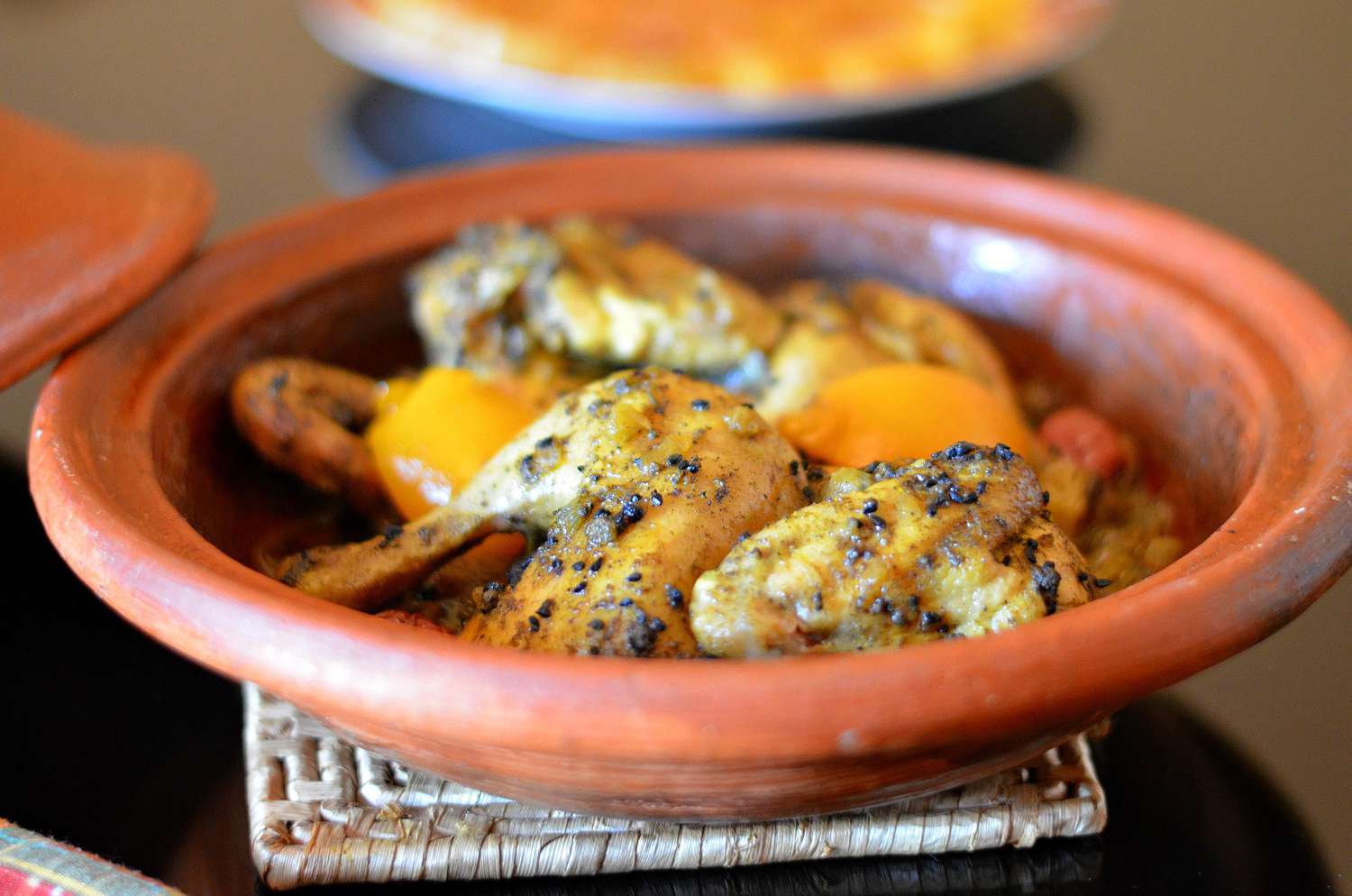
A great Moroccan chicken tagine recipe is the kind of dinner that makes your kitchen smell like it has booked a one-way ticket to Marrakech. It is warm, fragrant, citrusy, briny, lightly sweet, and deeply savory all at once. In other words, it has more personality than most weeknight casseroles and does not require you to own a passport, a chef’s coat, or a clay pot shaped like a tiny volcano.
Traditionally, a tagine is both the name of the slow-cooked North African dish and the conical cooking vessel used to make it. The lid traps steam, returns moisture to the food, and helps create tender chicken with a rich, concentrated sauce. But here is the excellent news: you can make a wonderful Moroccan chicken tagine in a Dutch oven, deep skillet, or heavy pot with a tight-fitting lid. The goal is not kitchen perfection. The goal is juicy chicken, golden spices, preserved lemon, olives, and a sauce you will want to chase around the plate with bread.
This version uses bone-in chicken thighs for flavor, onions for sweetness, garlic for backbone, warming spices for depth, preserved lemon for brightness, and green olives for a salty finish. It is cozy enough for Sunday dinner, impressive enough for guests, and practical enough for a weeknight if you prep the spices ahead. Let’s make a dish that tastes like it simmered all day, even though it politely did not.
What Is Moroccan Chicken Tagine?
Moroccan chicken tagine is a slow-simmered chicken stew flavored with spices, herbs, preserved lemon, and olives. Depending on the household or region, it may include saffron, ginger, turmeric, cinnamon, cumin, coriander, parsley, cilantro, onions, garlic, dried fruit, potatoes, carrots, or chickpeas. The most classic version many American home cooks recognize is chicken with preserved lemons and olives.
The beauty of chicken tagine is balance. The chicken becomes tender and savory. The onions melt into the sauce. The spices bring warmth without turning the dish into a fire-breathing dragon. Preserved lemon adds a salty, citrusy punch, while olives keep everything lively and bright. A good tagine tastes layered, not loud.
Why This Moroccan Chicken Tagine Recipe Works
Bone-in chicken adds flavor
Bone-in chicken thighs are ideal for tagine because they stay juicy during braising. Chicken breasts can work, but they are more likely to dry out if cooked too long. Thighs are forgiving, flavorful, and basically the friend who says, “Relax, I’ve got dinner.”
Preserved lemon brings authentic brightness
Preserved lemons are lemons cured in salt and lemon juice until the peel becomes soft, savory, and deeply aromatic. They taste more complex than fresh lemon juice: salty, tangy, floral, and almost buttery once cooked into a sauce. If you are new to them, start with a small amount, rinse off excess brine, and add more at the end if you want a brighter finish.
Low, slow cooking creates a silky sauce
Tagine cooking is about gentle heat. Instead of drowning the chicken in liquid, the pot uses steam, onion juices, and a small amount of broth to create a concentrated sauce. Too much liquid turns the dish into soup. A little patience turns it into dinner magic.
Ingredients for Moroccan Chicken Tagine
Main ingredients
- 2 1/2 to 3 pounds bone-in, skin-on or skinless chicken thighs
- 2 tablespoons olive oil
- 2 large yellow onions, thinly sliced
- 4 garlic cloves, minced or mashed
- 1 cup low-sodium chicken broth
- 1 preserved lemon, rinsed, seeds removed, peel sliced thin
- 3/4 cup green olives, pitted
- 2 tablespoons fresh lemon juice, plus more to taste
- 1/4 cup chopped fresh cilantro
- 1/4 cup chopped fresh parsley
- Salt and black pepper, to taste
Moroccan spice blend
- 1 1/2 teaspoons ground ginger
- 1 teaspoon ground cumin
- 1 teaspoon paprika
- 3/4 teaspoon turmeric
- 1/2 teaspoon ground cinnamon
- 1/2 teaspoon ground coriander
- 1/4 teaspoon cayenne pepper, optional
- Small pinch of saffron threads, optional
Optional additions
- 1/2 cup dried apricots or golden raisins for gentle sweetness
- 1 cup cooked chickpeas for a heartier stew
- Carrot wedges or small potatoes for a fuller one-pot meal
- 1 teaspoon ras el hanout instead of part of the spice blend
How to Make Moroccan Chicken Tagine
Step 1: Season the chicken
Pat the chicken dry with paper towels. In a small bowl, combine ginger, cumin, paprika, turmeric, cinnamon, coriander, cayenne, saffron if using, 1 teaspoon salt, and 1/2 teaspoon black pepper. Rub the spice mixture over the chicken pieces. If you have time, cover and refrigerate for at least 30 minutes or up to overnight. If dinner is already giving you the side-eye, season it and move on. The dish will still be delicious.
Step 2: Brown the chicken
Heat olive oil in a tagine, Dutch oven, or heavy deep skillet over medium heat. Add the chicken skin-side down if using skin-on pieces. Brown for 4 to 5 minutes per side, then transfer the chicken to a plate. The chicken does not need to be cooked through yet. Browning builds flavor, and flavor is the whole point of this little kitchen adventure.
Step 3: Cook the onions and garlic
Add the sliced onions to the same pot. Cook for 8 to 10 minutes, stirring often, until softened and lightly golden. Add garlic and cook for 30 seconds, just until fragrant. Do not let the garlic burn unless your dinner theme is “sadness with cumin.”
Step 4: Simmer gently
Return the chicken to the pot, nestling it into the onions. Pour in the chicken broth and any juices from the plate. Cover, reduce the heat to low, and simmer for 35 to 45 minutes, or until the chicken is tender and reaches an internal temperature of 165°F when checked with a food thermometer.
Step 5: Add preserved lemon and olives
Stir in the preserved lemon peel, olives, and fresh lemon juice. Simmer uncovered for 8 to 10 minutes to reduce and concentrate the sauce. Taste before adding extra salt because preserved lemons and olives can be salty. Finish with cilantro and parsley.
Step 6: Serve warm
Serve Moroccan chicken tagine over couscous, rice, quinoa, or mashed potatoes, or keep it traditional with warm bread for scooping up the sauce. Add a final sprinkle of herbs and a few thin strips of preserved lemon on top for color and aroma.
Recipe Card: Moroccan Chicken Tagine
Prep time
20 minutes, plus optional marinating time
Cook time
55 minutes
Total time
1 hour 15 minutes
Servings
4 to 6 servings
Ingredients
- 2 1/2 to 3 pounds bone-in chicken thighs
- 2 tablespoons olive oil
- 2 large yellow onions, thinly sliced
- 4 garlic cloves, minced
- 1 cup low-sodium chicken broth
- 1 preserved lemon, rinsed and sliced
- 3/4 cup pitted green olives
- 2 tablespoons fresh lemon juice
- 1/4 cup chopped cilantro
- 1/4 cup chopped parsley
- 1 1/2 teaspoons ground ginger
- 1 teaspoon ground cumin
- 1 teaspoon paprika
- 3/4 teaspoon turmeric
- 1/2 teaspoon cinnamon
- 1/2 teaspoon coriander
- Salt and black pepper, to taste
Instructions
- Pat chicken dry and season with ginger, cumin, paprika, turmeric, cinnamon, coriander, salt, and pepper.
- Heat olive oil in a Dutch oven or tagine over medium heat. Brown chicken on both sides, then remove to a plate.
- Add onions and cook until soft and lightly golden. Stir in garlic and cook briefly.
- Return chicken to the pot. Add broth, cover, and simmer gently for 35 to 45 minutes.
- Add preserved lemon, olives, and lemon juice. Simmer uncovered for 8 to 10 minutes.
- Check that the chicken reaches 165°F. Garnish with cilantro and parsley, then serve warm.
Best Tips for Tender Chicken Tagine
Use moderate heat
Tagine is not a race. Keep the heat low after the initial browning stage. A gentle simmer helps the chicken stay tender and gives the spices time to bloom into the sauce. If your pot is sputtering like a nervous espresso machine, turn the heat down.
Do not add too much liquid
A Moroccan chicken tagine should have a glossy, spoonable sauce, not a watery broth. Start with one cup of chicken broth. The onions and chicken will release liquid as they cook. If the sauce looks thin near the end, simmer uncovered until it thickens.
Rinse preserved lemons before using
Preserved lemons are packed in salt, so rinsing helps control the seasoning. Many cooks use mostly the peel because it has the best texture and flavor, but a little pulp can be added if you enjoy a sharper, saltier sauce.
Finish with fresh herbs
Cilantro and parsley wake up the dish at the end. Add them after cooking so they stay green and fresh. Think of herbs as the confetti. Dinner deserves confetti.
What to Serve with Moroccan Chicken Tagine
Couscous is the classic partner because it soaks up sauce beautifully and cooks in minutes. Fluffy rice is another easy choice, especially if you want a gluten-free base. Warm flatbread, pita, or crusty bread also works well because this is a sauce worth swiping clean from the bowl. For vegetables, serve roasted carrots, cucumber salad, sautéed greens, or a simple tomato and herb salad.
If you want a full Moroccan-inspired dinner, start with olives, dates, almonds, and a crisp salad. Finish with mint tea or sliced oranges sprinkled with cinnamon. It feels elegant, but it does not require fussy plating. Moroccan chicken tagine is naturally beautiful: golden chicken, green olives, yellow lemon peel, and herbs doing their best impression of a restaurant garnish.
Substitutions and Variations
No preserved lemon?
Use fresh lemon zest plus a small splash of lemon juice and a pinch of salt. The flavor will not be identical, but it will still bring brightness. You can also buy preserved lemons at many grocery stores, specialty markets, or online.
Want a sweeter tagine?
Add dried apricots, golden raisins, prunes, or dates during the final 20 minutes of cooking. This creates a sweet-savory flavor that pairs beautifully with cinnamon and ginger.
Want more vegetables?
Add carrots, potatoes, zucchini, or chickpeas. Put firm vegetables like carrots and potatoes in early so they have time to soften. Add zucchini later so it does not collapse into mush with ambition issues.
Prefer boneless chicken?
Boneless thighs work well and cook faster. Begin checking for doneness after 25 to 30 minutes of simmering. Boneless chicken breasts can be used, but they need a gentler hand and shorter cooking time.
How to Store and Reheat Chicken Tagine
Let leftovers cool, then store them in an airtight container in the refrigerator for up to 3 to 4 days. The flavor often improves overnight as the spices settle into the sauce. Reheat gently on the stovetop over low heat with a splash of broth or water if the sauce has thickened too much.
You can also freeze Moroccan chicken tagine for up to 2 months. For best texture, freeze the chicken and sauce without couscous. Thaw overnight in the refrigerator and reheat slowly. Add fresh herbs after reheating to bring back that just-cooked brightness.
Common Mistakes to Avoid
Using too much salt too early
Preserved lemons and olives are already salty. Season the chicken lightly at the beginning, then adjust the sauce at the end. It is easier to add salt than to remove it, unless you own a tiny culinary magic wand, in which case please share.
Skipping the browning step
Browning adds color and depth. The dish will still cook without it, but the finished flavor may taste flatter. A few extra minutes at the start make a big difference.
Boiling instead of simmering
A hard boil can toughen the chicken and make the sauce cloudy. Keep the heat low and steady. Tagine rewards patience with tenderness.
Experience Notes: What It Is Like to Make Moroccan Chicken Tagine at Home
The first thing you notice when making Moroccan chicken tagine is the aroma. It starts quietly with onions softening in olive oil. Then garlic joins in, and suddenly the kitchen becomes a much more interesting place to stand. Once the spices hit the warm pot, the entire room changes. Ginger, cumin, turmeric, cinnamon, and paprika create a scent that is warm but not heavy, exotic but still comforting. It is the kind of smell that makes people wander into the kitchen and ask, “What are you making?” even if they were absolutely not planning to help.
The second experience is learning to trust the low simmer. Many home cooks are tempted to add more broth because the pot may look too dry at first. Resist that urge. The onions release moisture, the chicken gives off juices, and the covered pot creates steam. After 30 minutes, the sauce begins to look richer and more confident. By the time the preserved lemon and olives go in, everything smells bright, savory, and complete.
Preserved lemon is often the surprise ingredient. If you taste it straight from the jar, you may wonder whether it belongs in dinner or in a very intense dare. But cooked into the tagine, it softens and blends with the sauce. The peel becomes tender, the saltiness mellows, and the citrus flavor lifts the chicken beautifully. It is not the same as squeezing lemon juice over the dish. It is deeper, rounder, and more memorable.
Another practical lesson: Moroccan chicken tagine is excellent for entertaining because it does not need last-minute drama. You can cook it before guests arrive, keep it warm, and garnish it right before serving. It looks generous and colorful in a wide serving dish, especially with couscous underneath. The sauce seeps into the grains, the olives shine, and the herbs make everything look fresh. It gives “I cooked all afternoon” energy without demanding your entire afternoon.
This recipe is also forgiving. If you have no saffron, skip it. If you only have black olives, use them. If your preserved lemon is especially salty, use half. If you want a little sweetness, add apricots. Once you understand the core formulatender chicken, soft onions, warm spices, citrus, olives, and herbsyou can adjust the dish to your taste. That flexibility is part of why tagine has become such a beloved recipe for home cooks.
The best part may be the leftovers. The next day, the spices taste more settled, the lemon is softer, and the sauce is even more flavorful. Spoon it over rice for lunch, tuck shredded chicken into flatbread with yogurt, or serve it with roasted vegetables. Moroccan chicken tagine is not just a recipe; it is the rare dinner that keeps giving without becoming boring. That alone deserves applause, or at least a second helping.
Conclusion
This Moroccan chicken tagine recipe brings together tender chicken, fragrant spices, preserved lemon, olives, onions, and fresh herbs in one deeply flavorful dish. It is traditional in spirit, practical for American home kitchens, and flexible enough for weeknights or special dinners. You do not need a clay tagine to make it, though using one can add charm and moisture control. A Dutch oven or heavy skillet works beautifully.
For the best results, use bone-in chicken thighs, keep the heat gentle, avoid adding too much liquid, and finish with preserved lemon, olives, cilantro, and parsley. Serve it with couscous, rice, or warm bread, and prepare for the kind of dinner silence that means everyone is too busy eating to talk. Honestly, that may be the highest compliment a recipe can receive.













