
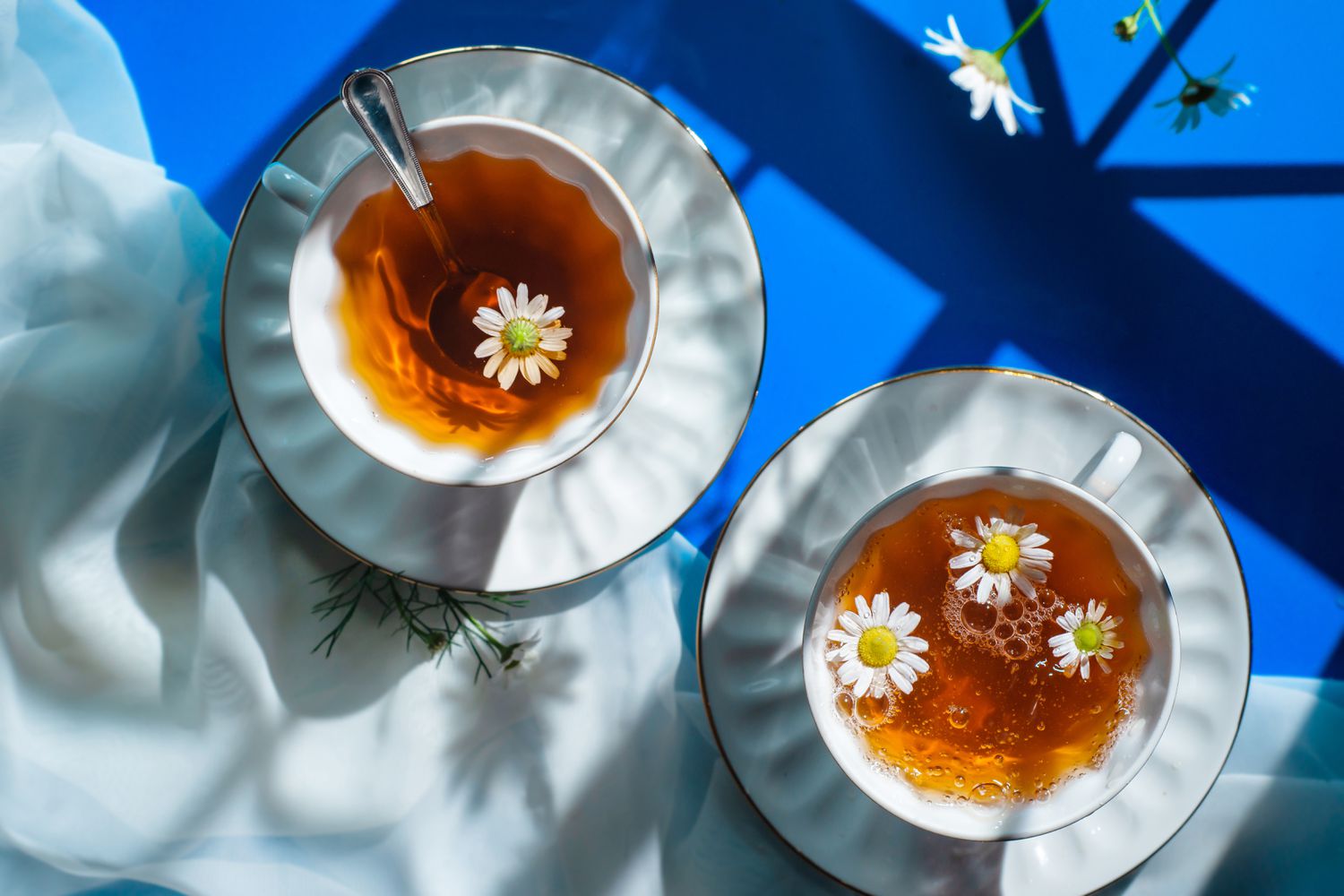
If your brain turns into a late-night podcast host the second your head hits the pillow, you are not alone. Plenty of people don’t struggle with sleep because they lack ambition. They struggle because modern life is loud, bright, caffeinated, and weirdly proud of surviving on four hours of rest and one iced coffee the size of a flower vase.
The good news is that a smart bedtime drink can become part of a calmer evening routine. The less fun but more honest news is this: no drink is a magic potion. A warm mug will not karate-chop chronic insomnia into submission. But the right beverage may help your body relax, support your natural sleep-wake rhythm, and make it easier to fall asleep faster and stay asleep longer.
Below are eight of the best drinks for sleep, ranked not by internet hype, but by how realistic, practical, and promising they are as part of healthy sleep habits. Some have stronger research behind them. Others work more because they create a soothing bedtime ritual. Either way, your 11:47 p.m. self deserves better than doomscrolling and a soda.
Why bedtime drinks can sometimes help
When people talk about natural sleep aids, they often focus only on ingredients. That matters, but routine matters too. A warm, caffeine-free drink can slow you down, reduce the urge to snack late, and signal to your brain that the day is finally over. Some drinks also contain compounds linked to sleep support, such as melatonin, tryptophan, or magnesium. Others may help because they encourage relaxation, reduce stress, or simply replace drinks that are terrible for sleep, like coffee, energy drinks, sugary sodas, or that “just one glass” of wine that turns into restless 3 a.m. regret.
1. Chamomile Tea
Why it’s a classic
Chamomile tea is the bedtime beverage equivalent of clean pajamas: simple, reliable, and weirdly comforting. It is caffeine-free, easy to find, and gentle enough for many people to use as part of a nightly wind-down routine. Chamomile is often associated with relaxation because it contains plant compounds that may have mild calming effects.
Best for
People who need help mentally downshifting at night, especially after stressful days, busy schedules, or evenings spent staring at screens like they personally owe you money.
What to know
The evidence for chamomile and insomnia is not ironclad, so it is better viewed as a potentially helpful ritual drink than a proven knockout punch. Still, if your problem is that you feel wound up rather than wide awake, chamomile tea is a strong first choice because it is low-risk, cozy, and widely tolerated. Skip it if you have allergies related to ragweed or similar plants.
2. Tart Cherry Juice
Why it gets so much attention
Tart cherry juice has earned real credibility in the sleep world because tart cherries naturally contain melatonin and tryptophan, two compounds associated with sleep regulation. That makes this one of the more science-backed drinks for better sleep, even if the research is still based on relatively small studies.
Best for
People who want a non-tea option and like the idea of a food-based sleep support drink instead of immediately jumping to supplements.
What to know
Choose unsweetened tart cherry juice rather than a sugary juice cocktail. You want the cherries, not a dessert disguised as hydration. A small serving in the evening can fit nicely into a bedtime routine, but don’t chug a giant glass right before bed unless you enjoy midnight bathroom field trips. This is one of the better options if your goal is to improve sleep quality while keeping things fairly simple.
3. Warm Milk
Why grandma may have been onto something
Warm milk has been a bedtime staple forever, and unlike many old-school remedies, it has a reasonable explanation behind it. Milk contains tryptophan, an amino acid linked to serotonin and melatonin production. Just as important, a warm drink can be physically soothing and psychologically calming.
Best for
People who want a comforting nighttime ritual that feels familiar, easy, and not at all like a wellness influencer invented it five minutes ago.
What to know
The effect may be modest, and part of the benefit may come from the ritual itself. That is not a flaw. If something safe helps your body relax and tells your brain, “We are closed for business,” that still counts. Keep it lightly warmed, not boiling hot. You are trying to sleep, not steam-clean your tongue.
4. Warm Fortified Almond Milk
Why it deserves a spot
If regular milk is not your thing, warm fortified almond milk can be a gentle alternative. Depending on the brand, fortified almond milk may provide calcium or magnesium, and unsweetened versions are usually light enough to sip before bed without feeling overly full. The almond angle also makes sense because almonds themselves are often associated with magnesium and sleep-friendly nutrients.
Best for
People who are dairy-free, lactose intolerant, or simply want a lighter bedtime drink that still feels creamy and comforting.
What to know
This is not the strongest evidence-based sleep drink on the list, but it is a practical one. Warm, unsweetened almond milk can work well as part of a relaxing pre-sleep routine. Check the label, because some versions are loaded with sugar, vanilla syrup, or other ingredients that make the carton look healthy while behaving like melted dessert.
5. Valerian Root Tea
Why some people swear by it
Valerian root tea is one of the best-known herbal sleep drinks and is often marketed for insomnia, stress, and relaxation. Some studies suggest valerian may help certain people fall asleep faster or improve sleep quality, but the results are mixed. Translation: promising for some, underwhelming for others.
Best for
People who have already tried milder options like chamomile and want to experiment with a stronger herbal tea approach.
What to know
Valerian has a famously earthy smell that can be described, depending on your mood, as “herbal” or “did a root cellar start a podcast?” It also may interact with medications and should not be mixed casually with alcohol or sedating drugs. If you are pregnant, breastfeeding, or taking medications that affect mood, sleep, or the nervous system, this one deserves extra caution.
6. Lemon Balm Tea
Why it’s quietly underrated
Lemon balm tea does not get as much spotlight as chamomile, but it should. This mint-family herb has a light citrusy flavor and is often used for stress, restlessness, and mild anxiety. That matters because a lot of sleep trouble is not about sleep itself. It is about a mind that refuses to stop writing emails to itself.
Best for
People whose sleep gets derailed by mental tension, restlessness, or bedtime overthinking.
What to know
The research is still limited, but lemon balm looks most useful when stress and sleep are connected. It is not a sedative sledgehammer. Think of it more as a gentle nudge toward calm. It works best when paired with good sleep hygiene, such as dim lights, a consistent bedtime, and less screen time before bed.
7. Passionflower Tea
Why some sleep experts mention it
Passionflower tea is often recommended for relaxation, especially when nighttime anxiety is the main villain. Some early research suggests passionflower may improve total sleep time in adults with insomnia, though results on how quickly it helps people fall asleep are mixed.
Best for
People who lie in bed physically tired but mentally alert, as though their body clock says “sleep” and their thoughts say “let’s revisit every awkward thing since seventh grade.”
What to know
Like valerian, passionflower is not something to treat like flavored water. Herbal products can interact with medications and may not be appropriate during pregnancy. Used carefully, though, passionflower tea can be a reasonable bedtime option for people looking for a caffeine-free drink with a more calming profile than plain herbal tea.
8. Lavender Tea
Why it can help set the mood for sleep
Lavender is most famous for its aroma, but lavender tea can also be part of a calming nighttime routine. The evidence for lavender and sleep is more convincing in aromatherapy than in tea form, yet many people still find the drink relaxing. And relaxation is not a minor detail. It is often the missing bridge between being tired and actually falling asleep.
Best for
People who like floral teas, need a gentle evening ritual, or want a drink that feels spa-like without requiring a robe and cucumber slices.
What to know
Lavender tea is best thought of as a soft-support option. It may help you feel calmer, but it is unlikely to fix serious sleep problems by itself. Use it for the atmosphere, the routine, and the unwind factor. And honestly, sometimes that is enough to move the needle.
How to choose the best drink for sleep
If you want the strongest evidence, start with tart cherry juice, chamomile tea, or warm milk. If you mainly need help relaxing, lemon balm, passionflower, lavender, or valerian may be worth trying carefully. If you avoid dairy, warm fortified almond milk is a practical substitute.
In general, the best bedtime drinks share four qualities: they are caffeine-free, low in added sugar, easy on your stomach, and consumed in moderate amounts. Timing matters too. About 30 to 60 minutes before bed is a reasonable sweet spot. Late enough to feel part of your routine, early enough that you are not waking up at 2 a.m. because your bladder also wanted a beverage.
What not to drink before bed
This part matters just as much as the helpful-drinks list. If you are serious about improving sleep quality, the fastest upgrade may be cutting back on the drinks that sabotage it.
- Coffee, energy drinks, and caffeinated sodas: Caffeine can disrupt sleep even when consumed hours before bedtime.
- Alcohol: It may make you sleepy at first, but it often fragments sleep later in the night.
- Super sugary drinks: Big sugar hits before bed can leave you feeling jittery, bloated, or uncomfortable.
- Huge amounts of any liquid: Even a healthy drink becomes unhelpful if it turns sleep into an all-night bathroom commute.
When to be careful
Natural does not automatically mean harmless. Herbal teas and supplements can interact with medications, affect surgery, cause allergies, or be inappropriate for pregnancy and certain health conditions. If you have chronic insomnia, heavy snoring, sleep apnea, anxiety, depression, reflux, kidney issues, or you take prescription medications, it is smart to check with a healthcare professional before going all-in on herbal sleep remedies.
Also, if you regularly cannot sleep despite changing your routine, the issue may not be your beverage choice. It may be stress, a sleep disorder, medication effects, hormone changes, mental health, pain, or another underlying problem. At that point, the right move is not buying six more sleepy teas. It is getting evaluated.
Real-Life Bedtime Drink Experiences: What People Often Notice
One of the most interesting things about bedtime drinks is that the experience is rarely dramatic. Most people do not sip chamomile tea, hear angelic music, and collapse into instant, cinematic slumber. What usually happens is subtler. The drink becomes a cue. You turn off the bright kitchen lights, warm the mug, sit down for ten minutes, and stop acting like your evening is a competitive sport. The body responds well to that kind of consistency.
People who do well with tart cherry juice often describe it as a gentle helper rather than a sedative. They may not feel sleepy immediately, but after several nights, they notice that falling asleep feels less like a negotiation. Some say they wake less often. Others just feel like their sleep is less fragile. That matters. Better sleep is not always about speed. Sometimes it is about staying asleep without your brain opening for business at 3:12 a.m.
Warm milk drinkers often talk about comfort more than chemistry. The sensation matters: warm hands, warm stomach, slower breathing, fewer racing thoughts. It feels familiar in a way that supplements do not. It says “bedtime” in a language the nervous system understands. Even people who admit they are not sure whether the milk itself helps often keep doing it because the ritual clearly does.
Herbal tea experiences vary a lot. Chamomile tends to be the “I feel calmer” tea. Lemon balm is the “my shoulders finally dropped away from my ears” tea. Passionflower is sometimes described as helpful for mental chatter, while valerian gets the widest range of reactions. Some people love it. Some people dislike the taste immediately and act as though the mug personally offended them. Lavender tea is often less about making someone drowsy and more about turning bedtime into a softer landing.
Another common experience is realizing that the drink works best when everything else stops fighting against it. A good bedtime beverage cannot outmuscle three espresso shots, late-night gaming, work emails, bright overhead lights, and a giant plate of spicy leftovers. Once people pair the drink with an actual routine, that is when they usually notice a difference. The beverage becomes part of a sequence: dim lights, no caffeine late, no alcohol close to bed, quieter activities, same bedtime, same wake time. Suddenly the drink is not working alone. It has a team.
There is also a psychological win here. Many people sleep worse when they feel helpless about sleep. A simple nighttime drink gives them one small action they can control. And sometimes that alone lowers the pressure. The goal shifts from “I must fall asleep right now” to “I am giving my body a better chance to rest.” That is a healthier mindset, and for anxious sleepers, it can be surprisingly powerful.
So yes, the best sleep drinks can help. But their real strength is often bigger than the mug itself. They slow the evening down, create a repeatable cue, and support habits that make sleep more likely. Not glamorous. Not viral. Just effective in the wonderfully boring way that many healthy habits are.
Final Thoughts
If you want to fall asleep faster and get better sleep, start with the obvious winners: chamomile tea, tart cherry juice, and warm milk. From there, explore warm almond milk, lemon balm tea, passionflower tea, valerian root tea, or lavender tea depending on your taste and tolerance. Keep the routine simple, the sugar low, the caffeine absent, and the expectations realistic.
The best drink for sleep is not necessarily the trendiest one. It is the one you enjoy, tolerate well, and can use consistently as part of a healthy nighttime routine. In other words, the best bedtime drink is the one that helps you stop treating sleep like a hostage negotiation.
SEO Tags
Note: This article is for informational purposes only and is not medical advice. If sleep problems are frequent, severe, or tied to health conditions or medications, consult a qualified healthcare professional.













