
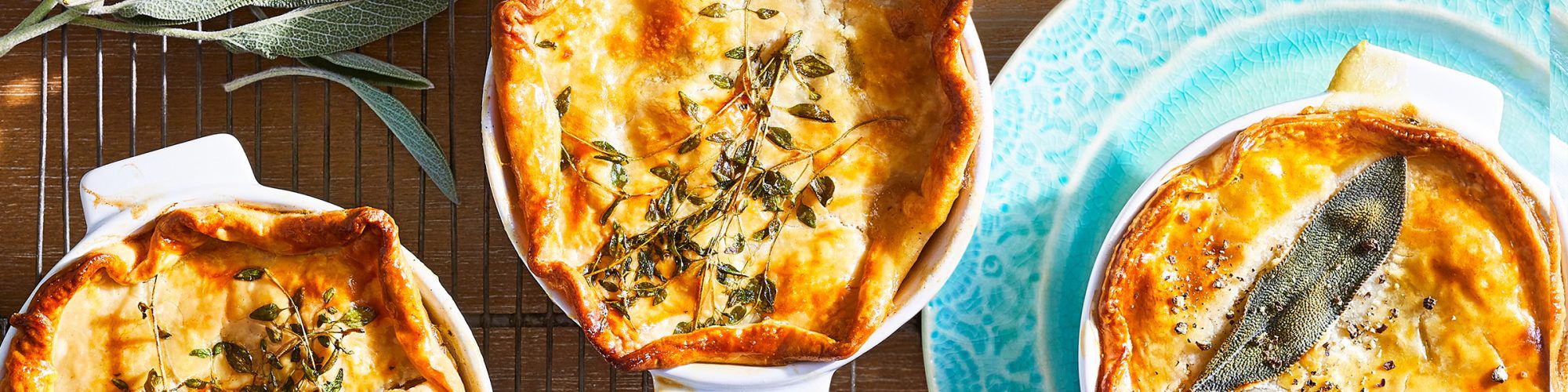
Recipes and cooking are the friendly chaos managers of everyday life. They turn a pile of groceries into dinner, a sleepy Saturday into pancakes, and a random tomato into something that suddenly deserves applause. Whether you are learning how to cook for the first time or trying to make weeknight meals less dramatic than a reality show reunion, the secret is not magic. It is a mix of simple techniques, smart planning, safe food handling, balanced flavors, and the willingness to taste as you go.
The best cooking does not start with a complicated recipe. It starts with understanding what a recipe is trying to do. A good recipe is a roadmap, but you are still the driver. Sometimes the road has potholes, like a missing ingredient or a pan that heats faster than expected. That is where cooking skills matter. Once you learn how heat, seasoning, texture, timing, and preparation work together, recipes become less intimidating and much more fun.
What Makes a Good Recipe?
A good recipe is clear, practical, and repeatable. It tells you what ingredients you need, how much time to expect, what equipment helps, and what signs to look for while cooking. The strongest recipes do not only say “cook until done.” They explain what “done” looks, smells, or feels like. Golden edges, tender vegetables, bubbling sauce, thickened batter, or an internal temperature are all better clues than wishful thinking.
Before cooking, read the entire recipe from top to bottom. Yes, the whole thing. This tiny habit prevents big kitchen surprises, like discovering halfway through that the dough needs to chill for two hours or that the sauce requires an ingredient currently living at the grocery store. Reading first also helps you organize tasks in the smartest order. If rice takes 20 minutes and shrimp takes 4, the rice should get a head start. Shrimp is fast, but it is not a time machine.
The Three Parts of Every Reliable Recipe
Most successful recipes have three important parts: ingredients, method, and judgment. Ingredients give structure. Method gives direction. Judgment is what you bring to the stove. For example, “medium heat” can behave differently depending on the pan, burner, and food. A thick skillet may need more time to warm up, while a thin pan can scorch food quickly. The recipe guides you, but your senses confirm what is happening.
Mise en Place: The Fancy Phrase That Saves Dinner
Mise en place means “everything in its place,” and it is one of the most useful cooking habits you can learn. It does not require tiny glass bowls or a television studio kitchen. It simply means gathering ingredients, measuring what needs measuring, washing produce, and preparing tools before the heat turns on.
This matters because cooking speeds up once the pan is hot. Garlic can go from fragrant to bitter in the time it takes to search for soy sauce. Pancake batter can overmix while you hunt for a spatula. A stir-fry waits for no one. When ingredients are ready, you can focus on cooking instead of performing a kitchen treasure hunt.
Basic Cooking Techniques That Improve Almost Every Meal
You do not need to master every classic culinary method to cook well at home. A handful of dependable techniques can carry you through breakfast, lunch, dinner, snacks, and the occasional “I forgot people were coming over” emergency.
Sautéing
Sautéing means cooking food quickly in a small amount of fat over moderate to moderately high heat. It works beautifully for onions, mushrooms, peppers, greens, small pieces of chicken, tofu, shrimp, and many vegetables. The goal is usually tenderness plus browning. Avoid overcrowding the pan, because crowded food steams instead of browns. Give ingredients a little breathing room; even zucchini needs personal space.
Roasting
Roasting uses dry oven heat to create deep flavor. Vegetables become sweeter, chicken skin turns crisp, and potatoes develop the kind of golden edges that make people hover near the baking sheet. Roasting works especially well for carrots, broccoli, cauliflower, squash, Brussels sprouts, onions, and sweet potatoes. A light coating of oil, enough space on the pan, and steady heat can transform humble ingredients into something that tastes restaurant-adjacent without requiring a reservation.
Simmering
Simmering is gentle cooking in liquid. Soups, stews, sauces, beans, grains, and braises all benefit from simmering because it allows flavors to blend slowly. A simmer is not an angry boil. It should bubble softly. If the pot looks like it is auditioning for a volcano documentary, lower the heat.
Baking
Baking is more precise than many stovetop methods because flour, liquid, fat, sugar, eggs, and leavening agents interact in specific ways. Measuring matters. For flour especially, weight is more consistent than volume. A packed cup of flour can contain much more than a lightly spooned cup, which is why cookies sometimes turn into little roof tiles. When possible, use a kitchen scale for baking. It is less glamorous than a copper pot, but it may save your muffins.
Flavor Building: Salt, Fat, Acid, Heat, and Personality
Flavor does not come from one ingredient. It comes from balance. Salt enhances flavor, fat carries richness, acid adds brightness, heat changes texture and aroma, and herbs or spices bring personality. A tomato sauce may taste flat until it gets a pinch of salt and a splash of vinegar or lemon juice. A bean soup may need olive oil for body and smoked paprika for depth. A roasted vegetable bowl may wake up with yogurt sauce, pickled onions, or fresh herbs.
Seasoning should happen in layers. Add a little salt while cooking onions. Taste the sauce before serving. Finish with herbs, citrus, pepper, or a drizzle of oil if needed. This approach produces better flavor than dumping all the seasoning at the end and hoping the food forgives you.
How to Fix Common Flavor Problems
If food tastes bland, it may need salt, acid, or more cooking time. If it tastes heavy, add brightness with lemon, vinegar, tomatoes, pickles, or fresh herbs. If it tastes sharp, balance it with fat, sweetness, or starch. If it tastes one-dimensional, try spices, aromatics, browned onions, garlic, ginger, chili flakes, or a small amount of umami-rich ingredients such as mushrooms, parmesan, miso, or soy sauce.
Healthy Cooking Without Making Food Sad
Healthy cooking is not punishment in a bowl. It is about building meals that taste good and support everyday energy. A balanced plate often includes vegetables or fruit, whole grains, protein, and healthy fats. That can look like salmon with roasted broccoli and brown rice, black bean tacos with cabbage slaw, chicken soup with vegetables and barley, or a grain bowl with chickpeas, greens, avocado, and lemon dressing.
Cooking methods also matter. Baking, roasting, steaming, grilling, simmering, and sautéing can produce satisfying meals without relying on deep frying. Herbs, spices, citrus, garlic, onion, vinegar, and pepper can add flavor while reducing the need for heavy sauces or excess sodium. Food should still taste like food, not like a motivational poster.
Food Safety: The Unsexy Hero of Good Cooking
Food safety is not the most glamorous part of recipes and cooking, but it is one of the most important. The basic principles are simple: clean, separate, cook, and chill. Wash hands and surfaces. Keep raw meat, poultry, seafood, and eggs away from ready-to-eat foods. Cook foods to safe temperatures. Refrigerate perishable foods promptly.
Leftovers should be refrigerated within two hours of cooking, or within one hour if the surrounding temperature is above 90°F. Large batches should be divided into shallow containers so they cool faster. Reheat leftovers thoroughly before eating. A food thermometer is the most reliable way to confirm that meat, poultry, seafood, and egg dishes are safely cooked. Guessing may work for socks in the laundry. It is less charming with chicken.
Meal Planning: How to Cook More and Panic Less
Meal planning does not mean every dinner must be labeled, laminated, and color-coded. It simply means thinking ahead enough to make cooking easier. Choose a few flexible meals for the week, shop with a list, and prep ingredients that can be reused. Roasted vegetables can become tacos, salads, omelets, wraps, or grain bowls. Cooked rice can support stir-fries, soups, burrito bowls, and fried rice. A batch of beans can become chili, dip, tostadas, or lunch.
The best meal plans leave room for real life. Some nights you have energy for homemade soup. Other nights, toast and eggs deserve a standing ovation. Keep reliable staples on hand: pasta, rice, oats, canned tomatoes, beans, broth, frozen vegetables, eggs, yogurt, tortillas, and a few sauces or spice blends. With a stocked kitchen, dinner has fewer opportunities to become a crisis.
Easy Recipe Ideas for Everyday Cooking
1. Sheet-Pan Chicken and Vegetables
Toss chicken pieces and firm vegetables with olive oil, garlic, paprika, salt, pepper, and lemon. Roast until the vegetables are tender and the chicken reaches a safe internal temperature. Serve with rice, bread, or a green salad. This recipe works because the oven does most of the labor while you look impressively productive.
2. Weeknight Tomato Pasta
Sauté onion and garlic, add canned tomatoes, season with salt, pepper, oregano, and a pinch of chili flakes, then simmer until thickened. Toss with pasta and finish with basil, parmesan, or olive oil. Add spinach, mushrooms, tuna, chickpeas, or cooked chicken to make it heartier.
3. Vegetable Fried Rice
Use cold cooked rice for the best texture. Cook vegetables first, add rice, season with soy sauce or a lower-sodium alternative, and stir in scrambled egg or tofu. Finish with scallions or sesame oil. Fried rice is one of the finest arguments for saving leftovers.
4. Simple Bean Chili
Simmer beans, tomatoes, onion, garlic, chili powder, cumin, and broth until thick and flavorful. Add corn, peppers, turkey, beef, or extra vegetables if desired. Serve with yogurt, avocado, cilantro, or cornbread. Chili is forgiving, budget-friendly, and excellent at making tomorrow’s lunch feel like a plan.
How to Become a Better Cook Without Burning Out
Start small. Choose one technique at a time. Practice roasting vegetables until you know how dark you like the edges. Make the same sauce several times and adjust the seasoning. Learn one breakfast, one soup, one pasta, one rice dish, and one dessert. Repetition builds confidence faster than constantly chasing complicated recipes.
Keep notes. If a recipe needed more lemon, write that down. If your oven browned cookies faster than expected, note the shorter baking time. If your family loved the extra garlic, record the victory. Cooking knowledge grows through tiny observations. Eventually, you stop asking, “Can I cook?” and start asking, “What can I make with what I already have?” That is when the kitchen gets interesting.
Common Cooking Mistakes and How to Avoid Them
Skipping the Recipe Read-Through
This is the classic beginner mistake. Always read the recipe before starting. Look for hidden timing, special equipment, marinating steps, chilling time, or divided ingredients.
Using Heat That Is Too High
High heat is useful, but not for everything. Burned garlic, scorched butter, rubbery eggs, and dry chicken often come from impatience. Medium heat is the unsung hero of home cooking.
Not Tasting While Cooking
Tasting is how you steer. A recipe cannot know your tomatoes are extra acidic or your broth is very salty. Taste and adjust as you go.
Overcrowding the Pan
Too much food in one pan traps moisture. Instead of browning, ingredients steam. Cook in batches when needed, especially with mushrooms, meat, tofu, and roasted vegetables.
Measuring Flour Incorrectly
For baking, measuring flour by weight is best. If using cups, spoon flour into the cup and level it rather than scooping directly from the bag. Scooping can compact flour and throw off the recipe.
Experiences Related to Recipes & Cooking
One of the most useful experiences in cooking is realizing that recipes are not tests; they are conversations. The first time someone makes pancakes, for example, the recipe may say “cook until bubbles form.” That sounds simple until the pan gets too hot, the first pancake turns into a smoky little Frisbee, and breakfast suddenly needs emotional support. But by the second or third pancake, the cook learns to lower the heat, wait for the edges to set, and flip with more confidence. That experience teaches more than a perfect first attempt ever could.
Another common cooking experience is learning the power of preparation. Many home cooks have had the moment when onions are sizzling, garlic is browning, and the next ingredient is still unwashed, uncut, and possibly hiding behind the milk. After that, mise en place stops sounding like a fancy chef phrase and starts sounding like survival. Having ingredients ready does not make cooking slower; it makes the actual cooking smoother. It also leaves more room to enjoy the smell of dinner instead of negotiating with a stubborn jar lid while the sauce threatens rebellion.
Cooking also teaches flexibility. A recipe might call for spinach, but kale is what you have. It might suggest chicken, but beans are in the pantry. It might recommend parsley, but cilantro is sitting in the fridge, looking hopeful. With experience, substitutions become less scary. You begin to understand categories: leafy greens can often swap for leafy greens, acids can balance richness, and cooked grains can anchor a meal. This is how people move from “I can follow a recipe” to “I can make dinner.” That shift is huge.
There is also the experience of feeding others, which is one of cooking’s best rewards. A pot of soup on a cold evening, a tray of brownies for a school event, a simple pasta dinner after a long day, or a breakfast sandwich made for someone rushing out the door can feel surprisingly meaningful. Food does not need to be fancy to be memorable. Often, the dishes people remember most are the ones connected to comfort, timing, and care. A grilled cheese made at the right moment can compete emotionally with a five-course meal.
Finally, recipes and cooking build patience. Bread needs time to rise. Stew needs time to soften. Cookies need time to cool, even when they smell like happiness wearing butter. Cooking rewards attention, but it also rewards restraint. You learn when to stir and when to leave the pan alone, when to season and when to taste first, when to improvise and when to respect the chemistry of baking. Over time, the kitchen becomes less like a battlefield and more like a workshop. There will still be spills, smoke alarms, and the occasional mysterious missing measuring spoon, but there will also be better meals, better instincts, and a growing sense that good cooking is not about perfection. It is about practice, curiosity, and having enough humor to laugh when the omelet becomes scrambled eggs with ambition.
Conclusion
Recipes and cooking are practical life skills, creative outlets, and everyday problem-solvers. The more you understand preparation, heat control, seasoning, food safety, and balanced meal planning, the easier it becomes to cook meals that are flavorful, safe, affordable, and satisfying. Start with simple recipes, repeat them often, and let each meal teach you something. Even the imperfect dishes count. Sometimes they count twice, especially if they come with a good story.












