
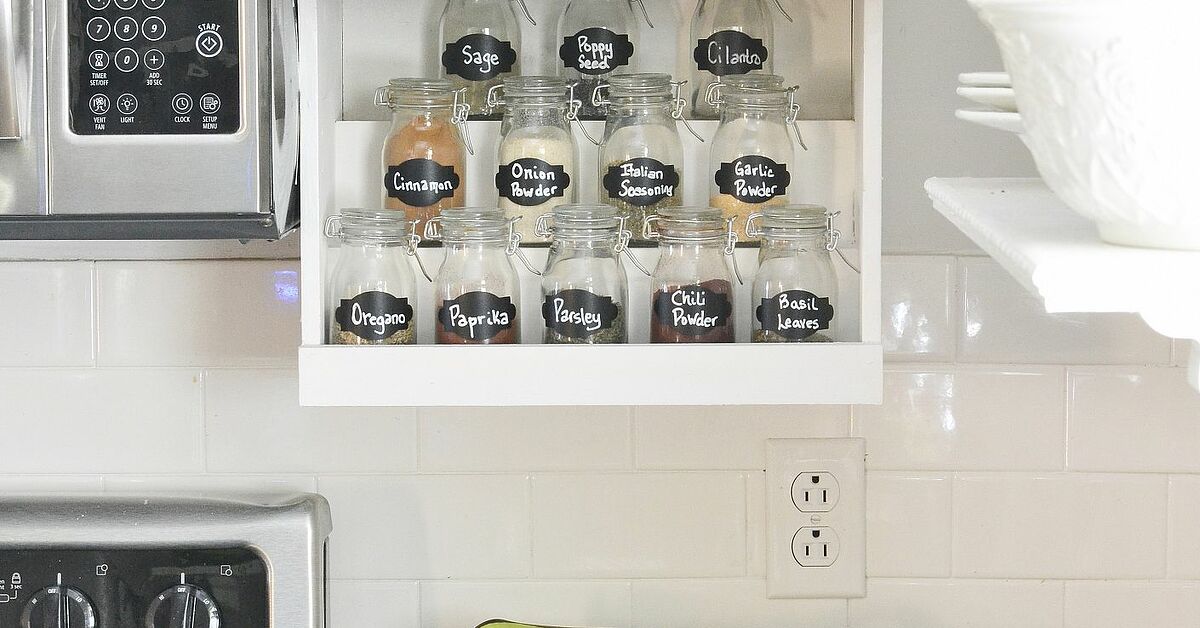
Spices are tiny, powerful, and strangely gifted at creating chaos. One minute you own a polite jar of cinnamon; the next, your cabinet looks like a cumin avalanche happened during rush hour. If you have ever bought a second bottle of paprika because the first one was hiding behind the nutmeg, congratulations: you are officially ready for a DIY spice rack upgrade.
The good news is that reorganizing your kitchen storage does not require a luxury remodel, a custom pantry, or a personality transplant. With a few simple materials, smart measurements, and a clear system, you can turn your spice collection into something attractive, practical, and easy to use. Whether you have a tiny apartment kitchen, a deep cabinet, a narrow pantry door, or a drawer begging for a purpose, these DIY spice rack ideas can help you create order without sacrificing style.
Below are 16 DIY spice rack ideas designed for real homes, real cooking, and real people who occasionally knock over the oregano while looking for chili powder.
Why a DIY Spice Rack Is Worth the Effort
A good spice rack does more than make your kitchen look pretty. It helps you cook faster, waste less, and actually use the seasonings you already own. When spices are visible and easy to reach, you are less likely to buy duplicates or forget that jar of smoked paprika you once bought with great ambition.
Spices also last longer when stored properly. Heat, light, air, and moisture can weaken flavor over time, so the best spice storage solutions keep jars sealed, dry, and away from the stove when possible. A DIY spice rack gives you control over location, layout, labels, and size, which means your storage system can fit your kitchen instead of forcing your kitchen to fit a store-bought organizer.
Before You Build: Measure, Sort, and Declutter
Before reaching for wood, magnets, jars, or adhesive strips, start with a quick spice audit. Pull everything out. Yes, everything. Check for duplicates, faded labels, rock-hard garlic powder, and mysterious jars that smell like “brown dust with dreams.” Toss anything that has lost its aroma, has moisture inside, or has no recognizable purpose in your cooking life.
Group Spices by Use
Organize your spices in a way that matches how you cook. You can sort alphabetically, by cuisine, by frequency of use, or by category such as baking spices, savory blends, dried herbs, and spicy seasonings. For most busy kitchens, the best system is simple: keep everyday spices closest and occasional spices slightly farther away.
Choose Matching Jars Only If They Help
Matching jars look polished, but they are not mandatory. If your budget is tight, focus on visibility and access first. Clear labels, readable tops, and consistent placement matter more than an Instagram-perfect shelf. A beautiful spice rack that you cannot maintain is just clutter wearing a tuxedo.
16 DIY Spice Rack Ideas to Reorganize Your Kitchen Storage
1. Wall-Mounted Wooden Spice Rack
A wall-mounted wooden spice rack is one of the most classic DIY spice rack ideas because it saves cabinet space and keeps seasonings visible. Build a simple frame using pine boards, add narrow shelves, and install a small front rail on each shelf to stop jars from sliding off.
This idea works especially well beside a prep area, near a pantry, or on an empty kitchen wall. Paint it to match your cabinets, stain it for a farmhouse look, or leave it natural for a warm minimalist style. Just avoid mounting it directly above the stove, where heat and steam can weaken spice flavor.
2. Inside-Cabinet Door Spice Rack
The inside of a cabinet door is valuable storage space that often goes unused. A slim DIY door-mounted spice rack can hold small jars without taking over your shelves. Use lightweight wood strips, shallow metal baskets, or acrylic rails, then attach them securely with screws or strong mounting hardware.
Before building, measure the clearance between the cabinet door and the shelves inside. Close the door slowly with a test jar taped in place to make sure nothing bumps. This tiny step can prevent a very dramatic basil explosion.
3. Pull-Out Spice Rack for Narrow Cabinets
If you have a narrow gap beside the refrigerator, oven cabinet, or pantry wall, a pull-out spice rack can make that awkward space useful. This project is more advanced, but it delivers serious storage power. Build a tall, narrow shelf unit, add rails or casters, and include a handle so it slides out smoothly.
A pull-out spice rack is ideal for small kitchens because it stores many jars vertically while keeping them hidden when not in use. Add labels to the jar tops or fronts so you can scan quickly while cooking.
4. Drawer Spice Rack with Angled Inserts
A drawer spice rack keeps seasonings away from light and gives your countertop a cleaner look. You can build angled inserts from scrap wood, foam board, or thin plywood. The goal is to tilt each jar slightly upward so the labels are easy to read when you open the drawer.
This method works best with short, uniform jars. If your drawer is deep, label the lids. If your drawer is shallow, label the jar sides. Either way, drawer spice storage is one of the most practical DIY kitchen organization upgrades you can make in an afternoon.
5. Magnetic Spice Rack on the Refrigerator
A magnetic spice rack turns the side of your refrigerator into vertical storage. Use magnetic tins or attach strong magnets to lightweight spice jars. This idea is great for renters because it requires no drilling and can be moved easily.
However, choose the location carefully. Keep magnetic spices away from heat, direct sun, and heavy moisture. The side of the fridge facing away from the stove is usually better than the side next to a hot oven. For safety, use containers with tight lids and magnets strong enough to stay put when the fridge door slams shut.
6. Mini Mason Jar Spice Rack
Mini mason jars are charming, affordable, and easy to label. Pair them with a simple wooden shelf, a crate, or a wall-mounted rack for a cozy farmhouse-style spice station. The wide openings make refilling easy, and the clear glass lets you see when you are running low.
This DIY spice rack idea looks especially nice in open kitchens, but remember that clear jars should be stored away from strong sunlight. If your kitchen gets bright afternoon light, place the rack in a shaded corner or inside a pantry.
7. Repurposed Drawer Spice Shelf
An old drawer can become a stylish wall-mounted spice rack with very little effort. Remove the hardware, sand rough edges, paint or stain the wood, and add small shelves inside the drawer frame. Mount it horizontally or vertically depending on your wall space.
This is a smart upcycling project for anyone who likes vintage decor. Add wallpaper or peel-and-stick tile to the back panel for extra personality. Suddenly, that forgotten drawer becomes a kitchen storage hero with better career prospects.
8. Tiered Cabinet Spice Organizer
A tiered spice rack is perfect for deep cabinets because it lifts the back row of jars so you can see everything at once. You can make one from scrap wood, small boards, or even sturdy cardboard covered with contact paper.
Build three shallow steps, each wide enough for your spice jars. Place taller bottles at the back and smaller jars in front. This DIY spice rack idea is simple, budget-friendly, and especially useful if you do not want to drill holes or change your kitchen permanently.
9. Lazy Susan Spice Station
A DIY Lazy Susan spice rack is ideal for corner cabinets, pantry shelves, and countertops. You can buy a plain wooden turntable and customize it with dividers, labels, or small raised edges. The rotating design makes it easy to access jars that would otherwise disappear into the cabinet wilderness.
For best results, do not overload it. One neat circle of frequently used spices works better than three wobbly layers of everything you have ever purchased. A Lazy Susan should spin gracefully, not threaten to launch cumin into orbit.
10. Test Tube Spice Rack
For a modern, conversation-starting kitchen, try a test tube spice rack. Use food-safe glass tubes with cork or screw-top lids, then place them in a wooden block with drilled holes. This idea is best for small amounts of frequently used spices or decorative blends.
Because test tubes hold less than standard jars, they are not ideal for bulk storage. But for a coffee bar, cocktail station, baking corner, or small apartment kitchen, they add a creative touch while keeping seasonings visible and organized.
11. Pegboard Spice Rack
Pegboard is one of the most flexible kitchen storage materials. Mount a pegboard panel on an empty wall, then use small shelves, hooks, baskets, or clips to hold spices. The beauty of pegboard is that you can rearrange it whenever your cooking habits change.
This is a great option if you also want to store measuring spoons, small utensils, kitchen scissors, or a grocery list pad. Paint the pegboard to match your kitchen and use matching containers for a clean, intentional look.
12. Floating Ledge Spice Shelves
Floating ledge shelves are sleek, simple, and easy to customize. Use narrow picture ledges or build your own from slim boards. Add a lip at the front so jars stay secure, then mount the shelves in rows on a blank wall or pantry side panel.
This DIY spice rack idea works well for people who want spices to double as decor. Choose matching jars, bold labels, or colorful lids to create a display that looks organized rather than cluttered. Keep your most attractive and most-used spices here, and store backup containers elsewhere.
13. Over-the-Door Pantry Spice Rack
If you have a pantry door, you have a storage opportunity. An over-the-door spice rack can hold dozens of jars while freeing up shelves for larger pantry items. You can build one with lightweight wood rails or customize a basic wire rack by adding labels and jar dividers.
Check that the door can close smoothly and that the rack does not bang when opened. For quieter use, add small felt pads or clear bumpers where the rack touches the door. Your spices should not announce themselves every time someone wants cereal.
14. Countertop Crate Spice Rack
A small wooden crate can become an easy countertop spice rack for renters or anyone who does not want to install hardware. Stand the crate upright, add a shelf if needed, and arrange everyday spices inside. You can paint it, stencil it, or leave it rustic.
This idea is best for a small collection of daily seasonings such as salt, pepper, garlic powder, chili flakes, cinnamon, and Italian seasoning. Keep the crate away from the sink and stove to protect spices from moisture and heat.
15. Under-Shelf Hanging Spice Rack
An under-shelf spice rack uses the empty space below a cabinet shelf. Attach small baskets, rails, or sliding trays underneath the shelf to hold lightweight jars. This is a clever way to add storage without sacrificing the shelf surface above.
Use this method for small jars only and make sure the hardware is secure. If you rent, consider removable under-shelf baskets that slide onto the shelf instead of permanent screws. It is a simple upgrade that makes a cabinet feel twice as organized.
16. Picture Frame Spice Rack
A picture frame spice rack is creative, compact, and surprisingly elegant. Use a deep frame or shadow box, remove the glass, and add small shelves inside. Paint the frame to match your kitchen, mount it on the wall, and fill it with neatly labeled jars.
This DIY project is perfect for kitchens where storage and decor need to work together. A frame-style rack can look like intentional wall art, especially if you use uniform jars and attractive labels. It is proof that oregano can, in fact, have gallery energy.
Smart Labeling Tips for DIY Spice Racks
Labels can make or break your spice organization system. If the label is hard to read, the rack will slowly become chaos again. Use large, clear fonts and place labels where your eye naturally lands. For drawer storage, label the lids. For wall shelves, label the fronts. For jars stored in baskets, label both tops and sides if possible.
Include purchase or refill dates on the bottom of jars if you want to track freshness. You do not need to obsess over dates, but a simple month-and-year note helps you know when that coriander has been quietly aging into decorative dust.
Best Places to Put a Spice Rack
The best spice rack location is convenient but not hostile to flavor. Avoid areas directly above the stove, next to a dishwasher vent, beside a sunny window, or near the sink. Spices prefer cool, dry, dark conditions. If your prettiest wall is also the sunniest, use it for mugs, art, or plants instead, and give your spices a calmer home.
Good locations include inside a cabinet door, in a drawer near your prep zone, on a shaded pantry wall, or on the side of a cabinet away from heat. The right spot should let you grab what you need without crossing the kitchen mid-recipe while holding a spoon full of sauce.
How to Keep Your Spice Rack Organized Long-Term
Once your DIY spice rack is finished, create a maintenance routine that is easy enough to follow. Every few months, wipe the shelves, tighten lids, check labels, and remove anything you no longer use. When buying new spices, transfer them into your system right away instead of leaving them in random bags or oversized containers.
Avoid overfilling your rack. If there is no room for a new jar, decide what should leave before adding more. Kitchen storage works best when every item has a boundary. Once the rack is full, it is full. This one rule can prevent the slow return of clutter.
Common DIY Spice Rack Mistakes to Avoid
Building Before Measuring
Always measure jar height, shelf depth, door clearance, and wall space before building. A beautiful rack that does not fit your cinnamon is not a rack; it is a tiny wooden disappointment.
Choosing Style Over Access
A spice rack should make cooking easier. If you have to move six jars to reach the one you need, the design is not working. Prioritize visibility, reach, and simple categories.
Ignoring Heat and Moisture
Open racks look lovely, but they must be placed carefully. Heat, steam, sunlight, and moisture can reduce quality and cause clumping. Choose airtight containers and store spices in the most stable area your kitchen allows.
of Real-Life Experience: What Actually Works in a Busy Kitchen
After trying several spice storage methods, one thing becomes obvious: the best DIY spice rack is not always the fanciest one. It is the one you can use while cooking dinner on a Tuesday night when the pasta is boiling, someone is asking where the scissors are, and your recipe suddenly demands smoked paprika. In real kitchens, convenience wins.
The drawer spice rack is often the most practical choice for everyday cooking. When jars lie on their sides or sit on angled inserts, you can see the labels quickly, grab what you need, and close the drawer without creating visual clutter. This setup also keeps spices away from light, which is helpful for maintaining flavor. The only challenge is drawer space. If your kitchen has limited drawers, dedicate one shallow drawer to your top 20 seasonings and store backup spices in a pantry bin.
Wall-mounted racks are wonderful when counter and drawer space are limited. They turn blank wall space into storage and add personality to the kitchen. However, they work best for people who are willing to keep jars neat. Open storage is honest storage: if the jars are mismatched, dusty, or overflowing, everyone can see it. Matching labels and a quick weekly wipe make a big difference.
Magnetic spice racks can be brilliant, but they are not perfect for every household. They work best with lightweight containers and strong magnets. If children slam the refrigerator door or if the fridge side is close to heat, this setup can become annoying. A better version is a magnetic strip inside a pantry door or on a shaded side panel where the tins stay cooler and more secure.
For renters, the most forgiving options are countertop crates, drawer inserts, over-the-door racks, and removable under-shelf baskets. These ideas require little or no drilling and can move with you. A small crate near the prep area can hold daily spices, while the rest live in a labeled bin. This two-zone system is excellent for small kitchens because it keeps essentials close without crowding the counter.
One lesson many home cooks learn the hard way is that decanting everything into matching jars is only helpful if you maintain the system. If you buy spices in large bags, keep the refill bags in a separate labeled pantry box. Refill the pretty jars as needed. Do not try to force three cups of cumin into a tiny jar just because the jar is cute. Cumin is patient, but not that patient.
Another practical tip is to organize by cooking habit rather than by what looks best. If you bake often, keep cinnamon, nutmeg, ginger, cloves, and vanilla powder together. If taco night is sacred in your home, group chili powder, cumin, paprika, oregano, garlic powder, and onion powder. Alphabetical order is excellent for large collections, but usage zones are faster for daily meals.
Finally, the most successful spice rack systems include a little empty space. Leave room for one or two new jars. Leave room for your hand to reach in. Leave room for life. A spice rack packed tighter than a holiday suitcase will become frustrating quickly. A good DIY spice rack should feel calm, useful, and easy to reset. When it does, cooking becomes smoother, your cabinets stay cleaner, and your seasonings stop behaving like tiny fugitives.
Conclusion
Reorganizing your spices is a small kitchen project with a surprisingly big payoff. Whether you build a wall-mounted wooden rack, create a drawer insert, repurpose a crate, or use the back of a pantry door, the goal is the same: make your spices visible, reachable, and easy to maintain. A smart DIY spice rack helps you save space, reduce duplicate purchases, protect flavor, and enjoy cooking with less cabinet chaos.
Start with the space you already have, choose a design that matches your cooking routine, and keep the system simple. Your future self will thank you every time you find the cinnamon on the first try.
Note: This article is written in original standard American English, based on practical kitchen organization and spice storage guidance, and prepared for web publishing without unnecessary citation placeholders.












