
For some people, riding in an elevator is a 20-second convenience. For others, it feels like stepping into a tiny metal suspense movie where the walls are too close, the buttons are suspiciously shiny, and every little creak sounds like dramatic background music. If that sounds familiar, you are not being “silly.” A fear of riding in elevators can be connected to claustrophobia, panic attacks, fear of being trapped, fear of heights, past bad experiences, or simply the brain deciding that vertical transportation is none of its business.
The good news: elevator anxiety is manageable. You do not have to become a professional stair climber forever. With the right mix of facts, breathing skills, gradual exposure, and self-compassion, you can teach your nervous system that an elevator is not a villain. It is just a small room with buttons and questionable music.
This guide explores 14 practical, realistic, and evidence-informed ways to deal with a fear of elevators. Use what fits your situation, go at a pace that feels safe, and consider professional support if your fear disrupts work, travel, medical appointments, school, or daily life.
Understanding the Fear of Riding in Elevators
A fear of elevators is not always one single fear. It may be a mix of several fears wearing the same trench coat. Some people fear enclosed spaces. Others worry about getting stuck, losing control, feeling dizzy, having a panic attack, or not being able to escape quickly. The fear can also be stronger in crowded elevators, tall buildings, hospitals, hotels, parking garages, or older elevators that make mysterious “clunk” sounds like they are auditioning for a haunted house.
Fear becomes a bigger problem when avoidance takes over. Taking the stairs once in a while is healthy. Taking 14 flights of stairs in dress shoes because the elevator exists? That may be anxiety running the meeting. Avoidance gives short-term relief, but it often teaches the brain that elevators are dangerous. The goal is not to force yourself into terror. The goal is to rebuild trust step by step.
14 Ways to Deal With a Fear of Riding in Elevators
1. Name the Fear Clearly
Start by identifying what actually scares you. “I hate elevators” is a beginning, but it is not specific enough to work with. Ask yourself: Am I afraid of being trapped? Running out of air? The elevator falling? Having a panic attack in front of strangers? Feeling dizzy? Losing control?
Once you name the fear, it becomes less foggy. You can respond to “I am afraid I will panic” differently than “I am afraid the elevator will malfunction.” One fear needs panic-management tools; the other may need safety education and gradual exposure. Your brain likes specifics. Give it a clear job description.
2. Learn Basic Elevator Safety Facts
Anxiety loves uncertainty. It fills blank spaces with worst-case scenarios, usually directed by the same imaginary filmmaker who makes disaster movies. Learning how elevators actually work can reduce fear. Modern elevators are built with safety systems, braking mechanisms, emergency communication tools, and maintenance standards. If an elevator stops, the safest response is usually to stay inside, use the alarm or phone, and wait for trained help.
It also helps to know what not to do. Do not try to force the doors open. Do not climb out if the elevator is between floors. Do not attempt a dramatic action-hero escape through the ceiling. Real life is not a movie, and your ankles would like to keep their current career.
3. Practice Slow Breathing Before You Need It
Breathing skills work best when practiced before anxiety spikes. If you only try deep breathing after panic has already grabbed the microphone, it may feel awkward. Practice when you are calm: inhale slowly through your nose, let your belly expand, pause briefly, then exhale longer than you inhale.
Try this simple pattern: breathe in for four seconds, breathe out for six seconds, and repeat five times. Longer exhales can help signal safety to the body. You do not need to look mystical while doing it. You can stand in an elevator lobby breathing calmly and still look like a normal person waiting for floor seven.
4. Use Grounding Techniques During the Ride
Grounding techniques help pull attention away from “what if” thoughts and back to the present moment. One useful method is the 5-4-3-2-1 technique: notice five things you can see, four things you can feel, three things you can hear, two things you can smell, and one thing you can taste.
In an elevator, this might look like: five floor buttons, the texture of your sleeve, the hum of the motor, the smell of someone’s ambitious cologne, and the mint you wisely brought along. Grounding reminds your brain, “We are here, not in an imaginary emergency.”
5. Create a Fear Ladder
A fear ladder is a list of elevator-related steps from easiest to hardest. This approach is often used in exposure-based strategies. Instead of jumping straight into your scariest situation, you move gradually.
Your ladder might look like this:
- Look at a photo of an elevator.
- Stand near elevator doors for one minute.
- Press the button but do not ride.
- Step inside with the doors open.
- Ride one floor with a trusted person.
- Ride one floor alone.
- Ride several floors during a quiet time.
- Ride a crowded elevator calmly.
The trick is repetition. One successful ride is great, but repeated practice teaches your nervous system that the situation is safe enough.
6. Stop Feeding the “What If” Machine
Anxious thoughts often arrive as “what if” questions: What if I get stuck? What if I panic? What if people stare? What if the elevator makes a weird noise? The goal is not to answer every thought perfectly. That can become a mental hamster wheel, and the hamster is wearing running shoes.
Instead, try responding with balanced statements: “I may feel anxious, but I can handle discomfort.” “If the elevator stops, I can use the emergency button.” “A thought is not a prediction.” “My body is sounding an alarm, but alarms can be false.”
7. Reduce Safety Behaviors Gradually
Safety behaviors are things you do to feel safe, but they may quietly keep the fear alive. Examples include only riding with a friend, standing with one foot near the door, gripping the railing tightly, repeatedly checking the inspection certificate, or distracting yourself so intensely that you never learn the elevator is tolerable.
You do not need to drop every safety behavior at once. Start small. Maybe you ride with a friend but loosen your grip. Maybe you stand normally instead of leaning toward the doors. Maybe you let yourself notice the elevator for five seconds instead of escaping into your phone immediately. Small changes count.
8. Ride During Low-Stress Times First
If elevator anxiety is strong, do not begin exposure practice at 8:45 a.m. in a crowded office tower when everyone is carrying coffee and Monday feelings. Start when conditions are easier: midmorning, early afternoon, or another quiet time. Choose a clean, well-lit building with short rides and predictable floors.
Once you gain confidence, gradually practice in more realistic situations. The goal is not to build a perfect elevator environment. The goal is to build flexible confidence that travels with you.
9. Bring a Calm Support Person
A supportive person can help during early practice. Choose someone patient, not someone who says, “Just get over it,” because that phrase has never healed anything except maybe a person’s desire to continue the conversation.
Ask your support person to speak calmly, avoid over-reassuring, and celebrate progress. They can ride one floor with you, wait outside while you practice stepping in, or help you repeat your coping statements. Eventually, the goal is to rely less on the support person and more on your own skills.
10. Keep Your Body Comfortable
Physical discomfort can make elevator anxiety worse. Before practicing, avoid too much caffeine if it makes you jittery. Eat something light if low blood sugar makes you shaky. Wear comfortable shoes. Keep your phone charged. Carry water if it helps, but avoid turning water into a “must-have” item without which you cannot ride.
Your body and brain are teammates. If your body is already stressed, your brain may interpret normal elevator sensations as danger. Give yourself the best possible starting conditions.
11. Use Visualization the Right Way
Visualization can be helpful if you use it to rehearse coping, not catastrophe. Imagine yourself walking to the elevator, pressing the button, stepping inside, breathing steadily, noticing anxiety rise and fall, and exiting successfully. Picture the full process, including discomfort. The goal is not a fantasy where you feel zero fear. The goal is a realistic mental rehearsal where you handle fear well.
Think of it as a preview, not a magic spell. Your brain learns from imagined practice, especially when you repeat it and pair it with real-world steps.
12. Replace Avoidance With Planned Practice
Avoidance says, “I will take the stairs because I cannot handle this.” Planned practice says, “I will ride one floor today because I am training my brain.” The action may look similar from the outside, but the meaning is different.
Set tiny goals. For example: “This week, I will stand near an elevator three times.” Next week: “I will ride one floor twice.” Keep practice short, repeatable, and measurable. Confidence grows through evidence. Each practice session becomes a receipt that says, “I did something hard and survived.” Save those receipts.
13. Know When to Seek Professional Help
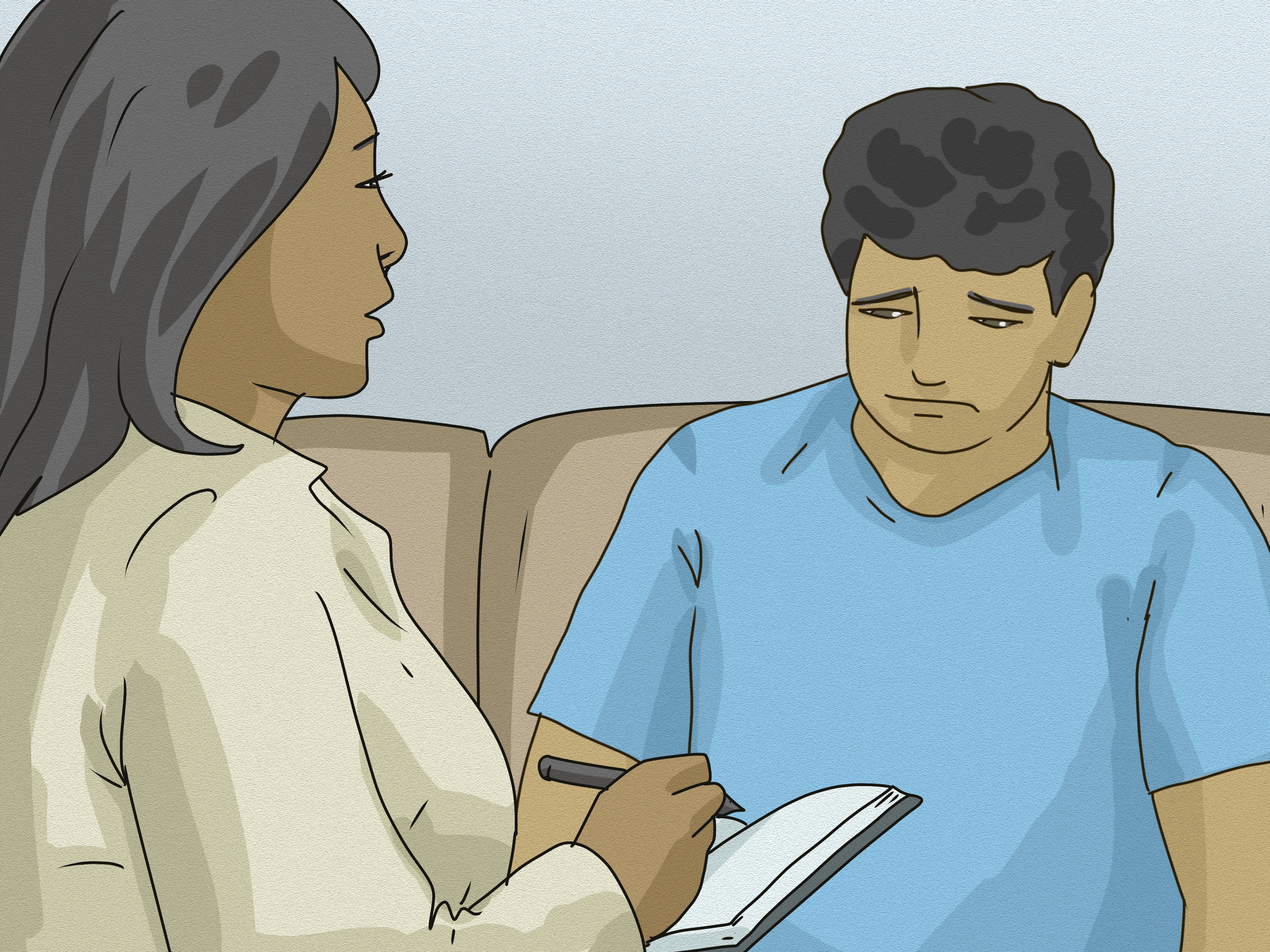
If elevator fear causes major distress, limits your work or social life, interferes with medical care, or leads to panic attacks, consider speaking with a licensed mental-health professional. Cognitive behavioral therapy, exposure therapy, and related approaches can be very effective for specific fears and anxiety patterns.
Professional help does not mean you failed. It means you are tired of letting a box with buttons make your schedule decisions. A therapist can help you build a personalized exposure plan, challenge fear-based thoughts, practice panic-management skills, and move at a pace that is challenging but not overwhelming.
14. Celebrate Progress Without Waiting for Perfection
Do not wait until you are completely fearless to celebrate. Fearless is not the price of admission. Progress may look like standing near the elevator without leaving. It may look like riding one floor while anxious. It may look like staying inside instead of jumping out at the last second. These are real wins.
The goal is not to love elevators. You do not need to write them a thank-you card. The goal is freedom: the ability to choose the elevator when it serves your life, rather than letting fear choose for you.
What to Do If You Feel Panic in an Elevator
If panic rises during a ride, remind yourself that panic is uncomfortable but not dangerous by itself. Keep your feet planted. Relax your shoulders. Look at one stable object, such as the floor indicator or a button panel. Breathe out slowly. Silently say, “This is anxiety. It will pass.”
If the elevator stops unexpectedly, press the alarm or emergency communication button, follow posted instructions, and wait for assistance. Stay inside unless trained responders tell you otherwise. Most elevator stops are resolved safely, and staying calm makes it easier to communicate clearly.
Common Mistakes That Make Elevator Fear Stronger
Avoiding Elevators Completely
Avoidance can feel like relief, but it often strengthens the fear loop. If you avoid elevators for months, your brain may treat them as more dangerous, not less.
Practicing Too Much Too Fast
Flooding yourself with intense exposure can backfire. Gradual steps are usually more sustainable. Your nervous system learns better when practice feels challenging but manageable.
Demanding Instant Calm
The first goal is not calm. The first goal is staying present while anxious. Calm often comes later, after your brain sees that anxiety can rise and fall without escape.
Using Reassurance as the Only Tool
Reading safety facts helps, but reassurance alone may not erase fear. Pair facts with practice, breathing, grounding, and realistic exposure.
Experiences Related to a Fear of Riding in Elevators
Imagine Maya, who works on the ninth floor of a downtown office. Every morning, she arrives early so she can take the stairs without coworkers noticing. At first, it feels like a clever workaround. She gets exercise, avoids panic, and never has to stand in that tiny moving room with strangers. But after a few months, the workaround becomes a workout she never signed up for. Rainy days, sore knees, heavy laptop bags, and client meetings on higher floors make avoidance exhausting. Maya finally starts small: standing near the elevator for two minutes, then riding one floor with a coworker, then riding alone before the morning rush. She still feels nervous, but she also feels proud. The elevator has not become her favorite place, but it is no longer the boss of her calendar.
Then there is Daniel, whose fear began after getting stuck in an elevator during a power outage. Nothing terrible happened, but his body remembers the alarm, the waiting, and the feeling of being trapped. For Daniel, safety education helps. Learning that he should use the emergency button, stay inside, and wait for trained help gives his brain a plan. His first practice rides are short. He chooses a familiar building, rides from the lobby to the second floor, and uses slow breathing. His anxiety does not vanish in one heroic moment. Instead, it shrinks in ordinary, slightly boring moments. That is how recovery often looks: less fireworks, more repetition.
Another common experience is social embarrassment. Some people are less afraid of the elevator itself and more afraid of panicking in front of strangers. They worry about sweating, shaking, breathing loudly, or needing to leave. The funny thing is that most elevator passengers are deeply committed to pretending other passengers do not exist. They are checking email, staring at floor numbers, or mentally debating lunch. A person using slow breathing is rarely the main event. Realizing this can be freeing. You are allowed to be anxious in public. You are allowed to cope quietly. You are allowed to ride three floors without performing perfect confidence.
Parents may face a different version of elevator fear. A parent who feels anxious might still need to ride with a stroller, a toddler, or groceries. In that situation, preparation matters. They may choose less crowded elevators, keep children close, avoid rushing through closing doors, and practice calm self-talk. Children often take emotional cues from adults, so even a simple phrase like “We are going up two floors, and then we get out” can help both parent and child feel steadier.
Travel can also reveal elevator anxiety. Hotels, airports, parking garages, hospitals, malls, and apartment buildings often make elevators hard to avoid. A useful travel strategy is to preview the situation: check the building layout, ask for a lower floor if needed, and practice one short ride before carrying bags or meeting a deadline. This is not “being difficult.” It is planning. Anxiety becomes less powerful when you stop improvising under pressure.
The most encouraging experience many people report is not becoming fearless, but becoming capable. They learn that shaky hands do not mean failure. A racing heart does not mean danger. A nervous ride still counts as a successful ride. Over time, the elevator becomes less of a monster and more of a mildly awkward appliance. It moves. It dings. It opens. You step out. Life continues. Sometimes recovery is as simple, and as powerful, as pressing the button again tomorrow.
Conclusion
A fear of riding in elevators can feel intense, embarrassing, and inconvenient, but it is also workable. Start by understanding your specific fear, learn basic safety facts, practice calming skills, and use gradual exposure instead of all-or-nothing pressure. Be patient with yourself. Your nervous system may need repeated proof that elevators are tolerable, and that is perfectly normal.
You do not have to become a fearless elevator enthusiast. You simply need enough confidence to ride when riding helps your life. Whether your first step is looking at elevator doors, riding one floor, or calling a therapist for support, every small action is movement in the right direction. And yes, in this case, upward movement counts too.











