
Alzheimer’s disease is one of those health topics that can feel frightening before it feels understandable. The name alone can make families picture lost memories, missed appointments, and sticky notes multiplying across the refrigerator like a paper-based security system. But knowledge helps. When you understand the symptoms, diagnosis, treatment options, and day-to-day care strategies, Alzheimer’s disease becomes less of a mysterious shadow and more of a condition that can be managed with planning, medical support, and compassion.
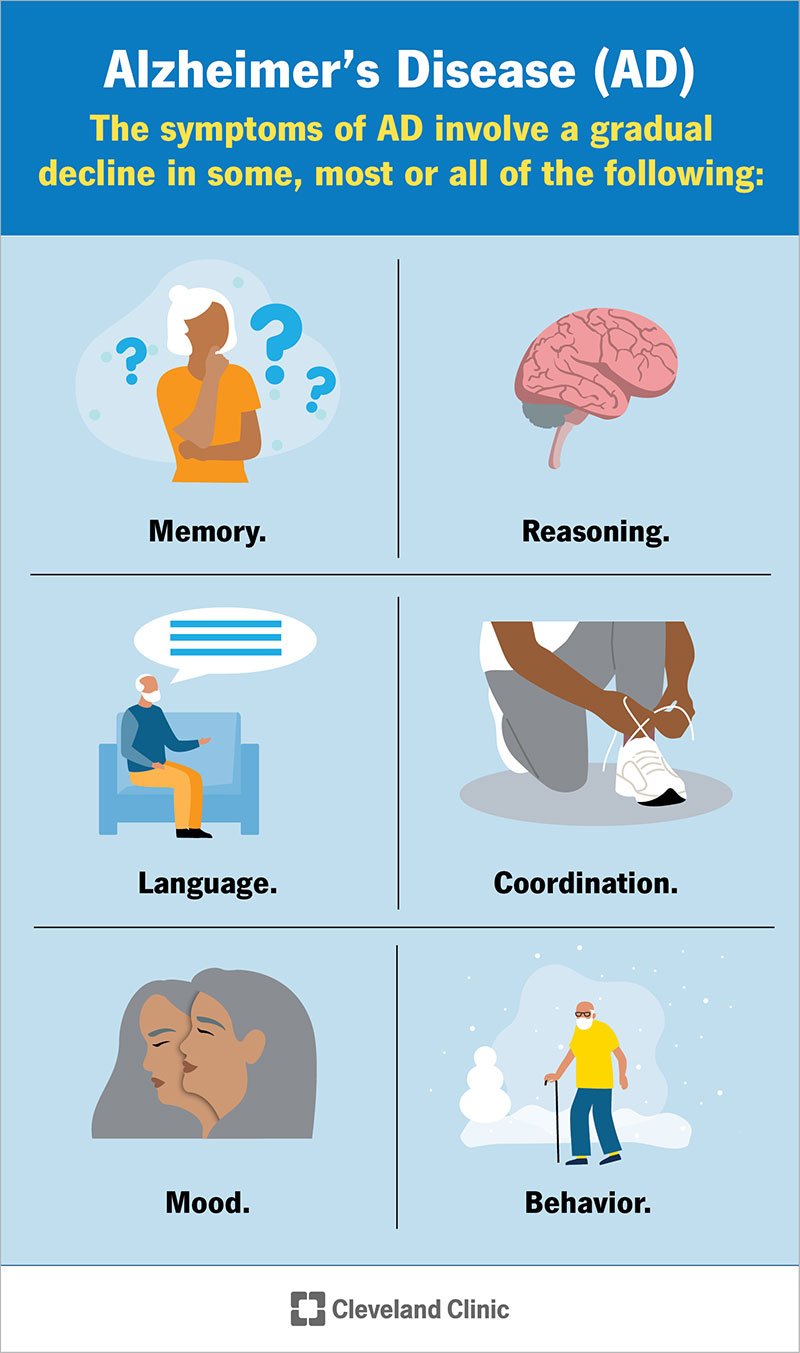
Alzheimer’s disease is a progressive brain disorder and the most common cause of dementia. Dementia is not a single disease; it is a group of symptoms that affect memory, thinking, communication, judgment, and daily functioning. Alzheimer’s develops slowly, often beginning with subtle memory changes before gradually affecting language, reasoning, behavior, movement, and independence. There is currently no cure, but treatments can help manage symptoms, and newer therapies may slow decline in certain people with early Alzheimer’s disease.
This guide explains Alzheimer’s symptoms and treatment in plain English, with practical examples for families, caregivers, and anyone wondering whether “Where did I put my glasses?” is normal forgetfulness or something worth discussing with a doctor. Spoiler: if the glasses are on your head, you are probably just human.
What Is Alzheimer’s Disease?
Alzheimer’s disease damages brain cells over time. Researchers associate the disease with changes in the brain, including abnormal buildup of beta-amyloid plaques and tau tangles. These changes interfere with communication between nerve cells and eventually lead to cell death. The damage often begins years before obvious symptoms appear, which is one reason early diagnosis can be challenging.
Alzheimer’s is not a normal part of aging. Aging may make someone slower to remember a name or more likely to misplace keys. Alzheimer’s, however, causes ongoing changes that interfere with daily life. A person may forget recent conversations, repeat the same question many times, get lost in familiar places, struggle to manage bills, or have trouble following a recipe they once knew by heart.
Common Symptoms of Alzheimer’s Disease
Symptoms vary from person to person, but Alzheimer’s disease often begins with memory problems. Over time, it affects more areas of thinking and daily function. The most important pattern to watch is not one isolated mistake. It is a repeated change from the person’s usual abilities.
1. Memory Loss That Disrupts Daily Life
Early Alzheimer’s often affects short-term memory first. A person may forget recent events, repeat questions, miss appointments, or rely heavily on reminders for things they previously handled easily. For example, forgetting the name of an actor is common. Forgetting that you watched the movie yesterday and asking to watch it again may be more concerning.
2. Difficulty Planning or Solving Problems
Someone with Alzheimer’s may struggle with tasks that require several steps. Paying monthly bills, following a familiar recipe, managing medications, or balancing a checkbook can become confusing. A person who once hosted Thanksgiving dinner like a kitchen general may suddenly find mashed potatoes, turkey timing, and gravy all staging a rebellion.
3. Confusion With Time or Place
People with Alzheimer’s may lose track of dates, seasons, or where they are. They may become disoriented in familiar neighborhoods or forget how they arrived somewhere. This can be especially stressful because the person may feel embarrassed, frightened, or defensive.
4. Trouble Finding Words or Following Conversations
Alzheimer’s can affect language. A person may pause often, lose their train of thought, call objects by unusual names, or repeat stories without realizing it. They may also withdraw from conversations because keeping up feels exhausting.
5. Misplacing Items in Unusual Places
Everyone misplaces things. Alzheimer’s-related misplacing is different because the person may put objects in unusual locations and cannot retrace their steps. A wallet in the laundry basket or a remote control in the freezer may be more than ordinary distraction.
6. Poor Judgment and Decision-Making
Alzheimer’s may affect safety awareness, financial judgment, personal hygiene, and decision-making. A person may give money to suspicious callers, wear clothing inappropriate for the weather, forget to turn off the stove, or drive when it is no longer safe.
7. Mood, Personality, and Behavior Changes
Depression, anxiety, irritability, suspicion, apathy, and agitation can occur. Someone who was once outgoing may become withdrawn. Someone calm may become easily upset. These changes are not “bad behavior” in the usual sense; they may reflect fear, confusion, brain changes, pain, poor sleep, medication effects, or an environment that feels overwhelming.
Stages of Alzheimer’s Disease
Alzheimer’s disease is often described in stages: early, middle, and late. These stages are helpful, but real life is messier than a textbook. Symptoms may overlap, good days and bad days happen, and progression can vary widely.
Early Stage
In early Alzheimer’s, a person may still live independently but notice memory lapses, word-finding problems, trouble organizing tasks, or difficulty managing finances. This is the stage when planning matters most. Legal documents, care preferences, medication reviews, and home safety changes are easier to handle while the person can still participate fully in decisions.
Middle Stage
Middle-stage Alzheimer’s usually brings more noticeable confusion and a greater need for support. The person may need help choosing clothes, bathing, cooking, managing medication, or navigating outside the home. Sleep changes, wandering, restlessness, repetitive questions, and personality changes may become more common.
Late Stage
In late-stage Alzheimer’s, a person may lose the ability to communicate clearly, recognize loved ones consistently, walk safely, swallow well, or perform basic self-care. Care often focuses on comfort, dignity, nutrition, infection prevention, skin care, and emotional connection. Even when language fades, gentle touch, music, familiar voices, and calm routines can still matter.
Alzheimer’s Disease vs. Normal Aging
Normal aging might mean forgetting why you walked into a room, then remembering a minute later. Alzheimer’s may mean forgetting what the room is for or becoming confused about how to leave it. Normal aging may involve occasionally missing a payment. Alzheimer’s may involve being unable to manage bills that were once routine.
A helpful rule is this: occasional forgetfulness is common; repeated memory problems that interfere with independence deserve medical attention. Many conditions can mimic dementia, including vitamin deficiencies, thyroid problems, depression, sleep disorders, infections, medication side effects, hearing loss, and dehydration. That is why a proper medical evaluation is so important.
How Alzheimer’s Disease Is Diagnosed
There is no single conversation, checklist, or “oops, I forgot the Wi-Fi password” moment that diagnoses Alzheimer’s. Doctors usually use a combination of medical history, cognitive testing, physical and neurological exams, lab work, brain imaging, and sometimes biomarker testing.
Medical History and Cognitive Testing
A clinician may ask about memory changes, daily functioning, mood, sleep, medications, alcohol use, family history, and safety concerns. Cognitive screening tests may evaluate memory, attention, language, problem-solving, and orientation. More detailed neuropsychological testing can show patterns of strengths and weaknesses.
Blood Tests and Imaging
Blood tests can help rule out other causes of cognitive symptoms, such as thyroid disease or vitamin B12 deficiency. Brain imaging, such as MRI or CT, may help detect strokes, tumors, fluid buildup, or patterns of brain shrinkage. PET scans and cerebrospinal fluid tests may be used in specialized settings to look for amyloid or tau changes associated with Alzheimer’s.
Newer Blood-Based Biomarker Tests
Blood-based Alzheimer’s tests are an important area of progress. In 2025, the FDA cleared the first blood test to help identify amyloid plaques associated with Alzheimer’s disease in adults with symptoms of cognitive decline. However, such tests are not meant to be stand-alone screening tools for healthy people. Results must be interpreted with clinical information and, when needed, additional testing.
Treatment Options for Alzheimer’s Disease
Alzheimer’s treatment has two major goals: managing symptoms and, for selected patients, slowing disease progression. A good care plan may include medication, lifestyle support, safety planning, caregiver education, therapy services, and treatment for related conditions such as depression, anxiety, sleep problems, or high blood pressure.
Symptom-Management Medications
Several medications can help with memory and thinking symptoms for some people. Cholinesterase inhibitors, such as donepezil, rivastigmine, and galantamine, may help support communication between nerve cells. Memantine may be used in moderate to severe Alzheimer’s disease to help regulate glutamate activity in the brain. These medications do not cure Alzheimer’s, but they may temporarily improve symptoms or slow worsening in some patients.
Disease-Modifying Anti-Amyloid Therapies
Newer anti-amyloid antibody treatments, including lecanemab and donanemab, are designed for certain people with early Alzheimer’s disease, such as mild cognitive impairment or mild dementia due to Alzheimer’s, with confirmed amyloid pathology. These therapies target beta-amyloid plaques and may slow cognitive and functional decline. They are not appropriate for everyone and require careful screening, monitoring, and discussion of risks.
Potential risks include infusion reactions and amyloid-related imaging abnormalities, often called ARIA, which can involve brain swelling or small areas of bleeding seen on MRI. Because of these risks, patients need medical evaluation, brain imaging, and ongoing monitoring. Families should ask the care team who qualifies, what benefits are realistic, what side effects require urgent attention, and how treatment fits the person’s goals.
Treating Mood, Sleep, and Behavior Symptoms
Behavioral symptoms are often best handled first with non-drug strategies. A calm routine, reduced noise, good lighting, regular meals, pain treatment, sleep support, and simple communication can prevent many crises. If symptoms become dangerous or severely distressing, doctors may consider medication, but the risks and benefits should be reviewed carefully.
Lifestyle and Supportive Care
Lifestyle choices cannot guarantee prevention or stop Alzheimer’s disease, but they can support brain health, safety, and quality of life. Regular physical activity, blood pressure control, diabetes management, quality sleep, social connection, hearing correction, balanced nutrition, and mental stimulation are all commonly recommended parts of a brain-health plan.
Build a Routine
Routines reduce decision fatigue. Meals, medication, bathing, exercise, and bedtime should happen in a predictable order. A large calendar, labeled drawers, automatic pill dispensers, and reminder notes can help, but do not turn the house into a museum of sticky notes. Too many reminders can become visual confetti.
Make the Home Safer
Safety changes may include removing tripping hazards, improving lighting, locking up dangerous items, using stove shutoff devices, labeling rooms, setting water temperature limits, and considering GPS or identification bracelets if wandering is a concern. Driving should be discussed early and honestly, because safety matters more than pride.
Communicate With Patience
Use short sentences, offer one choice at a time, and avoid arguing over mistaken details unless safety is involved. If someone says they need to go to work even though they retired years ago, a gentle response such as “Tell me about your job” may work better than “You have not worked there since 1998.” Winning the argument can still lose the moment.
When to See a Doctor
Talk with a healthcare professional if memory or thinking problems interfere with work, finances, cooking, driving, medication use, hygiene, social life, or safety. Sudden confusion, weakness, severe headache, chest pain, fever, dehydration, or a rapid change in behavior should be evaluated urgently because these may signal conditions other than Alzheimer’s that need immediate care.
Early evaluation gives families more options. It may uncover reversible causes, open the door to treatment, help with planning, and allow the person with symptoms to express their wishes while they can still participate actively.
Caregiver Tips for Families
Caring for someone with Alzheimer’s can be meaningful, exhausting, funny in strange little moments, and heartbreaking all in the same afternoon. Caregivers need support too. Respite care, adult day programs, support groups, counseling, family meetings, and community services are not luxuries. They are part of sustainable care.
Keep a shared notebook or digital document with medications, allergies, doctors, emergency contacts, routines, favorite foods, calming music, insurance details, and behavior triggers. This helps family members, aides, and medical teams stay aligned. It also prevents the classic family mystery: “Who has the medication list?” usually answered by everyone pointing at everyone else.
Real-Life Experience Notes: Living With Alzheimer’s Disease
Families often describe Alzheimer’s disease as a long goodbye, but that phrase does not tell the whole story. There are also ordinary mornings, small victories, jokes that still land, favorite songs that still spark a smile, and moments of connection that refuse to disappear. A person with Alzheimer’s is not only a diagnosis. They are still a parent, spouse, neighbor, friend, veteran gardener, retired teacher, excellent pancake maker, or lifelong fan of a baseball team that tests everyone’s memory and patience equally.
One common experience is the shift from correcting to connecting. In the early days, family members may try to fix every mistaken detail. “No, Mom, it is Tuesday.” “No, Dad, we already ate lunch.” “No, Aunt Linda, this is your house.” These corrections are understandable, but they can create frustration. Over time, many caregivers learn that emotional truth matters as much as factual truth. If someone keeps asking when their spouse is coming home, they may be expressing loneliness or anxiety more than asking for a calendar update. A comforting answer, a cup of tea, a photo album, or a familiar song may help more than a blunt correction.
Another real-world lesson is that behavior usually has a reason, even when the reason is not obvious. Agitation may come from pain, constipation, hunger, thirst, fatigue, overstimulation, a urinary infection, or simply too many people talking at once. A loved one who refuses a shower may not be “being difficult.” They may feel cold, embarrassed, rushed, or frightened by water noise. Changing the time of day, warming the bathroom, using calm instructions, and preserving modesty can turn a battle into a manageable routine.
Families also learn the value of simplifying choices. Asking “What do you want to wear?” can feel overwhelming. Asking “Would you like the blue sweater or the gray sweater?” is easier. The same applies to meals, activities, and outings. Too many options can overload a brain already working hard. Simple choices protect dignity without creating confusion.
Caregivers often discover that the environment can be a silent treatment tool. Good lighting reduces shadows that may seem frightening. Labels on drawers reduce frustration. A quiet room can calm agitation. A predictable chair near a window may become an anchor. Music from the person’s younger years may unlock memories when ordinary conversation does not. None of these changes cures Alzheimer’s, but they can make the day gentler.
There is also the emotional experience of role reversal. Adult children may find themselves managing appointments, bills, meals, and hygiene for the person who once managed everything for them. This can bring grief, guilt, tenderness, and impatience. Those feelings do not make someone a bad caregiver. They make someone human. The healthiest caregivers usually stop trying to be perfect and start building systems: shared calendars, rotating family responsibilities, professional respite, support groups, and honest conversations about limits.
The most practical experience many families share is this: plan earlier than feels necessary. Discuss legal documents, driving, finances, home safety, care preferences, and future living arrangements before a crisis forces rushed decisions. Alzheimer’s disease takes away some choices over time, so early planning helps preserve the person’s voice.
Finally, families learn to measure success differently. A good day may not mean everything went according to schedule. It may mean breakfast was eaten, medication was taken, nobody argued about the sweater, and there was one peaceful laugh at the kitchen table. In Alzheimer’s care, small wins are not small. They are the bricks that build a livable day.
Conclusion
Alzheimer’s disease is serious, progressive, and life-changing, but it is not hopeless. Recognizing symptoms early, seeking a thorough diagnosis, understanding treatment options, and creating a practical care plan can improve safety and quality of life. Newer therapies have changed the treatment conversation for some people with early Alzheimer’s, while supportive care remains essential at every stage.
The heart of Alzheimer’s care is a balance of science and humanity. Medications, biomarkers, MRIs, and treatment plans matter. So do patience, routines, music, humor, and the ability to meet a loved one where they are today. Sometimes the most healing sentence is not “Remember?” but “I’m right here.”












