
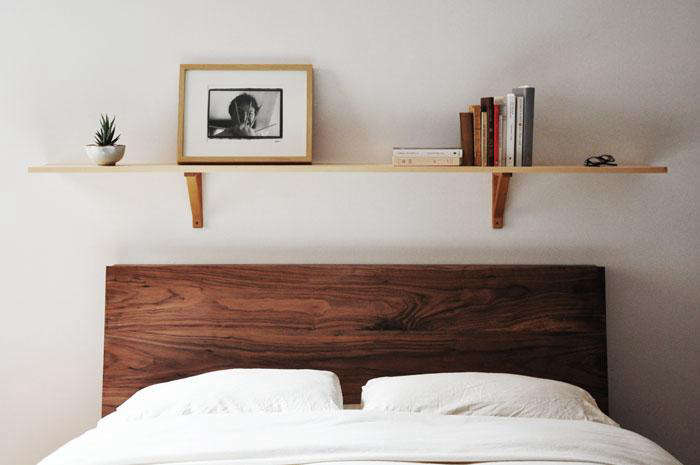
A wooden storage headboard sounds simple until you actually live with one. Then it becomes the quiet hero of the bedroom: part furniture, part architecture, part “where did I put my book?” rescue mission. When made with walnut, it also brings that unmistakable warm, chocolate-brown glow that makes a room feel more intentional, less cluttered, and slightly more grown-upeven if your laundry chair is still auditioning for a supporting role.
The phrase “a wooden storage headboard, made with walnut (and love)” captures more than a clever piece of bedroom furniture. It suggests a philosophy: useful design should be beautiful, durable, personal, and human. A headboard can do much more than sit behind pillows looking decorative. With thoughtful shelves, concealed cubbies, integrated ledges, or small compartments, it can replace bulky nightstands, organize daily essentials, and make a bedroom feel calm without turning it into a showroom where nobody is allowed to touch anything.
This article explores why walnut is such a beloved material for storage headboards, what makes this design practical, how to plan one for real homes, and how to care for it so it ages gracefully. Consider it a love letter to slow furniture, smart storage, and the noble art of not losing your glasses in the bedsheets.
Why a Walnut Storage Headboard Works So Well
It Solves a Real Bedroom Problem
Bedrooms are supposed to be restful, but they often become the final destination for everything that has no assigned home: books, chargers, water bottles, lip balm, reading glasses, sleep masks, notebooks, remotes, and the mysterious tiny object you refuse to throw away because it “goes to something.” A storage headboard gives these everyday items a logical place to land.
Unlike a traditional headboard, which mainly provides visual framing and pillow support, a wooden storage headboard adds function without demanding extra floor space. This makes it especially useful in apartments, guest rooms, small bedrooms, and minimalist interiors where every inch matters. Instead of squeezing two nightstands into a narrow room, you can build storage directly into the bed wall.
Walnut Brings Warmth Without Looking Heavy
American black walnut is one of the most admired hardwoods in furniture making. Its color ranges from medium brown to deep chocolate, often with purplish, gray, or golden undertones. The grain can be straight, wavy, or figured, which gives each board a personality of its own. Walnut does not need to shout. It enters the room, nods politely, and somehow makes everything look more expensive.
That is one reason walnut works beautifully in a bedroom. It feels warm and natural but not rustic by default. Depending on the design, a walnut storage headboard can look mid-century modern, Scandinavian, contemporary, handmade, or quietly luxurious. It pairs well with white bedding, linen textures, muted green walls, brass reading lamps, black metal accents, wool rugs, and even colorful art.
It Has the Right Balance of Strength and Workability
Walnut is a durable hardwood with good dimensional stability when properly dried and finished. It is not the hardest wood in the world, but that is part of its charm. It is strong enough for fine furniture while still being workable for careful joinery, shaping, sanding, and finishing. For a storage headboard, that means makers can create clean edges, rounded corners, book ledges, hidden compartments, and smooth drawer fronts without turning the project into a medieval arm-wrestling contest.
Because walnut takes finishes well, it can be protected with oil, hard-wax oil, lacquer, or other furniture finishes depending on the desired look and maintenance routine. A natural finish often highlights the wood’s depth best. Staining walnut is usually unnecessary; it already has the good looks of someone who woke up with perfect hair.
The Beauty of “Made with Love” Furniture
Slow Design Feels Different
Mass-produced furniture can be practical, affordable, and convenient, but handmade or small-batch wood furniture carries a different kind of presence. The phrase “made with love” may sound sentimental, but in woodworking it often means something very specific: attention to material, respect for flaws, patience during construction, and care in the finishing details.
A walnut board may include unusual grain, color variation, knots, or subtle marks from its life as a tree. Instead of hiding every irregularity, a thoughtful maker can turn those details into character. In a storage headboard, this matters because the piece sits at eye level and close to the body. You see it when you wake up. You touch it when you reach for a book. You notice the curve of the edge, the smoothness of the shelf, and the way the grain moves across the front panel.
Function Should Not Feel Cold
Storage furniture can easily become too utilitarian. Nobody wants a bedroom that feels like a filing cabinet with pillows. Walnut softens the idea of built-in storage. It gives cubbies, shelves, and compartments a furniture-like warmth. The result is organization that does not feel bossy.
That is the sweet spot: a headboard that helps you live better without announcing, “I am here to optimize your personal productivity.” Instead, it quietly holds your book, hides the charging cable, keeps the water glass off the floor, and lets the room breathe.
Smart Design Features for a Wooden Storage Headboard
Open Shelves for Everyday Items
Open shelving is the most common feature in a storage headboard. A shallow shelf can hold a book, phone, candle, small plant, framed photo, or alarm clock. The key is restraint. A shelf that is too deep can collect clutter, while one that is too shallow becomes decorative but not useful. For most bedrooms, a slim ledge is enough for bedtime essentials.
Open shelves work best when they are easy to reach from a lying or seated position. If you need to perform a full yoga twist to grab your glasses, the design has missed the assignment.
Concealed Compartments for Visual Calm
Hidden storage is ideal for items you want nearby but do not want staring at you all day: charging cords, medication, journals, sleep accessories, extra cables, or small electronics. Sliding doors, lift-up panels, or push-latch compartments can keep the headboard clean and uncluttered.
For walnut headboards, concealed doors also create an opportunity to showcase continuous grain. When the grain flows across drawer fronts or sliding panels, the piece looks refined and custom. It is the furniture equivalent of a perfectly tailored suit.
Integrated Lighting for Reading
A storage headboard can include built-in reading lights, wall-mounted sconces, or discreet LED strips. Lighting should be warm, focused, and easy to control from bed. The goal is to read comfortably without making the room feel like an airport runway.
If you are planning a custom walnut headboard, discuss wiring early. Cord management is not glamorous, but neither is waking up tangled in three charging cables and a lamp cord.
Charging Access Without Cable Chaos
Modern storage headboards often include USB ports, outlets, or cable pass-throughs. These features can be genuinely useful, especially when nightstands are small or absent. However, electrical components should be installed safely and thoughtfully. If the headboard is custom-built, use proper hardware, avoid pinched cords, and keep ventilation in mind for power strips or charging hubs.
Good design hides the mess but never ignores safety. A clean-looking headboard should still be easy to inspect, unplug, and maintain.
How to Plan a Walnut Storage Headboard for Your Room
Start with Bed Size and Wall Space
Before falling in love with a design, measure the bed, mattress height, ceiling height, outlets, windows, baseboards, and walking clearances. A storage headboard should feel proportional to the room. Too small, and it looks like an afterthought. Too large, and it becomes a wooden cliff looming over your dreams.
For a queen bed, many headboards are designed slightly wider than the mattress or bed frame to create a balanced look. For king beds, the piece can become a major architectural feature, so visual weight matters. A walnut headboard with open sections, floating shelves, or recessed panels can feel lighter than a solid wall of wood.
Think About What You Actually Store
The best storage headboard is based on real habits, not fantasy habits. If you read three books at once, build a book ledge. If you charge multiple devices, plan cable routing. If you keep skincare or medication nearby, add a small closed cubby. If you never use decorative objects, do not build six display shelves just because they looked nice in a photo.
Here is a practical example: in a small 11-by-12-foot bedroom, a walnut headboard with two side cubbies, a slim top ledge, and hidden cable channels can replace both nightstands. That frees floor space, makes vacuuming easier, and reduces visual clutter. In a larger primary bedroom, the same idea can expand into a wall-to-wall feature with integrated lights and floating shelves.
Choose Edges and Corners Carefully
A headboard lives close to your head, shoulders, pillows, and hands. Sharp corners may look crisp in photos, but softened edges are kinder in real life. Rounded or eased corners make the piece more comfortable and reduce the chance of midnight shin revenge.
This is especially important for storage openings. Anywhere a hand reaches regularly should feel smooth. Sanding, edge treatment, and finish quality matter just as much as the overall shape.
Walnut, Sustainability, and Material Choices
Solid Walnut vs. Walnut Veneer
A walnut storage headboard can be made from solid walnut, walnut veneer over plywood, or a combination of both. Solid walnut is beautiful and durable, but it can be expensive and heavy. Veneered panels can offer stability, efficient material use, and a consistent appearance, especially for large flat surfaces.
Neither option is automatically better in every situation. Solid wood is excellent for edges, frames, shelves, and details. High-quality veneer over stable panels can be smart for wide surfaces because it reduces seasonal movement. The important point is honesty: know what you are buying or building, and choose materials that match the budget, design, and expected use.
Composite Wood and Indoor Air Considerations
If a headboard uses plywood, MDF, or particleboard, look for products that meet current U.S. formaldehyde emission standards for composite wood. This is especially relevant for bedroom furniture because bedrooms are enclosed spaces where people spend long hours. A well-made piece should not rely on mystery materials or questionable adhesives.
For custom builds, ask about the panel type, finish, glue, and ventilation during curing. For ready-made furniture, check product details and labeling. You do not need to become a chemist, but a little awareness goes a long way.
Local and Reclaimed Materials
Using local or reclaimed wood can add depth to a project. Reclaimed walnut, when available and structurally appropriate, may include nail marks, color variation, or other signs of age. These details can make a headboard feel less like a product and more like a story.
However, reclaimed wood should be cleaned, checked, milled, and finished properly. Romantic material still needs practical preparation. Love is wonderful; splinters are not.
How to Style a Walnut Storage Headboard
Keep the Palette Calm
Walnut already provides rich color, so it pairs beautifully with calm bedding and natural textures. White, ivory, oatmeal, charcoal, olive, clay, navy, and soft gray all work well. Linen sheets, wool throws, cotton quilts, and woven baskets can make the room feel layered without competing with the wood.
Use Fewer Objects, Better Objects
Because the storage is visible, styling matters. A good rule is to keep only what is useful, meaningful, or beautiful. One small lamp, one book stack, one ceramic dish, and one plant will usually look better than seventeen tiny objects forming a dust convention.
Closed compartments are your friend. Use them for the less photogenic necessities of life: charging bricks, earplugs, tissues, and the emergency chocolate you definitely did not hide there.
Balance Wood with Softness
A wooden headboard can feel hard if the rest of the bedroom lacks softness. Add pillows with texture, a generous duvet, fabric curtains, or an area rug. The contrast makes the walnut look even better. It also keeps the room from feeling like a very stylish cabin where nobody is allowed to nap.
Care and Maintenance for a Walnut Headboard
Dust Gently and Avoid Excess Water
For regular cleaning, use a soft dry microfiber cloth. If needed, use a slightly damp cloth and wipe dry immediately. Avoid soaking the wood, spraying cleaner directly onto the surface, or using harsh chemicals. Walnut is durable, but it is still wood, not a kitchen sink.
Protect It from Sun and Extreme Humidity
Direct sunlight can change the color of walnut over time. Some mellowing is natural, but uneven exposure may create noticeable patches. If the bed sits near a bright window, consider curtains, shades, or rotating decorative items so the surface ages evenly.
Wood also responds to humidity. Very dry air can contribute to shrinkage or small cracks, while high humidity can encourage swelling or movement. A stable indoor environment is best. In many homes, a moderate humidity range helps solid wood furniture remain comfortable and stable.
Refresh the Finish When Needed
Maintenance depends on the finish. Lacquered walnut may only need dusting and careful cleaning. Oil or hard-wax oil finishes may benefit from occasional renewal according to the maker’s instructions. Do not overdo it. Furniture care should be like skincare for wood: consistent, gentle, and not based on whatever miracle product appeared in an ad at 1 a.m.
Safety Notes for Storage Headboards
Anchor Tall or Heavy Pieces
If a storage headboard is tall, heavy, freestanding, or connected to shelving, it should be secured properly according to the manufacturer’s instructions or a qualified installer’s guidance. Furniture tip-over prevention is especially important in homes with children, pets, or anyone who may pull on shelves for support.
Do Not Overload Shelves
Storage does not mean “put your entire library above your face.” Keep heavy items low and avoid placing large objects on overhead shelves. Books, lamps, and decor should be stable, appropriately sized, and positioned where they will not fall during daily use.
Plan for Earthquake-Prone Areas
In areas where earthquakes are a concern, open shelving above the bed deserves extra caution. Use lips, rails, closed compartments, or alternative storage locations. A beautiful headboard should improve sleep, not add a new category to your emergency preparedness list.
of Real-Life Experience: Living with a Walnut Storage Headboard
The first thing you notice about living with a walnut storage headboard is not the storage. It is the mood. Walnut changes the emotional temperature of a bedroom. A plain wall behind the bed can feel unfinished, and a basic headboard can feel decorative but passive. A walnut storage headboard feels like the room finally made a decision. It says, “This is where rest happens, and yes, we have a place for the charger.”
In daily use, the best feature is convenience. A small ledge behind the pillows becomes prime real estate. It holds the book you are pretending you will finish tonight, the glass of water you will absolutely knock over if it sits on the floor, and the phone you promised yourself you would stop checking before bed. When the headboard includes hidden storage, the bedroom becomes easier to reset in the morning. Slide the notebook away, tuck in the cable, close the compartment, and suddenly the room looks calmer than your schedule.
There is also a tactile pleasure that is hard to appreciate until you use the piece every day. Reaching for a smooth walnut shelf feels different from touching painted MDF or cold metal. The surface has warmth. The grain gives your eye somewhere to rest. Small variations in the wood make the headboard feel alive, not factory-flat. Over time, those details become familiar. You recognize a darker streak near the corner or a wavy grain line above the shelf the way you recognize the sound of your own front door.
One practical lesson: storage headboards work best when you edit them regularly. They are not magical clutter vacuums. If you treat the shelves like a dumping zone, they will look messy by Wednesday. A simple routine helps: keep daily-use items visible, store private or unattractive items behind doors, and remove anything that does not belong before it forms a tiny civilization.
Another lesson is that lighting matters more than expected. A walnut headboard with a warm reading lamp feels cozy and hotel-like. Without good lighting, the shelves can become shadowy and less useful. If building from scratch, plan outlets and light placement early. Retrofitting later is possible, but it often involves awkward cords, creative language, and at least one moment of wondering why you did not think of this sooner.
Finally, a walnut storage headboard rewards patience. It may cost more than a basic headboard, and a custom version takes planning. But the payoff is long-term usefulness. It is not just a backdrop for pillows. It is a daily tool, a design anchor, and a small act of care built into the room. That is where the “love” part becomes realnot in a slogan, but in the way the piece makes ordinary evenings easier, softer, and more beautiful.
Conclusion: A Headboard That Holds More Than Pillows
A wooden storage headboard made with walnut is more than a clever bedroom upgrade. It combines the visual richness of American black walnut with the everyday usefulness of smart storage. It can replace cluttered nightstands, frame the bed beautifully, hide modern necessities, and bring a handcrafted feeling into the most personal room in the home.
The best versions are thoughtfully proportioned, carefully finished, safely installed, and designed around real habits. They do not merely look good in photos; they make bedtime smoother and mornings calmer. And when the wood is chosen with care, the joinery is clean, and the design respects both beauty and function, a walnut storage headboard becomes the kind of furniture people keepnot because it is trendy, but because it quietly earns its place every single day.
In other words, yes: make it with walnut. Add storage. Add good lighting. Add rounded edges. Add a little patience. And if you can, add love. Furniture seems to notice.












