
Note: Body-only HTML for direct web publishing
Home design has a funny habit of acting like a teenager who swears they’re never going back to an old phase, only to show up six months later wearing the same jacket again. Retro home trends work the same way. One decade’s “dated” becomes the next decade’s “designer-approved,” and suddenly everyone is shopping for brass fixtures, bold wallpaper, and furniture with curves that look like they’ve been doing Pilates since 1974.
The good news is that today’s retro revival is smarter than a straight-up copy of the past. Instead of recreating your grandmother’s living room down to the crocheted tissue box cover, homeowners are pulling the best ideas from earlier eras and giving them a cleaner, more livable spin. The result is warm, layered, and full of personality. In other words, it looks like someone actually lives there, which is a refreshing change from homes that feel like sterile furniture showrooms.
If you love vintage character but still want your house to function like it belongs in this century, these retro home trends are worth a second look. Some bring texture, some bring color, and some bring just enough drama to make guests say, “Wait… why does this look so good?”
Why Retro Design Feels Right Again
Retro design is back because people are tired of rooms that feel overly safe, overly beige, and overly allergic to personality. Homeowners want spaces with warmth, story, craftsmanship, and a little visual wit. Vintage-inspired interiors offer exactly that. They make room for color, mixed materials, collected objects, and architectural details that don’t feel mass-produced.
Another reason these trends are returning is simple: many older ideas were genuinely practical. Built-ins save space. bar carts make entertaining easier. Floating vanities free up floor area. Natural materials like wood, wicker, stone, and brass age beautifully. When retro elements are reworked with modern proportions, updated finishes, and better lighting, they feel less costume-y and more timeless.
20 Retro Home Trends Worth Bringing Back
-
1. Vintage-Inspired Wallpaper
Bold wallpaper from the 1950s through the 1980s is back, but now it is being used with more restraint and more confidence. Instead of wrapping every wall in dizzying florals, try a single accent wall, a powder room, or the back of a bookshelf. A scallop print, geometric motif, or nostalgic botanical pattern can instantly wake up a sleepy room without sending it into visual chaos.
-
2. Bar Carts With Actual Charm
The classic bar cart is no longer just a prop for people who own exactly two cocktail shakers and one lemon. It is practical, flexible, and surprisingly stylish. A retro-inspired cart in brass, chrome, or warm wood can work in a dining room, living room, or even a kitchen corner. Style it with glassware, books, a lamp, and maybe one dramatic bowl of citrus if you want to look effortlessly sophisticated.
-
3. Clawfoot and Freestanding Tubs
Nothing says “bathroom bliss” quite like a tub that looks as if it deserves its own fan club. Clawfoot and freestanding tubs bring old-school elegance, but they also help a bathroom feel airy because they do not visually block the floor. In modern homes, they work best with simple tile, crisp paint, and updated plumbing fixtures so the room feels luxurious rather than theatrical.
-
4. Brass and Copper Finishes
After years of cool-toned metals dominating every faucet, pull, and light fixture in sight, warm metals are back doing what they do best: making a room feel richer. Brass and copper add glow, depth, and a touch of nostalgia. They look especially sharp against walnut cabinetry, deep green paint, creamy plaster walls, and stone countertops. The trick is balance, not a metal free-for-all.
-
5. Faux-Fur and Sheepskin Layers
Retro does not always mean loud. Sometimes it means soft enough to make you cancel plans. Faux-fur and sheepskin accents, especially as rugs, throws, or chair drapes, bring the cozy texture that defined so many 1970s spaces. Today’s version looks best when paired with cleaner furniture lines. Think one fluffy accent in a room with wood, linen, and matte finishes, not a full cave of shag.
-
6. Hairpin Legs
Hairpin legs are one of the easiest ways to sneak mid-century style into a room without buying an entire matching furniture set. Their skinny, airy shape makes tables and desks feel lighter, which is especially helpful in small spaces. Add them to a wood top bench, side table, or dining table, and suddenly the whole piece looks intentional, modern, and just retro enough.
-
7. Classic Shaker and Craftsman Cabinetry
Some trends come back because they never should have left. Shaker and Craftsman cabinetry falls squarely into that category. These cabinet styles are simple, hardworking, and versatile enough to suit farmhouse, transitional, vintage, or modern homes. Swap overly ornate detailing for clean lines, then update the look with painted finishes, warm stains, or mixed hardware for a fresh take.
-
8. Retro-Style Appliances
Colorful appliances inspired by the 1950s can make a kitchen feel cheerful instead of clinical. A cherry-red refrigerator, a butter-yellow range, or a pastel blue small appliance instantly gives the room character. The modern trick is to keep the rest of the kitchen grounded. Pair a playful appliance with simple cabinetry, restrained counters, and solid lighting so the look feels curated, not cartoonish.
-
9. Mid-Century Modern Furniture
Clean lines, tapered legs, warm wood, and practical silhouettes are a big reason mid-century furniture still works so well. It is retro, yes, but it also plays nicely with contemporary spaces. A teak sideboard, streamlined dining chair, or low-profile sofa can anchor a room without making it feel heavy. Bonus points if you mix old and new instead of creating a museum dedicated to 1962.
-
10. Wood Paneling With a Modern Upgrade
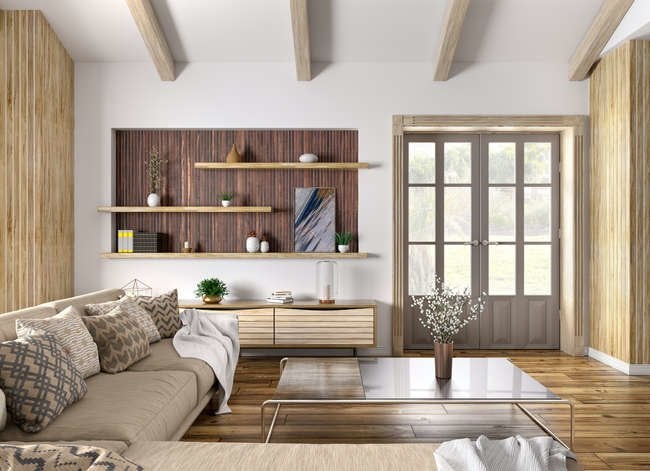
Wood paneling has spent decades trying to recover from its dark, orange-toned basement reputation. Thankfully, it is finally getting a glow-up. New paneling feels more architectural, with slimmer slats, lighter stains, and better spacing. Used on one wall, a ceiling detail, or a hallway niche, it adds warmth and depth. It feels less “rec room with a pool table” and more “designer knew what they were doing.”
-
11. Wicker, Rattan, and Bamboo Indoors
These materials used to be treated like they belonged only on porches and sunrooms. Not anymore. Rattan chairs, woven stools, bamboo lighting, and wicker storage pieces now bring texture indoors in a way that feels relaxed and collected. They pair beautifully with plaster, linen, and warm woods, and they help break up rooms full of hard surfaces that can otherwise feel a little too serious.
-
12. Macramé and Handmade Fiber Art
Macramé is back, and no, it is not just for that one corner of the house where a dusty plant hangs in eternal confusion. The appeal is texture. A wall hanging, plant holder, or woven divider can soften a room filled with straight edges and smooth finishes. Handmade fiber pieces also bring an artisan quality that makes spaces feel personal instead of assembled in one frantic weekend.
-
13. Houseplants as Design, Not Afterthought
The 1970s loved plants, and honestly, the 1970s had a point. Indoor greenery adds life, movement, and color that furniture simply cannot. Retro-minded homes often look best with leafy plants on stands, clustered pots, or a dramatic oversized specimen in the corner. The best modern approach is edited abundance: enough plants to make the room feel alive, not so many that guests wonder whether they need a map.
-
14. Pierced Tin Details
Punched tin is one of those details that quietly steals the show. Whether used on cabinet inserts, headboards, lantern-style lighting, or small decorative panels, it brings a handcrafted, slightly old-world texture that feels special. It works especially well in kitchens, mudrooms, and rustic-modern homes where you want a touch of pattern without the visual weight of full-blown wallpaper or tile.
-
15. Floating Furniture and Vanities
Floating pieces may feel modern, but they have retro roots in mid-century design. Suspended sideboards, vanities, and nightstands help rooms feel lighter and more open because they expose more floor beneath them. They are practical, too. Cleaning gets easier, storage looks less bulky, and the whole room gains a sleekness that offsets more decorative retro elements like bold wallpaper or warm metallics.
-
16. Memphis Design in Small Doses
Memphis design is the loud cousin at the family reunion, and that is exactly why people love it again. Born in the 1980s, it mixes bright colors, geometric forms, and playful irreverence. In a modern home, a little goes a long way. Try a rug, lamp, cushion, or side table with Memphis influence rather than turning your living room into a confetti cannon. One wink is chic; ten winks is chaos.
-
17. Conversation Pits and Sunken Seating Areas
Conversation pits are dramatic, nostalgic, and undeniably cool when done right. The modern version tones down the original era’s louder choices and focuses on comfort, texture, and good proportions. Neutral upholstery, integrated lighting, wood trim, and durable flooring can make a sunken seating area feel inviting instead of gimmicky. If you entertain often, this layout still has serious social power.
-
18. Mirrored Backsplashes
Yes, mirrored backsplashes are gloriously retro. Yes, they can look amazing. They bounce light, visually enlarge a kitchen, and add a slightly glamorous edge to everyday cooking spaces. The key is knowing your tolerance for sparkle. Use a single mirrored panel or restrained mirrored tile, then pair it with simple cabinetry and limited countertop clutter. Otherwise, your toaster may become the room’s most dramatic accessory.
-
19. Brutalist and Raw Material Finishes
Concrete, stone, rough wood, and unapologetically solid surfaces are making a comeback because they feel honest and grounded. Brutalist-inspired interiors are not about making your home resemble a parking structure. They are about using raw materials in a refined way. A concrete vanity, stone coffee table, or chunky plaster wall can add weight and contrast, especially in rooms softened by textiles, curves, and warm color.
-
20. Mixed Retro Layers Instead of Perfect Matching Sets
The biggest retro lesson may be this: homes are more interesting when everything does not match like it was purchased under fluorescent lighting in a panic. Mixed woods, vintage textiles, sculptural furniture, warm tones, and personal collectibles create depth. That layered look is exactly why so many retro trends feel relevant now. They remind us that a beautiful home should feel assembled over time, not cloned from a catalog.
How to Revisit Retro Without Making Your Home Feel Stuck in Time
The easiest way to use retro design well is to choose one dominant idea and a few supporting details. For example, you might pair wood paneling with modern lighting and a streamlined sofa, or install a brass faucet and mirrored backsplash inside an otherwise simple kitchen. Let one feature do the talking while the rest of the room keeps things grounded.
Scale matters, too. Oversized patterns, loud colors, and highly thematic accessories can tip a room from stylishly nostalgic into “film set for a sitcom reboot.” Use retro pieces with confidence, but give them space to breathe. A curved chair, a wicker pendant, or a vintage cabinet will have more impact when the room around it is edited.
Finally, remember that retro works best when it feels lived-in. The goal is not historical reenactment. It is comfort, character, and a sense of delight. You are not trying to move backward. You are borrowing the best ideas from the past and letting them grow up a little.
What It’s Actually Like to Live With Retro Home Trends
There is a big difference between liking retro design in photos and living with it every day. In pictures, a brass bar cart beside a velvet chair looks effortlessly glamorous. In real life, that same setup can become the place where mail lands, keys disappear, and someone leaves a half-empty mug that absolutely does not belong there. And yet, that is part of the charm. Retro-inspired spaces often feel more forgiving than ultra-minimal interiors because they are built around texture, personality, and visible life.
Walk into a home with warm wood paneling, layered lighting, a few houseplants, and one excellent vintage sideboard, and the room usually feels welcoming in a way that all-white spaces often do not. You want to sit down. You want to stay a while. You feel as though the homeowner has opinions, stories, and maybe a very strong preference about record players. Even when the room is not perfect, it feels human.
That sense of comfort is one of the best experiences retro design offers. A clawfoot tub turns an ordinary shower routine into something slower and calmer. A conversation pit or sunken seating area changes how people gather, because everyone naturally faces one another instead of staring at a television mounted like a household deity. A bar cart makes entertaining feel easier, not because it is necessary, but because it gives hospitality a home base. Suddenly hosting does not feel like a major production. It feels casual, spontaneous, and a little festive.
Retro materials also age in a satisfying way. Brass picks up patina. Wood gains character. Wicker looks even better when it does not seem freshly unboxed. Vintage rugs, textured fabrics, and painted furniture tend to hide everyday wear better than stark modern finishes. That does not mean retro homes are maintenance-free. Mirrored backsplashes still show fingerprints, and plants will absolutely judge you if you forget to water them. But many retro-inspired choices become more attractive as they settle into daily life.
Another experience people notice is emotional. These trends often stir memory. A floral wallpaper may remind someone of a grandparent’s hallway. A retro-style fridge may echo a childhood kitchen. A shaggy rug, a brass lamp, or a rattan chair can trigger the strange comfort of something familiar without making the room feel old. That emotional connection is powerful. It is one reason the current return to vintage and nostalgic design feels deeper than a passing fad.
Of course, living with retro style requires some editing. Too many throwback pieces in one room can feel crowded, and a home filled with nostalgia but no contrast can start to resemble a themed restaurant with excellent intentions. The best retro homes are the ones that mix memory with clarity. They use vintage cues to create mood, then rely on smart layouts, good storage, and modern function to make the space truly work.
In the end, revisiting retro trends is less about copying the past and more about choosing how you want your home to feel. If the answer is warmer, more playful, more layered, and more alive, then retro design has plenty to offer. It gives permission to decorate with emotion, to keep things a little imperfect, and to create rooms that are memorable instead of merely correct. And frankly, in a world full of safe interiors, a little retro swagger feels like a very good idea.
Final Thoughts
Retro home trends are not back because people suddenly want their houses to look frozen in 1972. They are back because the best elements from past decades still solve modern design problems. They add warmth to blank rooms, texture to flat surfaces, function to awkward spaces, and personality to homes that might otherwise feel anonymous. Whether you start with a bar cart, a brass sconce, or a full wall of paneling, the secret is the same: choose the pieces that make your home feel both stylish and unmistakably yours.













