
Money has always had a suspicious talent for attracting monsters. Some hide under bridges. Some live in mines. Some lurk in old houses, under lucky statues, or inside cautionary tales whispered by grandparents who had clearly seen enough questionable financial decisions for one lifetime.
Across world folklore, wealth is rarely treated as simple. It is magical, dangerous, tempting, fragile, and occasionally guarded by a creature with a terrible sense of humor. These legends are not just spooky campfire entertainment. They reveal how cultures think about greed, luck, labor, generosity, social class, and the eternal human dream of finding money without checking your bank app first.
From Buddhist wealth deities to Irish trickster fairies, from mining spirits to Korean monster-dragons with a taste for arrogant elites, these ten creatures can supposedly make your fortuneor turn your financial life into a supernatural customer service complaint.
Why Money Monsters Matter in Folklore
Before we meet the monsters, it helps to understand the pattern: money myths are almost never only about money. They are about behavior. The helpful spirit rewards respect. The trickster punishes laziness. The demon exposes greed. The house spirit leaves when mistreated. The mine spirit warns hardworking people but ignores the arrogant.
In other words, folklore invented financial literacy before budgeting apps arrived and started sending push notifications that feel personally judgmental.
The best “bank-breaking monsters” usually fall into three groups: wealth bringers, wealth guardians, and wealth punishers. Wealth bringers promise abundance. Wealth guardians make sure money is earned or respected. Wealth punishers show what happens when greed becomes the boss of the house. Together, they create a supernatural personal finance seminarwith more frogs, ghosts, and tiny cobblers than usual.
1. Yeongno: The Korean Monster That Eats the Rich
Yeongno is one of the most striking wealth-related monsters in Korean performance tradition. Often linked with masked dance drama, this creature is sometimes described as a dragon-like being or supernatural monster that targets corrupt or arrogant elites. In some versions, Yeongno must eat one hundred bad aristocrats to return to heaven.
Subtle? Absolutely not. Effective? Very.
Yeongno turns class resentment into theater. The monster is frightening, but the real target of the joke is not ordinary peopleit is the rich person who has forgotten humility. Unlike a treasure-guarding creature, Yeongno does not hand you coins or lead you to gold. Instead, it asks a sharper question: what kind of person does money turn you into?
Financial lesson from Yeongno
Wealth without humility can become a target. In modern terms, Yeongno is the monster version of reputation risk. If success makes someone exploitative, arrogant, or cruel, folklore says the bill eventually arrivesand it may have teeth.
2. Mammon: The Demon of Greed
Mammon is less a monster with claws and more a spiritual warning sign flashing over a pile of gold. In biblical and later Christian tradition, Mammon became associated with riches, greed, and the seductive power of material wealth. Medieval writers often personified Mammon as a demon or false god of avarice.
Mammon is dangerous because he does not need to break into your house. He simply convinces you that your value equals your net worth, your happiness equals your possessions, and your neighbor’s new car is a personal attack.
That is the trick. Mammon does not merely want you to have money. He wants money to have you.
Financial lesson from Mammon
There is a difference between building security and worshiping accumulation. Saving for emergencies is wise. Burning relationships, ethics, sleep, and joy to chase one more shiny object is Mammon territory. The monster breaks your bank by making “enough” feel impossible.
3. Toyol: The Folklore Thief That Steals for Its Master
The Toyol, also spelled Tuyul in some regions, appears in Malay and Indonesian folklore as a small supernatural being associated with theft and secret gain. In many stories, a greedy person tries to use the creature to steal money or valuables from others.
As wealth monsters go, Toyol is the shady shortcut. It represents the fantasy of profit without accountability: someone else does the dirty work, and the owner collects the benefits. Of course, folklore rarely allows that arrangement to end neatly. Stories about Toyol often carry a moral warning about stolen wealth, suspicion, and the social damage caused by unexplained prosperity.
In village storytelling, a Toyol can also explain why money disappears or why a neighbor suddenly appears richer than common sense allows. It is gossip, fear, and financial anxiety wearing a monster mask.
Financial lesson from Toyol
Fast money with dirty roots usually brings trouble. Whether the “Toyol” is fraud, theft, corruption, or a too-good-to-be-true scheme, the lesson is the same: money gained without integrity rarely stays quiet.
4. Leprechaun: The Trickster With a Pot of Gold
The Leprechaun may be the world’s most famous tiny financial consultant, although his customer service reviews are mixed. In Irish folklore, Leprechauns are solitary fairies, often imagined as small old men who make shoes and hide treasure. Catch one, the stories say, and he may reveal where his gold is hiddenprovided you do not blink, look away, or fall for a trick.
And that is the problem. Leprechauns are masters of loopholes. A person may think they have outsmarted the fairy, only to discover the gold is impossible to identify, retrieve, or keep. The pot of gold exists, but access requires more focus than most humans can manage.
This makes the Leprechaun a perfect symbol for speculative wealth. The prize is dazzling. The rules are slippery. The risk of embarrassment is high.
Financial lesson from the Leprechaun
Not every opportunity that sparkles is practical. The Leprechaun reminds us that chasing “easy money” often means overlooking the fine print. If a deal depends on perfect timing, secret knowledge, and magical luck, maybe do not put your rent money into it.
5. Iliphru: The Hat-for-Gold Dwarf of Ladakh
Iliphru appears in folklore from the Ladakh region as a dwarf-like being associated with luck and gold. In the tales, the creature’s belongingsespecially a hatcan become the center of a strange bargain. If a human manages to obtain the item, the Iliphru may offer gold to get it back.
At first glance, this sounds like a delightful business model: find supernatural hat, negotiate aggressively, retire early. But look closer and the story becomes less comfortable. The “wealth” comes from leverage. The human is not earning treasure through skill or service; they are pressuring a mysterious being into payment.
Folklore often uses such stories to test character. Would you use someone’s vulnerability for personal gain? Would you confuse cleverness with fairness? Would you call it “entrepreneurship” because “extorting a dwarf” looks bad on LinkedIn?
Financial lesson from Iliphru
Leverage is powerful, but ethics matter. A great negotiation should not require bullying, deception, or exploitation. Iliphru is the monster of “technically legal, morally questionable” profit.
6. Zashiki-Warashi: The Child Spirit That Brings Household Fortune
In Japanese folklore, Zashiki-Warashi are childlike house spirits often associated with old homes, especially in northeastern Japan. Their presence may be signaled by small noises, playful mischief, or fleeting glimpses. A household blessed by a Zashiki-Warashi is said to enjoy prosperity; a household that drives the spirit away may suffer misfortune.
This is one of the gentler wealth myths, though “gentle” is doing some work when a mysterious child spirit is running around the house at night. Still, the core idea is beautiful: fortune lives where it is welcomed, protected, and treated with respect.
The Zashiki-Warashi does not reward greed. It rewards care. The spirit’s blessing is tied to the home, not a treasure chest. Prosperity here means stability, continuity, and a household that does not treat the invisible foundations of good luck like trash.
Financial lesson from Zashiki-Warashi
Wealth is not only income. A peaceful home, strong relationships, and respect for what sustains you are also forms of prosperity. Ignore those, and your “bank” may be full while your life feels bankrupt.
7. Tommyknockers: Mine Spirits That Warnor Withhold Warning
Tommyknockers come from mining folklore carried by Cornish miners and later embedded in American mining legends. These underground spirits are often described as small, gnome-like beings who knock on mine walls. Sometimes the knocking warns miners of danger. Sometimes it points toward rich ore. Sometimes it just means the little fellows are in a mood.
For miners facing dangerous work underground, Tommyknockers gave sound and uncertainty a story. A creak in the timber could be physics, or it could be a warning. Either way, listening might save your life.
They also represent respect for risk. Mines could create wealth, but they could also collapse. Tommyknockers were not cute mascots for easy riches. They were reminders that fortunes dug from the earth came with danger, discipline, and humility.
Financial lesson from Tommyknockers
Listen for warnings before disaster. In personal finance, the “knocking” might be rising debt, late bills, unstable income, or an investment you do not understand. Ignore the sound, and the cave-in may not be supernatural at all.
8. Matagot: The French Money Cat With Terms and Conditions
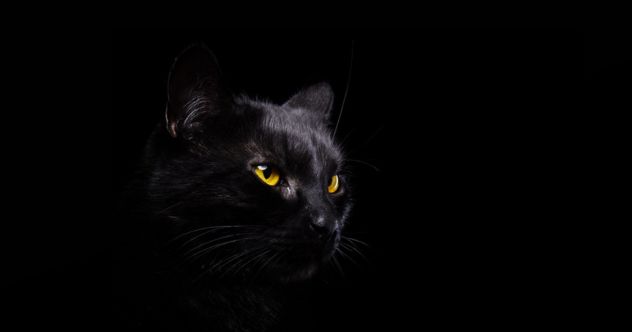
The Matagot is a creature from French folklore often imagined as a black cat or animal spirit. In some tales, a well-treated Matagot brings its keeper a gold coin each day. Naturally, this sounds fantasticuntil you notice the contract seems to have been written by a haunted attorney.
The Matagot must be cared for properly. It may need the first bite of food, proper attention, and respect. In some stories, the relationship must be ended or passed on correctly before death, or the owner suffers. In other words, the money cat is not passive income. It is active responsibility with whiskers.
The Matagot is fascinating because it turns wealth into a relationship. If you want the coin, you must honor the arrangement. Break trust, and the helpful spirit becomes a problem.
Financial lesson from the Matagot
Every income stream has maintenance costs. Rental property, a business, a side hustle, a portfolio, even a careernothing produces forever if neglected. The Matagot says, “Feed the system that feeds you.” Also, maybe do not annoy the cat.
9. Jin Chan: The Three-Legged Money Frog
Jin Chan, often called the Money Frog or Money Toad, is a popular Chinese symbol connected with prosperity and good fortune. Statues often show the three-legged frog sitting on coins, sometimes holding a coin in its mouth. It is widely used in feng shui as a charm meant to attract and protect wealth.
Unlike monsters that hoard treasure, Jin Chan is often treated as a converter of greed into generosity. Some legends connect the creature with transformation: a greedy being becomes associated with helping wealth flow to people who need it. That makes Jin Chan less of a “get rich quick” creature and more of a symbol of corrected desire.
Still, no frog statue can repair a chaotic budget by itself. If it could, banks would have amphibian departments.
Financial lesson from Jin Chan
Symbols can motivate behavior, but they cannot replace action. A Money Frog on your desk may remind you to respect cash flow, but saving, planning, earning, and avoiding waste still do the heavy lifting.
10. Jambhala: The Wealth Deity Who Challenges Greed
Jambhala is a Buddhist deity associated with wealth, prosperity, and protection from poverty. In Buddhist art, he may be shown with symbols of abundance, including a mongoose that disgorges jewels. But Jambhala is not simply a supernatural ATM. His wealth is tied to generosity, spiritual stability, and the removal of conditions that prevent people from living well.
This distinction matters. Jambhala does not represent greed. He represents enoughness: the kind of abundance that reduces fear and allows a person to practice compassion. That is a very different idea from endless accumulation.
In a modern money culture obsessed with more, Jambhala feels refreshingly practical. The point is not to drown in luxury. The point is to be free from the panic that keeps people from becoming better.
Financial lesson from Jambhala
The healthiest wealth supports a meaningful life. Money should reduce suffering, create stability, and make generosity possible. If wealth makes you smaller, meaner, or more afraid, you may have missed the blessing and grabbed the monster instead.
What These 10 Money Monsters Teach Us
These creatures come from different cultures, but they keep circling the same truth: money is never neutral in folklore. It tests people. It reveals motives. It magnifies character. It can protect a family, fund a dream, corrupt a heart, or turn an ordinary person into the villain of a cautionary tale.
Yeongno punishes arrogant wealth. Mammon exposes greed. Toyol warns against stolen money. Leprechauns mock shortcuts. Iliphru questions exploitative bargaining. Zashiki-Warashi blesses respectful homes. Tommyknockers reward those who listen to danger. Matagots demand responsibility. Jin Chan symbolizes wealth flow. Jambhala reminds us that prosperity without compassion is spiritually poor.
That is why these legends still feel relevant. We may not leave food for mine spirits or chase fairy shoemakers through fields, but we still face the same choices. Do we chase money ethically? Do we listen to warning signs? Do we confuse luck with wisdom? Do we treat wealth as a tool or a throne?
Experience Notes: How These Monsters Apply to Real-Life Money Choices
The most useful way to read these monster stories is not as superstition, but as emotional finance. Everyone has met a version of these creatures in real life, even without the claws, coins, and suspiciously chatty frogs.
The Leprechaun shows up whenever someone hears about a “secret opportunity” that supposedly makes ordinary planning unnecessary. It may be a hot investment tip, a viral side hustle, or a limited-time offer with more urgency than explanation. The promise is always shiny. The catch is always hiding in the bushes. A practical reader learns to pause, research, compare, and ask: “If this is so easy, why is a stranger so excited for me to join?”
Mammon appears when financial ambition becomes identity. It can happen slowly. First, you want stability. Then comfort. Then status. Then you start measuring yourself against people whose lives you only see through edited photos and expensive captions. The lesson is not that ambition is bad. Ambition can build careers, businesses, homes, and freedom. But when ambition starts eating your peace, your friendships, and your ability to enjoy what you already have, the demon is no longer outside the door. It has moved into the living room and is asking about granite countertops.
The Tommyknockers are the warning signs people ignore because the money still looks good. A credit card balance grows. A client pays late again. A business partner avoids clear answers. A job pays well but drains your health. These are knocks in the wall. Folklore says wise miners listened before the collapse. Modern readers should do the same. Financial danger rarely arrives without sound; we simply train ourselves to call the sound “stress” and keep digging.
The Matagot is every asset that requires care. A side business needs bookkeeping. A rental needs repairs. A professional skill needs practice. Even savings need protection from inflation, fees, and impulse spending. People love the idea of passive income, but most income is only passive after active systems are built. Feed the cat, or stop expecting coins.
Zashiki-Warashi brings the quietest but perhaps most important lesson. A household can look successful while being emotionally broke. If money creates constant conflict, secrecy, resentment, or fear, prosperity has not truly entered the house. Family budgets, shared goals, honest conversations, and small rituals of gratitude may sound less exciting than a treasure map, but they keep the house spirit from packing its tiny ghost suitcase and leaving.
Finally, Jambhala offers the healthiest financial experience: wealth as support, not obsession. The best money plan is not the one that makes you feel superior. It is the one that helps you sleep, give, learn, recover from emergencies, and live with dignity. In that sense, the real monster is not poverty or wealth by itself. The monster is losing your judgment. The treasure is keeping it.
Conclusion
“10 Monsters That Can Make–or Break–Your Bank” is more than a tour of strange folklore. It is a reminder that humans have always known money can behave like magic: helpful when respected, dangerous when worshiped, and hilarious when guarded by a tiny shoemaker with commitment issues.
These legends teach that prosperity is not only about getting more. It is about earning wisely, sharing responsibly, listening to risk, protecting the home, and refusing to let greed become the loudest voice in the room. Whether you believe in spirits or simply believe in smart decisions, the message is clear: build wealth like Jambhala, listen like a miner, negotiate without becoming an Iliphru villain, and never trust a Leprechaun who tells you the gold is “basically guaranteed.”











