
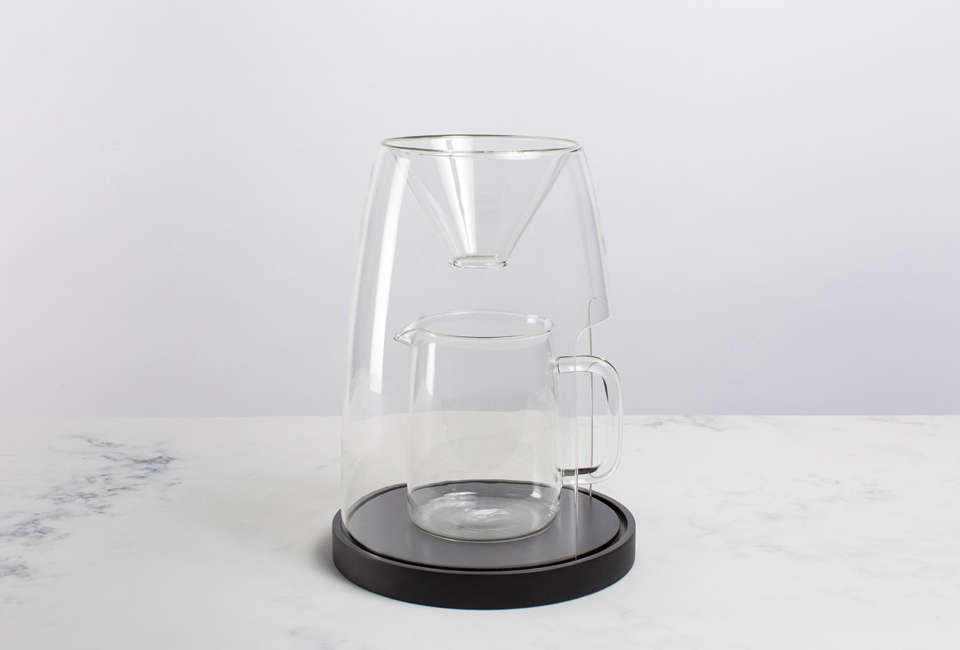
There are two kinds of people in the morning: the “hit snooze until it’s basically lunch” crowd, and the “I will measure 22 grams of coffee like my life depends on it” crowd. The Manual Coffeemaker Nº1 is unapologetically for the second groupthough it has a sneaky habit of converting the first.
Part countertop sculpture, part single-cup pour-over system, Manual Coffeemaker Nº1 (often nicknamed “MCM”) was designed to celebrate the ritual of brewing coffee by handslowly, deliberately, and with just enough ceremony to make your kitchen feel like a tiny café that charges $0 for oat milk.
What Is Manual Coffeemaker Nº1, Exactly?
Manual Coffeemaker Nº1 is a single-serve pour-over coffee maker built around a simple idea: great coffee doesn’t need buttons, pods, or a blinking clock that permanently reads “12:00.” It needs good beans, good water, a filter, and a brewer that makes the process easy to repeat.
What sets Nº1 apart is the “complete system” feel. Instead of a loose collection of parts you store in three separate drawers (and a fourth drawer you call “the chaos drawer”), it’s designed to live on the counter: brewer up top, carafe below, and a stable base that visually says, “Yes, I have my life together,” even if you absolutely do not.
Depending on where you encountered it, you may also have seen it described as discontinued. That matters if you’re hunting for onebut even if you never own the original, the design philosophy behind it can still level up your manual brewing game.
Why Manual Brewing Still Wins Hearts (and Taste Buds)
Pour-over brewing has been around for decades, but it keeps coming back because it gives you control over the variables that change flavor: grind size, water temperature, brew ratio, and pour pattern.
Done well, pour-over tends to produce a cup that’s cleaner and more defined than many immersion methods. You’ll taste clearer fruit notes in a light roast, more chocolate in a medium roast, and more “oh wow, this is why people are annoying about coffee” in general.
The big idea: extraction, not magic
Coffee brewing is essentially controlled extraction: water dissolves flavorful compounds from coffee grounds, then carries them into your cup. Extract too little and the coffee tastes sour, thin, or “kinda like hot bean water.” Extract too much and you get bitterness, dryness, and regret.
Manual Coffeemaker Nº1 was designed to make that extraction feel approachableless “lab experiment” and more “a calm five-minute ritual that keeps me from checking email immediately.”
The Core Variables (a.k.a. The Levers of Deliciousness)
1) Coffee-to-water ratio
A reliable starting point for pour-over is a 1:16 to 1:17 coffee-to-water ratio by weight. In human terms: 20g coffee with 320–340g water makes a satisfying, café-style mug.
Want it stronger? Use a slightly tighter ratio (more coffee for the same water). Want it lighter? Open the ratio up a bit. The key is consistencychange one variable at a time so you actually learn what happened instead of blaming the moon phase.
2) Grind size
For most pour-over brewers, start with a medium grindthink “kosher salt.” If your brew runs through too fast and tastes sour or weak, grind finer. If it stalls out and tastes harsh or bitter, grind coarser.
3) Water temperature
The sweet spot for brewing water is typically 195°F to 205°F. Boiling water can be too aggressive for some coffees, and cooler water can under-extract. If you don’t have a thermometer, a simple trick is to boil, then wait roughly 30 seconds before pouring.
4) Water quality
Coffee is mostly water, which means water quality matters more than your “fancy beans” budget wants to admit. If your tap water tastes off, your coffee will too. Filtered water is a simple upgrade.
5) Bloom + pour control
Fresh coffee releases CO2 when it first meets hot water. The bloom stepwetting the grounds and waiting brieflylets gas escape so water can extract more evenly. This is why the coffee bed puffs up like it’s trying to impress you.
How to Brew With Manual Coffeemaker Nº1 (Step-by-Step)
The process below works beautifully for Manual Coffeemaker Nº1 and also translates well to most single-cup pour-over drippers. Think of it as the “foundation recipe” you can customize.
What you’ll need
- Fresh coffee beans (start with a medium roast if you want easy-mode flavor)
- A burr grinder (manual or electric)
- Paper filter that fits your brewer
- Kettle (gooseneck helps, but any kettle is better than “random splashing”)
- Scale (highly recommended) and a timer
Base recipe (single mug)
- Coffee: 22g
- Water: 350g (about 12 oz)
- Ratio: ~1:16
- Total brew time: about 2:30 to 4:00
- Heat your water. Aim for 195–205°F. If you boil, give it a short rest before pouring.
- Rinse the filter. Place the filter in the brewer, rinse thoroughly with hot water, then discard the rinse water. This removes paper taste and preheats everything.
- Add coffee and level the bed. Add your ground coffee and gently shake/tap so the surface is flat. A level bed helps water move evenly instead of carving one dramatic canyon through the middle.
- Bloom (30–45 seconds). Pour just enough water to fully wet the groundsoften about 2x the coffee weight (for 22g coffee, try ~45g water). Pause and let the coffee puff up and settle.
- Pour in stages. Continue pouring slowly in small circles, keeping the water level fairly steady. Avoid pouring directly on the filter walls (it can bypass the grounds and weaken extraction).
- Finish and let it draw down. Stop pouring when you hit 350g total water. Let the water finish dripping through. If it finishes wildly fast (under ~2 minutes), grind finer. If it crawls past ~4 minutes, grind coarser.
- Swirl, serve, enjoy. Give the carafe or mug a small swirl to mix the brew, then pour. Congratulations: you just made “coffee shop coffee” without paying coffee shop rent.
Dialing In Taste: Quick Fixes for Real-Life Coffee Problems
If it tastes sour, sharp, or watery
- Grind a bit finer (most common fix)
- Slow your pour slightly and keep the bed evenly saturated
- Use slightly hotter water (within the 195–205°F range)
- Consider a slightly stronger ratio (example: 22g coffee to 330g water)
If it tastes bitter, harsh, or dry
- Grind a bit coarser
- Speed up the pour just a touch
- Use slightly cooler water (still in range)
- Try a slightly weaker ratio (example: 20g coffee to 350g water)
If it’s inconsistent from cup to cup
- Use a scale (volume measurements are chaos in disguise)
- Keep your kettle pour steady and avoid blasting the bed
- Rinse filters and preheat every time (yes, every time)
- Check grinder consistencyuneven grinds can cause both sourness and bitterness in the same cup
The “Right” Accessories (Without Turning Your Kitchen Into a Coffee Lab)
You don’t need a drawer full of gadgets to brew well. But a few essentials make Manual Coffeemaker Nº1 (and pour-over in general) dramatically easier.
Burr grinder
Burr grinders produce more consistent particles than blade grinders, which helps extraction happen evenly. Consistency is the boring secret behind a great cup.
Gooseneck kettle
A gooseneck spout gives you controlslow flow, steady circles, fewer accidental tidal waves. If you’re serious about pour-over, this is the “worth it” upgrade.
Digital scale + timer
Coffee brewing is repeatable when you measure. A scale lets you replicate what worked yesterday instead of guessing and hoping your taste buds forgive you today.
Cleaning and Care (and the Bamboo Base “Patina” Glow-Up)
One reason people love Manual Coffeemaker Nº1 is that it’s designed like an object you keep outnot something you hide after a single use. But if it’s going to live on your counter, it needs to be easy to maintain.
Glass components
- Rinse immediately after brewing to prevent coffee oils from clinging.
- Wash with warm, soapy water. A soft bottle brush helps with corners.
- If oils build up, a quick soak with warm water + a bit of baking soda can help.
Bamboo base
- Wipe clean; avoid soaking it like it’s a soup bowl.
- Occasionally oil it (food-safe mineral oil works well) to keep it looking good.
- Minor coffee drips can darken over timesome people call this “patina,” others call it “proof I’m alive before noon.”
Is Manual Coffeemaker Nº1 Worth It?
If you can find one, the real value is the combination of design + function. It’s a pour-over brewer that feels like a cohesive appliance, not a temporary contraption. It invites consistency, and consistency makes better coffee.
But let’s be honest: the “worth it” question depends on what you want. If you want coffee with the least effort possible, a good drip machine is your soulmate. If you want a small daily ritual with a genuinely delicious reward, Manual Coffeemaker Nº1 is your kind of weirdin the best way.
If You Can’t Find Manual Coffeemaker Nº1: Great Alternatives
If Nº1 is discontinued or hard to track down, you can still get the same core experiencemanual control, single-cup precisionusing other beloved manual brewers.
Classic pour-over drippers
- Conical drippers (V60-style): Bright, complex cups; very responsive to technique.
- Flat-bottom drippers: Often more forgiving and consistent for beginners.
- Thicker-filter systems: Slower flow can emphasize sweetness and clarity.
Other manual methods (different vibe, still excellent)
- AeroPress: Fast, portable, versatilegreat for travel and experimentation.
- French press: Rich body and oils; forgiving; best if you like a heavier cup.
- Moka pot: Strong, stovetop coffee with a bold flavor profile.
The best “alternative” is the one you’ll actually use every day. The brewer that sits forgotten in a cabinet makes exactly zero cups of coffee.
FAQ
Do I really need a scale?
If you want consistent results, yes. If you want caffeine and chaos, no. A scale is the easiest way to stop guessing and start repeating your best cups.
How long should a single-cup pour-over take?
Most single-cup pour-overs land in the 2–4 minute range, depending on dose, grind, and brewer design. Outside that window isn’t “wrong,” but it often hints at a grind adjustment.
Why does my coffee channel (runs through one spot)?
Channeling happens when water finds a fast path. Level your grounds, pour gently, and avoid pouring directly on the filter walls. If it still channels, adjust grind slightly finer and try slower, more even pours.
Experiences With Manual Coffeemaker Nº1 (500-Word Real-World Add-On)
Manual Coffeemaker Nº1 is the kind of brewer that changes your morning in a sneaky way. You don’t wake up thinking, “Today I will become a person who enjoys controlled extraction.” You wake up thinking, “I need coffee.” Then, five minutes later, you’re standing over a glass brewer watching a bloom rise like a tiny coffee soufflé, and suddenly you’re calm enough to remember your own name.
The first noticeable experience is visibility. With many brewers, you’re guessing: “Is the mug overflowing? Is the flow too fast? Did I accidentally create a swamp?” With Nº1’s glass setup and marked carafe, you can see exactly what’s happening. The moment you rinse the filter, you realize you’ve been under-preheating your gear for years. The moment you bloom properly, you realize your old “just dump water on it” method was basically coffee speed-running.
There’s also a satisfying “set” to the routine. The brewer sits ready. You don’t assemble a tower of parts like you’re building a tiny kitchen robot. You grind, you pour, you watch, you sip. And because it’s designed to be slightly slower (by intention), it encourages you to stop treating coffee like a pit stop. It becomes a short ritual that feels earnedlike you didn’t just drink caffeine, you participated in your own morning.
In practice, most people start with a standard recipesay 22 grams of coffee to 350 grams of waterand then begin the fun part: tweaking. One day you’ll try a slightly finer grind and notice the cup gets sweeter. Another day you’ll pour more gently and suddenly your coffee tastes clearer, less “busy.” If you use a fruit-forward light roast, you may find yourself saying things like, “This tastes like berries,” and then immediately questioning who you’ve become. (Don’t worry. It happens to the best of us.)
The brewer also encourages better habits without yelling at you. Because it looks good on the counter, you’ll keep it out, which means you’ll use it more, which means you’ll clean it more, which means your coffee won’t slowly pick up that “yesterday’s oils” flavor. And the bamboo base? Over time it can develop a gentle darkening from tiny coffee drips. Some people baby it with oil like it’s a cutting board in a luxury spa. Others proudly treat the patina as a living record of every Monday they survived.
The biggest “experience” shift is this: manual brewing makes you pay attention. Not in a stressful waymore in a “hey, my brain is awake now” way. It’s five minutes of doing one thing on purpose. And then you drink the result. If you’re going to have a daily ritual, it might as well end in something delicious.











