
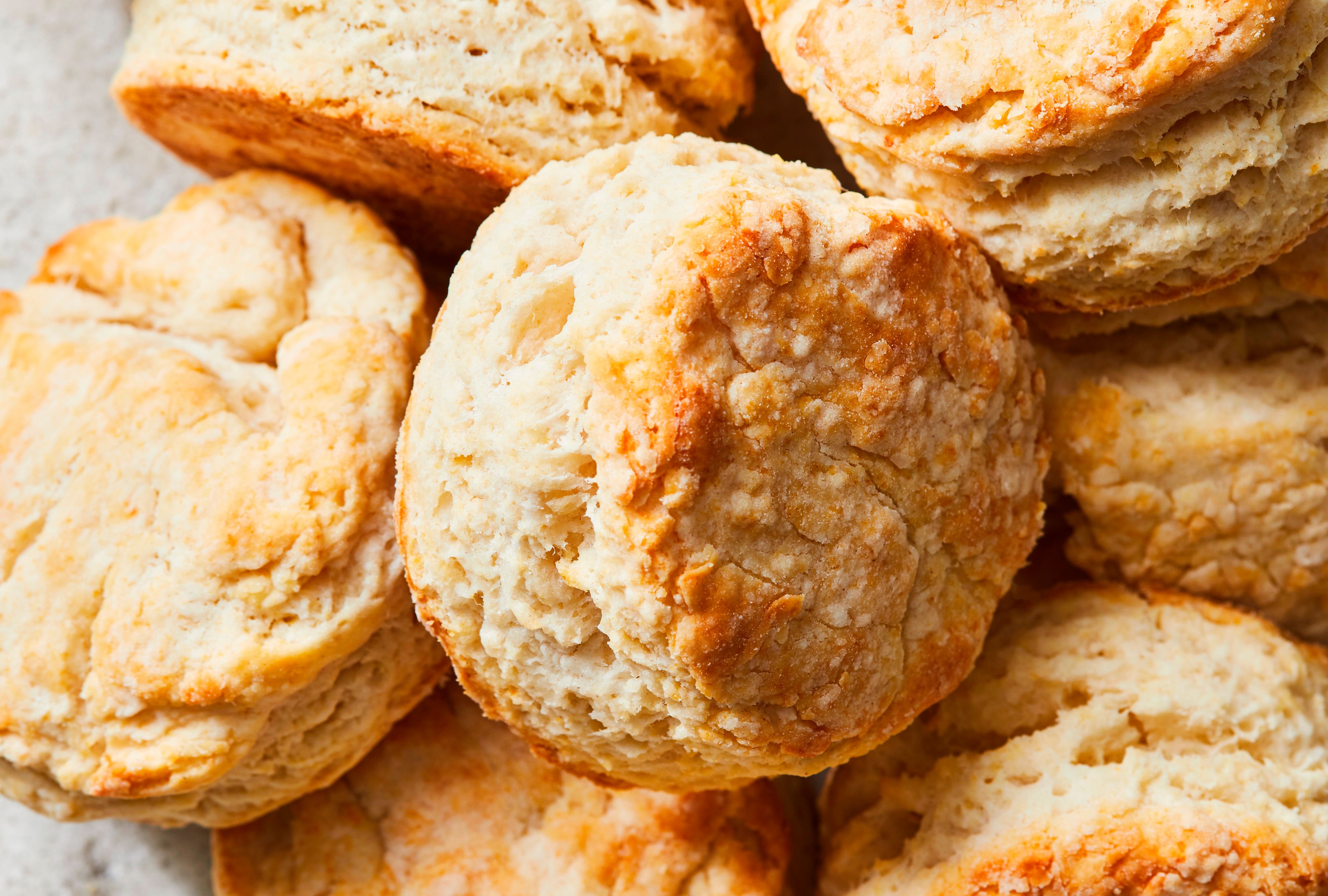
There are few smells in this world more persuasive than buttery biscuits coming out of the oven. They do not ask for your attention politely. They kick open the kitchen door, wave a little cloud of steam around, and announce that dinner, breakfast, or emotional healing is now available in bread form. That is exactly why BHG’s Best Buttery Biscuit Recipe deserves a spot in any home baker’s rotation. It is simple, classic, and deeply satisfying without requiring a culinary degree, a wood-fired oven, or a grandmother who judges your flour technique from across the room.
This version is written in a completely fresh style, but it follows the real baking logic behind great homemade biscuits: cold fat, gentle mixing, a dough that is shaggy instead of smooth, and enough layering to create those lovely flaky seams that beg to be split open and slathered with butter, jam, honey, or sausage gravy. If you have ever made biscuits that turned out flat, tough, pale, or vaguely tragic, do not worry. Biscuit disasters happen. They are practically a rite of passage. The good news is that once you understand the “why” behind the method, making tender, golden biscuits becomes much less mysterious and much more delicious.
In this guide, you will learn how to make a buttery biscuit recipe from scratch, why each ingredient matters, how to avoid common biscuit mistakes, and how to get that bakery-style texture at home. We will also cover serving ideas, storage tips, and a longer section on real-life biscuit experiences, because the story of biscuits is never just about flour and butter. It is about comfort, timing, memory, and the wildly unreasonable urge to eat one standing over the stove before anyone else sees them.
Why This Buttery Biscuit Recipe Works
A truly great homemade biscuit recipe balances three things at once: flavor, tenderness, and lift. That sounds fancy, but it really comes down to using the right ingredients in the right way. Butter brings flavor and browning. A little shortening can help create taller, cleaner layers if you want a more classic test-kitchen style biscuit. Buttermilk adds tang and tenderness. Baking powder handles most of the lift, while a small amount of baking soda helps the buttermilk do its thing. Put all that together, and you get biscuits that are crisp and golden outside, soft inside, and flaky enough to peel apart with your fingers.
Cold Fat Creates Flaky Layers
If biscuit recipes had a golden rule, it would be this: keep the butter cold. Really cold. Not “it was cold emotionally at some point earlier today” cold. Actually cold. Small pieces of butter trapped in the dough melt in the oven and release steam, which helps build layers. If the butter softens too early, it blends into the flour too completely and your biscuits lose that prized flaky texture. They may still be edible, but they will not have that dramatic split-down-the-middle beauty that makes homemade biscuits feel special.
Buttermilk Brings Tenderness and Tang
Buttermilk does more than add a little zip. Its acidity helps create a tender crumb and works with the leavening for a better rise. That is why buttermilk biscuits are so beloved. The flavor is balanced, rich, and just slightly tangy, which keeps the biscuits from tasting flat. If you only have milk, you can use it, but buttermilk gives the final result more personality. It is the difference between a polite handshake and a warm Southern hug.
Gentle Handling Keeps the Biscuits Soft
Biscuit dough should not be worked like bread dough. The more you stir, knead, or reroll, the more gluten develops, and the more your biscuits lean toward chewy instead of tender. That is why the dough should look a little rough around the edges before shaping. Shaggy is good. Crumbly is normal. Overly smooth is suspicious. You want the dough to come together just enough to be folded and cut, not enough to look like it is auditioning for a dinner-roll calendar.
Folding Builds the Signature Layers
One of the smartest tricks in any flaky biscuit recipe is folding the dough a few times before cutting. This simple move creates stacked layers, much like a very casual, less dramatic version of laminated dough. You do not need dozens of folds. Two or three quick letter-style folds are enough to improve height and flakiness without turning the process into a weekend commitment.
Ingredients for BHG’s Best Buttery Biscuit Recipe
This ingredient list gives you classic flavor with reliable structure. It keeps the spirit of a rich, buttery biscuit while staying practical for home cooks.
- 2 1/2 cups all-purpose flour, plus extra for the work surface
- 1 tablespoon baking powder
- 1/4 teaspoon baking soda
- 1 tablespoon granulated sugar
- 1 teaspoon kosher salt
- 1/2 cup cold unsalted butter, cut into cubes or grated
- 1/4 cup cold shortening
- 1 cup cold buttermilk, plus 1 to 2 extra tablespoons if needed
- 2 tablespoons melted butter for brushing
All-butter option: If you want even more butter flavor, replace the shortening with an extra 1/4 cup cold butter. The biscuits may spread a little more, but they will taste wonderfully rich.
How to Make BHG’s Best Buttery Biscuit Recipe
1. Prep the Oven and Pan
Preheat your oven to 450°F. Line a baking sheet with parchment paper. A hot oven is important because it helps the biscuits rise quickly before the butter fully melts out. This is not the time for a lazy, lukewarm oven. Biscuit dough appreciates urgency.
2. Mix the Dry Ingredients
In a large bowl, whisk together the flour, baking powder, baking soda, sugar, and salt. Whisking matters because it distributes the leavening evenly, which helps the biscuits bake up with a more consistent texture. Nobody wants one tall biscuit and one biscuit that looks like it gave up halfway through life.
3. Cut in the Butter and Shortening
Add the cold butter and shortening. Use a pastry cutter, two knives, or your fingertips to work the fat into the flour until the mixture resembles coarse crumbs with a few pea-size pieces left. Those little chunks are not a mistake. They are the future flakes. If the kitchen is warm or the fat starts to soften, slide the bowl into the refrigerator for 10 minutes before continuing.
4. Add the Buttermilk
Make a well in the center and pour in the cold buttermilk. Stir gently with a fork or spatula just until the dough starts coming together. It should look shaggy, a bit rough, and not especially glamorous. That is perfect. If dry flour remains at the bottom and the dough truly will not hold together, add the extra tablespoon or two of buttermilk.
5. Turn Out and Fold the Dough
Lightly flour your work surface and turn out the dough. Pat it into a rectangle about 1 inch thick. Fold one side into the center, then fold the other side over it like a letter. Turn the dough, pat it out again, and repeat this process two more times. This creates the layers that make the biscuits rise taller and pull apart beautifully.
6. Cut the Biscuits
Pat the dough to about 3/4 inch thick. Use a floured 2 1/2-inch round cutter or cut squares with a bench scraper or sharp knife. Press straight down if using a round cutter. Do not twist. Twisting seals the edges and can interfere with the rise. Place the biscuits on the prepared baking sheet with the sides just touching for softer edges, or spaced slightly apart for crisper sides.
7. Chill Briefly if Needed
If the dough feels soft or the butter seems warm, place the tray in the refrigerator for 10 minutes. This small pause can make a big difference in oven spring. Think of it as giving the biscuits one last chance to gather themselves before the big performance.
8. Bake Until Golden
Brush the tops lightly with melted butter. Bake for 12 to 16 minutes, or until the tops are golden and the layers look set. If your biscuits are larger, they may need another minute or two. Let them cool for 5 minutes, then serve warm. Yes, five minutes feels cruel. No, burning your mouth on molten biscuit steam is not a personality trait you need to keep.
Tips for the Best Homemade Biscuits Every Time
Use Fresh Leavening
If your biscuit recipe from scratch keeps producing sad little hockey pucks, old baking powder may be the culprit. Fresh leavening gives you better rise and a lighter texture.
Do Not Overflour the Surface
A little flour on the counter prevents sticking. Too much dries out the dough and can make the biscuits dense. You want support, not a blizzard.
Avoid Rerolling the Dough Too Much
The first cut is usually your best cut. Scraps can be gathered and patted together once, but repeated rerolling toughens the dough. Those later biscuits are still tasty, just less impressively tall.
Choose Your Texture on Purpose
If you like extra-flaky biscuits, use the fold-and-cut method. If you want soft, rustic biscuits fast, a drop biscuit method is easier. Both are good. The biscuit police are not coming.
Serving Ideas for Buttery Biscuits
This easy biscuit recipe works for more than the dinner basket. Split the biscuits and serve them with salted butter and jam for breakfast, or tuck in fried chicken, ham, bacon, or eggs for breakfast sandwiches. They are also excellent with sausage gravy, chili, soups, roast chicken, or a big holiday meal where everyone pretends they are just taking one and then mysteriously returns for another.
For a sweeter spin, drizzle warm biscuits with honey or fill them with whipped cream and berries. For a savory variation, add shredded cheddar, chopped chives, cracked black pepper, or a pinch of cayenne to the dry mix. The base recipe is classic, but it is not boring. It is simply confident.
Common Biscuit Problems and How to Fix Them
Why Are My Biscuits Tough?
You probably overmixed the dough or rerolled it too many times. Mix just until combined and handle the dough gently.
Why Did My Biscuits Not Rise?
The butter may have been too warm, the baking powder may have been old, or the cutter may have sealed the edges. Also check that your oven was fully preheated.
Why Are My Biscuits Dry?
Too much flour, too much baking time, or not enough liquid can all cause dryness. Biscuit dough should be lightly moist, not dusty.
Can I Freeze Biscuit Dough?
Yes. Cut the biscuits, place them on a tray, freeze until solid, then store in a freezer-safe bag. Bake from frozen, adding a few extra minutes to the baking time.
Frequently Asked Questions
Is this a Southern-style biscuit recipe?
It leans in that direction because it uses cold fat, buttermilk, and gentle folding for flaky layers. It is not fussy, though, so it works well for any home baker who wants reliable results.
Can I use self-rising flour?
Yes, but then you need to adjust the baking powder, baking soda, and salt. For the most consistent result, stick with all-purpose flour and the measurements listed above.
Can I make these ahead?
Absolutely. You can refrigerate the cut biscuits for a short time before baking or freeze them for later. Fresh-baked biscuits on demand is one of adulthood’s better loopholes.
Extra Experience: What Baking BHG’s Best Buttery Biscuit Recipe Feels Like in Real Life
One of the most interesting things about baking biscuits is how quickly they teach you to notice the small stuff. The first time many people try a buttery biscuit recipe, they focus on the ingredient list. The second time, they start paying attention to temperature, texture, and timing. Suddenly, cold butter is not just “cold butter.” It is the difference between biscuits with dramatic layers and biscuits that come out dense enough to qualify as paperweights. That is part of the charm. Biscuits are simple, but they are never lazy.
There is also something wonderfully immediate about the experience. Unlike sourdough or cinnamon rolls, biscuits do not ask you for a whole day of planning. You can decide at 7:15 on a Saturday morning that life would improve dramatically with homemade biscuits, and by 7:50 that dream can be sitting on your table with melting butter. That speed makes them feel generous. They are homemade comfort without a long waiting period, which is probably why they show up at family breakfasts, holiday dinners, snow days, and those random evenings when soup needs a sidekick.
Another real-life truth is that biscuit baking gets better fast. The first batch may be a little uneven. One biscuit may lean to the left like it had a rough commute. Another may rise beautifully and make you unreasonably proud. By the third batch, your hands understand what “shaggy dough” means. You stop panicking when the dough looks crumbly. You stop stirring too much. You learn that folding is helpful, flour should be used lightly, and perfection is not the point anyway. Warm biscuits erase a lot of visual imperfections.
Serving them is its own experience. Fresh biscuits tend to disappear in waves. One gets sampled straight from the pan “just to check.” Another goes to the person hovering nearby. A third is split and covered in jam. Before long, the basket is down to two biscuits and everyone begins acting like they had no idea this would happen. That is the quiet magic of a good biscuit recipe: it feels humble, but it gets the response of something far grander.
And then there is the memory factor. Buttery biscuits have a way of attaching themselves to moments. A rainy breakfast. A holiday brunch. A simple roast chicken dinner that suddenly feels special because there are warm biscuits on the table. Even the mistakes become memorable. The batch that was overworked. The one cut too thin. The tray that baked darker on one side because the pan got rotated late. These are not failures so much as breadcrumb trails toward becoming the person who can casually say, “I’ll just make biscuits,” and then actually do it well.
That is why recipes like this endure. They are practical, yes, but they are also deeply human. They reward care without demanding perfection. They invite improvisation without falling apart. And when done right, they deliver one of the most satisfying textures in home baking: crisp top, tender center, buttery layers, and steam rising from the middle when you pull one open. It is hard to be in a bad mood while holding a biscuit like that. Not impossible, perhaps, but definitely harder.
Final Thoughts
BHG’s Best Buttery Biscuit Recipe is the kind of classic that earns repeat status for good reason. It is approachable, deeply comforting, and flexible enough for breakfast, dinner, holidays, or random Tuesday carb therapy. The secret is not fancy equipment or complicated steps. It is respecting the fundamentals: cold butter, cold buttermilk, fresh leavening, gentle mixing, a few folds, and a hot oven. Once you get those right, the rest comes down to practice and preference.
If your goal is to make the best buttery biscuit recipe at home, start here. Keep it cold, keep it simple, and do not overthink the dough. Then serve the biscuits warm and watch them disappear faster than your resolve to save one for later.













