
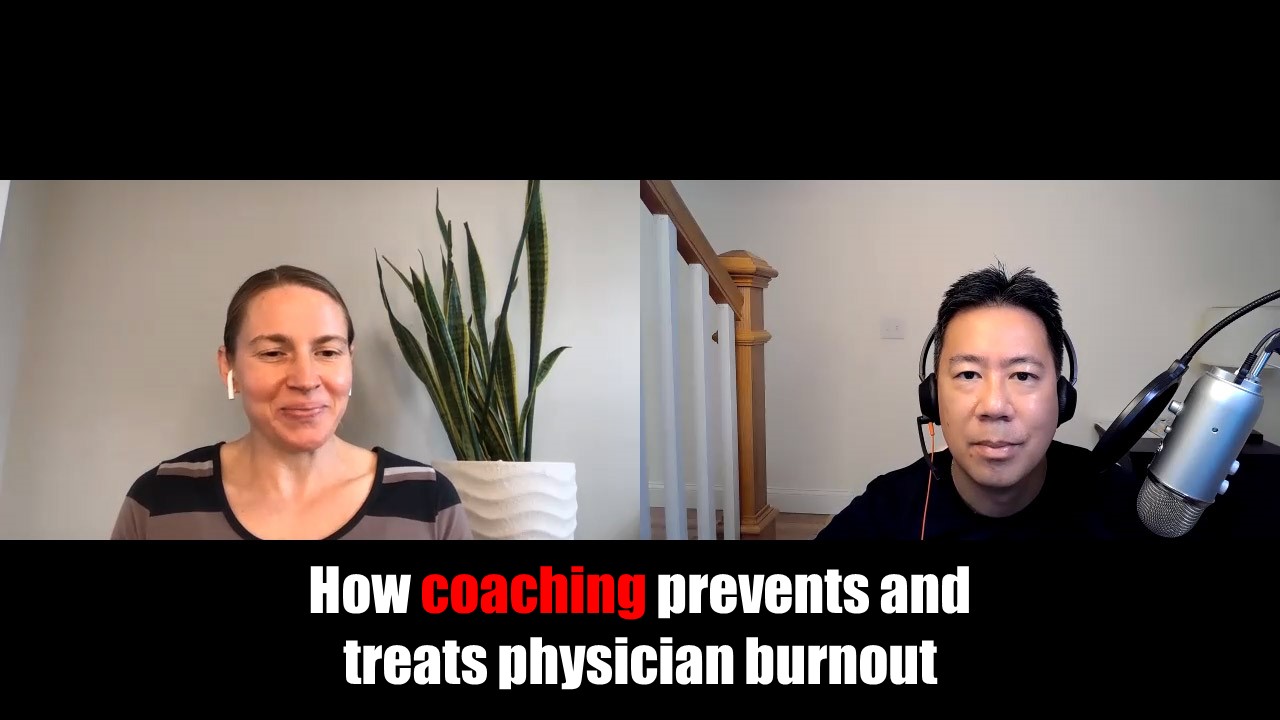
Physician burnout is not just “a rough week with extra paperwork.” It is a long-term stress response that can drain emotional energy, weaken professional satisfaction, and make even the most dedicated doctor feel like medicine has turned into a giant inbox wearing a white coat. In the United States, physician burnout remains a major concern for hospitals, private practices, academic medical centers, and patients who depend on stable, focused, compassionate care.
The encouraging news is that burnout is not a character flaw, a weakness, or proof that a physician chose the wrong career. Burnout is often a predictable response to chronic pressure: heavy documentation, time constraints, staffing shortages, administrative complexity, moral distress, and a workplace culture that sometimes expects doctors to run on coffee, optimism, and Wi-Fi. Coaching cannot magically delete every prior authorization form from existenceif onlybut it can help physicians regain clarity, agency, resilience, and practical strategies for navigating a demanding profession.
Professional coaching and physician peer coaching have become increasingly important tools in physician wellness programs. Research has shown that structured coaching can reduce emotional exhaustion, improve quality of life, support resilience, and help doctors reconnect with meaning in their work. When done well, coaching does not tell physicians to “just breathe” while the system keeps burning. Instead, it gives them a confidential, goal-oriented space to examine stressors, make decisions, strengthen boundaries, and take action.
What Is Physician Burnout?
Physician burnout is commonly described through three major dimensions: emotional exhaustion, depersonalization or cynicism, and a reduced sense of personal accomplishment. In plain English, it can feel like being tired in your bones, emotionally distant from patients, and unsure whether your hard work is making a difference.
Burnout may show up as irritability, fatigue, sleep problems, dread before clinic, loss of empathy, difficulty concentrating, or a quiet fantasy about opening a bookstore in Vermont. Some physicians become less engaged at work. Others keep performing at a high level while privately feeling depleted. That hidden version is especially risky because the outside world sees competence while the physician feels like a phone battery stuck at 3%.
Why Physician Burnout Happens
Burnout usually has more than one cause. A physician may love patient care but feel overwhelmed by charting, inbox messages, production pressure, short appointment slots, difficult scheduling, and limited control over daily workflow. Common drivers include:
- Excessive administrative workload and electronic health record demands
- Time pressure during patient visits
- Lack of autonomy or control over work conditions
- Chaotic clinical environments
- Staffing shortages and inefficient workflows
- Organizational culture that undervalues communication, trust, and well-being
- Moral distress when physicians cannot provide the care patients need because of barriers outside the exam room
This is why serious physician burnout prevention must include both individual support and system-level change. Coaching is powerful, but it should not be used as a decorative wellness sticker slapped on top of broken processes. The best programs combine coaching with workflow redesign, leadership accountability, team-based care, and realistic staffing.
What Is Physician Coaching?
Physician coaching is a structured, confidential partnership that helps doctors clarify goals, identify obstacles, strengthen self-awareness, and create practical action plans. Unlike therapy, coaching is not primarily focused on diagnosing or treating mental illness. Unlike mentoring, coaching does not depend on a senior doctor giving advice from personal experience. And unlike a motivational poster in the break room, coaching does not assume that “Teamwork makes the dream work” will fix a 74-message patient portal inbox.
A coach asks thoughtful questions, listens closely, reflects patterns, and helps physicians develop strategies that fit their values and real-world constraints. Coaching may be delivered by external professional coaches, trained physician peer coaches, leadership coaches, or wellness coaches integrated into a health system.
Common Topics in Physician Coaching
Coaching conversations often focus on challenges that physicians know well:
- Managing emotional exhaustion
- Setting healthier boundaries
- Reducing overcommitment
- Improving communication with colleagues and leaders
- Rebuilding professional meaning
- Navigating career transitions
- Handling conflict and difficult conversations
- Improving time management and prioritization
- Recovering confidence after a stressful clinical event
- Creating a sustainable definition of success
The heart of coaching is agency. Burnout often makes physicians feel trapped. Coaching helps them see where they still have choices, even in imperfect systems.
How Coaching Prevents Physician Burnout
Prevention is where coaching can shine. Waiting until a physician is deeply burned out is like waiting until the car engine is smoking before checking the oil. Coaching gives doctors a regular space to notice warning signs early and respond before stress becomes full collapse.
1. Coaching Builds Self-Awareness Before Burnout Peaks
Physicians are trained to monitor patients, not always themselves. A doctor may notice subtle changes in a patient’s lab values but ignore their own rising cynicism, shortened temper, or Sunday-night dread. Coaching helps physicians pause and ask: What is changing? What is draining me? What still gives me energy? What am I tolerating that is no longer sustainable?
That awareness matters. Burnout often develops gradually, then suddenly feels overwhelming. Coaching helps identify patterns early, such as saying yes to every committee, staying late to finish notes, skipping meals, or carrying emotional weight without recovery time.
2. Coaching Strengthens Boundaries
Many physicians are high-achieving, service-oriented, and allergic to disappointing people. This is admirableand also a fast road to overload. Coaching helps physicians practice boundaries that are professional, respectful, and realistic.
For example, a physician may work with a coach to stop automatically accepting extra shifts, create a protected charting routine, delegate more effectively, or ask leadership for specific workflow support. Boundaries are not selfish. They are the guardrails that keep excellent physicians from driving off the cliff of endless availability.
3. Coaching Helps Physicians Reconnect With Meaning
Burnout can make medicine feel transactional: click, chart, prescribe, repeat. Coaching helps physicians reconnect with the deeper reasons they entered medicine, whether that is solving complex problems, comforting families, teaching trainees, serving a community, or building long-term patient relationships.
This does not mean pretending everything is fine. It means separating the work that nourishes a physician from the friction that drains them. A coach may help a doctor redesign part of their schedule, pursue teaching opportunities, reduce misaligned obligations, or identify values-based career goals.
4. Coaching Improves Communication and Leadership Skills
Some burnout comes from conflict: unclear expectations, difficult team dynamics, or feeling unheard by leadership. Coaching can help physicians prepare for high-stakes conversations with department chairs, administrators, colleagues, or staff.
A physician might rehearse how to say, “The current workflow is unsafe and unsustainable. Here is the data, here is the impact, and here are three possible solutions.” That is far more effective than silently simmering until the only remaining communication style is aggressive keyboard typing.
5. Coaching Supports Career Sustainability
Physicians often move through training and practice at high speed. Years can pass before they ask whether their work still fits their life. Coaching creates room for strategic career reflection. Should they adjust clinical hours? Move into leadership? Add research? Reduce call? Explore academic medicine? Change practice settings?
Burnout prevention is not only about reducing stress. It is about designing a professional life that can last.
How Coaching Treats Physician Burnout
When burnout is already present, coaching can help physicians recover function, perspective, and confidence. It is not a substitute for medical or mental health care when depression, anxiety, substance use, or suicidal thoughts are involved. In those cases, professional clinical support is essential. But for many physicians experiencing work-related burnout, coaching can be a practical and evidence-informed part of recovery.
1. Coaching Reduces Emotional Exhaustion
Studies of professional coaching for physicians have found improvements in emotional exhaustion and overall burnout symptoms. In one randomized trial involving practicing physicians, individualized coaching sessions were linked with reductions in emotional exhaustion and improvements in quality of life and resilience. More recent research on professionally trained physician peer coaches has also suggested benefits for reducing burnout and improving well-being.
Why does this help? Because burnout thrives in isolation. Coaching offers a confidential space where physicians can say the quiet part out loud: “I am exhausted,” “I feel disconnected,” “I do not know how long I can keep doing this,” or “I love my patients, but I cannot keep working this way.” Naming the problem is often the first step toward changing it.
2. Coaching Turns Overwhelm Into Specific Action
Burnout makes everything feel tangled. Coaching helps untangle. Instead of “My job is impossible,” the conversation becomes more specific: Which tasks are consuming the most energy? Which expectations are unclear? Which meetings are unnecessary? Which conversations have been avoided? Which part of the schedule can be changed first?
Small changes can create momentum. A physician might decide to batch inbox work, request medical assistant support for refills, block time for documentation, decline a low-value committee, or schedule a leadership meeting about panel size. Coaching turns fog into a map.
3. Coaching Rebuilds Professional Identity
Burnout can distort how physicians see themselves. A skilled, compassionate doctor may begin to think, “I am failing,” when the real issue is that the workload is unsustainable. Coaching helps separate identity from circumstance.
A coach may help a physician examine perfectionism, guilt, imposter thoughts, or the belief that a “good doctor” must always sacrifice personal needs. This is not about lowering standards. It is about replacing impossible standards with humane ones.
4. Coaching Encourages Help-Seeking
Medicine has historically rewarded toughness, sometimes to an unhealthy degree. Physicians may hesitate to ask for help because they fear judgment, licensing consequences, or appearing weak. Coaching can normalize support and help doctors identify when additional resources are needed, such as therapy, peer support groups, employee assistance programs, medical leave, or urgent mental health care.
A good coach knows the boundary between coaching and clinical care. If a physician is experiencing severe depression, trauma symptoms, substance misuse, or thoughts of self-harm, coaching should shift toward connecting that physician with appropriate professional help immediately.
Professional Coaching vs. Peer Coaching
Both professional coaching and physician peer coaching can be useful. The right choice depends on the physician’s goals, preferences, and organization.
Professional Coaching
Professional coaches often bring formal coaching credentials, structured methods, and an outside perspective. Because they are external to the physician’s workplace, doctors may feel freer to speak openly. Professional coaching can be especially helpful for leadership development, career planning, communication challenges, and burnout recovery.
Physician Peer Coaching
Peer coaching uses physicians trained in coaching skills to support other physicians. Its advantage is credibility. A peer coach understands the emotional and operational reality of clinical work. They know what it means when someone says, “My schedule exploded,” “The EHR ate my evening,” or “I had a difficult patient outcome and now I cannot stop replaying it.”
Peer coaching may also improve culture by making support feel normal rather than exceptional. When physicians coach one another skillfully, the message becomes clear: you do not have to suffer in silence to be respected.
What a Physician Coaching Session Looks Like
A coaching session is usually practical, focused, and confidential. It may begin with the physician identifying a current challenge. The coach then helps clarify the desired outcome and explore options.
For example, a primary care physician might say, “I am drowning in messages and staying up late every night.” The coach may ask:
- What part of the inbox is most draining?
- Which tasks truly require your medical judgment?
- What support already exists but is underused?
- What boundary would protect your evenings?
- What conversation with your manager or team would help?
By the end, the physician may commit to a specific action: creating a triage protocol, meeting with the practice manager, setting a documentation cutoff time twice a week, or tracking message volume to support a staffing request.
Coaching Works Best When Organizations Also Change
Coaching is valuable, but organizations must be careful not to use it as a way to make physicians adapt endlessly to bad systems. If a hospital offers coaching while ignoring unsafe workloads, broken workflows, and chronic understaffing, physicians may understandably roll their eyes so hard they can see their own optic nerves.
Effective physician burnout prevention includes both personal and organizational strategies. Health systems should measure burnout, listen to physicians, reduce unnecessary administrative tasks, improve team-based care, optimize technology, support flexible scheduling, and hold leaders accountable for professional well-being.
Coaching Plus System Reform
The strongest model pairs coaching with system improvement. Coaching helps physicians identify problems and advocate effectively. Leadership then uses that feedback to improve workflows. For example:
- Coaching helps physicians identify documentation overload; leadership invests in team documentation support.
- Coaching reveals widespread difficulty with after-hours inbox work; the clinic redesigns message triage.
- Coaching uncovers moral distress among hospitalists; the organization creates structured ethics support and staffing review.
- Coaching helps early-career physicians ask for mentorship; the department builds formal mentoring pathways.
When coaching and organizational action reinforce each other, burnout prevention becomes more than a wellness program. It becomes culture change.
Specific Examples of Coaching for Physician Burnout
Example 1: The Overloaded Primary Care Doctor
Dr. A sees patients all day, charts at night, and answers portal messages during family dinner. Coaching helps Dr. A identify that the biggest stressor is not patient care but uncontrolled inbox work. After several sessions, Dr. A creates a message triage plan with the care team, sets a realistic charting boundary, and presents data to leadership about message volume. The result is not a perfect schedule, but it is a more sustainable one.
Example 2: The Young Surgeon Losing Confidence
Dr. B is technically skilled but feels crushed by complications, long hours, and constant comparison with senior surgeons. Coaching helps Dr. B process professional identity, define growth goals, and separate normal learning curves from personal failure. The coach also helps Dr. B prepare for a mentoring conversation with a trusted senior surgeon.
Example 3: The Department Leader Near Exhaustion
Dr. C leads a department, manages conflict, sees patients, attends meetings, and receives every complaint like a flaming email-shaped meteor. Coaching helps Dr. C clarify priorities, delegate more effectively, set meeting boundaries, and communicate expectations. Leadership coaching can be especially powerful because burned-out leaders often unintentionally spread stress to their teams.
How to Choose a Physician Burnout Coach
Physicians and healthcare organizations should choose coaches carefully. A strong coach should understand confidentiality, ethics, healthcare culture, and the limits of coaching. Credentials matter, but fit also matters. Physicians should feel respected, not judged or lectured.
Look for a coach who:
- Has formal coaching training or certification
- Understands physician work environments
- Maintains clear confidentiality standards
- Uses evidence-informed coaching methods
- Can distinguish burnout from conditions requiring clinical care
- Focuses on practical goals and measurable progress
- Does not blame physicians for system-level problems
Experience-Based Reflections: What Coaching Feels Like in Real Physician Life
One of the most meaningful things about coaching is that it gives physicians permission to slow down long enough to hear themselves think. In clinical life, everything is urgent. The lab result, the discharge summary, the patient call, the prior authorization, the family meeting, the schedule changeeach one taps the physician on the shoulder like an impatient woodpecker. Coaching creates a rare protected space where the physician is not being asked to diagnose, decide, sign, explain, or fix. For once, the physician gets to be the person in the chair.
In real practice, many burned-out doctors do not start coaching with a dramatic declaration. They often begin with something ordinary: “I am tired,” “I am not enjoying work,” or “I do not know why I am so irritated lately.” A good coach does not rush to hand out generic advice. Instead, the coach helps the physician explore what is underneath. Is the exhaustion coming from workload, grief, perfectionism, conflict, lack of recognition, moral distress, or a mismatch between values and daily tasks?
For some physicians, the biggest coaching breakthrough is realizing that they have been treating every request as equally important. A coach may help them separate true clinical urgency from administrative noise. That distinction can be life-changing. Not every email is a five-alarm fire. Not every committee invitation deserves a yes. Not every patient message must be answered after bedtime. This sounds simple, but for physicians trained to be endlessly responsible, it can feel revolutionary.
Another common experience is the rediscovery of choice. Burnout tells physicians, “There is no way out.” Coaching gently challenges that belief. Maybe the doctor cannot change the entire healthcare system this month. But perhaps they can ask for a schedule review, reduce one obligation, create a peer support group, renegotiate call, use vacation without guilt, or have the conversation they have been avoiding for two years. Coaching helps physicians move from helplessness to experiments. Small experiments matter because they restore motion.
Coaching can also be surprisingly emotional. Many physicians carry stories they rarely discuss: the patient they could not save, the complaint that felt unfair, the mistake they replay, the family event missed because of call, the quiet resentment of giving everything and still being asked for more. In coaching, these experiences can be named without turning them into weakness. Often, the physician discovers that their reactions are not signs of failure. They are signs of being human in a profession that sometimes forgets humans are involved.
The best coaching experiences are not fluffy. They are honest, practical, and sometimes uncomfortable. A physician may realize they are overfunctioning for a team, avoiding conflict, ignoring their own needs, or measuring worth only through productivity. The coach does not shame them. The coach helps them test a new way of working. That might mean saying, “I cannot take that on this quarter,” or, “I need protected administrative time to complete this safely,” or, “This process is creating risk for patients and staff.”
Over time, coaching can change the physician’s internal conversation. Instead of “I should be able to handle this,” the thought becomes, “What support would make this sustainable?” Instead of “I am failing,” it becomes, “This system is strained, and I need a better strategy.” Instead of “I have no choice,” it becomes, “What is one choice I can make this week?” Those shifts may sound small, but they can be the difference between quiet despair and renewed direction.
For organizations, coaching also creates a window into cultureif leaders are willing to listen to patterns without violating confidentiality. When many physicians are coaching around the same themes, such as inbox overload, lack of psychological safety, or unsustainable call schedules, the message is clear: the system needs attention. Coaching should not simply help doctors endure dysfunction more politely. It should help healthcare systems learn where the pressure is building before people leave, disengage, or become ill.
Ultimately, physician coaching works because it respects doctors as whole people. Physicians are not machines with stethoscopes. They are skilled professionals with families, values, limits, ambitions, grief, humor, and a deep desire to do meaningful work. Coaching helps protect that humanity. And when physicians are healthier, patients, teams, and healthcare organizations benefit too.
Conclusion: Coaching Is Not a LuxuryIt Is a Burnout Strategy
Physician burnout prevention and treatment require more than slogans, pizza lunches, and wellness emails sent at 10:47 p.m. Coaching offers a practical, evidence-informed way to support physicians before exhaustion becomes crisis and after burnout has already begun. It helps doctors build self-awareness, set boundaries, reconnect with purpose, improve communication, and take specific action.
Still, coaching should be part of a larger solution. Healthcare organizations must also address the system-level drivers of burnout: excessive workload, administrative burden, inefficient technology, lack of autonomy, and unhealthy culture. The goal is not to make physicians more tolerant of impossible conditions. The goal is to create conditions where excellent care and human sustainability can exist at the same time.
When coaching is paired with real organizational commitment, it can help physicians recover energy, protect meaning, and continue practicing medicine with skill and compassion. That is good for doctors. It is good for patients. And frankly, it is good for everyone who would prefer their physician not be powered solely by caffeine and heroic self-denial.
Note: This article is written for educational and SEO publishing purposes. It is based on current U.S. healthcare research and physician well-being guidance, but it is not a substitute for professional medical, psychological, legal, or organizational advice.













