
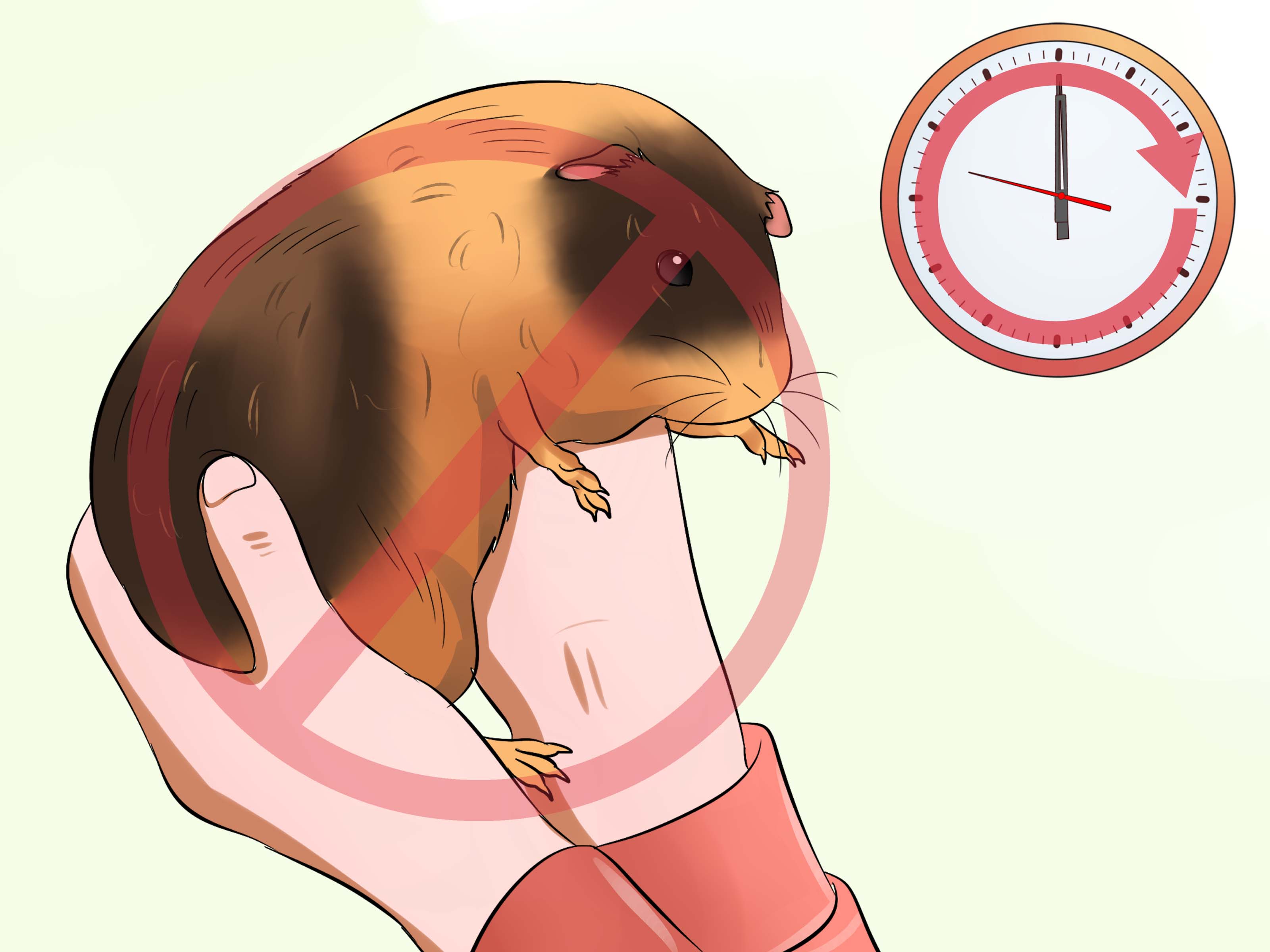
Picking up a guinea pig sounds simpleuntil your adorable potato-shaped roommate suddenly transforms into a furry bar of soap with opinions. Guinea pigs are gentle, social, and often wonderfully expressive, but they are also prey animals. That means being lifted into the air can feel less like a cuddle invitation and more like a hawk audition if you do it too quickly.
The good news? Learning how to pick up a guinea pig safely is not complicated. It simply requires patience, calm hands, and the golden rule of guinea pig handling: support the whole body. Whether you are a new pet parent, helping a child learn safe handling, or trying to make nail trims less dramatic, these 12 steps will help your guinea pig feel secure instead of startled.
This guide covers safe lifting, holding, bonding, common mistakes, and real-life handling experiences so you can build trust with your guinea pig one calm scoop at a time.
Why Proper Guinea Pig Handling Matters
Guinea pigs may look sturdy, but they are small animals with delicate backs, legs, and feet. A fall from a couch, table, or standing adult’s arms can cause serious injury. Unlike cats, guinea pigs are not built for graceful midair gymnastics. If they panic and jump, they can land badly before you even have time to say, “Wait, Sir Squeaks-a-Lot!”
Proper handling also affects your relationship. A guinea pig that is chased, grabbed from above, squeezed, or carried around too often may become fearful. On the other hand, a guinea pig that learns your hands bring snacks, gentle support, and predictable routines is more likely to relax during handling. The goal is not to force cuddles. The goal is to make handling safe, respectful, and boring in the best possible way.
How to Pick Up a Guinea Pig: 12 Steps
1. Prepare a Calm Environment
Before you pick up your guinea pig, reduce the chaos. Turn down loud music, ask excited children to use indoor voices, and move dogs or cats out of the room. Guinea pigs are sensitive to sudden movement and noise, so a peaceful setting helps them feel safer.
Choose a low, secure area for handling. Sitting on the floor is ideal, especially if you are still learning. A guinea pig can wiggle unexpectedly, and handling close to the ground reduces the risk of injury if your little friend decides to launch a surprise escape plan.
2. Wash Your Hands First
Wash your hands before handling your guinea pig. This removes food smells that might encourage curious nibbling and helps keep your pet healthier. If your fingers smell like apple, carrot, or lunch, your guinea pig may assume you are offering a snack with fingernail garnish. Nobody wants that review.
Clean hands also help your guinea pig recognize your natural scent over time. Familiar scent is part of building trust, especially with shy or newly adopted guinea pigs.
3. Approach From the Front or Side
Never swoop down from above like a claw machine with rent due. Guinea pigs have prey instincts, so hands coming from overhead can feel threatening. Instead, approach from the front or side where your guinea pig can see you.
Speak softly as you move closer. Use a calm voice, even if your guinea pig is hiding in a tunnel pretending not to know you. Let them notice your presence before your hands enter their space. This small step makes a big difference.
4. Let Your Guinea Pig Sniff You
Offer your hand near your guinea pig’s nose and allow a brief sniff. Do not poke, chase, or tap them on the face. Think of it as a polite introduction: “Hello, I am the snack-distributing human, and I come in peace.”
If your guinea pig backs away, pause. Trust grows when your pet learns that moving away does not automatically lead to being chased. Try again slowly, perhaps with a favorite leafy green as encouragement.
5. Use a Treat to Build a Positive Association
A small piece of guinea pig-safe vegetable can help make handling more pleasant. Treats should not replace a balanced diet, but they are useful for bonding. A tiny bit of bell pepper, romaine lettuce, cilantro, or another safe fresh food can turn your hand from “mysterious giant object” into “vegetable delivery platform.”
Offer the treat before lifting, not as a bribe during panic. Over time, your guinea pig may learn that calm handling often comes with good things. Consistency matters more than the size of the treat.
6. Slide One Hand Under the Chest
When your guinea pig seems calm, gently slide one hand under the chest, just behind the front legs. Your fingers should support the front half of the body without squeezing the ribs. Move slowly and confidently.
A hesitant half-grab can feel confusing to your guinea pig. A firm but gentle scoop is safer than repeatedly touching and pulling back. Your hand should act like a stable shelf, not a pair of tongs.
7. Support the Hind End With Your Other Hand
Use your second hand to support the rump and hind legs. This is one of the most important parts of safely picking up a guinea pig. Their back end should never dangle. Unsupported feet can make a guinea pig feel insecure, which often leads to kicking, twisting, or scrambling.
Keep both hands in contact with your guinea pig’s body. One hand supports the chest and front half; the other supports the hindquarters. This two-handed method gives your pet stability and reduces the risk of falls.
8. Lift Smoothly and Keep the Body Level
Lift your guinea pig slowly and smoothly. Avoid jerky movements. Keep their body level and supported, with the spine in a natural position. Do not flip your guinea pig onto their back or hold them upside down. Those positions can be frightening and unsafe.
As you lift, bring your guinea pig toward your body right away. The shorter the distance between your pet and your chest or lap, the more secure they will feel.
9. Hold Your Guinea Pig Close to Your Chest
Once lifted, hold your guinea pig close to your chest with one hand supporting the bottom and the other supporting the upper body. Your body acts like a soft wall, which helps prevent sudden jumps.
Do not squeeze. A secure hold is not the same as a tight hold. Your guinea pig should be unable to fall, but still able to breathe comfortably and settle naturally. If they squeak or wiggle, stay calm and lower them toward your lap rather than tightening your grip.
10. Sit Down for Cuddles or Checks
If you want to pet, inspect, or cuddle your guinea pig, sit on the floor or on a low couch with a towel across your lap. A towel provides traction and catches little accidents, because guinea pigs are charming but not always committed to bathroom scheduling.
Keep one hand lightly over your guinea pig’s body while they sit on your lap. This prevents sudden jumps and helps them feel enclosed without being trapped. Many guinea pigs prefer lap time with a fleece blanket, cuddle cup, or soft towel.
11. Keep Handling Sessions Short at First
Short, calm sessions are better than long, stressful ones. Start with a minute or two, then gradually increase the time as your guinea pig becomes comfortable. Watch body language. Freezing, heavy breathing, frantic scrambling, teeth chattering, or repeated attempts to flee can mean your guinea pig needs a break.
Some guinea pigs become lap potatoes. Others prefer brief handling and floor-level interaction. Respecting your pet’s personality will make the relationship stronger.
12. Return Your Guinea Pig Gently
Putting your guinea pig down matters just as much as picking them up. Lower them all the way to the floor or cage floor before letting go. Keep supporting the chest and hind end until all four feet are stable.
Do not drop your guinea pig into the cage, even from a small height. Once they are safely down, offer a calm word, a gentle pet, or a small treat. Ending well helps your guinea pig remember the experience as safe instead of scary.
Common Mistakes to Avoid When Picking Up a Guinea Pig
Grabbing From Above
Overhead grabbing can trigger fear. It resembles how a predator might approach. Always move slowly from the front or side when possible.
Holding With One Hand
One-handed carrying is risky. Guinea pigs can twist, kick, or jump suddenly. Always use two hands: one under the chest and one under the hindquarters.
Letting the Feet Dangle
Dangling feet make many guinea pigs panic. Support all four feet whenever possible, especially when lifting and carrying.
Squeezing Too Tightly
A guinea pig should feel secure, not compressed. If you squeeze, your pet may struggle harder, and you may accidentally hurt them.
Allowing Young Children to Carry Them Around
Children can love guinea pigs deeply and still handle them clumsily. Young children should sit down and let an adult place the guinea pig on their lap. Older children should be supervised until they can consistently use safe, calm handling.
How to Help a Nervous Guinea Pig Feel Safer
If your guinea pig runs every time your hand appears, do not take it personally. You are much taller, have mysterious fingers, and probably do not wheek fluently. Start by spending time near the cage without trying to pick them up. Talk softly, offer treats, and let your hand rest inside the enclosure without chasing.
Some guinea pigs are more confident when lifted using a soft fleece sack, cuddle cup, or small towel. You can guide the guinea pig into the fabric, then lift while still supporting the body underneath. This method can be especially useful for shy guinea pigs, nail trims, cage cleaning, or vet visits.
Routine also helps. Try handling at similar times each day and keep the process predictable. Guinea pigs often relax when they know what comes next: soft voice, hand sniff, gentle scoop, lap towel, treat, and back home.
How Often Should You Handle a Guinea Pig?
Most guinea pigs benefit from regular, gentle interaction, but handling should match the animal’s comfort level. Daily contact can include hand-feeding, floor time, lap time, grooming, and health checks. Not every interaction needs to involve lifting.
For a new guinea pig, focus first on trust. During the first few days, allow them to settle into their habitat. After that, begin short, positive sessions. A confident guinea pig may enjoy daily lap time. A shy guinea pig may prefer brief handling paired with longer floor-level play.
Signs Your Guinea Pig Is Comfortable Being Held
A relaxed guinea pig may settle into your lap, accept treats, make soft sounds, stretch out slightly, or calmly explore a towel. Some may gently chatter or purr-like rumble when petted, though sounds vary by personality and situation.
A stressed guinea pig may freeze stiffly, try to leap, loudly squeal, bite or nip, breathe quickly, or repeatedly look for an escape route. If you see these signs, shorten the session and return to trust-building basics.
When Not to Pick Up Your Guinea Pig
Avoid unnecessary handling if your guinea pig seems sick, injured, heavily pregnant, extremely stressed, or newly recovering from veterinary treatment unless your veterinarian has advised it. Guinea pigs can hide signs of illness, so changes in appetite, posture, breathing, stool, movement, or energy deserve attention.
You should also avoid waking a deeply resting guinea pig just to hold them. Let them approach normal alertness first. Nobody likes being scooped out of bed by a giant, even if the giant has snacks.
Real-Life Experiences: What Guinea Pig Owners Learn Over Time
The first lesson many guinea pig owners learn is that every guinea pig has a different opinion about being picked up. One guinea pig may walk into your hands like royalty boarding a tiny vegetable carriage. Another may act as if your fingers are an ancient curse. Both can be normal. The important thing is to work with the guinea pig in front of you, not the imaginary cuddly one from the internet.
Many new owners discover that the chase is the problem, not the holding. A guinea pig that runs in the cage may calm down once properly supported against the chest. This does not mean chasing is harmless; it means the pickup routine needs improvement. Using tunnels, fleece sacks, or a familiar corner can make lifting less stressful. Some owners place a soft hide inside the play area, let the guinea pig walk in, then support the hide from underneath for a smoother transfer.
Another common experience is the “lap towel breakthrough.” At first, a guinea pig may sit stiffly, looking like a loaf of bread with trust issues. Then, after several short sessions, they begin to accept a treat. A week later, they may stretch out, nibble hay, or gently explore the blanket. Progress is often quiet. There may be no dramatic movie moment, just one day when your guinea pig stops planning an escape route and starts chewing cilantro like a tiny food critic.
Families with children often learn that floor handling is the safest compromise. Instead of letting a child carry the guinea pig around the house, an adult can place the guinea pig on a towel in the child’s lap while everyone sits on the floor. This protects the guinea pig and teaches the child that pets are living companions, not plush toys with snack requirements. It also prevents the classic “I only looked away for one second” moment that every responsible adult would rather avoid.
Owners also learn that confidence matters. Nervous hands can make a guinea pig nervous too. This does not mean rushing. It means moving slowly but decisively: support the chest, support the bottom, lift smoothly, hold close, and sit down. Once the routine becomes familiar, both human and guinea pig usually become calmer.
Finally, experienced guinea pig caregivers learn to celebrate small wins. Maybe your guinea pig sniffed your hand today. Maybe they accepted a pepper slice while sitting on your lap. Maybe they allowed a five-second health check without turning into a furry popcorn kernel. These moments count. Safe handling is not about forcing affection; it is about building trust through repetition, respect, and excellent vegetable diplomacy.
Conclusion
Learning how to pick up a guinea pig is really learning how to communicate safety. Move slowly, approach from the front or side, support the chest, support the hind end, keep your guinea pig close to your body, and stay low to the ground whenever possible. With patience, your guinea pig can learn that your hands are not scarythey are simply the transportation department for snacks, lap towels, floor time, and gentle care.
The best handling routine is calm, consistent, and respectful of your guinea pig’s personality. Some guinea pigs become cuddle champions. Others prefer short visits and snack-based negotiations. Either way, safe handling protects your pet, builds trust, and makes everyday care much easier.











