
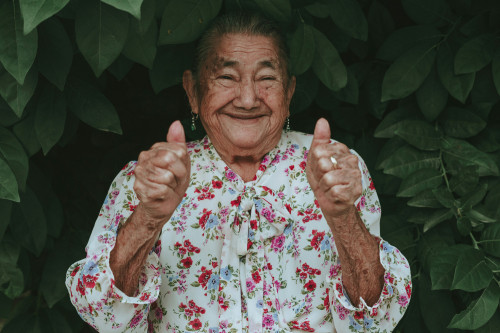
Some people collect antiques. My grandma collected tiny daily habits that made life feel lighter, warmer, and a whole lot less dramatic. She made it to 90 with silver hair, sharp opinions, and the strange superpower of making everyone in the room feel as if they had just been handed a fresh cookie and better life advice. She was not wealthy, not trendy, and definitely not the kind of person who needed a morning routine involving glacier water and a $90 candle. What she had instead were simple, repeatable habits that modern research keeps circling back to: stay connected, keep moving, protect your peace, find purpose, and practice gratitude.
If you have ever wondered what really helps people stay happy as they age, the answer is not buried in some mystical secret. It is usually tucked inside ordinary days. The happiest older adults often build lives around meaningful relationships, gentle movement, emotional resilience, useful routines, and enough rest to avoid turning into a grumpy potato. My grandma did all of that without calling it “wellness.” She just called it “living decently.”
This article breaks down the five habits that seemed to keep my 90-year-old grandma happy all her life, and why those habits matter so much for healthy aging, emotional well-being, and everyday joy. If you are looking for happy aging habits that actually feel human, not robotic, start here.
1. She Stayed Connected to People, Even in Small Ways
My grandma was not the mayor, but she could have been. She knew the mail carrier, the neighbor’s cat, the cashier at the grocery store, and at least three people who only existed to me as “that nice woman from church.” She did not need a giant social calendar. What she had was something better: steady, meaningful connection.
That mattered more than she probably realized. One of the clearest findings in healthy aging research is that strong relationships are closely tied to happiness, resilience, and even better long-term health. People do not need a stadium full of friends. They need a few real bonds, regular interaction, and the feeling that they matter to somebody. Grandma understood that instinctively.
What this looked like in real life
She called relatives just to “check if everyone was still behaving badly.” She remembered birthdays. She asked follow-up questions. She did not rush conversations as if human connection were a task to finish. Even when her world got smaller physically, she kept it emotionally rich. A ten-minute chat at the front gate counted. A handwritten note counted. Sitting beside someone in silence also counted.
That is one of the best lessons from her life: happiness in old age is not built only through grand relationships. It grows through repeated moments of warmth, familiarity, and belonging. You do not have to be the life of the party. You just have to keep the door cracked open.
Why this habit works
Social connection helps reduce loneliness, supports mental health, and gives daily life texture. It also creates accountability. When people stay in touch with others, they are more likely to keep routines, stay active, and feel emotionally anchored. My grandma did not talk about “social connectedness.” She just refused to disappear from other people’s lives.
2. She Moved Every Day Without Making It a Whole Production
Grandma never once said, “I’m going to crush leg day.” Thank goodness. What she did say was, “Let’s not rust.” That was her philosophy on movement, and honestly, it deserves to be on a motivational poster.
She walked every day she could. Not fast. Not competitively. Not with a smartwatch announcing her glory to the heavens. She walked to the mailbox, around the block, through the garden, to the kitchen, back to the porch, and sometimes back to the kitchen because she forgot why she went there in the first place. That counted too.
Daily movement is one of the most powerful healthy aging habits because it supports balance, strength, sleep, mood, independence, and brain health. Grandma’s version of exercise was practical and steady. She treated motion like brushing your teeth: not exciting, but absolutely part of a decent life.
What this looked like in real life
She stretched while waiting for the kettle. She swept the porch with surprising enthusiasm. She gardened like the tomatoes personally depended on her. She preferred stairs when she could manage them. Even in her later years, when her body understandably negotiated harder, she kept a rhythm of movement that told her brain and muscles, “We are still in business.”
That consistency mattered more than intensity. A lot of people assume healthy aging requires dramatic workouts. It usually does not. It often starts with standing up more, walking more, lifting ordinary objects safely, and staying physically engaged in everyday life.
Why this habit works
Movement supports energy, mobility, confidence, and emotional balance. It also protects independence, which is deeply connected to quality of life in older adults. My grandma always seemed happier on days when she had “done something,” even if that something was watering basil and yelling at a squirrel. The body likes to move. The mood usually follows.
3. She Practiced Gratitude, but Never in a Cheesy Way
My grandma was not out here whispering affirmations into the sunrise. She was more likely to say, “Well, the pie didn’t burn and nobody argued at lunch, so that’s a pretty good day.” That, as it turns out, was gratitude in its most useful form.
She noticed what was still good. Not perfectly good. Not movie-scene good. Just good enough to appreciate. A cool breeze. A decent nap. A tomato that finally ripened. A family dinner where nobody brought up politics. She had a talent for finding small relief and calling it joy.
Gratitude is often misunderstood as forced positivity, but the healthy version is much more grounded. It is not pretending life is easy. It is refusing to let life’s annoyances take up every chair in the room. My grandma could complain with Olympic-level skill when necessary, but she also knew how to pivot back to what remained beautiful, funny, or worth savoring.
What this looked like in real life
She ended most evenings with a simple recap: something good she ate, someone she was glad to see, and one thing that made her laugh. She thanked people directly. She saved kind notes. She treated ordinary blessings like they were still blessings, not background noise.
This habit probably protected her from the emotional exhaustion that comes from focusing only on what is broken. And let us be honest: by age 90, something is always creaking, squeaking, or misbehaving. Gratitude gave her a way to stay emotionally flexible without becoming fake.
Why this habit works
Gratitude is linked with better mood, lower stress, greater life satisfaction, and stronger resilience. It helps people shift attention toward what is nourishing, supportive, and meaningful. Grandma did not deny pain or disappointment. She just refused to let them become the whole story.
4. She Always Had a Reason to Get Up in the Morning
This may have been her secret weapon. My grandma always had a purpose. Sometimes it was small, like baking bread for a neighbor. Sometimes it was ongoing, like keeping family traditions alive. Sometimes it was delightfully bossy, like making sure people remembered proper table manners. Whatever the form, she stayed useful.
Purpose is not just for ambitious careers and dramatic personal missions. In later life, purpose can mean caring for a garden, checking on a friend, mentoring younger relatives, volunteering, cooking Sunday dinner, or being the keeper of family stories. My grandma had many roles, but the one that mattered most was this: she believed her presence still contributed something valuable.
What this looked like in real life
She mended clothes instead of tossing them. She taught us recipes that did not exist on paper. She remembered who was going through a hard time and showed up with soup, advice, or both. She was the family historian, unofficial therapist, and part-time referee. Not bad for one woman in orthopedic shoes.
Even as she slowed down, she kept finding ways to participate. That probably protected her happiness more than people realize. Feeling needed in a healthy way can be emotionally stabilizing. It reminds a person that they still belong in the flow of life, not just on the sidelines watching other people rush around with apps and bad posture.
Why this habit works
A sense of purpose supports motivation, resilience, and well-being. It gives structure to the day and meaning to effort. People are often happier when they feel they still matter, still contribute, and still have something to offer. Grandma never retired from being useful. She just changed the scale of the job.
5. She Protected Her Peace With Routine, Rest, and a Sense of Humor
Grandma loved routine the way some people love luxury vacations. She woke up around the same time, ate familiar meals, kept her home orderly, and respected sleep like it was a sacred appointment. She did not treat rest as laziness. She treated it as maintenance.
That steady rhythm seemed to help her emotionally as much as physically. Good routines reduce decision fatigue, support better sleep, and create a feeling of safety and predictability. In a world that gets louder, faster, and stranger every year, that matters. She knew when to turn off the television, when to sit quietly, and when to tell everyone to go home because the visit had become “too much excitement for one day.” Fair enough.
But routine alone was not the full trick. She paired it with humor. When plans changed, she adapted. When something broke, she grumbled, then joked. When her body reminded her it had entered the premium aging package, she rolled her eyes and kept going. Humor gave her emotional breathing room.
What this looked like in real life
She took afternoon rests without apology. She kept bedtime fairly consistent. She avoided chaos when possible and made peace with it when necessary. If she dropped something, she would say, “Well, the floor needed company.” If her memory blanked on a name, she would call everyone “honey” and continue like a professional.
That mix of rhythm and laughter made her feel steady. Rest restored her. Humor softened frustration. Together, they formed a beautiful system for staying sane and pleasant, even when life got messy.
Why this habit works
Sleep supports mood, cognition, and overall well-being, while humor can reduce tension and make stress feel more manageable. Routine gives shape to the day; humor keeps the day from feeling too rigid. My grandma mastered both. She knew when to lie down and when to laugh it off. That is a life skill.
The Bigger Lesson: Happiness Was Built, Not Found
If I learned anything from watching my grandma age, it is this: happiness was never something she waited to feel. She built it. Quietly. Repeatedly. Imperfectly. She built it by calling people, moving her body, appreciating small joys, staying useful, and guarding her peace like it was the last good pie crust on Earth.
These habits are not flashy, but they are powerful. They line up with what experts keep saying about healthy aging and emotional well-being in older adults. Close relationships matter. Daily movement matters. Gratitude matters. Purpose matters. Sleep and emotional regulation matter. No single habit turns life into a fairy tale, but together they create a strong foundation for a happier, steadier life.
And maybe that is the most comforting part. You do not need to reinvent yourself overnight. You can start small. Call someone. Take a walk. Write down one good thing. Make dinner for somebody. Go to bed on time. Tell one funny story at the table. Grandma would approve of all of it, especially if there is dessert.
My Personal Experience: What Living With Her Actually Taught Me
Living around my grandma did not feel like living with a motivational speaker. It felt like living with a person who had figured out how not to waste her energy on nonsense. When I was younger, I honestly thought her habits were just “old people things.” Why did she insist on chatting with neighbors for ten minutes? Why did she walk after meals like she was on a mission from the Department of Sensible Living? Why did she save thank-you cards in a drawer like they were treasure? Why did she go to bed at a civilized hour while the rest of us acted like sleep was optional? At the time, I thought she was just set in her ways. Looking back, I think she had quietly designed a life that protected her happiness.
I remember one summer when our family was going through a rough patch. Everybody was stressed, snappy, and dramatically convinced that things were falling apart. Grandma, meanwhile, kept doing what she always did. She watered her plants. She called a cousin. She made soup. She folded laundry like it was a spiritual practice. She listened more than she lectured, which was impressive because she definitely enjoyed lecturing. What struck me was that she never pretended life was perfect. She knew exactly what was wrong. She just refused to let fear become the main character in the house.
One evening, I asked her how she stayed so calm. She said, “I do the next good thing.” That was it. No dramatic monologue. No mystical proverb. Just the next good thing. Sometimes the next good thing was taking a walk. Sometimes it was apologizing first. Sometimes it was making tea and not saying the sharp comment that had already arrived in her mind wearing boots. That answer stayed with me because it made happiness feel practical. Not easy, but practical.
Another thing I noticed was how much joy she got from being needed in ordinary ways. She loved teaching us how to cook. She loved being asked for advice, even when we did not take it and had to crawl back later admitting she was right, which she enjoyed tremendously. She loved hosting simple meals and hearing the noise of people she loved. There was a deep satisfaction in her when she could still give something, even something small. It made me realize that a sense of purpose is not abstract. It can be as humble as remembering who likes extra gravy.
As I got older, I accidentally started copying her. I call people back faster. I take walks when I am stressed. I try to notice what is still good on messy days. I protect my sleep more than I used to. I even keep a running list of small things that made the day better, which is basically her gratitude habit wearing modern clothes. And every single time I do these things consistently, life feels more manageable. Not perfect. Just steadier. Kinder. Less noisy inside my own head.
So when I think about what kept my grandma happy all her life, I do not think the answer was luck alone or personality alone. I think it was practice. Daily, ordinary, stubborn practice. She had habits that supported her mind, body, and relationships long before the wellness industry turned basic human wisdom into branded content. She was not chasing happiness. She was tending to it, like one of her garden beds, a little every day. That may be the most useful inheritance she left behind.
Conclusion
The five habits that kept my 90-year-old grandma happy all her life were wonderfully simple: she stayed connected, moved every day, practiced gratitude, kept a sense of purpose, and protected her peace with rest, routine, and humor. None of these habits required perfection, money, or trendy self-help jargon. They required consistency. That is what made them powerful.
For anyone interested in happy aging habits, healthy aging tips, or emotional well-being for older adults, her life offers a clear message: joy is often built through small daily choices. The happiest lives are not always the loudest. Sometimes they are the steadiest.












