
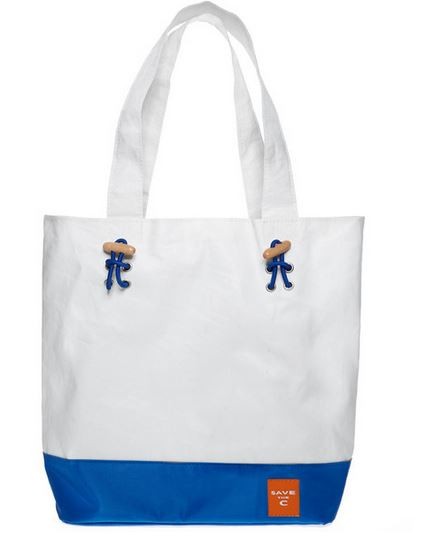
A blue carry bicycle bag sounds oddly specificlike you walked into a shop and said, “I need something functional, stylish, and the color of a confident blueberry.” But “blue” is actually a smart starting point: it’s visible without screaming neon, it hides grime better than white, and it looks good on basically every bike (yes, even that one with mismatched bar tape and a bell you swear you’ll replace someday).
This guide breaks down what a “carry bicycle bag” can mean, how to choose the right style for your riding life, what features matter in the real world (rain, groceries, laptops, and the occasional baguette), and how to pack it so your bike doesn’t handle like a shopping cart with a wobbly wheel. Then, at the end, you’ll get a 500-word “experience” sectionwritten as a composite of common rider wins and mishaps to make the advice feel less like a manual and more like a story you’d tell at a coffee stop.
What “Carry Bicycle Bag” Really Means (Spoiler: There’s More Than One)
“Carry bicycle bag” is an umbrella term. Some bags carry your stuff on the bike. Others carry the bike for travel. Most people mean the first categorycargo on the bikeso we’ll start there. If you meant a bag that carries the whole bicycle, skip to the “bike travel bag” section below.
1) Panniers: The Grocery-Getter Legends
Panniers hang off a rackusually the rear rackand they’re the champions of practical hauling. They’re stable when mounted correctly, they keep weight off your back, and they can turn your bike into a surprisingly competent errand machine. The sweet spot is that you can ride to the store, clip the bag off, and walk in like a normal human instead of a turtle wearing a backpack.
Look for quick-attach hardware that fits your rack’s tubing, plus a shape that doesn’t rub your heel. If you’re choosing a blue pannier, bonus points if it has reflective hits or a light loopcolor helps in daytime, reflectivity helps in low light.
2) Handlebar Bags: Grab-and-Go Convenience
Handlebar bags shine when you want easy access while ridingphone, wallet, snack, camera, tiny map you swear you can read. They’re great for commuting and casual rides, and many detach quickly so you can take valuables with you. For longer rides, be mindful of steering feel: too much weight up front can make handling sluggish.
3) Saddle Bags: The “Always-There” Fix-It Pouch
Traditional saddle bags are small, simple, and live under your seat holding essentials: tube, tire levers, mini tool, CO2 or pump, maybe a quick link if you’re the prepared type. In modern cycling talk, “saddle bag” can also mean large bikepacking seat packs that swallow gear for overnights. Think of it as two families: everyday carry and bikepacking.
4) Trunk Bags (Rack-Top Bags): The Organized Middle Ground
A trunk bag sits on top of a rear rack, usually with a structured shape and multiple pockets. It’s the “desk drawer” of bike bags: surprisingly tidy, easy to access, and great for commuters who like everything to have a labeled homeeven if the labels are imaginary.
5) Frame Bags and Top-Tube Bags: The Bikepacking Workhorses
Frame bags fill the main triangle (full or half) and are ideal for heavier items because the weight sits low and centered. Top-tube bags are the snack vaultperfect for gels, keys, or the world’s tiniest sunscreen. If you’re aiming for a blue setup, these pieces often provide the best “color pop” without affecting handling much.
Why Blue? The Surprisingly Practical Case for a Blue Bike Bag
Choosing blue isn’t just aesthetics. It’s a practical color choice that sits in a nice middle zone: more visible than black/gray, more forgiving than white, and less “construction-zone chic” than fluorescent yellow. Still, if visibility is your top goal, prioritize reflective elements and lights over color alone. A blue bag with reflective panels (or even a reflective strap added later) is often a better safety upgrade than simply going brighter with no reflectivity.
- Visibility: Blue is easier to pick out than muted tones in many daytime settings, especially against asphalt and concrete.
- Stain resistance: Blue hides dust, chain smudges, and road spray better than lighter colors.
- Style compatibility: Blue plays well with most bike colors and doesn’t clash with common accessory palettes.
- Heat management: Dark bags can get hotter in direct sun; mid-tone blues can be a comfortable compromise.
Features That Matter (a Lot More Than Fancy Marketing Words)
Water Resistance vs. Waterproof: Know the Difference
“Water-resistant” often means light rain is fine for a while. “Waterproof” typically means sealed fabric plus sealed construction (welded seams or serious seam taping). If you commute with electronics, waterproofing isn’t a luxuryit’s stress management. If your bag is only water-resistant, use a dry bag liner or a simple plastic liner and call it “minimalist engineering.”
Mounting Hardware: The Bag Is Only as Good as Its Attachment
For panniers, look for secure hooks and a stabilizing lower attachment so the bag doesn’t bounce. Compatibility matters: racks come in different tube diameters and shapes, and some brands offer different hook sizes. If you’re shopping online, confirm your rack’s tubing size and check whether the pannier system can adjust.
Capacity: Liters Are Your Friend
Capacity is usually listed in liters. Quick mental math: 10–15L = day ride essentials, 18–25L = commuter sweet spot (lunch + layers + maybe a laptop), 30–45L+ (often as a pair of panniers) = touring or heavy errands. If you’ve never carried cargo on a bike before, start smaller; you can always add volume later.
Organization: Pockets Save Time, But Too Many Can Get Weird
A big open bag is great until your keys migrate to a different dimension. A few smart compartments help, but too many pockets can become a zipper-themed escape room. Consider how you actually pack: do you want one big cavity (easy stuffing), or a structured layout (easy finding)?
Carry Comfort Off the Bike: Don’t Ignore the “Walking” Part
The best bag is the one you don’t hate carrying into a store, office, or train station. Many commuters love pannier/backpack hybrids for exactly this reason: clip it on the rack, unclip it, wear it, done. If your ride ends with a long walk, prioritize shoulder straps, backpack straps, or at least a comfortable handle.
Choose the Right Blue Bag for Your Riding Style
Commuting
A commuter setup usually needs three things: weather protection, laptop-friendly space, and quick in/out convenience. A blue pannier with an internal sleeve (or a trunk bag with compartments) is a classic choice. If you carry electronics daily, add a waterproof liner even if the bag claims it can survive a hurricane. (Marketing optimism is not the same as meteorology.)
Errands and Grocery Runs
Panniers are the MVP here. The weight stays low, your back stays happier, and your bike becomes a cargo buddy. If you’re often carrying bulky items, consider a pair of panniers or a pannier + rack-top combination. Some tote-style panniers are especially convenient for quick store runseasy on, easy off, easy to carry inside.
Fitness Rides and Weekend Adventures
If you’re mostly riding for fun and speed-ish, keep it light: a saddle bag for repair basics, plus a small top-tube or handlebar bag for snacks and phone. You’ll barely notice the added gear, and you’ll be the hero who helps a friend with a flat. (You will also become the friend everyone texts when they get a flat.)
Bikepacking and Touring
Touring often leans toward racks + panniers for capacity and simplicity. Bikepacking often leans toward frame/seat/handlebar bags for off-road clearance and stability. Either way, pack heavy items low and centered when possible, and keep frequently used items accessible. Color-wise, blue is a nice option for bikepacking bags because it stays looking “cleaner” than lighter tones after dusty routes.
Fit and Compatibility: Avoid the “Why Is This Rubbing?” Surprise
Before you fall in love with a particular blue bag, do a quick compatibility check:
- Rack needed? Panniers and trunk bags usually require a rack. Make sure your bike has mounting points or compatible adapters.
- Heel clearance: Large panniers can hit your heel if mounted too far forward or on a short rack.
- Handlebar space: Handlebar bags can interfere with cables, lights, and your hands if oversized.
- Seat pack clearance: Big seat packs can sway if not tightened well and may interfere with dropper posts.
- Frame triangle size: Frame bags must match your bike’s geometry; measure before buying.
Packing Like a Pro (So Your Bike Doesn’t Handle Like a Tipsy Shopping Cart)
Rule #1: Heavy Stuff Low, Balanced Left/Right
If you use panniers, try to keep weight balanced on both sides. Put heavier items low to keep your center of gravity down. Your bike will feel calmer, especially when starting, stopping, or riding slowly through tight spaces.
Rule #2: Quick-Need Items on Top
Rain jacket, wallet, phone, snackskeep those easy to access. Digging through a fully packed bag while it rains is a special kind of character-building experience that you can absolutely skip.
Rule #3: Use Simple Organizers
Stuff sacks, zip pouches, even a small toiletry bag: these keep tiny items from vanishing. Organization is especially useful for large panniers where “one big cavity” can turn into a chaotic rummage session.
Care and Maintenance: Make Your Blue Bag Look Less Like a Road Documentary
- Rinse road salt and grime: A gentle wipe-down extends fabric life and keeps zippers happier.
- Check mounting bolts and hooks: Hardware loosens over timetighten before it becomes a roadside puzzle.
- Re-proof when needed: Some fabrics benefit from re-waterproofing treatments (especially water-resistant, not fully waterproof bags).
- Store dry: If you pack it away wet, it will eventually smell like “mystery basement.”
Bonus: When the Bag Carries the Bike (Bike Travel Bags in Plain English)
If your phrase “carry bicycle bag” meant a travel bagthe kind you put an entire bike intohere’s the fast breakdown: hard cases offer more protection but weigh more and cost more; soft cases can be lighter and easier to store but rely more on good packing technique and padding. Most travel solutions require at least partial disassembly (commonly wheels, pedals, and sometimes seatpost/handlebar), so plan time and bring the right tools.
If you want a travel bag in blue: prioritize durability, internal padding, wheel protection, and easy rolling through airports. And always label small parts. Tiny bolts love to escape when you’re distracted by TSA lines and snack kiosks.
Common Mistakes (So You Can Skip the Learning Curve)
- Overloading the highest bag: Too much weight high up can make steering and balance worse.
- Ignoring rack compatibility: A pannier that doesn’t fit your rack is a return label waiting to happen.
- Skipping reflective elements: Color helps, but reflectivity and lights are the real low-light heroes.
- Packing without a system: If you can’t find things quickly, you’ll end up dumping the whole bag on the sidewalk.
- Forgetting heel clearance: “Why is my foot kicking my bag?” is not the vibe.
FAQ
Is a blue bicycle bag “visible enough” for safety?
In daylight, a blue bag can be more noticeable than black or gray, especially with reflective accents. At night or in low light, reflectivity and proper lights matter far more than color. A blue bag with reflective elements is a strong combo.
What’s better for commuting: pannier or backpack?
If you hate sweaty backs and want stability, panniers win. If your route includes lots of stairs or walking, a backpack (or a pannier-backpack hybrid) can be more convenient. Many commuters end up happiest with a hybrid: best of both worlds, fewer regrets.
How do I keep my pannier from bouncing or rattling?
Make sure the top hooks fit your rack snugly and that the lower stabilizer is engaged. Also check rack bolts and mounting points periodicallysmall looseness becomes big annoyance.
of “Experience” With a Blue Carry Bicycle Bag (A Composite Rider Story)
Here’s a composite, real-world-style scenario built from common rider experiencesbecause nothing teaches faster than the moment you realize your bike is now a mobile pantry.
The first week with a blue carry bicycle bag usually starts with optimism. You clip it on, step back, and think, “Wow. I am now the kind of person who has their life together.” Then Monday happens. You toss in a laptop, a charger, lunch, a thin jacket, andbecause you’re feeling responsiblea small tool kit. The ride feels strangely smooth because your shoulders are no longer doing unpaid labor. At the first stoplight, you notice drivers actually see you a bit sooner. Is it the blue? The reflective strip? The fact that you’re sitting upright like a proud commuter flamingo? Hard to say, but you’ll take the win.
By Wednesday, you learn your first lesson: heavy things migrate if you let them. You put a metal water bottle near the top of the bag, hit a pothole, and hear a sound that can only be described as “someone gently punching a gong.” The fix is simpleheavy stuff low, soft stuff on topbut you won’t forget the soundtrack.
Friday becomes grocery day, and this is where panniers (especially) earn their legend status. You walk into the store with your blue bag like it’s a normal tote. You buy a few basics. Then you remember you’re hungry and start making “just one more item” decisions. Suddenly you’ve got pasta, sauce, apples, a loaf of bread, and a carton of eggsbecause ambition is a powerful thing. On the ride home, you discover a second lesson: balance matters. When one side is heavier, your bike doesn’t exactly tip over, but it develops a subtle opinion about leaning. You stop, rearrange, and everything calms down instantly. You feel like a wizard.
The most satisfying moment comes a couple of weeks later, in actual rain. You zip or roll the bag shut, ride through the wet like you’re in a dramatic movie montage, and arrive with your gear intact. Meanwhile, someone with a basic backpack is wringing out their hoodie like they’re auditioning for a laundry detergent ad. You don’t gloat out loud. You just quietly enjoy being dry and slightly superior.
Eventually, your blue bag becomes part of your routine: a dependable sidekick that carries the messy parts of life so you can enjoy the ride. And yes, it will get dirty. Yes, you’ll wipe it down “later.” But every time you skip shoulder strain, avoid sweaty-back misery, or carry home groceries without a car, the bag earns its keepblue and all.












