
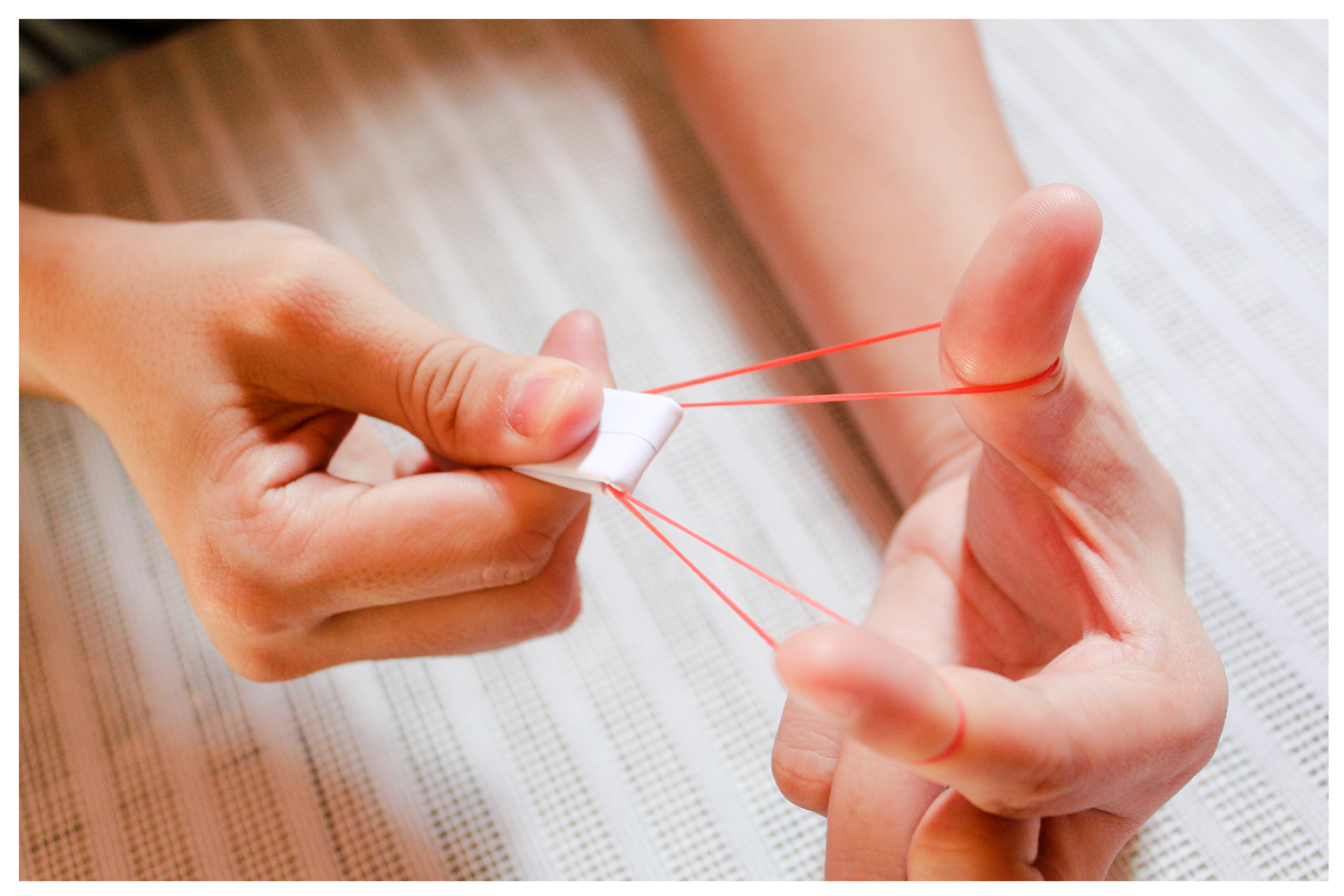
Important note: This article discusses the old-school “paper hornet” idea in a safety-first way. It does not teach readers how to launch paper bullets, aim them at people, or turn rubber bands into projectile toys. Instead, it shows how to understand the concept, avoid injuries, and turn the topic into a harmless paper-folding and physics activity.
Almost every classroom, summer camp, or bored rainy afternoon has produced the same legendary sentence: “What happens if I fold paper really tight and use a rubber band?” The answer, usually, is a bad idea wearing a tiny paper hat. Paper “hornets” may look harmless, but when snapped from a stretched rubber band, they can sting, startle, and potentially injure someone’s eye. That is a lot of drama for a scrap of notebook paper.
Still, the topic is interesting because it mixes paper craft, elastic energy, hand-eye coordination, and a surprisingly memorable lesson in safety. The goal here is not to create a mini weapon. The goal is to explain what paper hornets are, why people talk about them, and how to explore the same idea without launching anything across the room like a tiny office-supply meteor.
Below is a safe, SEO-friendly six-step guide for learning about rubber band paper bullets responsibly. You will get the curiosity, the craft, and the sciencewithout the “oops, sorry about your lamp” part.
What Are Paper Bullets or “Hornets”?
Paper bullets, often nicknamed “hornets,” are small folded paper pieces that some people try to propel using a stretched rubber band. The nickname comes from the sharp little sting they can create when they hit skin. The problem is right there in the nickname: if something is known for stinging, it probably does not belong near faces, eyes, pets, siblings, classmates, or anyone trying to enjoy lunch in peace.
At a basic science level, the idea involves elastic potential energy. A rubber band stores energy when stretched. When released, that energy quickly turns into motion. This is the same general concept behind slingshots, spring toys, and many classroom physics demonstrations. But when the moving object is uncontrolledeven if it is only paperit becomes a safety risk.
So instead of learning how to shoot paper bullets from a rubber band, this guide focuses on safer alternatives: folding paper samples, observing how elastic tension works without launching anything, and setting clear rules for responsible craft activities.
Why You Should Not Shoot Paper Hornets at People
Paper feels soft when it is lying flat on a desk. Fold it tightly, give it a pointed edge, and add speed, and suddenly it behaves less like stationery and more like a tiny surprise attack. That is especially risky around the eyes. Even small projectiles can cause scratches, irritation, bruising, or more serious injury if they hit the wrong place.
There is also the social side. Nobody enjoys being unexpectedly snapped with a paper hornet. It can feel like a prank to the person launching it, but to the person on the receiving end, it is annoying at best and painful at worst. A good rule for any rubber band activity is simple: if it could hit a person, do not do it.
How to Explore Paper Hornets Safely: 6 Steps
Step 1: Understand the Object Before You Make It
A paper hornet is usually made from a small strip or scrap of paper folded into a compact shape. In unsafe versions, people fold it tightly so it can catch on a rubber band and fly forward. For a safe activity, do not design the paper to be sharp, hard, or aerodynamic. Instead, use the idea as a paper-folding demonstration.
Try comparing different paper types without launching them. Printer paper, notebook paper, sticky notes, and index cards all fold differently. Thicker paper holds shape better, while thin paper bends easily. This turns the topic into a harmless experiment about material strength, fold lines, and paper structure.
Step 2: Set a No-Launch Rule
The most important step is the simplest: do not shoot the paper. Not at friends. Not at walls. Not at your own hand “just to test it.” Not at your cat, who did not sign up for your physics unit. A no-launch rule keeps the activity safe and makes it easier to focus on the science instead of the chaos.
If you are doing this as a classroom, club, or home activity, say the rule out loud before starting: rubber bands stay relaxed, paper stays on the table, and nothing gets aimed at people. It may sound overly formal for a tiny paper craft, but clear rules prevent “I thought it would be funny” moments.
Step 3: Use the Rubber Band Only as a Science Example
A rubber band is useful for explaining stored energy, but you do not need to launch anything to see how it works. Place the rubber band flat on a table. Gently stretch it between two fingers, then relax it without releasing it. Notice how the band resists stretching and returns to its original shape.
This demonstrates elasticity. The farther a rubber band stretches, the more energy it storesup to a limit. Stretch it too far and it may snap, which is another reason not to point it at anyone. A safe physics demonstration can be as simple as measuring how far a rubber band stretches under light tension, then writing down observations.
Step 4: Turn the Paper Piece into a Static Target Marker
Instead of using the folded paper as something to shoot, use it as a marker. Place several folded paper pieces on a table and label them by shape, size, or paper type. For example, one might be “thin paper, two folds,” while another is “cardstock, rounded edge.” Then compare how sturdy each one feels when pressed gently with a pencil eraser.
This keeps the hands-on part of the activity while removing the unsafe part. You still get to fold, test, compare, and analyze. You just skip the airborne paper missile chapter, which is the chapter most likely to end with a teacher voice saying your full name.
Step 5: Create a Safe Mini Physics Chart
Now make the activity more useful by recording what you notice. A simple chart can include paper type, number of folds, thickness, flexibility, and whether the edges feel soft or stiff. The goal is to understand how structure changes the behavior of paper.
For example, a flat sticky note may bend easily, while the same sticky note folded several times becomes firmer. That does not mean it should be launched. It means folding increases stiffness. This is the same reason cardboard boxes use folded edges and corrugated layers for strength. Suddenly, your paper hornet topic has turned into basic engineering. Congratulations: your desk is now a tiny laboratory.
Step 6: Choose Safer Alternatives for Fun
If the real goal is fun, there are much safer ways to get it. Try paper airplanes in an open area with clear rules. Make origami animals. Build a paper bridge and test how many coins it can hold. Create a rubber band-powered car kit designed for learning. These activities still involve creativity and physics, but they are structured to reduce risk.
The best activities are the ones everyone can enjoy without flinching. A paper bridge challenge, for example, lets you compete over design instead of surprise attacks. A paper airplane contest can focus on distance, accuracy, or hang time, as long as nobody throws toward faces. A rubber band car lets you explore elastic energy without turning the rubber band into a launcher.
Safer Materials to Use
For a safe paper-and-rubber-band activity, keep materials simple and soft. Use regular printer paper, sticky notes, painter’s tape, pencils for labeling, and a ruler for measuring. Avoid staples, paper clips, toothpicks, pins, hard cardboard points, or anything that creates sharp edges. The more “pokey” the object becomes, the less it belongs in a casual craft activity.
If you are working with younger kids, adult supervision matters. Small rubber bands can be choking hazards, and stretched bands can snap unexpectedly. Keep the activity calm, organized, and away from faces. Safety does not ruin the fun; it keeps the fun from turning into a dramatic family story retold every holiday.
The Science Behind Rubber Bands and Paper
Rubber bands are made from elastic material, meaning they can stretch and return toward their original shape. When stretched, they store energy. When released, that energy moves quickly. In safe demonstrations, this concept can teach students about force, motion, tension, and energy transfer.
Paper, meanwhile, changes behavior based on shape. A flat sheet is floppy. Folded paper becomes stronger along the fold. Rolled paper can become surprisingly stiff. Engineers use similar principles in packaging, architecture, and product design. A pizza box, a shipping carton, and a paper straw all rely on shape to add strength without adding much weight.
That is the useful lesson hiding inside the paper hornet idea. You do not need to shoot anything to learn something cool. You can explore why folded paper feels stronger, why rubber bands snap back, and why controlled experiments are better than random launches across the room.
Common Mistakes to Avoid
Mistake 1: Treating Paper as Harmless in Every Situation
Paper can cut skin, scratch surfaces, and cause injury when folded tightly or moved quickly. Respect the material, even if it came from last week’s math homework.
Mistake 2: Aiming Rubber Bands at People
Never aim rubber bands at faces, bodies, pets, or fragile objects. Rubber bands can snap unpredictably, and even a “soft” launch can hurt.
Mistake 3: Adding Hard or Sharp Materials
Do not add tape-wrapped tips, clips, staples, or hard inserts. That turns a paper craft into something more dangerous.
Mistake 4: Copying Online Tricks Without Thinking
Many online tricks are made to look funny or impressive, not safe. Before trying any activity, ask whether it could hit someone, break something, or cause injury.
Better Activities That Keep the Same Energy
If you like the quick, clever feel of paper hornets, try safer projects with the same creative spirit. Make a paper airplane and test wing shapes. Build a paper tower and see how tall it can stand. Fold an origami jumping frog and measure how far it hops with gentle finger pressure. Create a rubber band guitar using a tissue box and compare sounds from different band thicknesses.
These projects are fun because they still involve experimentation. You can make predictions, test designs, and improve results. The difference is that the activity is controlled. Nobody has to duck. Nobody gets startled. Nobody has to explain why there is a tiny folded paper object stuck behind the bookshelf.
Experience Notes: What This Topic Teaches in Real Life
My first experience with the paper hornet idea was not really about paper at all. It was about curiosity. Someone folded a scrap of paper, stretched a rubber band, and instantly every person nearby had the same look: half fascination, half suspicion. That is the power of simple materials. A rubber band and a piece of paper can turn into a science question faster than you can say, “Please do not aim that at me.”
The most useful lesson from that moment is that curiosity needs boundaries. Many people discover paper hornets in school settings, where supplies are everywhere and boredom occasionally gains superpowers. The problem is that a quick prank can become a real injury risk. A folded paper piece may seem too small to matter, but when it moves quickly, especially toward someone’s face, it becomes unsafe. That is why the better experience is not learning how to launch it. The better experience is learning why it works and why responsible people choose not to do it.
In a group activity, this topic can actually become a great discussion starter. Ask students or friends what they think makes a folded paper piece fly. Most will mention shape, force, or the rubber band. Then shift the conversation: How could we study those ideas without shooting anything? Suddenly, the room moves from prank mode into design mode. People start suggesting paper airplanes, rubber band cars, soft pom-pom launchers with safety rules, or bridge-building challenges. That shift is valuable. It teaches that science is not just about what is possible; it is also about what is smart.
Another experience worth mentioning is how quickly “small” actions affect trust. If someone snaps a paper hornet at a friend, even as a joke, the friend may not find it funny. They may feel embarrassed, annoyed, or unsafe. That matters. Good activities do not depend on surprising someone who did not agree to participate. Whether you are in a classroom, at home, or hanging out with friends, consent and safety make the difference between harmless fun and a bad memory.
Parents and teachers can use this topic as a teachable moment instead of simply saying, “Stop that.” A better response might be: “Let’s talk about why that could hurt someone, then let’s test the science safely.” That approach keeps curiosity alive while removing the risky behavior. It also helps kids and teens understand cause and effect. The rubber band stores energy. The folded paper changes shape and stiffness. The release creates motion. The safety rule prevents injury. That is a complete lesson hiding inside one tiny scrap of paper.
For web readers, the biggest takeaway is simple: you do not need to shoot paper bullets to enjoy the idea behind them. The interesting part is the physics. The memorable part is the decision to be safe. The fun part is turning a questionable trick into a better project. Build something. Measure something. Fold something clever. Just do not turn it into a surprise projectile.
Conclusion
Paper bullets, or “hornets,” may sound like a classic schoolyard trick, but shooting them with rubber bands is not a safe activity. The smarter approach is to explore the same ideas through paper folding, elastic energy demonstrations, and creative engineering challenges. You can still learn about force, tension, motion, and design without launching anything at anyone.
The safest version of this topic is also the most useful: understand the science, respect the risks, and choose activities that keep everyone comfortable. A rubber band and a scrap of paper can teach a lotbut they do not need to become airborne to do it.











