
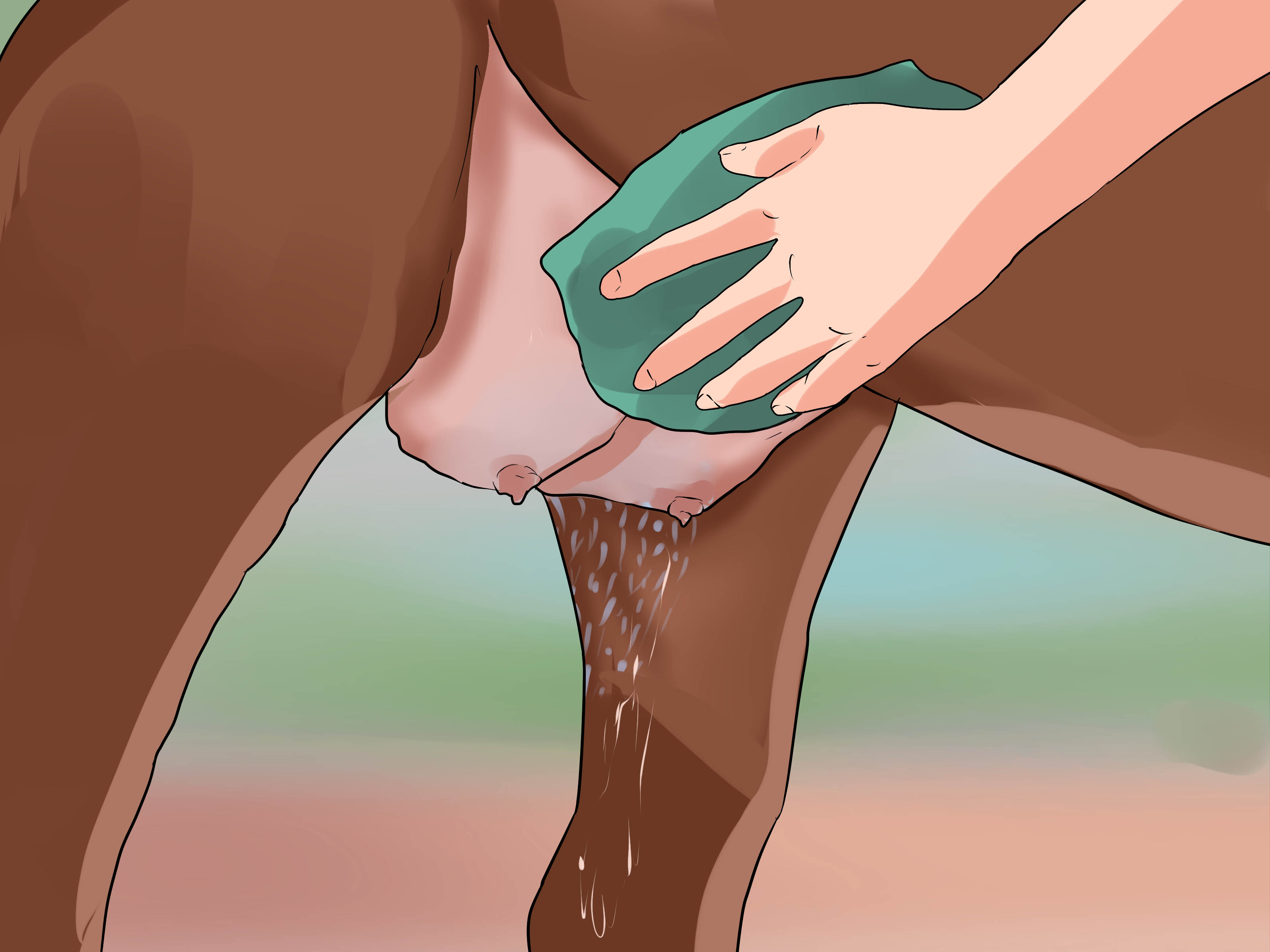
Let’s be honest: this is not the glamorous side of horse ownership. Nobody posts a dramatic sunset photo with the caption, “Just finished carefully cleaning my mare’s vulva area and udders.” But good mare hygiene matters, especially when the area is visibly dirty, when foaling is close, after foaling, or when your veterinarian has asked you to keep the external area clean. Done the right way, it is simple, gentle, and a lot less awkward than people imagine.
The goal is not to “deep clean” anything internal. It is to clean the external genital area and nearby skin, reduce irritation from urine, sweat, manure, dried secretions, and bedding, and spot warning signs early. Think of it as practical horse care, not a spa appointment. Your mare will probably agree with that description.
Why Cleaning a Mare’s External Genital Area Matters
A mare’s vulva, inner thighs, tail dock, and udder can collect grime surprisingly fast. In normal daily life, that might just look messy. Around breeding, late pregnancy, foaling, or heavy sweating, though, buildup can become more irritating and can increase the amount of bacteria on the skin. That is one reason veterinarians and university horse programs emphasize cleaning the mare’s external genital area and udder around foaling and reproductive procedures.
Just as important, routine observation helps you catch problems. A little dried dirt is one thing. A foul smell, painful swelling, bloody discharge, pus-like material, or a mare that acts like you are touching a hot stove is something else entirely. Good cleaning is partly about cleanliness and partly about noticing when the situation no longer belongs in the “barn chores” category.
Before You Start
Keep the process boring, calm, and efficient. Horses love routine, and mares are no exception. Gather what you need before you untie a tail or turn on the hose:
- Warm water
- A clean bucket
- Disposable gloves
- Soft clean cloths, gauze, or cotton
- A separate sponge or rag for delicate areas
- Mild soap, only if truly needed on the outer skin
- Clean towels for drying
- A helper, if your mare is fidgety
- A safe, non-slip wash area
And here is the golden rule: this is external cleaning only. Do not go digging around internally, and do not treat the clitoral area with disinfectants, medicated ointments, or anything stronger than gentle soap and water unless your veterinarian has told you exactly what to do.
How to Clean a Mare’s Female Parts: 11 Steps
Step 1: Decide Whether the Mare Actually Needs Cleaning
Not every mare needs this done on some rigid schedule. Clean the area when it is visibly dirty, crusty, sweaty, manure-stained, or before and after foaling when hygiene becomes more important. If your mare looks clean and comfortable, congratulations: you may skip the drama for today.
Step 2: Choose a Safe Spot
Use a wash rack, textured concrete, gravel, or rubber matssomewhere with good drainage and solid footing. Slick mud is the enemy of common sense. If the ground turns into a skating rink the second water hits it, pick another location. You want your mare relaxed, not auditioning for a slapstick comedy.
Step 3: Secure the Mare Correctly
If your mare stands quietly, tie her with a quick-release knot or use safe cross-ties. If she is sensitive, inexperienced, heavily pregnant, or in a mood that says, “Today I choose chaos,” have a competent helper hold her. Stand close to the mare’s body and stay off to one side rather than directly behind her.
Step 4: Put on Gloves and Organize Clean Supplies
Use clean gloves and fresh cloths. If you are handling more than one horse, do not share dirty sponges, cloths, or bucket water from mare to mare. That is a fine way to spread things you absolutely do not want to spread. Fresh supplies are cheap; infection problems are not.
Step 5: Wrap or Hold the Tail Out of the Way
Wrap the tail loosely with a clean bandage or have your helper hold it off to the side. This keeps tail hair from flipping back into the area you just cleaned and prevents you from getting smacked in the face by a swishing tail at the exact moment you feel proud of your work.
Step 6: Start with a Gentle Warm-Water Rinse
Use warm, not hot, water. Begin low and calm so you do not surprise the mare. Rinse the outer vulvar area, inner thighs, and surrounding skin to soften dried debris and remove obvious dirt. If you are using a hose, keep the pressure gentle. This is cleaning, not pressure-washing the barn siding.
Step 7: Wipe the External Area from Top to Bottom
Using a soft cloth, gauze, or cotton, wipe away loosened dirt from the cleanest area toward the dirtiest area, generally top to bottom and outward. Use a fresh section of cloth for each pass. The idea is to lift debris away, not smear it around like you are frosting a cake no one asked for.
Be especially gentle around the vulva. You are cleaning the outside only. If the mare tenses, clamps her tail, shifts, or looks irritated, slow down and work more softly. Calm handling usually gets you farther than force.
Step 8: Use Mild Soap Only If You Need It
If warm water alone does the job, excellent. If grime is stubborn, use a very small amount of mild soap on the outer skin only. Avoid harsh antiseptics, strong detergents, heavily scented products, or random “miracle” barn concoctions. Those may irritate delicate tissue and can make an already touchy mare even less enthusiastic about your hygiene project.
This is also a good time to clean the udder and nearby inner thighs if they are dirty. Use a separate clean cloth or sponge for these delicate areas. Never use the same rag you just used on muddy legs, and please do not let “close enough” become your biosecurity plan.
Step 9: Rinse Thoroughly
Any soap you use should be rinsed away completely. Residue can dry the skin, cause itching, and encourage rubbing. Rinse until the skin feels clean and there are no slick or sudsy spots left behind. In horse care, as in life, the trouble often starts when someone says, “That’s probably good enough,” five minutes too early.
Step 10: Pat Dry and Let the Skin Breathe
Use a clean towel to pat the area dry. Do not scrub. Drying matters because constant moisture, especially mixed with urine or manure, can irritate skin and trap more dirt. Once the area is clean and dry, remove the tail wrap and reward your mare for standing quietly. A scratch on the neck, a calm voice, and a sensible exit go a long way toward making next time easier.
Step 11: Watch for Red Flags
After cleaning, take a good look. Call your veterinarian if you notice a strong odor, thick discharge, blood that is not clearly explained, swelling, sores, heat, pain, urine scalding that keeps returning, or anything that looks infected. Also call if your mare is pregnant and you see discharge, premature udder development, or anything unusual around the vulva. A clean mare is good; a clean mare with an ignored medical problem is not.
Common Mistakes to Avoid
- Cleaning too aggressively: Delicate tissue does not need scrubbing worthy of a cast-iron skillet.
- Using harsh products: Strong disinfectants and heavily perfumed soaps are for specific veterinary situations, not routine grooming.
- Leaving soap behind: Residue can irritate the skin and make the mare rub.
- Using dirty supplies: Reused dirty cloths and shared bucket water are a bad idea.
- Standing in the danger zone: Stay to the side, not directly behind the mare.
- Ignoring abnormal discharge: Cleaning should not replace diagnosis.
When to Clean More Carefully Around Foaling
If your mare is close to foaling, hygiene becomes more important. Many veterinary and university foaling guides recommend washing the mare’s vulva area, inner thighs, and udder as foaling approaches, then wrapping the tail. The reason is simple: newborn foals meet the world with an immune system that is still under construction, and reducing surface contamination gives them a cleaner start.
That said, keep the process calm. A heavily pregnant mare is not the right candidate for a lengthy, fussy beauty routine. Quick, gentle, clean, and stress-free is the winning formula.
How Often Should You Do This?
There is no universal once-a-week rule that applies to every mare on earth. A clean pasture pet may need very little attention beyond routine observation. A broodmare near foaling, a mare with skin irritation, or a horse that gets dirty fast may need more frequent external cleaning. Use your eyes, your common sense, and your veterinarian’s advice if your mare has reproductive or skin issues.
Final Thoughts
Cleaning a mare’s female parts sounds intimidating mostly because people overcomplicate it. In reality, it comes down to safe handling, warm water, clean supplies, gentle technique, and knowing where owner care ends and veterinary care begins. If you stay focused on the external area and keep the process clean and calm, you will do your mare a favor without turning the whole thing into a wrestling match.
And if your mare gives you a look that says, “I cannot believe this is how we are spending our afternoon,” just remember: she is probably judging your technique, not your intentions.
Real-World Experiences: What Owners Learn After the First Few Cleanings
One of the most common experiences owners describe is how much easier the job becomes once the mare knows what is coming. The first attempt is often clumsy: the owner forgets a towel, the hose is colder than expected, the mare swishes her tail like a windshield wiper in a thunderstorm, and everyone involved questions their life choices. By the second or third time, the process usually becomes calmer. Owners learn to approach from the shoulder, keep one hand on the mare, speak softly, and move with a lot less fuss. That change in rhythm matters. Horses read tension better than most people read instruction manuals.
Another common lesson is that less is often more. Many owners start out thinking a very thorough cleaning must be a better cleaning. Then they realize that overhandling delicate skin can leave the mare irritated and annoyed. Experienced handlers usually end up using warm water first, only a tiny bit of mild soap when grime truly calls for backup, and a very thorough rinse. The difference is noticeable: the mare stands better, the skin looks healthier, and there is much less rubbing afterward.
Broodmare owners often mention that the easiest cleanings happen before foaling if the mare has already been taught to accept udder handling and tail wrapping. Maiden mares, especially, can act as if you are proposing something deeply unreasonable. But when they have been gently introduced to being touched around the udder and hindquarters in the weeks before foaling, the actual pre-foaling cleanup goes much more smoothly. In practical barn life, training for tolerance is half the battle.
Owners also talk about how useful cleaning can be as a health check. More than one person has discovered a problem not because they were looking for trouble, but because routine cleaning gave them a close look at the area. A mare that had seemed merely dirty turned out to have abnormal discharge. Another had urine scald starting on the surrounding skin. Another became reactive only on one side, which prompted a call to the veterinarian and an earlier exam than anyone had planned. The cleaning itself was simple; the observation was the valuable part.
There is also a strong “barn wisdom” theme that shows up again and again: use clean supplies every single time. Owners who care for multiple horses quickly learn that sharing one soggy rag among several mares is not thrifty; it is sloppy. Fresh water, fresh cloths, clean gloves, and separate sponges for delicate areas become habits that save trouble later. It is not glamorous, but neither is explaining to your veterinarian that your infection-control protocol was essentially “one bucket and optimism.”
Most of all, experienced horse people learn that a successful cleaning session does not look dramatic. The mare stands quietly. The handler stays out of the kick zone. The area gets cleaned gently, dried well, and checked for anything unusual. Nobody wrestles, nobody panics, and nobody decides to invent a stronger homemade soap mixture because “it probably needs more power.” In the barn, boring is often the gold standard. When it comes to mare hygiene, boring is excellent.













