
Home is supposed to be the place where you can relax, recharge, and occasionally eat cereal for dinner without anyone judging you. Unfortunately, peaceful domestic life can get complicated when the person next door seems determined to provide a soundtrack of barking dogs, midnight furniture rearrangement, thumping bass, overflowing trash cans, or parking decisions that appear to have been made during an interpretive dance performance.
Dealing with annoying neighbors is frustrating because you cannot simply close a browser tab and make them disappear. Unless somebody moves, you may continue seeing each other at the mailbox, in the hallway, across the fence, or during the painfully awkward moment when both garage doors open at exactly the same time.
The best strategy is usually not immediate confrontation. Neighbor disputes tend to respond better to gradual escalation: communicate clearly, document persistent problems and use neutral third parties, then consider formal complaints or legal remedies when ordinary cooperation fails. Mediation is specifically used in neighbor disputes because it allows people who may continue living near each other to build practical solutions rather than merely determine who “won.”
Research basis:
Here are three practical ways to deal with annoying neighbors while protecting your sanity, your rights, and the possibility of someday exchanging a normal wave instead of pretending to inspect the clouds.
1. Talk to Your Neighbor Before the Problem Becomes a War
For many neighbor problems, the most effective first step is also the simplest: have a calm conversation.
This sounds obvious, yet people often skip directly from irritation to retaliation. One household turns up its television, the other buys louder speakers, and six weeks later everyone is participating in a neighborhood arms race nobody remembers starting.
Authorities and legal resources dealing with neighborhood noise commonly recommend contacting the person responsible when doing so feels safe. Some people genuinely do not realize how much sound travels through apartment walls, floors, vents, yards, and shared structures.
Research basis:
Choose the right moment
Timing matters. Knocking on someone’s door at 1:17 a.m. while you are angry about their party rarely produces a thoughtful discussion about mutual respect.
If there is no immediate safety issue, wait until everyone is calm. A conversation the following afternoon is usually more productive than shouting through a wall while somebody’s subwoofer is demonstrating its ability to locate your internal organs.
Keep the first discussion friendly and specific. Instead of saying, “You are incredibly inconsiderate,” try explaining the actual effect:
“Hey, I wanted to mention that the music has been coming through our bedroom wall pretty loudly after 11 p.m. Would you mind turning it down at night?”
That statement describes the behavior, identifies when it happens, explains why it matters, and requests a realistic change. It gives the neighbor an opportunity to solve the problem without feeling personally attacked.
Focus on solutions instead of personalities
There is an enormous difference between discussing an annoying behavior and declaring that your neighbor is an annoying human being.
If the problem is a barking dog, possible solutions could include bringing the dog indoors at certain hours, adjusting outdoor time, adding visual barriers that reduce barking triggers, or seeking training assistance.
If the problem involves music, perhaps the speakers can be moved away from a shared wall. If footsteps from an upstairs apartment sound like a migrating buffalo herd, rugs or padded floor coverings might help.
Practical compromises are particularly useful because nuisance disputes are rarely about achieving perfect silence. People living near one another inevitably create some noise. The goal is usually to reduce unreasonable interference rather than demand monastery-level quiet.
Know when not to confront someone
Direct communication is not appropriate in every situation.
If your neighbor has threatened you, behaved violently, stalked you, appears dangerously intoxicated, or makes you genuinely afraid for your safety, do not treat the situation like an ordinary etiquette problem. Court systems that encourage mediation also recognize that mediation or direct negotiation can be inappropriate where safety risks, abuse, intimidation, or major power imbalances exist.
Research basis:
In those circumstances, use appropriate property management, law enforcement, legal, or emergency channels rather than placing yourself in danger simply because someone told you that “good neighbors communicate.”
2. Document the Problem and Bring in a Neutral Third Party
If you have politely discussed the issue and nothing changes, stop relying entirely on memory. Begin documenting persistent problems.
A simple neighbor disturbance log can include the date, approximate starting and ending times, the type of disturbance, where you experienced it, what you did about it, and whether anyone else witnessed it.
For example:
- July 8, 11:40 p.m.–12:25 a.m.: loud amplified music audible in bedroom.
- July 11, 6:20 a.m.: dog barking continuously for approximately 35 minutes.
- July 15, 12:10 a.m.: shouting and music from backyard gathering.
The purpose is not to become the neighborhood’s self-appointed intelligence agency. It is to establish whether you are dealing with an occasional inconvenience or a recurring pattern.
Documentation can also make discussions with a landlord, property manager, homeowners association, mediator, attorney, code enforcement office, or police department much more productive. Maryland’s People’s Law Library, for example, recommends keeping a log when attempting to resolve ongoing neighbor disputes.
Research basis:
Check your lease, HOA rules, and local ordinances
Before escalating the complaint, determine which rules actually apply.
Apartment leases may contain restrictions involving excessive noise, common areas, pets, parking, smoking, trash, and conduct that disturbs other residents. Condominium associations and HOAs may have additional community rules.
Local noise regulations are especially important because there is no universal American rule saying every neighborhood must become silent at a particular hour. Regulations differ significantly between municipalities and may distinguish residential noise, construction, animals, vehicles, parties, commercial activity, and mechanical equipment.
For example, New York City provides complaint procedures for neighbor noise such as loud music, parties, televisions, talking, and furniture movement. Seattle separately regulates several categories of residential and unreasonable noise and directs residents to different agencies depending on the source.
Research basis:
That variation is why checking your own city or county rules is more useful than quoting something your cousin found online from a completely different state.
Ask your landlord or HOA for help
Renters may be able to involve their landlord or property manager when another tenant repeatedly violates lease provisions or community rules. In an HOA or condominium community, the association may also have procedures for written complaints and rule enforcement.
Research basis:
Write a factual complaint rather than an emotional manifesto. Include several representative incidents, explain any previous attempts to resolve the problem, identify the relevant rule if you know it, and describe the outcome you want.
“Please make him stop being the worst neighbor in North America” is emotionally understandable but administratively difficult.
“Please address repeated amplified music after midnight from Unit 204; incidents occurred on July 8, 11, and 15” gives management something concrete to investigate.
Consider neighborhood mediation
Mediation is one of the most underused tools in neighbor conflict resolution.
A mediator does not simply announce which neighbor is correct. Instead, a neutral person helps both sides communicate and explore a mutually acceptable agreement. Courts in California and New York specifically identify neighbor disputes as situations where mediation can be useful, particularly because the parties often need to continue living near each other.
Research basis:
A mediated agreement might establish reasonable quiet periods, where guests should park, when a dog can use a shared yard, how landscaping near a property line will be maintained, or how future complaints should be communicated.
Community mediation services may be free or inexpensive in some jurisdictions. That can make them worth exploring before anyone begins paying attorneys to exchange increasingly expensive letters about somebody’s leaf blower.
3. Escalate Through Official Channels When Necessary
Some neighbor problems do not improve after polite conversations, written requests, property management involvement, or mediation. At that point, formal escalation may be appropriate.
The correct option depends on the behavior.
File a noise or code complaint
Many local governments provide procedures for reporting excessive noise and property-code violations.
New York City, for example, uses its 311 system for various neighbor and noise complaints. Seattle directs different complaints to police, construction and inspection authorities, or animal control depending on whether the disturbance involves parties, equipment, construction, or animals. Los Angeles also provides non-emergency police channels for loud-party and nuisance complaints.
Research basis:
This illustrates an important principle: use the agency responsible for your specific problem instead of assuming every annoying behavior belongs with the police.
A barking animal might be handled by animal control. An illegal construction project may belong with building or code enforcement. Chronic amplified music could be covered by a local noise ordinance. Dangerous conduct may require law enforcement.
Understand what legally counts as a nuisance
In legal terminology, nuisance generally concerns unreasonable interference with someone’s use and enjoyment of property. Noise, vibration, smoke, odors, and similar conditions can potentially become nuisance issues, although exact legal requirements vary by state and circumstances.
Research basis:
Not every irritation qualifies. Your neighbor having an unattractive lawn, laughing loudly once, or owning wind chimes you personally consider an assault on civilization does not automatically create a winning lawsuit.
Persistent and substantial interference is a different matter.
Use courts as a later option, not an opening move
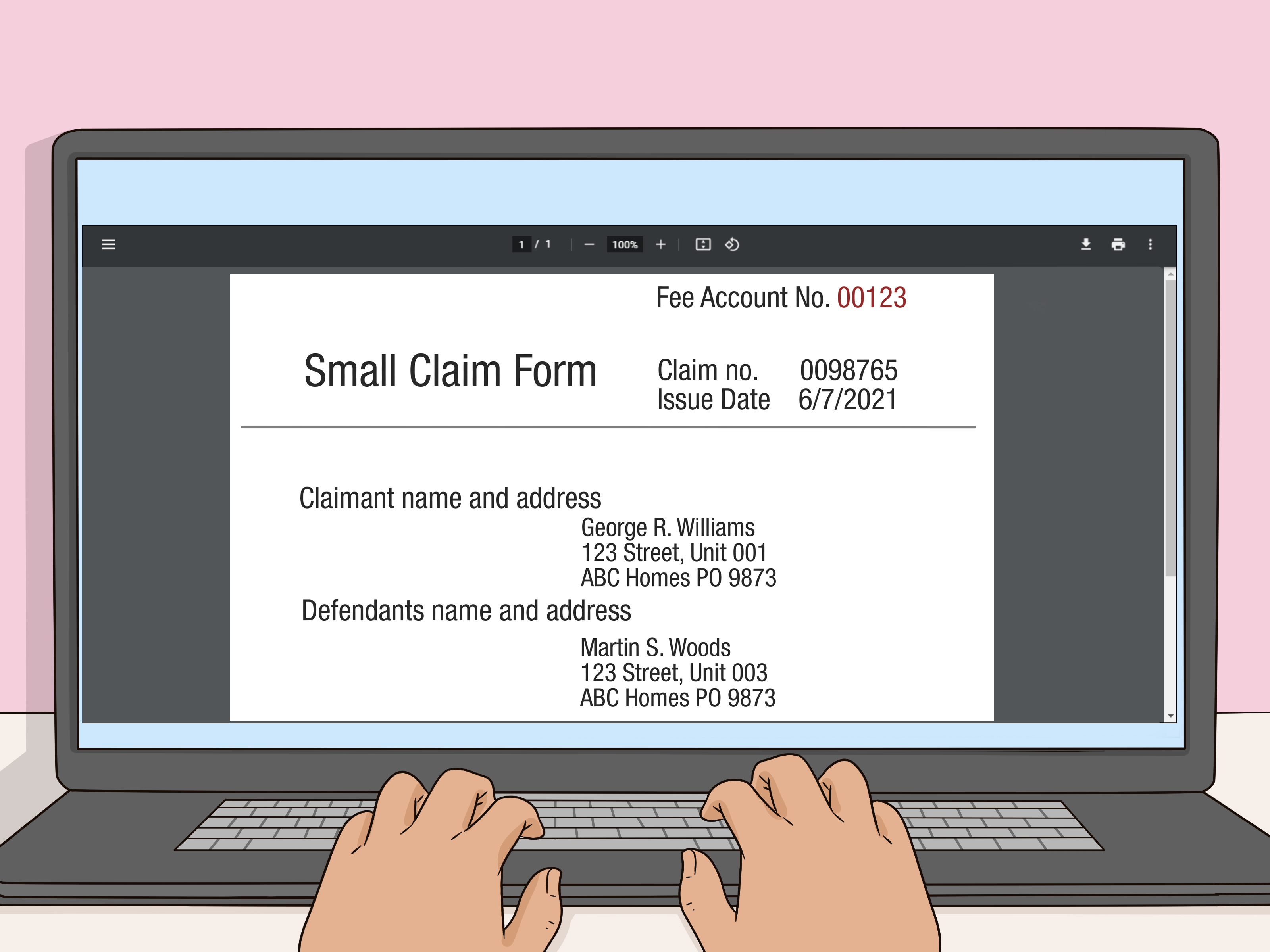
Depending on the dispute and jurisdiction, possible legal options may include small claims proceedings, nuisance actions, injunctions, or protective orders for serious harassment or threats. Legal resources discussing neighbor disputes generally recommend attempting reasonable informal solutions before litigation when it is safe to do so.
Research basis:
Court proceedings cost time, money, and emotional energy, and the victorious party still may have to live twenty feet from the defeated party afterward. That can make winning strangely similar to losing.
If substantial property damage, repeated harassment, threats, discrimination, boundary disputes, or significant financial losses are involved, speaking with a qualified local attorney can help you understand the remedies available where you live.
Why Annoying Neighbor Problems Should Not Be Ignored Forever
Some people tolerate serious disturbances because they are afraid of appearing overly sensitive. Yet chronic environmental noise is not merely irritating. The U.S. Environmental Protection Agency notes associations between excessive noise and problems including stress-related illness, sleep disruption, high blood pressure, hearing effects, and reduced productivity.
Research basis:
The CDC also recommends keeping bedrooms quiet as part of creating an environment supportive of healthy sleep.
Research basis:
That does not mean every closing car door represents a public-health emergency. It does mean that repeatedly losing sleep because of preventable disturbances is a legitimate problem worth addressing calmly and constructively.
Common Mistakes That Make Neighbor Disputes Worse
Starting with an accusation
“Could you lower the music after 10?” invites a conversation. “Everyone thinks you’re selfish” invites an entirely different event.
Discuss behavior rather than attacking character.
Retaliating
If your neighbor wakes you with music, resisting the temptation to start your lawn mower outside their window at sunrise is generally wise.
Retaliation can escalate the conflict, generate complaints against you, and make later mediation considerably harder.
Complaining about everything
Separate genuine recurring disturbances from the ordinary inconvenience of living near other humans.
Children play. Dogs occasionally bark. People drop things. Someone will someday discover a blender at 7:02 a.m.
Focusing on repeated, unreasonable behavior makes your complaint more credible.
Posting the dispute online
Turning a neighbor disagreement into social-media entertainment can create embarrassment, hostility, privacy concerns, and potentially additional legal problems.
If your objective is actually resolving the dispute, communicate through useful channels rather than recruiting the entire neighborhood Facebook group as a jury.
Real-World Experience: What Usually Works With Difficult Neighbors
Experience with everyday neighbor disputes reveals an interesting pattern: the smallest intervention that genuinely solves the problem is usually the best intervention.
Imagine an upstairs neighbor who regularly exercises around midnight. To the person upstairs, it may be twenty minutes of harmless cardio. To the downstairs resident, it sounds like professional wrestling has opened a training facility above the bedroom.
The ineffective response would be pounding on the ceiling every night. The more useful response is explaining that the impact noise travels strongly through the floor and asking whether workouts can happen earlier or over a padded exercise mat.
The difference is surprisingly important. One approach communicates anger. The other provides information and a solution.
Another common experience involves barking dogs. A neighbor may leave for work and have absolutely no idea that their normally quiet pet performs a four-hour solo concert after the front door closes.
A friendly description of when the barking occurs may solve the mystery. If nothing changes, keeping a reasonable log makes it easier to explain the pattern to the owner, landlord, HOA, mediator, or appropriate local agency.
Parking disputes produce similar lessons. Suppose a neighbor repeatedly blocks part of your driveway. Leaving an angry note saying, “Learn how to park!” may feel satisfying for approximately fourteen seconds. A better message identifies the exact issue: your vehicle cannot safely enter or leave when theirs extends across the driveway.
Specific problems are easier to fix than vague accusations.
It also helps to distinguish between annoying habits and harmful behavior. Someone whose leaves occasionally blow into your yard is probably not worth beginning a legal campaign against. Someone repeatedly entering your property after being told not to, damaging your fence, threatening your family, or deliberately interfering with your property deserves a more serious response.
Good judgment means escalating according to the seriousness of the conduct.
Another useful lesson is that relationships have practical value. You do not need to become best friends with the people next door. You do not need matching holiday sweaters or a shared vacation calendar. Basic friendliness, however, creates a communication channel before a problem occurs.
A neighbor who already knows you as the person who says hello while collecting the mail is more likely to hear, “Could we talk about the late-night music?” as a reasonable request rather than an attack from a stranger.
Finally, successful neighbor conflict resolution often involves accepting an imperfect compromise. You may not eliminate every footstep, dog bark, barbecue guest, basketball bounce, lawn mower, or mysteriously enthusiastic Tuesday-night karaoke session.
The realistic target is peaceful coexistence.
If your neighbor agrees to move the speakers away from your shared wall and lower the volume after 10 p.m., that may be a better long-term outcome than spending months trying to prove that they are objectively the most irritating person in the ZIP code.
Conclusion
Learning how to deal with annoying neighbors is less about winning confrontations and more about using the right response at the right stage.
Start with calm communication when it is safe. Explain the specific behavior and suggest a workable solution. If the problem continues, document the pattern, review applicable lease or community rules, and involve a landlord, HOA, property manager, or mediator. When persistent conduct violates local laws or becomes dangerous, use the appropriate municipal agency, law enforcement channel, or legal remedy.
Above all, avoid turning a manageable irritation into a permanent feud. You may successfully prove that your neighbor was wrong and still spend the next ten years staring at each other across the driveway.
Peace is usually cheaper. It also requires considerably less paperwork.
Note: This article provides general educational information rather than legal advice. Noise ordinances, nuisance laws, tenant protections, HOA rules, and enforcement procedures vary by state and locality. For serious disputes, threats, property damage, or legal claims, consult the appropriate local authority or a qualified attorney.













