
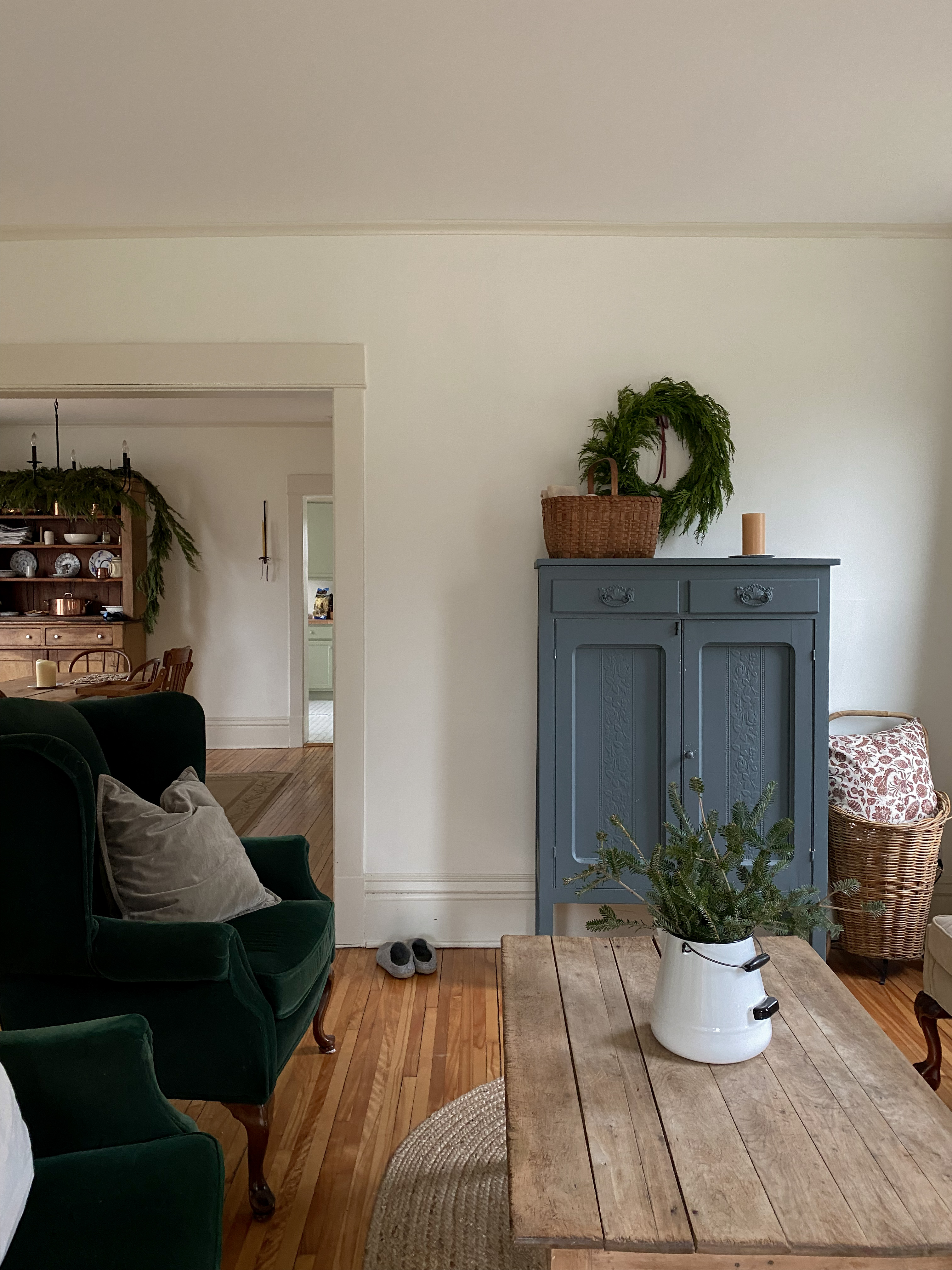
There is a special kind of confidence in an old Minnesota farmhouse when the first serious snow arrives. The wind can whistle across the fields, the porch can disappear beneath a frosted quilt, and the thermometer can begin its annual audition for a role in a disaster movie. Yet inside, a well-loved 1906 farmhouse can feel calm, warm, and remarkably current.
The trick is not turning the home into a museum or a modern farmhouse costume party with 47 decorative signs announcing that someone “gathers” here. It is about honoring what the house already does well: simple proportions, useful rooms, honest materials, sturdy woodwork, and the kind of character that cannot be delivered in a cardboard box with an Allen wrench.
This winter-ready farmhouse look is built on three ideas: simple architecture, Shaker-inspired restraint, and secondhand pieces with enough age to have stories but not so much age that you are afraid to sit on them. Add smart cold-weather preparation, and a 1906 home can be both beautifully nostalgic and ready for the very non-nostalgic realities of a Minnesota winter.
A Winter House Has Different Rules
Decorating for winter is not only about swapping a linen pillow for a wool pillow and lighting a candle that smells like “Forest Cabin After a Snowstorm.” In an old farmhouse, winter design starts with comfort, durability, and a little common sense.
A home built in 1906 may have original wood floors, tall windows, thick trim, uneven plaster walls, a narrow staircase, and closets that seem to have been designed for a family of very organized squirrels. Those details are part of the charm. They also require a decorating approach that works with the house instead of fighting it.
For a Minnesota farmhouse, the goal is not perfection. The goal is a home that feels warm enough for long evenings, practical enough for wet boots, and flexible enough for everyday life. That means choosing furniture that can handle a blanket pile, rugs that welcome muddy paws, and storage that does not collapse the moment someone brings home another thrifted crock.
The Design Brief: Simple, Shaker, and Secondhand
Let the architecture set the tone
A 1906 farmhouse already has a head start. Rather than covering every surface with decorative extras, let original materials lead the conversation. Wood floors can stay slightly imperfect. Painted trim can remain painted. A narrow hallway does not need to become a gallery of tiny framed quotes about coffee.
Simple farmhouse interiors work best when they keep visual clutter in check. Choose a restrained palette built around warm whites, muted mushroom, faded green, soft charcoal, clay, deep navy, and natural wood tones. These colors feel especially right in winter because they provide contrast against the pale light outside without making the house feel like a cave.
In a living room, that might mean creamy walls, a worn leather chair, a practical sofa in oatmeal-colored linen or durable cotton, and a faded wool rug. In a kitchen, it may mean warm-painted cabinets, wooden open shelves used sparingly, and everyday dishes that are attractive enough to leave out but not precious enough to create anxiety during breakfast.
Borrow the discipline of Shaker design
Shaker style is often misunderstood as bare, bland, or suspiciously free of personality. In reality, its strength comes from useful beauty. A Shaker-inspired room does not need to be empty; it simply needs each object to earn its keep.
Think clean-lined cabinetry, recessed-panel doors, peg rails, ladder-back chairs, simple benches, built-in storage, and furniture made from solid wood rather than mystery material covered in a wood-print sticker. Shaker ideas are especially effective in a farmhouse because they make a busy household easier to manage.
A peg rail in the mudroom can hold coats, scarves, reusable grocery bags, and the dog leash. A simple wooden bench offers a place to pull off snow boots without attempting a balancing act worthy of Olympic scoring. A painted cabinet with unfussy hardware can hide gloves, batteries, board games, and the collection of random keys that no one has dared throw away.
The point is not to make every room look like it belongs in a historical reenactment. Pair a Shaker-style table with contemporary lighting. Use simple cabinetry with a vintage runner. Let a clean-lined storage bench sit beside an old framed landscape painting. The balance keeps the home grounded in history without making it feel trapped there.
Use secondhand pieces for depth, not clutter
Secondhand furniture is where the farmhouse gains soul. A new house can look polished in a day. An old farmhouse should look collected over time, as though each piece arrived because someone spotted it at an estate sale, rescued it from a church basement, or refused to leave a flea market without it.
The best secondhand finds are practical. Look for solid wood dressers, painted side tables, old benches, woven baskets, brass lamps, landscape art, ironstone dishes, stools, framed needlework, vintage quilts, and wood chairs with good bones. “Good bones” is the furniture equivalent of a flattering winter coat: it matters more than a little surface wear.
A scratched pine table can become the heart of a kitchen. A secondhand hutch can hold dishes, linens, cookbooks, and the mysterious collection of serving bowls that appears after adulthood. A vintage trunk can work as a coffee table, blanket chest, or conversation starter, depending on how much coffee is involved.
The key is editing. One old trunk is charming. Seven old trunks may suggest that you are preparing to flee town by covered wagon. Use secondhand pieces to create contrast and history, then give them breathing room.
How to Make a 1906 Farmhouse Winter-Ready Without Erasing It
Keep original windows when possible, then improve their performance
Old wood windows are often one of a farmhouse’s best features. Their wavy glass, divided-light patterns, and deep trim add a character that generic replacement windows struggle to imitate. Before replacing them automatically, consider repairs, new glazing, weatherstripping, storm windows, or interior storm panels.
These updates can improve comfort while preserving the home’s appearance. Add lined curtains or insulated drapery for nighttime warmth, especially in bedrooms and living spaces. Use woven shades or simple Roman shades during the day so the rooms still get soft winter light.
Do not overlook the humble door sweep. It is not glamorous, but neither is walking through an arctic breeze every time you pass the back door. A small upgrade around doors and operable windows can make a noticeable difference in comfort.
Look up: the attic deserves more attention than the throw pillows
In cold climates, the attic can become a troublemaker when warm indoor air leaks upward. That escaping heat can contribute to uneven roof temperatures, snowmelt, and ice dams. A pretty farmhouse roofline is wonderful; a pretty farmhouse roofline with water backing up under the shingles is considerably less charming.
Before winter settles in, inspect attic insulation, seal obvious air leaks, and make sure the roof and attic strategy are appropriate for the home. This is a good place for a qualified energy professional or contractor, particularly when an old house has unusual framing, knob-and-tube wiring, prior renovations, or signs of moisture.
Clear gutters and downspouts before the first hard freeze. Check roof flashing, repair loose shingles, and keep an eye on snow buildup. A roof rake can be useful when used carefully, but avoid turning roof maintenance into an extreme sport. Minnesota has enough winter activities already.
Prepare the heating system, fireplace, and safety equipment
A farmhouse can look romantic with a fire glowing in the hearth, but romance should not be confused with skipping maintenance. Have the heating system checked before the season is fully underway. If the home has a fireplace or wood-burning stove, make sure the chimney and flue are inspected and cleaned as needed.
Test smoke alarms and carbon monoxide alarms. Replace batteries when appropriate, confirm that alarms are placed where they belong, and make sure everyone in the household knows what the signals mean. A winter-ready home should feel cozy, not accidentally adventurous.
Space heaters deserve the same respect as a grumpy barn cat: keep your distance, do not leave them unattended, and never assume they are harmless because they look small. Use them only according to manufacturer instructions and keep bedding, rugs, curtains, and furniture well away from heat sources.
Control moisture without sealing the house into a jar
Old homes need thoughtful moisture management. When winter air is cold and windows are less forgiving, condensation can appear around glass and trim. Use kitchen and bathroom ventilation, avoid drying piles of laundry indoors without proper airflow, and watch for persistent dampness around windows, basement walls, and attic spaces.
Warmth is important, but a house also needs healthy air. When making significant air-sealing upgrades, work with a knowledgeable professional who can consider ventilation, combustion appliances, and indoor air quality. The goal is a tighter house, not a house that smells like last Tuesday’s soup until spring.
A Room-by-Room Winter Edit
The entry and mudroom
This is the house’s first line of defense against snow, slush, wet mittens, and the annual mystery of why one family owns twelve gloves but no matching pairs. Use a sturdy bench, peg rail, washable runner, baskets, and a boot tray. Choose practical finishes that do not panic when touched by salt or damp wool.
The kitchen
Keep the kitchen warm and hardworking. A simple table, wood chairs, open shelving for daily dishes, and one vintage cabinet can provide plenty of farmhouse character. Add a washable runner, a bowl of apples, a lamp with a soft shade, and a few wooden cutting boards. The room should feel ready for soup, pie, and a snow-day breakfast that turns into lunch because nobody feels like leaving.
The living room
Layer texture instead of buying more stuff. A wool throw, quilt, woven basket, old books, floor lamp, and vintage side table can create a room that feels gathered rather than staged. Keep seating close enough for conversation. A farmhouse living room should invite people to stay awhile, not make them feel as though they have entered a showroom where sitting is a punishable offense.
The bedrooms
Bedrooms need softness, not clutter. Use layered bedding, a wool blanket, linen or cotton sheets, simple curtains, and a vintage wood nightstand. A small rug beside the bed can be a kindness on cold mornings. Keep colors muted and materials natural. Winter sleep is serious business when the sunrise seems to arrive at approximately 11:45 a.m.
The Secret Ingredient Is Restraint
The most convincing farmhouse interiors do not rely on themed décor. They rely on proportion, materials, comfort, and a willingness to leave some things alone. A 1906 home does not need every wall paneled, every shelf styled, or every surface covered in antiques.
Instead, preserve what is working. Repair what is worth saving. Add insulation, weatherstripping, lighting, storage, and safer systems where they improve daily life. Bring in secondhand pieces that feel useful and personal. Then let winter do the rest: snow outside the windows, warm lamps inside, and a kitchen table that somehow becomes the center of every good evening.
Extra: What a Minnesota Farmhouse Teaches You During Winter
Living with an old farmhouse during winter changes your relationship with the idea of comfort. In a newer home, comfort often arrives by pressing a button. The thermostat adjusts, the lights turn on, and the rooms remain politely consistent. In a 1906 farmhouse, comfort is more hands-on. It is an active partnership between the people in the house and the house itself.
You learn which door needs an extra push when the temperature drops. You learn that one corner of the living room is ideal for reading, while another somehow remains reserved for the cat, a basket of blankets, and a plant that has survived through pure stubbornness. You notice how afternoon sun lands on the kitchen floor, how quickly the entry mat fills with snow, and how a wool rug can make a room feel warmer before the furnace even gets credit.
Winter also teaches appreciation for the useful things. A solid bench by the door becomes more valuable than a trendy accent chair. A peg rail becomes a daily command center. A deep farmhouse sink is suddenly perfect for soaking mittens, rinsing boots, and filling the kettle for tea. A worn wooden table earns its place when it handles homework, bread dough, holiday wrapping paper, and a puzzle that may or may not remain unfinished until March.
The secondhand pieces begin to matter differently, too. A vintage lamp throws a softer glow than overhead lighting. An old dresser holds sweaters and extra quilts without demanding attention. A scuffed side table becomes the place where someone sets down hot cocoa after shoveling the walk. These are not objects chosen to prove that the house is old. They are objects chosen because they make life easier and more interesting.
There is also something reassuring about the visible evidence of time. A repaired floorboard, a patched bit of plaster, a kitchen drawer that sticks during dry weather, or a staircase that announces every trip upstairs can remind you that a house does not need to be flawless to be beautiful. In fact, a little imperfection may be the point. It gives the home texture, memory, and a sense that it has weathered more than one difficult winter.
That does not mean ignoring maintenance. Old houses reward attention. You listen for drafts, look for condensation, inspect the roof, test alarms, and keep the heating system in working order. You learn that cozy is not merely a color palette. Cozy is a weatherstripped window, a safe chimney, dry boots, warm pipes, and enough blankets for everyone watching the snow fall.
By February, the farmhouse has become more than a backdrop. It feels like a teammate. It has held up against icy mornings, muddy floors, holiday crowds, and endless cups of coffee. And when the light finally begins to linger a little longer in the afternoon, the rooms feel earned. The woodwork glows, the secondhand pieces look right at home, and the simple Shaker details still do exactly what they were meant to do: make daily life a little more orderly, useful, and beautiful.
Conclusion: Ready for Snow, Not Stuck in Time
A 1906 Minnesota farmhouse does not need a dramatic makeover to feel ready for winter. It needs thoughtful choices. Preserve the original character where possible, borrow the practical beauty of Shaker design, and use secondhand furniture to create warmth that cannot be mass-produced.
Most importantly, pair the style with real preparation. Seal drafts, respect old windows, manage moisture, maintain heating equipment, and make safety checks part of the seasonal ritual. Then the house can do what farmhouses have always done best: offer a warm, useful refuge while winter performs its loud, snowy opera outside.
Note: For structural repairs, electrical upgrades, chimney work, heating maintenance, insulation projects, and major moisture issues, consult qualified local professionals familiar with older homes and cold-climate conditions.












