
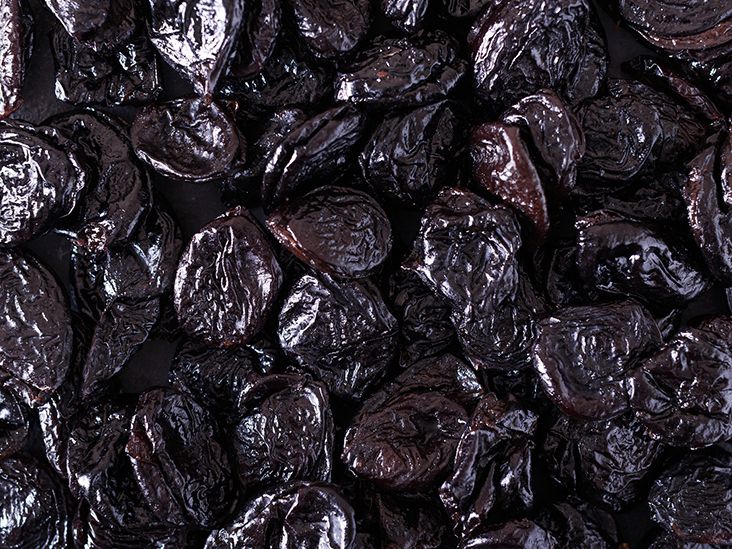
Prunes have spent decades being typecast as the fruit people politely discuss when digestion becomes impolite. More recently, however, these wrinkled dried plums have attracted attention for a very different reason: their possible ability to support bone health and slow age-related bone loss.
Research involving postmenopausal women suggests that eating a modest serving of prunes every day may help preserve bone mineral density at the hip and maintain certain measures of bone structure and strength. That sounds promising, but it does not turn a bag of dried fruit into an osteoporosis prescription. Prunes should be viewed as one potentially useful part of a broader plan that may include calcium, vitamin D, protein, exercise, fall prevention, bone-density monitoring, and medication when appropriate.
Can Prunes Help With Osteoporosis?
Prunes may help support bone health, particularly in postmenopausal women with osteopenia or an elevated risk of osteoporosis. The strongest clinical evidence suggests that a daily serving of about 50 gramsroughly four to six prunes, depending on their sizemay help reduce the rate of bone loss at certain skeletal sites.
That distinction matters. Most studies have investigated whether prunes can help preserve existing bone, not whether they can rebuild severely weakened bone or prevent every fracture. Osteoporosis is a disease in which bone mass, density, structure, or strength deteriorates, increasing the likelihood of fractures in areas such as the hip, spine, and wrist. It is often called a silent disease because many people notice no symptoms until a bone breaks.
In other words, prunes may be useful supporting actors, but they are not the entire cast, director, and stunt team.
Why Bone Loss Accelerates With Age
Bone is living tissue that is continuously remodeled. Specialized cells remove older bone while other cells create new tissue. During youth, bone formation generally keeps pace with or exceeds breakdown. As people age, the balance can shift toward greater bone loss.
Women may experience faster bone loss during and after menopause because estrogen levels decline. Estrogen helps regulate bone remodeling, so its reduction can increase bone breakdown. Additional osteoporosis risk factors include aging, family history, low body weight, smoking, physical inactivity, inadequate calcium or vitamin D, heavy alcohol consumption, long-term corticosteroid use, and certain gastrointestinal, hormonal, autoimmune, or kidney conditions.
A DXA or DEXA scan is commonly used to measure bone mineral density. In postmenopausal women and men age 50 or older, a T-score between -1 and -2.5 generally indicates osteopenia, while a score of -2.5 or lower may indicate osteoporosis. A scan does not tell the entire story, but it provides valuable information about fracture risk and changes over time.
How Prunes May Support Bone Health
1. Polyphenols may influence inflammation and bone remodeling
Prunes contain plant compounds called polyphenols, including several phenolic acids. These compounds have antioxidant and anti-inflammatory activity. Chronic inflammation can influence the signaling pathways that activate osteoclasts, the cells responsible for breaking down bone.
Researchers have proposed that prune polyphenols may help calm some of these pathways, potentially reducing excessive bone resorption. Laboratory and animal studies provide biological support for this theory, while human trials have produced promising but not completely consistent results.
2. Vitamin K contributes to normal bone metabolism
Prunes provide vitamin K, a nutrient involved in activating proteins that participate in bone mineralization. Vitamin K does not work alone, and eating prunes is not equivalent to taking a therapeutic supplement. Still, their vitamin K content may contribute to the fruit’s overall bone-friendly nutritional profile.
3. Potassium may help create a bone-supportive diet
Prunes contain potassium, which supports nerve, muscle, and cardiovascular function. Diets rich in fruits and vegetables also tend to provide compounds that may reduce dietary acid load. Some research has explored whether potassium-rich eating patterns could help reduce urinary calcium loss or influence bone turnover, although this mechanism should not be oversimplified.
4. Prunes provide smaller amounts of bone-related minerals
Dried plums contain nutrients such as copper and boron. Copper is involved in connective-tissue formation, while boron has been studied for possible effects on mineral and hormone metabolism. However, scientists have not established a recommended daily allowance for boron, and it would be misleading to credit one trace mineral with the full effect observed in prune studies.
5. Fiber and the gut microbiome may play a role
Prunes contain soluble and insoluble fiber, along with sorbitol. These substances are famous for encouraging bowel regularity, sometimes with more enthusiasm than the diner expected.
Researchers are also investigating a possible gut-bone connection. Prune supplementation has been associated with changes in the gut microbiome of postmenopausal women, and a 2024 analysis suggested that individual microbial patterns might help explain why some participants respond more favorably than others. This area is intriguing, but it remains an emerging field rather than a settled clinical recommendation.
What Does the Research Say About Prunes and Bone Density?
The 12-month Prune Study
One of the most important trials included 235 postmenopausal women with an average age of about 62. Participants were assigned to one of three groups: no prunes, 50 grams of prunes daily, or 100 grams daily.
After 12 months, total hip bone mineral density decreased by approximately 1.1% in the control group. The 50-gram group experienced a much smaller average decline of about 0.3%, indicating that the lower daily dose helped preserve hip bone density. Compliance and retention were also better with 50 grams than with 100 grams. Many women in the larger-dose group apparently discovered that even a promising food can overstay its welcome when eaten a dozen times per day.
The trial did not prove that prunes prevent hip fractures. It measured bone density and calculated fracture risk rather than tracking enough actual fractures to establish that outcome. Nevertheless, preserving hip density over a year is clinically interesting because the hip is a major site of osteoporotic injury.
Research on bone structure and estimated strength
A related 2024 analysis used three-dimensional imaging to examine the tibia, or shin bone. Women who did not eat prunes experienced declines in several measures of cortical bone density and estimated strength. Participants eating at least 50 grams daily maintained more of these characteristics.
This matters because standard DXA scans primarily show how much mineral is present within a projected area. Three-dimensional imaging can provide additional details about cortical bone, geometry, and estimated strength. The findings add another layer to the evidence, although they still do not establish that prunes alone prevent fractures.
Earlier studies and research in men
Smaller studies in postmenopausal women have reported favorable changes in bone density or markers of bone turnover after daily prune consumption. A short-term study in men with some degree of bone loss also found that 50 or 100 grams of prunes per day may positively affect markers of bone turnover. Evidence in men remains much more limited, so recommendations cannot simply be copied and pasted from female participants.
Why the evidence still needs caution
Clinical trials have used different doses, durations, participant groups, supplements, and bone measurements. Some studies were also supported by the prune industry, which does not automatically invalidate the results but makes independent replication important.
A 2026 systematic review and meta-analysis concluded that the overall human evidence remains mixed. It found a borderline signal at the lumbar spine but no clear significant benefit at most individual bone-density sites, with substantial variation among studies. The practical conclusion is that prunes are promising, especially for preserving bone in postmenopausal women, but the evidence is not strong enough to label them a treatment for osteoporosis.
How Many Prunes Should You Eat for Bone Health?
The most practical research-supported amount is approximately 50 grams per day, usually equal to four to six medium prunes. The exact number varies because prunes have not agreed to grow in identical regulation-sized uniforms.
Some trials used 100 grams, or roughly 10 to 12 prunes, but that amount was harder for participants to maintain and was more likely to produce digestive complaints or simple prune fatigue. The larger serving did not consistently deliver better results.
A gradual starting plan
- Begin with one or two prunes daily for several days.
- Increase to three or four if your digestive system remains comfortable.
- Work toward four to six per day if that amount fits your nutritional and medical needs.
- Drink adequate fluids, especially when increasing dietary fiber.
Bone remodeling is slow. Eating prunes for one weekend will not produce a measurable transformation by Monday morning. Studies showing meaningful differences generally lasted several months, with the strongest trial continuing for one year.
Easy Ways to Add Prunes to a Bone-Healthy Diet
Eating them directly is convenient, but it is not the only option. Prunes have a deep sweetness that works in both sweet and savory dishes.
- Slice prunes into oatmeal with milk or calcium-fortified soy milk.
- Add chopped prunes to plain Greek yogurt with walnuts.
- Blend one or two into a smoothie for sweetness without table sugar.
- Pair prunes with cheese for a snack containing calcium and protein.
- Add them to salads with leafy greens, pumpkin seeds, and vinaigrette.
- Simmer chopped prunes in stews, braised chicken, or grain dishes.
- Puree softened prunes and use the mixture to replace some sugar or fat in baked goods.
Whole prunes are generally more useful than prune juice for this purpose because the whole fruit retains its fiber and more closely resembles the form tested in major bone studies.
Side Effects and Precautions
Digestive discomfort
Prunes contain fiber and sorbitol, a naturally occurring sugar alcohol that draws water into the intestine. A sudden large serving can cause gas, bloating, cramping, or loose stools. People with irritable bowel syndrome or sensitivity to fermentable carbohydrates may react to smaller amounts. Increasing intake slowly is usually more comfortable than conducting an overnight gastrointestinal experiment.
Natural sugar and calories
Prunes do not usually contain added sugar, but drying concentrates the fruit’s natural carbohydrate and calories. Portion awareness is useful for people managing diabetes, weight, or total carbohydrate intake. Pairing prunes with protein or healthy fat may produce a more satisfying snack than eating them by the handful.
Kidney disease and potassium restrictions
People with chronic kidney disease may need to restrict potassium. Because dried fruit can be potassium-dense, anyone following a renal diet should ask a clinician or renal dietitian whether prunes fit the plan.
Warfarin and vitamin K
Prunes contain vitamin K. People taking warfarin generally do not need to eliminate every vitamin K-containing food, but their intake should remain reasonably consistent. A major sudden change in prune consumption could affect anticoagulation management, so it should be discussed with the prescribing clinician or pharmacist.
Osteoporosis medication
Do not stop bisphosphonates, denosumab, anabolic therapy, or another prescribed osteoporosis treatment because you started eating prunes. People at high fracture risk usually require more than dietary changes. Medication decisions should be based on fracture history, bone-density results, age, medical conditions, and an individualized risk assessment.
Prunes Work Best as Part of a Complete Bone-Health Plan
A single food cannot compensate for an otherwise inadequate diet or inactive lifestyle. A more complete osteoporosis strategy may include the following:
Meet calcium needs
Calcium gives bone much of its mineral strength. Dairy foods, calcium-fortified plant milks, canned fish with edible bones, tofu made with calcium, and certain leafy vegetables can contribute. Supplements may be appropriate when food intake is insufficient, but more is not automatically better.
Maintain adequate vitamin D
Vitamin D helps the body absorb calcium. Needs may be influenced by age, sun exposure, skin pigmentation, digestive health, medications, and kidney or liver function. A blood test may be recommended when deficiency is suspected.
Eat enough protein
Bone includes a protein framework, and strong muscles help prevent falls. Older adults sometimes eat too little protein, particularly when appetite decreases. Eggs, fish, poultry, dairy, soy foods, beans, and lentils can help distribute protein throughout the day.
Perform safe resistance and weight-bearing exercise
Walking, stair climbing, resistance training, and other weight-bearing activities can support bone and muscle. Balance exercises may reduce falls. People with severe osteoporosis, vertebral fractures, or significant pain should obtain professional guidance before performing high-impact movements, forceful twisting, or deep forward bending.
Address smoking, alcohol, falls, and medication risks
Stopping smoking, moderating alcohol, reviewing medicines that increase dizziness or bone loss, correcting vision problems, and improving home safety can all lower fracture risk. These steps may not fit into a glamorous wellness advertisement, but neither does recovering from a hip fracture.
Frequently Asked Questions
Can prunes reverse osteoporosis?
No current evidence shows that prunes can reliably reverse established osteoporosis. They may help preserve bone density or slow bone loss in some people, particularly postmenopausal women. Severe osteoporosis may require prescription medication and medical monitoring.
How long does it take for prunes to affect bone density?
Bone changes occur gradually. Clinical studies have evaluated participants over periods ranging from several months to one year. Digestive effects may appear quickly, but bone-density effects cannot be felt and require appropriate imaging to evaluate.
Are prunes better than calcium supplements?
They serve different purposes. Prunes contain bioactive compounds, fiber, potassium, vitamin K, and smaller amounts of other nutrients, but they are not a concentrated calcium source. Calcium supplements are used to fill calcium gaps when food intake is insufficient. One does not automatically replace the other.
Is prune juice equally effective?
The major bone-health trials used whole prunes rather than prune juice. Juice may help constipation, but it contains less fiber and has not been studied as extensively for maintaining bone density.
Can younger adults eat prunes for bone health?
Yes, prunes can fit into a balanced diet for many adults. However, most osteoporosis-related evidence comes from older or postmenopausal participants. Younger people should focus on the complete bone-building package: adequate calories, protein, calcium, vitamin D, resistance exercise, and avoidance of smoking.
A Realistic Experience With a Daily Prune Routine
The following is an illustrative, experience-based routine rather than a clinical case report or a substitute for medical advice.
The easiest mistake when beginning a prune routine is starting with the full research dose immediately. Someone reads that four to six prunes may support bone density, eats eight after dinner for “extra benefits,” and then spends the next morning developing an unusually close relationship with the bathroom. A better experience begins with patience.
During the first week, one or two prunes can be added to breakfast. Chopping them into oatmeal or yogurt makes them feel like part of a meal rather than a daily medical assignment. Their sweetness may reduce the need for honey or brown sugar. This also pairs them with foods that provide protein or calcium, making the meal more useful for overall bone health.
Some people notice improved bowel regularity within a few days. Others experience gas or bloating while their digestive system adjusts to additional fiber and sorbitol. Drinking enough water and increasing the serving gradually usually makes the transition more manageable. Anyone who develops persistent diarrhea, pain, or significant bloating should reduce the amount and seek medical advice if symptoms continue.
By the second or third week, the novelty may wear off. This is where variety becomes important. Eating the same sticky dried fruit from the same container every morning can turn a reasonable habit into a tiny culinary prison. On some days, prunes can be combined with almonds or cheese. On others, they can be blended into a smoothie, chopped into a salad, or simmered with chicken and spices. Rotating methods makes long-term consistency easier.
A practical routine might involve eating two prunes with breakfast and two or three later in the day. Dividing the serving may feel gentler on digestion than consuming everything at once. Keeping portions in small containers can also prevent accidental overeating, since dried fruit is compact and easy to snack on while distracted.
After one month, the most noticeable changes are more likely to involve digestion, snack satisfaction, or reduced use of added sugarnot bone density. Bones do not send a cheerful notification announcing that cortical structure has been preserved. The value of the habit lies in repeating it for months while also following the less exciting but essential parts of osteoporosis care.
For example, a person might pair the prune routine with two or three weekly resistance-training sessions, daily walking, adequate protein, calcium-rich foods, and prescribed vitamin D. They might also schedule a bone-density test at the interval recommended by their clinician. This creates a meaningful plan rather than placing heroic expectations on one dried fruit.
Cost and convenience matter as well. Prunes are shelf-stable, portable, and available year-round. Buying larger packages may reduce the price per serving, although the container should be resealed to prevent the fruit from becoming dry enough to qualify as decorative landscaping material. Unsweetened, pitted prunes are generally the simplest option.
People taking warfarin, managing diabetes, or following a potassium-restricted diet should build the routine with professional guidance. The goal is not to force a research dose into every diet. It is to determine whether a moderate serving can be used safely, consistently, and enjoyably within that individual’s health plan.
The most realistic long-term experience is therefore not dramatic. It is a small food habit that becomes almost boringwhich is often what successful health habits look like. Four to six prunes will not repair every weak bone, but when combined with evidence-based care, they may provide a convenient and pleasantly sweet way to support skeletal health.
Conclusion
Prunes are among the more interesting foods being studied for osteoporosis and age-related bone loss. A daily 50-gram serving has helped preserve hip bone mineral density and certain measures of cortical bone structure in clinical research involving postmenopausal women. Their polyphenols, vitamin K, potassium, fiber, and other compounds may work together rather than through one magical ingredient.
Still, the research is not conclusive enough to call prunes an osteoporosis treatment. Results vary among studies, fracture prevention has not been directly established, and evidence in men and younger adults remains limited. For most suitable adults, four to six prunes per day can be a reasonable addition to a balanced diet. They work best alongside adequate calcium, vitamin D, protein, safe exercise, fall prevention, medical assessment, and prescribed therapy when needed.
The sensible takeaway is pleasantly ordinary: enjoy the prunes, respect the serving size, and do not ask a dried plum to perform the entire job of an endocrinologist.











