
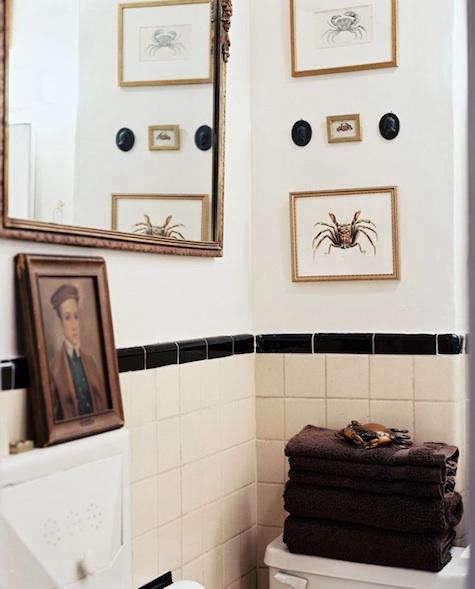
Halloween decorating usually attacks the porch first. Pumpkins appear on the steps, synthetic spiderwebs conquer the shrubs, and at least one plase, the bathroom remains aggressively normal.
That is a missed opportunity. A goth bath can turn an ordinary bathroom into a shadowy retreat filled with black textiles, antique-looking details, warm candlelight, dramatic fragrance, and just enough theatrical mystery to make washing your hair feel like an ancient moonlit ritual.
The goal is not to make the room look like a seasonal aisle exploded inside it. The best Halloween bathroom decor combines gothic romance with practical bathroom design. It should feel dark, luxurious, and intentionalnot as though Count Dracula lost a coupon at a party store.
What Is a Goth Bath?
A goth bath is both a decorating style and an atmosphere. It uses the visual language of gothic interiorsdark colors, ornate shapes, aged metals, romantic fabrics, mysterious objects, and low lightingto transform a functional bathroom into an immersive escape.
Black is the obvious foundation, but successful black bathroom ideas rarely depend on one flat shade. Instead, they combine charcoal, ink, soot, slate, and deep brown-black finishes. Different surfaces absorb and reflect light in different ways, giving the room depth instead of making it resemble a dark storage closet.
The aesthetic can lean in several directions. Victorian goth favors ornate mirrors, damask patterns, lace, brass, and dried roses. Modern goth uses matte black fixtures, simple geometric shapes, glass, and polished stone. A dark-academia version adds antique books, framed illustrations, apothecary bottles, and scholarly clutterpreferably the attractive kind, not three years of unopened mail.
Design guidance for dark bathrooms consistently emphasizes contrast, reflection, texture, and carefully positioned light. Black can feel elegant and cocooning when it is balanced with mirrors, metallic details, white porcelain, warm wood, or glossy surfaces.
Design research:
Build a Layered Halloween Color Palette
Begin with Several Shades of Black
Using exactly one black finish everywhere can make a bathroom look oddly unfinished. A better approach is to layer materials that are close in color but different in texture.
Try a matte black shower curtain, charcoal towels, a glossy soap dispenser, smoked glass containers, and a faded black rug. The subtle variations become more noticeable under warm lighting, creating the visual richness associated with gothic bathroom decor.
Add One Supporting Color
A secondary color prevents the room from becoming visually muddy. Oxblood red creates vampire-drama energy. Deep plum feels romantic. Emerald green suggests an abandoned conservatory. Antique gold brings warmth, while silver creates a colder, haunted-mansion mood.
Use the accent color two or three times throughout the room. For example, pair burgundy hand towels with dried red roses and a dark red bath product. Repetition makes the design look planned rather than accidentally accumulated.
Keep Some Light Surfaces
You do not need to hide every white fixture. A white bathtub, sink, or tile wall can provide crisp contrast against black accessories. Black-and-white bathrooms remain popular because the palette is dramatic yet flexible, and seasonal accessories can be removed without requiring a complete renovation.
Color and contrast research:
Transform the Bathroom Without Renovating It
Replace the Largest Visible Textiles
The shower curtain is usually one of the biggest surfaces in a bathroom, making it the fastest route to a dramatic makeover. Choose black linen-look fabric, velvet-inspired polyester, subtle damask, celestial patterns, or a sheer black outer curtain layered over a waterproof liner.
Add dark towels and a washable bath mat, but avoid creating a floor-level obstacle course. Long lace, loose fabric, and decorative chains may photograph beautifully while remaining determined to trip someone at 2 a.m.
Before buying anything, remove the ordinary items that fight the theme. Bright product labels, neon razors, bulk toilet-paper packaging, and a cheerful cartoon bath mat can weaken the atmosphere faster than someone turning on the overhead light.
Give the Mirror a Gothic Identity
A mirror is functional, reflective, and naturally associated with supernatural folklore, making it the overachiever of Halloween bathroom decor.
An arched mirror suggests gothic architecture. An antique-gold frame adds romantic warmth. A black carved frame creates immediate drama, while an irregular or distressed mirror introduces a slightly haunted feeling without requiring fake blood.
Renters can attach lightweight ornamental molding around an existing mirror using removable methods appropriate for the wall surface. Another option is to place a smaller decorative mirror on an open shelf or counter, away from areas where it could fall into the sink or tub.
Mirrors also help distribute available light and can make a small, dark bathroom feel more open. That practical benefit matters when the color palette is intentionally moody.
Mirror research: a Temporary Gothic Gallery
Frame public-domain botanical illustrations, anatomical drawings, moon phases, ravens, moths, antique portraits, or old architectural sketches. Use matching black frames for a controlled look or mismatched thrift-store frames for an eccentric Victorian collection.
Keep paper artwork away from direct splashes and heavy steam. In a full bathroom, moisture-resistant prints or sealed frames are more practical than unprotected paper. A powder room offers greater freedom because it does not experience the same level of humidity.
Peel-and-stick wallpaper can provide a strong focal point, particularly behind a vanity or on a dry accent wall. However, wallpaper should not be placed where it will be repeatedly soaked, and the wall must be clean, smooth, and properly prepared.
Wallpaper and moisture research:
Use Lighting to Create the Mood
A goth bath should be atmospheric, not dangerously dark. The room still needs enough illumination for walking, reading labels, and distinguishing conditioner from facial cleansera mistake that can turn gothic glamour into greasy tragedy.
Layer the Light
Use the bathroom’s regular lighting while preparing the space. Once everything is arranged, switch to a combination of dimmable ambient lighting, warm sconces, waterproof decorative lights used according to their instructions, and battery-operated candles.
Warm light generally flatters black, brass, red, and brown tones. Placing light at more than one height also adds dimension. A small lamp designed for an appropriate dry location, illuminated mirror, shelf lighting, or flameless candles around the room can prevent the space from looking flat.
Keep color temperature consistent. One cold blue bulb beside one warm yellow bulb can make the room feel less like a gothic sanctuary and more like two convenience stores arguing.
Lighting research: Flameless Candles Around the Bath
Real candles may look romantic, but bathrooms contain towels, shower curtains, paper products, hair products, and decorative fabrics. Halloween arrangements can add even more combustible material.
Battery-operated candles provide flicker and shadow without an exposed flame. Place them in black lanterns, red glass votives, antique-style holders, or clusters of different heights. Some flameless candles even include timers and remote controls, allowing you to summon the darkness without leaving the tub like a disappointed swamp creature.
When real candles are used elsewhere in the home, keep them in stable holders, away from anything that can burn, and never leave them unattended. Product recalls and safety standards demonstrate that candle containers, flames, wicks, and decorative accessories all require careful use.
Fire-safety research:
Style the Vanity Like a Gothic Apothecary
The vanity is an ideal place for small decorative details because it naturally holds bottles, jars, trays, and grooming tools. The trick is to organize those objects rather than adding random clutter.
Transfer frequently used products into clean, clearly labeled containers only when doing so is safe and will not remove important product instructions. Better yet, place the original bottles inside a dark basket or cabinet and display empty decorative apothecary bottles nearby.
Arrange a small tray with black hand soap, a dark glass perfume bottle, rolled washcloths, and a bud vase containing dried flowers. Add one unusual object, such as a ceramic raven, miniature framed portrait, faux beetle specimen, crystal-shaped ornament, or tiny skull.
One strange object looks intriguing. Twenty-seven strange objects look like a yard sale hosted by an undertaker.
For guest bathrooms, practical details should remain obvious. Keep soap accessible, provide a clean hand towel, leave the toilet paper visible, and avoid disguising important items so successfully that visitors must solve a riddle before washing their hands.
Prepare a Black Halloween Bath
Clean the Tub First
Dark bath products can highlight existing soap residue, mineral buildup, or stained grout. Begin with a clean tub, remove loose decorative objects, and check that the drain is working normally.
If you plan to use a black, purple, red, or heavily pigmented bath bomb, read the label carefully. Use a product formulated for bathing rather than craft dye, ink, paint, or homemade coloring experiments. Test the product on an inconspicuous area when staining is a concern, especially with porous grout, textured tubs, or older finishes.
Consider Your Skin
Fragrance, dyes, essential oils, and other ingredients can irritate sensitive skin. Patch-test unfamiliar skin products according to professional guidance, and stop using anything that causes burning, itching, swelling, or discomfort.
Warm water is usually gentler than very hot water. People with dry or reactive skin may prefer fragrance-free bath products and a shorter soak. After bathing, gently pat the skin dry and apply a suitable fragrance-free moisturizer while the skin remains slightly damp.
Bath oils can also make the tub slippery. Use a secure bath mat, stand carefully, and rinse oily residue from the tub after use.
Skin-care research: the Ritual in Layers
Fill the tub with warm water, then add the bath product according to its directions. A charcoal-colored bath bomb, deep plum soak, black mineral salts, or dark botanical blend can support the theme, but the water does not need to become completely opaque.
Set a bath tray with water, tea, or another nonalcoholic drink in a stable container. Add a book, waterproof speaker, folded washcloth, or small bowl of wrapped candy. Keep electronics and charging cables safely away from water.
Finish with a soundtrack. Gothic rock, dark classical music, atmospheric film scores, rain sounds, or instrumental dark academia playlists can shape the experience more effectively than another plastic spider ever could.
Add Fragrance Without Overwhelming the Room
A small bathroom concentrates scent quickly, so restraint is essential. Choose one fragrance story instead of combining scented candles, bath salts, perfume, incense, room spray, hand soap, and six essential oils into an aromatic wrestling match.
Goth-friendly scent profiles include cedar, sandalwood, amber, black tea, smoke, patchouli, clove, rose, plum, fig, vanilla, and damp-earth interpretations. For a cleaner mood, try eucalyptus, rosemary, pine, or unscented products paired with fresh greenery.
People with fragrance sensitivities, asthma, allergies, or reactive skin may need to avoid scented products entirely. An unscented bath can still feel atmospheric through lighting, music, color, and texture.
Make a Small or Rental Bathroom Feel Gothic
A temporary goth bathroom makeover does not require black tile, a claw-foot tub, or permission to install a stone gargoyle over the toilet.
Focus on removable elements: a shower curtain, towels, framed art, countertop accessories, a decorative mirror, a dark rug, and battery-operated lighting. Store the everyday decor in a labeled box, then reverse the transformation after Halloween.
In a very small room, commit either to strong contrast or a controlled monochromatic palette. A mostly white bathroom with repeated black accents feels graphic and crisp. An all-dark arrangement can feel immersive, especially when mirrors and glossy surfaces reflect the light.
Avoid covering every surface. Negative space gives individual objects more impact and makes cleaning easier. It also reduces the chance that guests will accidentally knock a ceramic bat into the sink while reaching for the soap.
Protect the Bathroom from Moisture and Mess
A Halloween makeover should not create a November mold problem. Run the exhaust fan during and after bathing, or open a window when appropriate. Persistent condensation, peeling paint, recurring mildew, or damp wallpaper may indicate inadequate ventilation.
Use washable textiles and keep dried flowers, paper decorations, books, untreated wood, and delicate fabrics away from wet areas. Wipe condensation from vulnerable surfaces and allow towels and bath mats to dry completely.
After using a dark bath product, drain the tub promptly and rinse the surface with clean water. Wipe away pigment around the waterline, fixtures, grout, and drain before it dries. Clean according to the tub manufacturer’s instructions, avoiding abrasive tools or incompatible chemicals.
Ventilation research:
Experience Notes: What a Halloween Goth Bath Actually Feels Like
The most effective transformation begins before the bathwater starts running. The regular bathroom products are moved into a cabinet, the counter is wiped clean, and the bright everyday towels are replaced with charcoal ones. That simple removal of visual noise produces the first major change. The room does not yet look haunted, but it suddenly feels quieter and more deliberate.
A black shower curtain becomes the backdrop. Against it, the white bathtub looks brighter and more sculptural. An antique-style mirror frame and a dark red hand towel provide enough contrast to keep the room from becoming a featureless black box. A small arrangement of dried burgundy flowers sits beside the sink, while one ceramic raven watches the room with the judgmental confidence of a building inspector.
The overhead light remains on during setup. This is less romantic but considerably more useful while checking labels, arranging the bath tray, and making sure no decoration has migrated onto the floor. Flameless candles are placed around the vanity and on a wall shelf rather than along the narrow edge of the tub. Their warm flicker reflects in the mirror and glossy tile, multiplying the light without multiplying the fire risk.
When the main light is switched off, the room changes immediately. The black surfaces seem deeper, the metallic details become more noticeable, and ordinary objects recede into shadow. A low-volume instrumental soundtrack fills the space without demanding attention. The exhaust fan runs in the background, which is not especially Victorian but is extremely helpful.
A dark plum bath product colors the water gradually. The effect is more elegant than pure black because the burgundy undertone becomes visible where the light touches the water. Before getting in, the product instructions are checked and a clean washcloth is left within reach. A glass of water sits securely on the tray, well away from the edge.
Once the bath begins, the decor matters less as separate objects and more as a complete atmosphere. The combination of warm water, low lighting, dark color, music, and reduced clutter creates a sense of enclosure. It feels calming rather than frightening. That distinction is important: successful gothic design does not require jump scares. It creates mystery through suggestion.
The most memorable element is not the raven, the mirror, or even the dark bathwater. It is the contrast between the familiar room and its temporary identity. The same bathroom used every morning now feels like a private chamber in an old hotel, a sorcerer’s dressing room, or the bathing quarters of an unusually hygiene-conscious vampire.
A few practical lessons become obvious during cleanup. Too many scented products would have been overwhelming in the enclosed space. One fragrance was enough. The flameless candles created more than enough atmosphere, so real flames would have added risk without significantly improving the experience. The darkest towel was reserved for drying hands rather than wrapping wet hair, which helped prevent product residue from spreading.
After the tub drains, the remaining color is rinsed away immediately. The bath mat is hung to dry, the fan continues running, and damp decorative objects are removed from the room. Cleanup takes only a few minutes because the design was based on a handful of intentional pieces rather than dozens of tiny props.
The final result proves that a goth bath does not need to be expensive or permanent. It works because it engages several senses at once while maintaining basic comfort and safety. Black textiles establish the palette, mirrors and metallics catch the light, one dark fragrance supports the mood, and music completes the illusion. For one evening, an ordinary bathroom becomes a beautifully shadowed retreatand not a single inflatable ghost is required.
Final Thoughts
“Back to Black: A Goth Bath for Halloween” is ultimately about atmosphere, not excess. Begin with clean surfaces, replace the largest textiles, layer several black finishes, add one rich accent color, and let mirrors and warm light create depth.
Choose moisture-safe decorations, use bath products as directed, protect sensitive skin, ventilate the room, and rely on flameless candles around fabrics and water. With those practical details handled, you are free to enjoy the drama.
The finished space should feel romantic, mysterious, and slightly theatricala private Halloween retreat where the bath is warm, the room is dark, and the only thing truly terrifying is remembering that tomorrow is a workday.
Research synthesis drew on design, decorating, lighting, moisture-control, skin-care, and fire-safety guidance from Better Homes & Gardens, The Spruce, House Beautiful, Architectural Digest, ELLE Decor, Real Simple, Good Housekeeping, Houzz, Bob Vila, the U.S. Environmental Protection Agency, the American Academy of Dermatology, the National Fire Protection Association, and the U.S. Consumer Product Safety Commission.











