
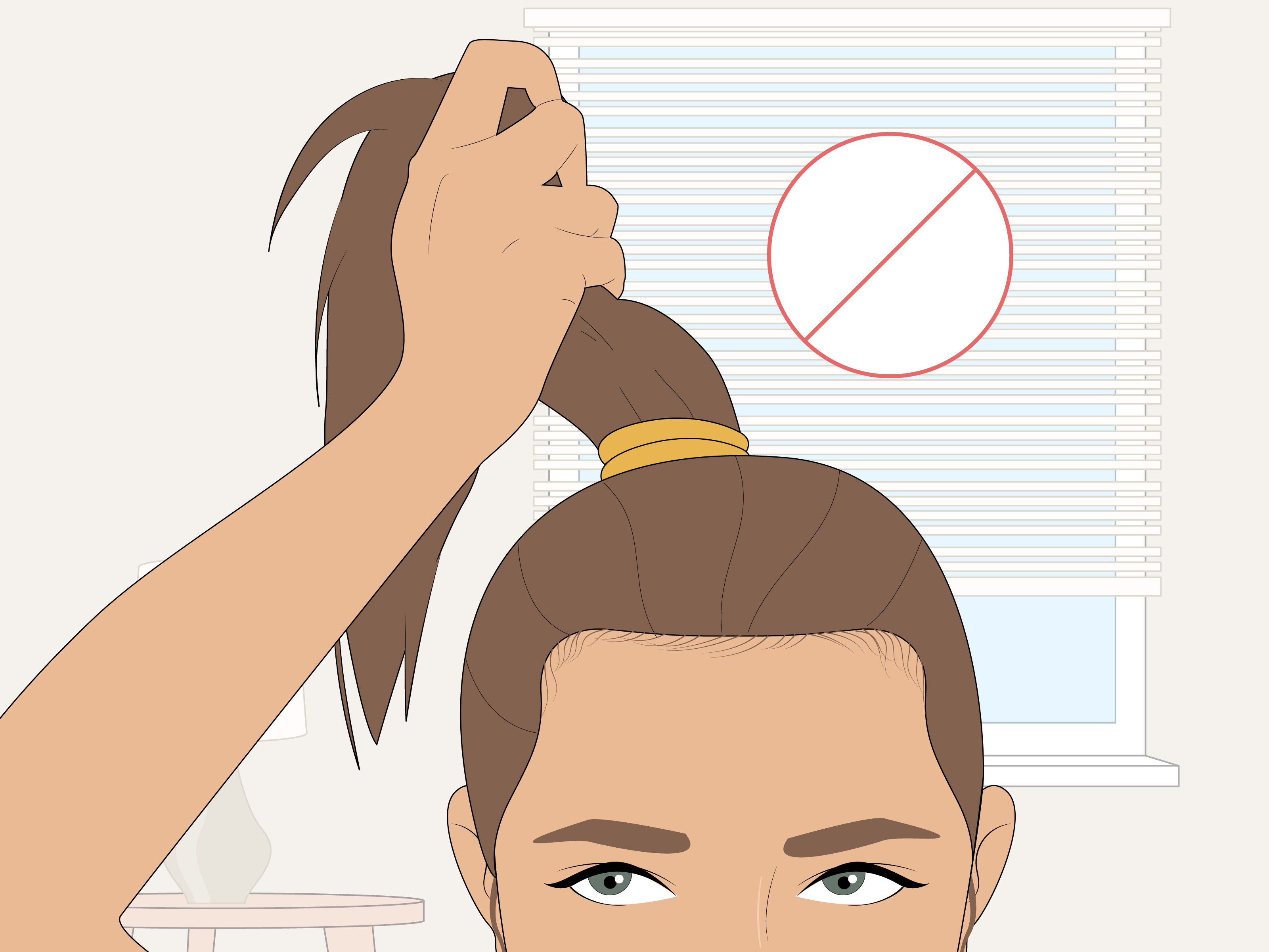
Baby hairs have an impressive talent: they can ignore gravity, hairspray, weather forecasts, and your carefully planned hairstyle all at the same time. You can spend 20 minutes creating a smooth ponytail, glance in the mirror five minutes later, and discover one tiny strand standing proudly at attention like it has been promoted to team leader.
The good news is that keeping baby hairs from sticking up usually does not require extreme heat, layers of sticky gel, or declaring war on your hairline. The best approach is gentle: understand what those short hairs actually are, add a little moisture, guide them in their natural direction, use the right amount of styling product, and give the style a few minutes to set.
Whether your hair is straight, wavy, curly, or coily, the following 12 steps can help you tame baby hairs, control flyaways, smooth your hairline, and create a polished look without unnecessarily stressing some of the most delicate strands on your head.
Why Do Baby Hairs Stick Up?
Baby hairs are the short, fine strands commonly found around the forehead, temples, ears, and nape. Because they are shorter and lighter than the rest of your hair, they do not have enough weight to naturally fall into place. Humidity, static electricity, dryness, cowlicks, new hair growth, and your natural curl pattern can make them even more rebellious.
Not every short strand is technically a baby hair, either. Some may be new growth, while others can result from breakage caused by excessive heat, chemical processing, friction, or repeatedly wearing very tight hairstyles. Baby hairs generally appear naturally around the hairline and tend to have a fine, relatively uniform texture. Broken strands may appear throughout the hairstyle and can have rough, frayed, or uneven ends.
Knowing the difference matters. A naturally short hairline can be styled. A damaged hairline needs gentler treatment, not another enthusiastic meeting with a flat iron.
12 Easy Ways to Keep Baby Hairs from Sticking Up
1. Start by Slightly Dampening Your Baby Hairs
One of the easiest ways to control stubborn baby hairs is also one of the cheapest: use water.
Lightly mist your hairline with a spray bottle until the short strands are damp rather than dripping wet. Moisture temporarily makes the hair easier to reshape and helps reset strands that dried in an awkward direction overnight.
You do not need to wash your entire head every time a few hairs decide to explore the ceiling. A small spray bottle, damp washcloth, or even wet fingertips can provide enough moisture.
Use your fingers to distribute the water evenly before styling. If your hair is prone to dryness, a diluted leave-in conditioner mist can provide additional slip, but avoid soaking the roots with heavy products.
2. Work With the Natural Direction of Hair Growth
Baby hairs are much easier to manage when you guide them approximately where they already want to go.
Look closely at your hairline before brushing. Some sections may naturally grow toward your temple, while others may curve forward or sideways. Instead of forcing every strand straight backward, follow those patterns.
For example, if the baby hairs around your temples naturally curve toward your ears, create a soft side swoop rather than trying to brush them vertically into a ponytail.
This requires less product, creates less tension, and usually lasts longer. Think of it as negotiating with your hair instead of issuing orders. Your hairline has surprisingly strong opinions.
3. Use an Edge Brush, Clean Toothbrush, or Small Styling Wand
A regular paddle brush is great for the rest of your hair but can feel like landscaping equipment when you are working with half-inch strands.
Instead, choose a precision tool such as:
- A dedicated edge brush
- A clean, unused soft toothbrush
- A fine-tooth edge comb
- A small boar-bristle brush
- A mascara-style hair taming wand
Small tools make it easier to control exactly which strands you are moving while minimizing unnecessary pulling on the surrounding hair.
Use short, gentle strokes. Aggressively scrubbing your hairline back and forth is unlikely to improve your hairstyle and may contribute to breakage over time.
4. Choose the Right Hold Product for Your Hair Texture
The strongest styling product is not automatically the best styling product.
For fine, straight, or slightly wavy hair, lightweight hairspray, styling cream, or a flyaway wand may provide enough control without making your hairline look greasy or stiff.
For curly or coily textures, a gel, edge control, pomade, or styling paste may provide stronger hold and better definition.
If your hair is dry or fragile, look for formulas that provide flexible hold rather than turning the hair into tiny pieces of crunchy armor. Excessive product can also create flakes and buildup around the hairline.
Start small. You can always add another tiny amount. Removing half a spoonful of edge control from your forehead at 7:52 a.m. is considerably less entertaining.
5. Put the Product on Your Brush First
Instead of applying a large blob of gel directly to your baby hairs, place a small amount on the edge brush or your fingertip.
For hairspray, mist the brush rather than spraying heavily across your forehead. Then gently smooth the brush over the flyaways.
This method gives you much greater control over the amount of product being applied and reduces the chance of wet-looking roots, crispy edges, or product dripping onto your skin.
A cotton swab or clean spoolie can also work well when you only need to tame two or three stubborn strands.
6. Create Small Swoops Instead of Brushing Everything Straight Back
If your baby hairs refuse to disappear into the rest of your hairstyle, make them part of the hairstyle.
Brush a small section forward first. Place your fingertip lightly against the middle of the strand, then sweep the brush backward in a curved motion. Your finger acts as an anchor while the brush creates a soft C-shaped swoop.
For longer baby hairs, you can experiment with subtle S-shaped patterns or small curls. For a minimalist look, simply direct the hair toward the hairline so it blends naturally.
The goal does not have to be elaborate edge art. Sometimes one gentle curve is all it takes to transform a random flyaway into something that looks completely intentional.
7. Use Low Heat Only When Necessary
A blow-dryer can help train damp baby hairs into position, but the hairline does not need maximum heat.
When using a dryer, choose the lowest effective temperature and direct the airflow in the direction you want the hairs to lie. Use your fingers or a small brush to hold the strands gently in position.
A brief warm airflow can shape the hair, followed by cool air to help it set.
Avoid repeatedly passing a very hot flat iron over fragile baby hairs. Their short length and fine diameter mean they can become overheated quickly.
If your style can be created with water, product, and air-drying, skip the extra heat entirely.
8. Tie Your Hairline Down With a Satin or Silk Scarf
This is one of the most effective tricks for keeping styled baby hairs flat after you finish shaping them.
Once your edges are positioned, wrap a narrow satin or silk scarf around the hairline. Leave it in place for approximately 5 to 15 minutes while the styling product dries and the hairs settle into position.
The scarf provides gentle, even pressure without requiring you to keep brushing.
This technique is particularly useful before leaving the house. Style your hair first, tie the scarf, then get dressed, make coffee, pack your bag, or spend ten minutes wondering where you left your phone while it is already in your hand.
9. Control Dryness, Frizz, and Static
Sometimes the problem is not your styling technique. Dry air and static electricity can cause lightweight hairs to float away from the head even after they looked perfectly smooth in the bathroom.
A small amount of lightweight serum, hair oil, leave-in conditioner, or anti-frizz product can help reduce roughness and improve manageability.
Again, moderation matters. Apply the product to your fingers or brush before touching the hairline. Fine baby hairs can become oily much faster than the lengths of your hair.
During dry winter weather, keeping hair adequately conditioned can also make static-related flyaways easier to manage.
10. Use Hair Accessories When You Want a Product-Free Fix
There are mornings when you simply do not want to sculpt your hairline with the concentration of a miniature Renaissance artist.
That is where accessories earn their keep.
A headband can gently cover or hold back short hairs. Barrettes, decorative clips, scarves, and strategically placed bobby pins can also help manage stubborn sections while adding something interesting to your hairstyle.
Accessories are especially useful on days when your hairline feels dry and you would rather skip another layer of gel or hairspray.
Just avoid anything so tight that it creates continuous pulling around your temples or forehead.
11. Avoid Hairstyles That Constantly Pull on Your Hairline
Ultra-sleek ponytails and buns can look fantastic, but your edges should not feel as though they are participating in a tug-of-war tournament.
Repeated tension from very tight ponytails, braids, buns, extensions, or other hairstyles can stress the hairs around the hairline. Dermatologists warn that chronic pulling can contribute to traction-related hair loss.
If your hairstyle hurts, causes tenderness, or leaves the hairline feeling tight for hours, loosen it.
Alternate tightly pulled styles with looser hairstyles, and avoid repeatedly brushing fragile edges backward with excessive force simply because one little strand refuses to cooperate.
A healthy hairline is more valuable than achieving military-grade slickness every morning.
12. Protect Baby Hairs While You Sleep
You can style your hair beautifully at night and still wake up looking as though your pillow hosted a wrestling match.
Friction during sleep can disturb short hairs, contribute to frizz, and undo carefully arranged edges. A satin or silk pillowcase, bonnet, or scarf creates a smoother surface than many traditional fabrics.
If you have already styled your edges, loosely protecting the hair overnight may also mean less brushing and product are required the next morning.
Do not wrap the scarf painfully tight. The purpose is to reduce friction and preserve your hairstyle, not to vacuum-seal your forehead.
Common Mistakes That Make Baby Hairs Harder to Control
Even good products can perform badly when the styling technique works against them. If your baby hairs still stick up, check whether one of these common problems is responsible:
- Using too much product: Excess gel can become slippery before drying or produce flakes after it dries.
- Styling completely dry hair: A little moisture often makes short hairs significantly easier to redirect.
- Using excessive heat: Fine hair around the face can become damaged more quickly than thicker strands.
- Brushing aggressively: Repeated friction can stress already delicate hairs.
- Ignoring your natural growth pattern: Forcing a cowlick in the opposite direction may require far more product than simply adapting the style.
- Constantly wearing tight hairstyles: Repeated pulling places unnecessary stress on the hairline.
What If the Short Hairs Are Actually Breakage?
If short hairs suddenly appear throughout your head rather than mainly around the hairline, take a closer look. Broken hairs may have uneven lengths, dry texture, split ends, or visibly damaged tips.
In that situation, hiding them with stronger styling products does not address the underlying problem. Reduce unnecessary heat, minimize harsh chemical processing, detangle gently, use appropriate conditioning products, and avoid hairstyles that place repeated tension on the same areas.
Sudden or significant thinning, bald patches, scalp pain, persistent itching, or a visibly receding hairline should be evaluated by a dermatologist or other qualified medical professional rather than treated as a simple flyaway problem.
Conclusion: Smooth Baby Hairs Without Fighting Your Hairline
Keeping baby hairs from sticking up is mostly about technique rather than brute force. Start with slightly damp strands, work with their natural direction, use a small styling tool, choose an appropriate hold product, and allow the finished style to set.
If you remember only one rule, make it this: use the least aggressive method that works. Baby hairs are naturally fine and delicate, so endlessly brushing, heating, pulling, and coating them with heavy products can create more problems than a few charming flyaways ever did.
And occasionally, letting one or two baby hairs do their thing is perfectly acceptable. A hairline does not need to look digitally edited to look polished.
Real-World Experience: What Actually Works on Busy Mornings
Styling baby hairs sounds wonderfully simple when written as a tidy list. Real life, naturally, likes adding humidity, alarm clocks, gym sessions, winter hats, and mysterious strands that refuse to follow instructions.
One of the most useful lessons from experimenting with baby-hair styling is that more product rarely equals better control. The first instinct when a strand pops back up is often to add another layer of gel. Then another. Eventually the baby hair is technically no longer sticking up because it has become a tiny architectural structure attached to the forehead.
A better routine is surprisingly minimal. For straight or wavy hair, lightly wetting the hairline and brushing it downward with a clean toothbrush or edge brush often handles most of the problem. A little hairspray applied to the brush can control the final stubborn pieces. The entire process can take less than two minutes.
Curly and coily hair may require a little more hold. A small dab of edge-control gel combined with a brush-and-finger swooping technique usually provides much better definition than repeatedly brushing the hair straight backward. Once everything is shaped, tying a satin scarf around the hairline while finishing the rest of the morning routine can make a noticeable difference in how well the style holds.
Humidity presents another lesson. A hairstyle that survives perfectly in an air-conditioned bedroom may reconsider its career choices the moment it encounters a hot summer sidewalk. In humid weather, trying to force every short curl completely straight can become frustrating. Working with the natural texture and creating softer curves often looks better as the day progresses because a little movement does not ruin the design.
The same principle applies after exercise. If sweat has caused baby hairs to curl or lift, piling dry product over the old product can create buildup. Lightly dampening the area again, gently reshaping it, and allowing it to reset usually produces a cleaner result.
Another practical discovery is that different areas of the hairline may require different techniques. The center of the forehead might respond beautifully to a light styling cream, while the temple area needs stronger gel. One side may naturally sweep backward while the other prefers falling forward. Perfect symmetry is not required.
Finally, the biggest improvement often comes from simply handling the hairline less. When baby hairs are repeatedly brushed, slicked, restyled, heated, and pulled throughout the day, they can become dry and increasingly difficult to manage. Once the style is set, leave it alone whenever possible.
A polished hairline should make your routine easier, not become a daily endurance event. Find the smallest combination of water, product, brushwork, and setting time that works for your texture. Once you do, those stubborn little hairs become much less dramaticand your mornings become considerably more peaceful.
Note: Hair texture and hairline growth patterns vary widely. These tips are intended for routine styling and gentle hair care. Persistent hairline thinning, unusual shedding, scalp irritation, or bald areas deserve professional evaluation.













