
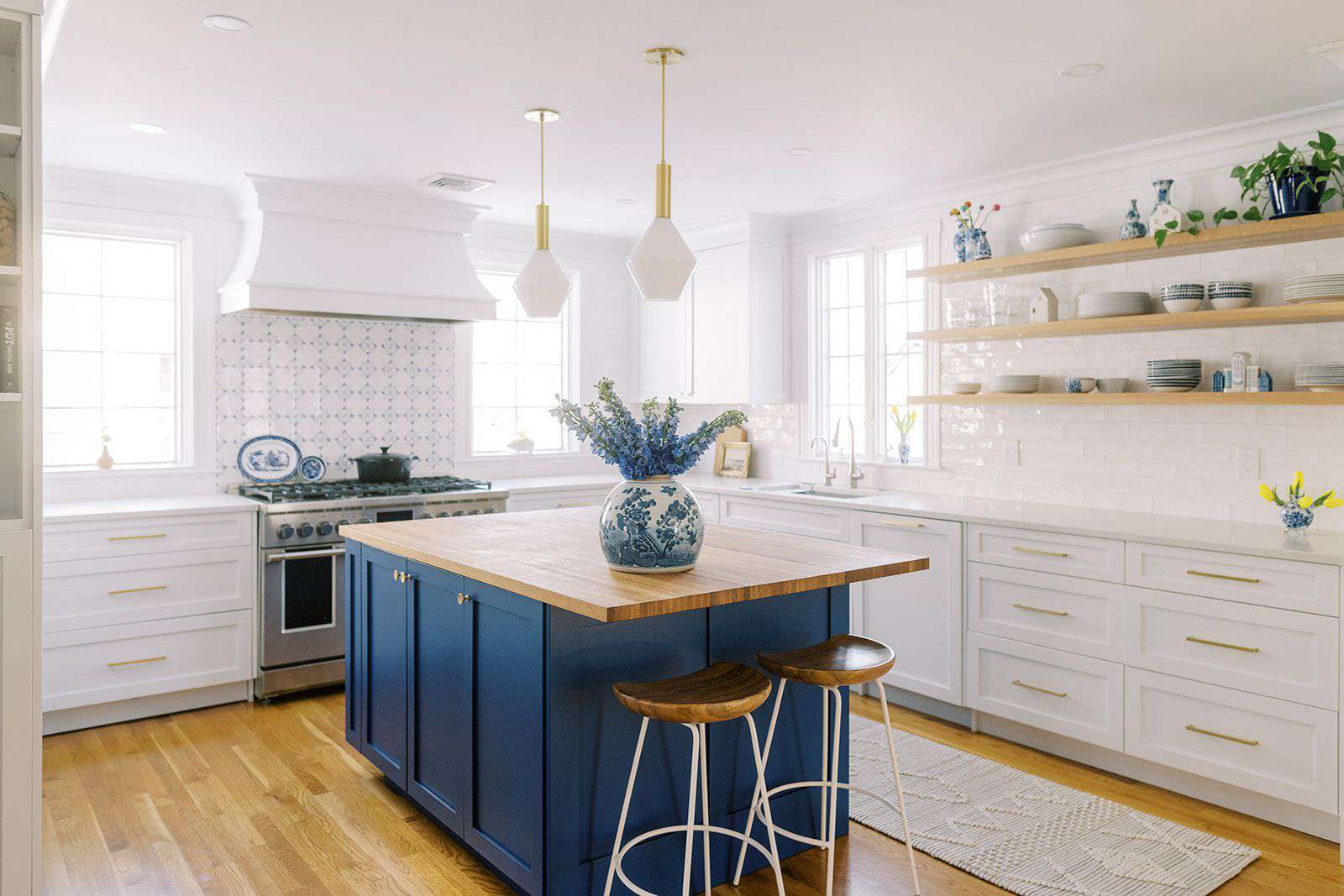
The kitchen island is basically the modern campfire: people drift toward it, hover near snacks, and somehow end up having
deep conversations while someone aggressively chops onions. Add seating, and your island goes from “extra counter” to
“command center”breakfast bar, homework station, party perch, and “please don’t sit on the wet paint” zone all at once.
The trick is getting the balance right. A seated island should feel comfy without clogging the kitchen like a shopping cart
jam at the grocery store. Below are practical, designer-approved ways to make seating work in tiny galley kitchens, open
concepts, L-shaped layouts, and everything in betweenplus 33 ideas to steal for your own remodel (steal the ideas, not the quartz).
Before You Pick Stools: The 5-Minute “Will This Actually Work?” Check
A kitchen island with seating is part design statement, part traffic engineering. You don’t need a hard hat, but you do need a tape
measure and the courage to admit when your dream of seating six is really a dream of seating two plus a fruit bowl.
Quick clearance cheat sheet (aka: how to avoid knee wars)
- Work aisle around the island: Plan enough room so you can cook and pass behind someone without doing the sideways crab walk.
- Walkway past the seating: If people need to pass behind the stools, add more clearance than you think (especially if your friends love dramatic chair scoots).
- Knee space matters: Counter-height seating and bar-height seating need different knee depthyour thighs will notice.
- Space per person: Give each sitter enough width so elbows aren’t forced into a competitive sport.
- Stool height: Match the stool to the counter height so nobody feels like a toddler at a grown-up table (or a grown-up at a toddler table).
Once you’ve got the basics mapped out, the fun begins: the style, the storage, the “why does everyone hang out right here?” magic.
33 Kitchen Island Ideas With Seating
Think of these as mix-and-match modules. You can borrow one idea or stack three together (like a triple-decker sandwich, but with fewer crumbs).
-
Classic overhang breakfast bar
The crowd-pleaser: a clean countertop overhang with stools tucked underneath. It’s simple, flexible, and works in most layouts.
Add a subtle foot rail so people don’t “hover-sit” like they’re afraid the stool will bite. -
Waterfall edge with sleek stools
A waterfall countertop creates a sculptural, modern look that feels high-end fast. Pair it with slim-profile stools so the island
stays visually lightespecially important in smaller kitchens where bulky seating can feel like furniture gridlock. -
Two-tier island to hide prep clutter
Love a busy kitchen but want it to look calm? A raised bar top shields the “I’m in the middle of cooking” chaos while keeping
seating comfortable. Bonus: it’s a natural spot for charging phones and serving snacks. -
One-level island for a “gather anywhere” vibe
One continuous surface is easy to wipe down, easy to style, and great for families who use the island for everything from pancakes
to science projects. Choose stools with backs if the island is a frequent hangout zone. -
Table-style extension (the island-dining hybrid)
Attach a lower table-height slab to one end of the island for “real chair” comfort. It’s ideal for kids, older adults, or anyone
who doesn’t enjoy climbing onto bar stools like they’re boarding a small horse. -
Banquette built into the island
Want cozy café energy at home? Add a built-in banquette behind the island. It maximizes seating without a row of stools and can
double as storage if you design lift-up bench lids. -
Curved island with wraparound seating
Curves soften a kitchen and improve flow (fewer sharp corners to hip-check). A rounded seating edge also makes conversation easiereveryone
feels less lined up like they’re waiting for airport security. -
Small-space perch for one (or two friendly people)
If your kitchen is compact, plan seating for one or two and do it well. A narrow overhang with petite stools gives you a coffee spot
without sacrificing the work aisle. -
Galley-kitchen “micro island” on casters
A rolling island can be pulled out for extra prep space and pushed aside when you need more floor room. Add a small overhang for a
single stoolperfect for apartments or narrow layouts. -
Peninsula-style seating when an island won’t fit
If clearances are tight, a peninsula delivers the same social benefits as an island but hugs the perimeter. You still get a breakfast bar,
and you keep the center of the room open. -
Chef’s-prep side + guest side
Organize the island into zones: prep tools and knife work on the kitchen side, seating on the “guest” side. It keeps helpers close without
turning cooking into a contact sport. -
“Kids’ counter” at a lower height
For families, a slightly lower ledge can make eating, drawing, and homework easier. You get more ergonomic seating, and kids don’t have to
do a pull-up just to reach their cereal. -
End-cap seating for traffic-heavy kitchens
Put seating on the short end of the island instead of the long side when walkways are tight. It reduces “chair backs in the aisle” and makes
the kitchen feel less like a maze. -
Back-to-back seating + storage wall
Use the island’s back as a storage featureopen shelves, bookcase-style cubbies, or display nicheswhile keeping a clean seating edge.
Great for cookbooks, baskets, or pretty serving pieces. -
Stool garage (yes, it’s a thing)
Design the base so stools tuck fully under the counter. It keeps sightlines open and makes the kitchen feel bigger. Choose backless or low-back
stools for maximum “tuckability.” -
Mixed seating: stools + one statement chair
Break up the “matching set” look by mixing two stool styles or adding one accent chair on the end. It looks curated, not catalogand it’s a subtle
way to add texture (wood, woven, leather). -
Bench seating on the island side
A simple bench can seat more people than individual stools, especially for kids. It’s also easy to slide in and out. Add a washable cushion and you’ve
got comfort without bulky furniture. -
“Worktable island” with chairs (French-market feel)
Swap a heavy base for a table-like island with legs. It feels airy and timeless, and it’s comfortable for chairs instead of stools. This is a great look
for farmhouse, cottage, and traditional kitchens. -
Overhang supported by decorative brackets
Brackets or corbels can add characterespecially in traditional kitchens. Keep the details proportional so they don’t smash knees or eat up precious
knee space. -
Island with a built-in foot rail
A foot rail instantly makes seating feel more comfortable and “intentional.” It also protects the cabinet base from shoe scuffs. Choose metal for a classic
bistro vibe or wood for a softer look. -
Hidden outlets near seating
Add outlets on the seating side (pop-up or discreet side outlets) so the island can handle laptops, chargers, and the occasional “emergency school project.”
Plan placement to keep cords away from knees. -
Built-in microwave drawer on the seating end
A microwave drawer in the island frees up wall space and keeps the kitchen looking streamlined. Place it away from the busiest seating zone so hot snacks don’t
become a surprise obstacle course. -
Island with beverage fridge + seating
Make the island the entertaining hub: seating on one side, beverage fridge on the other. Guests can help themselves without crowding the cook. Add a small
trash pull-out nearby for bottle caps and wrappers. -
Prep sink island with seating (the multitask king)
A prep sink keeps food work centered while guests sit nearby. It’s great for cooking-focused householdsjust keep seating far enough away that splashes and
soap suds don’t join the conversation. -
“Social corner” island in an L-shaped kitchen
Angle seating toward the living room or dining area so seated guests face the action, not the backsplash. It turns the island into a bridge between rooms and makes
open-concept layouts feel natural. -
Double-island layout (one for work, one for sitting)
If space allows, separate the messy prep zone from the seating zone. One island becomes the “kitchen engine,” the other becomes the “hangout bar.”
It’s luxuriousand surprisingly practical for big families. -
Island seating with open shelving for cookbooks
Put cookbooks, baskets, or display pieces on the seating side. It makes the island feel like furniture instead of cabinetry. Just be honest with yourself about
whether you’re a “styled shelf” person or a “shove-it-in-a-drawer” person. -
Fluted or reeded island base for texture
Add vertical fluting or reeded panels to the island base to elevate the design without changing the footprint. Texture pairs well with simple seating so the island feels
intentional, not over-decorated. -
Bold color island + neutral stools
Paint the island a statement color while keeping stools simple. It’s an easy way to anchor the room visually. If you’re nervous, start with a moody navy or deep green
dramatic, but still classic. -
Natural wood island + mixed materials
A wood island warms up a sea of white cabinets. Pair it with metal stools for contrast or woven stools for a relaxed, coastal look. Wood also hides everyday wear better than
glossy finishes (a gift to real life). -
Water-resistant stools for messy households
If your kitchen sees constant spills, choose wipeable materialsmetal, sealed wood, performance fabrics, or easy-clean vinyl. Pretty is great. Pretty that survives spaghetti night is
better. -
Backless stools for minimalist kitchens
Backless stools visually disappear, which helps small kitchens feel open. They’re also easy to tuck in. If comfort is a concern, choose a saddle seat or add a small cushion that can be
swapped and washed. -
Swivel stools for high-traffic seating
Swivels make it easier to get in and out without scraping floors or doing a three-point turn. They’re great for entertainingbut double-check clearances so the “spin test” doesn’t
collide with a fridge handle. -
Island seating with pendant lighting “done right”
Pendants define the island as a destination. Hang them so they light the surface without blocking sightlines across the kitchen. Choose a dimmer so the island can be bright for cooking and
cozy for late-night snacks.
Pro Tips: Making Any Seated Island Feel Custom (Not Accidental)
- Prioritize comfort: Seats with backs invite people to linger; backless stools keep the look clean and tuck away easily.
- Mind the materials: Quartz and sealed stone are low-stress for everyday use; butcher block is warm but needs a little more care.
- Don’t forget the feet: A foot rail (or a stool with a good footrest) turns “quick bite” seating into “stay awhile” seating.
- Plan for the mess: Choose finishes and fabrics that can handle coffee drips, fingerprints, and the occasional rogue blueberry.
- Keep it social: Aim seating toward the living space when possiblepeople like being part of the room, not facing a wall like they’re in time-out.
of Real-World Experience: What You Learn After Actually Living With Island Seating
On paper, island seating looks like the easiest decision in the world: “Add stools. Done.” In real life, island seating becomes one of the most-used (and most
argued-about) spots in the housebecause it’s where life piles up. People don’t just eat there. They hover. They snack. They sit for “two minutes” that turns into
forty-five. They spread out mail, laptops, school forms, and one mysterious sock that somehow traveled from the laundry room to the kitchen.
One big lesson: the most beautiful stool on the internet is not always the most comfortable stool at 7:30 a.m. when everyone’s trying to eat breakfast and leave
the house. Homes that truly love their island tend to choose seating that fits how they live. If the island is the daily breakfast spot, stools with backs (and a
comfortable footrest) make a noticeable difference. If seating is mostly for parties, slimmer stools that tuck away keep the kitchen from feeling crowded all week
long.
Another lesson: spacing is everything, and it’s the kind of “everything” you only learn once you’ve bumped into it. If stools are too close together, people sit
stiffly and eat like they’re on a crowded airplane. If there isn’t enough room behind the stools, the kitchen becomes a traffic jam the moment someone sits down.
Families often discover that two well-spaced seats get used more than four cramped seatsbecause nobody wants to negotiate knees before coffee.
You also learn quickly that the island is a magnet for mess. That doesn’t mean you should avoid light upholstery or woven texturesjust be strategic. Washable
cushions, performance fabrics, and wipeable finishes can keep the look you want without making you feel like you’re running a stain-removal laboratory. And if you
have kids, consider how stools move: lightweight stools are easy to pull out, but they also travel. (Sometimes all the way to the living room, as if the island is a
free rental service.)
Finally, the biggest “aha” is that island seating shapes how people interact. When seating faces the living area, people chat while you cook; when seating faces a
wall, they scroll on phones and the kitchen feels less connected. A small changeturning the seating outward, adding a pendant dimmer, choosing stools that feel
welcomingcan make the island the place everyone naturally gathers. And that’s the whole point: not just a prettier kitchen, but a kitchen that works like your home’s
favorite room.
Conclusion
A kitchen island with seating can be a small upgrade or a total layout herodepending on how you plan it. Start with clearance and comfort, then choose a seating
style that matches your kitchen’s footprint and your household’s habits. Whether you go with a sleek waterfall edge, a cozy banquette, or a simple overhang with
stools that tuck away, the best island seating is the kind that gets used every day (not just admired from afar like museum art).











