
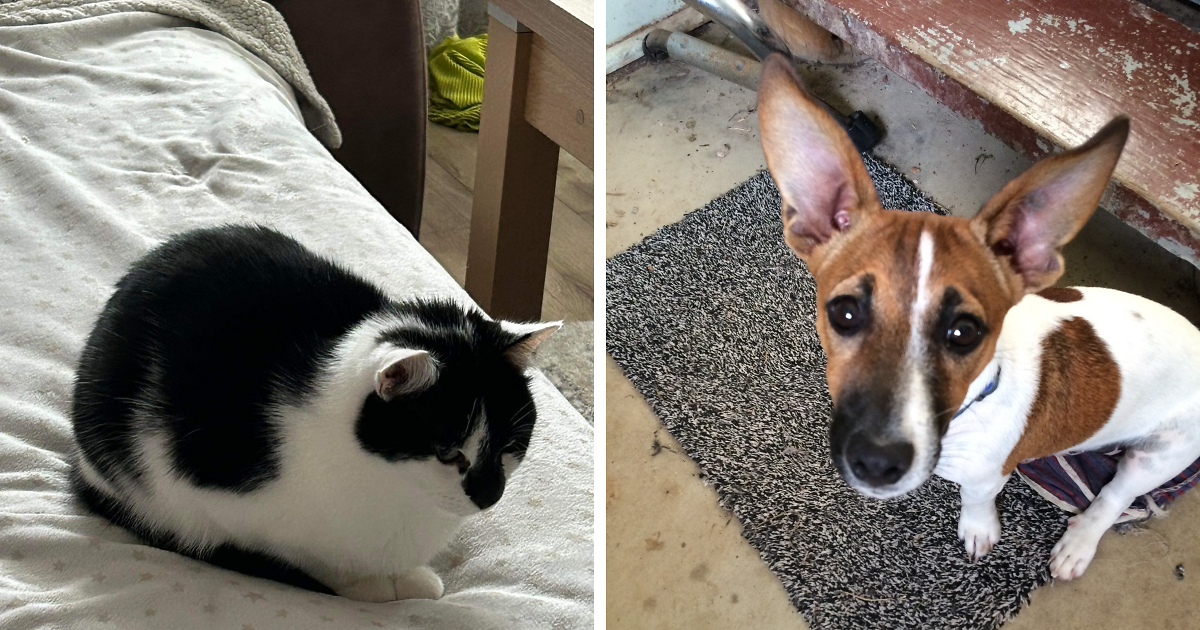
Some photographs belong in museums. Others deserve glossy magazine covers. Then there are pet photos: slightly blurry, poorly framed, and powerful enough to rescue an entire afternoon.
Maybe it is a picture of your dog sleeping upside down with all four legs pointing toward the ceiling. Perhaps it is your cat sitting inside a cardboard box despite the expensive bed located six inches away. It could be a rabbit proudly demolishing a salad, a parrot making a suspiciously judgmental face, or a hamster looking as if it has just remembered an unpaid bill.
Whatever the image shows, we want to see it. Post a photo of your pet that makes you happy, and tell us why that particular moment still makes you smile.
Why One Pet Photo Can Change Your Mood
A favorite pet picture is more than a collection of pixels. It is a tiny emotional shortcut. The moment you see it, your mind returns to the sound, movement, personality, and ridiculous circumstances surrounding the photo.
Researchers studying the human-animal bond have found that interactions with companion animals may support mood, ease loneliness, encourage social connection, and help some people cope with stress. The results vary from person to person, and pets are not magical substitutes for professional care, but the comfort people receive from animals is very real.
A photo can reactivate a little of that comfort. It reminds you that someone is waiting at home, probably sitting on your clean laundry. It may bring back a peaceful afternoon, a successful adoption, or the first time a nervous rescue animal decided your lap was a safe place to sleep.
Pet pictures also invite connection. People who have little else in common can usually manage a friendly conversation about a puppy wearing rain boots. Arguments may divide the internet, but a guinea pig eating one cucumber slice like a tiny aristocrat remains a powerful diplomatic tool.
Research grounding for the human-animal bond and potential well-being benefits.
What Kind of Happy Pet Photo Should You Share?
There is no technical standard for happiness here. Your image does not need perfect lighting, professional equipment, or a pet who understands the concept of holding still.
The Gloriously Unflattering Photo
Every pet has at least one picture that does not represent its usual elegance. A dog may have one ear folded backward. A cat may be caught halfway through a sneeze. A bird may look like it has been asked to attend an unnecessary Monday meeting.
These imperfect photos are often the best because they feel honest. They capture animals as they actually are: unpredictable roommates with no concern for personal branding.
The Peaceful Sleeping Photo
Sleeping pets produce some of the most comforting images. They look completely safe, relaxed, and unconcerned about tomorrow. Meanwhile, the humans viewing the photo are wondering whether they answered an email from three days ago.
Share the picture of your pet curled into a perfect circle, stretched across the entire couch, or asleep in a position that appears medically impossible. Tell us whether this is the animal’s normal bed or simply the object you needed to use at that exact moment.
The “I Live Here Now” Photo
This category belongs to pets occupying strange places: sinks, baskets, grocery bags, suitcases, empty shelves, plant pots, bathroom rugs, laptop keyboards, and boxes approximately one-third of their size.
Cats are especially gifted at turning ordinary household objects into private property. Dogs generally prefer blocking doorways or taking the exact spot where your feet are supposed to go.
The Welcome-Home Expression
Few things feel better than being greeted by an animal who behaves as though your 20-minute trip to the store was a dangerous international expedition.
A welcome-home photo might show a wagging body, bright eyes, a toy presented as a ceremonial gift, or a cat standing at a distance pretending it did not notice you were gone. The cat noticed. The cat simply has a reputation to maintain.
The First-Day and Now Comparison
Before-and-after pictures can be especially meaningful for people who adopted, fostered, or rehabilitated an animal. The first image may show uncertainty, poor health, or a cautious expression. The later photo may reveal confidence, a shiny coat, a favorite blanket, and complete ownership of the household.
These pictures celebrate more than physical change. They document trust. They show what patience, appropriate veterinary care, enrichment, routine, and affection can accomplish over time.
The Story Behind the Photo Matters
A memorable submission needs only two ingredients: a pet photo and a genuine story. You do not need to write a memoir titled My Journey With Mr. Pickles, although we would probably read it.
A few sentences can transform an ordinary image into something unforgettable. Explain what was happening, why you took the picture, and what your pet’s expression means to you.
Questions That Can Help You Write the Caption
- What is your pet’s name, age, and species?
- Where was the photo taken?
- What happened immediately before or after the picture?
- Is the behavior in the photo typical for your pet?
- Why does this image make you happy?
- Does the picture represent an important milestone?
For example, instead of writing, “This is my dog,” you might say, “This is Mabel after discovering that the sprinkler was both her greatest enemy and her greatest love. She spent 15 minutes barking at the water, then fell asleep beside it.”
Details give the reader something to feel. The most charming pet stories are often about small moments: the first purr, the stolen sandwich, the favorite toy repaired for the seventh time, or the daily habit that has quietly become part of family life.
How to Take a Pet Photo That Feels Natural
Your phone is usually enough to capture a wonderful pet portrait. The goal is not to create a perfectly posed advertisement. It is to preserve personality without turning the session into a furry hostage negotiation.
Use Soft, Natural Light
Window light and open shade are usually flattering and comfortable. Harsh overhead sunlight can create strong shadows, while a direct flash may startle some animals and produce glowing eyes worthy of a low-budget monster movie.
Move your pet near a bright window or photograph outdoors when the light is gentle. A cloudy day can provide beautifully even illumination, particularly for animals with very dark or very light coats.
Get Down to Your Pet’s Level
Photographing from eye level makes the viewer feel more connected to the animal. Sit, kneel, or lie on the floor. Yes, your pet may immediately walk away once you get comfortable. That is part of the creative process.
For smaller animals, use a safe, familiar surface rather than placing them somewhere high or unstable. Never risk a fall for a photograph.
Focus on the Eyes
Clear eyes help communicate expression and personality. On a smartphone, tap the screen over the nearest eye to set focus. Take several pictures because pets move quickly, blink unpredictably, and occasionally decide that the camera deserves to be licked.
Use Toys and Treats Responsibly
A familiar toy, gentle sound, or veterinarian-approved treat can attract attention. Hold it close to the camera if you want your pet to look toward the lens. Keep the session brief, reward cooperation, and avoid teasing an animal with something it cannot have.
Capture Behavior Instead of Forcing a Pose
Your pet already has a routine filled with potential photographs. Capture the dog waiting beside the treat cabinet, the cat watching birds through the window, or the rabbit arranging its bedding with the intensity of an interior designer.
Familiar activities usually produce more relaxed expressions than costumes, complicated props, or repeated commands.
Photography guidance synthesized from professional and animal-welfare resources.
A Happy Photo Should Also Be Happy for the Pet
The best pet photography respects the subject. Animals cannot verbally agree to a photo session, so their body language must guide the process.
Stop if your pet tries to leave, hides, freezes, repeatedly looks away, pins its ears back, tucks its tail, pants without physical exertion, licks its lips frequently, growls, or shows other signs of discomfort. Individual signals depend on the species and situation, so consider the entire body rather than one isolated movement.
A wagging tail, for example, does not automatically mean a dog is happy. Tail position, speed, posture, facial tension, and context all matter. Cats may communicate discomfort by crouching, flattening their ears, twitching their tails, hiding, or becoming unusually still.
Never restrain an animal for a funny pose. Avoid unsafe costumes, tight accessories, frightening noises, dangerous foods, unstable surfaces, and forced contact between pets or children. If a pet has had enough, the photo session is over. The internet will survive without seeing Buster dressed as a regional sales manager.
Sudden changes in posture, energy, appetite, sociability, grooming, or normal behavior can also indicate illness or pain rather than a bad mood. When something seems unusual or persistent, contact a veterinarian instead of trying to solve the mystery through additional photography.
Welfare, enrichment, body-language, and health-change guidance.
Every Kind of Pet Is Welcome
Dogs and cats may dominate social media, but happiness has feathers, scales, shells, fins, hooves, and extremely small feet.
Share your senior rabbit enjoying a sunbeam. Show us the parakeet who supervises breakfast. Introduce the turtle who has been slowly approaching the same destination since Tuesday. Post the fish that swims to the front of the aquarium when you enter the room.
Unusual pets often come with fascinating routines and carefully designed habitats. A thoughtful caption can help readers appreciate the animal without encouraging impulsive ownership. Mention the specialized care, space, diet, temperature, social needs, or veterinary support the species requires.
The photo should celebrate the individual animal, not present a wild or exotic species as a decorative object. Responsible ownership is not always glamorous. Sometimes love looks like researching humidity levels at midnight.
Pet Photos Can Help Animals Beyond Your Own Home
Good photographs can play an important role in animal adoption. A clear image showing an animal’s face, body, and personality may help prospective adopters pause, learn more, and imagine that pet as part of their family.
Shelter and foster volunteers can help by photographing adoptable animals in calm, familiar environments. Simple backgrounds, gentle light, and relaxed expressions usually communicate more than crowded kennels or heavily edited images.
Accuracy matters. A photograph should present the animal attractively without hiding important physical features. The accompanying description should be honest about temperament, medical needs, energy level, and the type of household likely to be a good match.
If you enjoy taking pet pictures, consider asking a local shelter or rescue whether it needs volunteer photography. One thoughtful portrait may help an overlooked animal receive attention. That is a meaningful result for something created with a phone, patience, and perhaps one squeaky toy making increasingly desperate noises.
Adoption-photography research and shelter guidance.
How to Join the Happy Pet Photo Challenge
Choose one image that immediately improves your mood. It does not have to be your newest or most technically impressive photograph. Pick the one you return to when you need a smile.
Then write a short caption that introduces your pet and explains the moment. Funny stories are welcome, but quiet stories belong here too. A photo can be joyful because it marks recovery from an illness, the anniversary of an adoption, a final good day with a senior companion, or an ordinary morning you now understand was precious.
Before posting, check the background for private information. Crop out visible addresses, identification tags with phone numbers, computer screens, documents, school names, and recognizable details that reveal your location. Protecting privacy is less exciting than selecting a filter, but considerably more useful.
Finally, respond kindly to other participants. Ask about their pets, celebrate their stories, and avoid criticizing appearance, breed, age, housing, or medical conditions based on one photograph. Curiosity is welcome. Unrequested courtroom drama is not.
Experiences Behind the Pet Photos That Make Us Happiest
The pet photographs that stay with us are rarely the ones we planned. I once tried to create a dignified portrait of a family dog sitting beside a flowering garden. The light was soft, the background was beautiful, and the dog had been brushed. For approximately four seconds, everything looked professional.
Then the dog noticed a wet patch of soil.
The final photograph showed a muddy nose, one closed eye, an airborne clump of dirt, and a human hand entering the frame far too late to prevent disaster. It was not the picture anyone expected, but it became the image everyone saved. Years later, that photograph still brings back the dog’s enthusiasm, the laughter, and the uncomfortable drive home with a passenger who smelled like an agricultural emergency.
Another memorable image involved a shy rescue cat who spent her first weeks hiding behind furniture. The household celebrated tiny signs of progress: eating while someone remained in the room, playing after dark, and eventually sleeping where people could see her. The important photograph was not dramatic. She was simply resting on the corner of a couch with one paw touching her adopter’s leg.
To anyone else, it looked like a cat taking a nap. To the family, it represented trust. The photo documented the first time she had chosen closeness instead of distance. That is why the meaning behind a pet picture cannot always be understood by looking at composition alone.
Senior-pet photos carry another kind of happiness. They may show cloudy eyes, gray fur, slower movement, and well-worn beds. These images are not less joyful because they contain signs of age. They celebrate familiarity: the same morning routine, the same favorite patch of sunlight, and the same expression used to request dinner 45 minutes early.
People sometimes avoid taking pictures during difficult periods because the moment does not feel beautiful enough. Later, they may value those images deeply. A photograph of an older pet resting comfortably, enjoying a gentle walk, or receiving affection can preserve the ordinary tenderness of caregiving.
There are also the pictures that become funnier with time. The puppy who shredded a roll of paper towels and fell asleep inside the evidence. The parrot who appeared in the background of an online meeting at precisely the wrong moment. The cat who rejected six beds but became emotionally committed to a shipping envelope. The rabbit who escaped an elaborate play area only to sit beside it looking confused.
These moments remind us that living with animals requires flexibility. We purchase carefully designed products; pets select the packaging. We establish rules; pets organize appeals. We schedule activities; pets develop a sudden interest in sleeping.
The happiest pet photo is therefore not necessarily the cutest image. It is the picture that contains a relationship. It may represent rescue, recovery, companionship, comedy, patience, or a daily ritual that makes home feel like home.
When people share these photographs, they are also sharing evidence of attention. Someone noticed the sun landing on the cat’s face. Someone paused during a walk because the dog looked proud. Someone recognized that a bird’s favorite song, a guinea pig’s excited squeak, or a lizard’s calm afternoon deserved to be remembered.
So scroll through your camera roll and find that photo. Choose the one that makes you laugh before you even open it. Choose the image you show people who have already seen it five times. Choose the moment that says, “This small creature made my life stranger, messier, and much better.”
Post it proudly. Tell us the story. Somewhere, another person may be having a difficult day, and your pet’s spectacularly undignified sleeping position could be exactly what the internet needs.
Conclusion: Share the Moment That Still Makes You Smile
Pet photography is not really about achieving perfect focus or arranging an impressive background. It is about remembering personality. The best images preserve the tilted head, the sleepy stretch, the cautious first cuddle, the ridiculous costume voluntarily abandoned after three seconds, and the everyday expressions that make an animal unforgettable.
Choose a photograph that brings you genuine happiness, respect your pet’s comfort, and include the story that gives the image meaning. Whether your companion barks, purrs, chirps, squeaks, swims, or silently judges you from a heated rock, that joyful moment deserves to be shared.
Note: A photograph should never require frightening, restraining, or endangering an animal. Let your pet choose whether to participate, stop when it shows discomfort, and consult a veterinarian when sudden behavioral or physical changes raise concern.











