
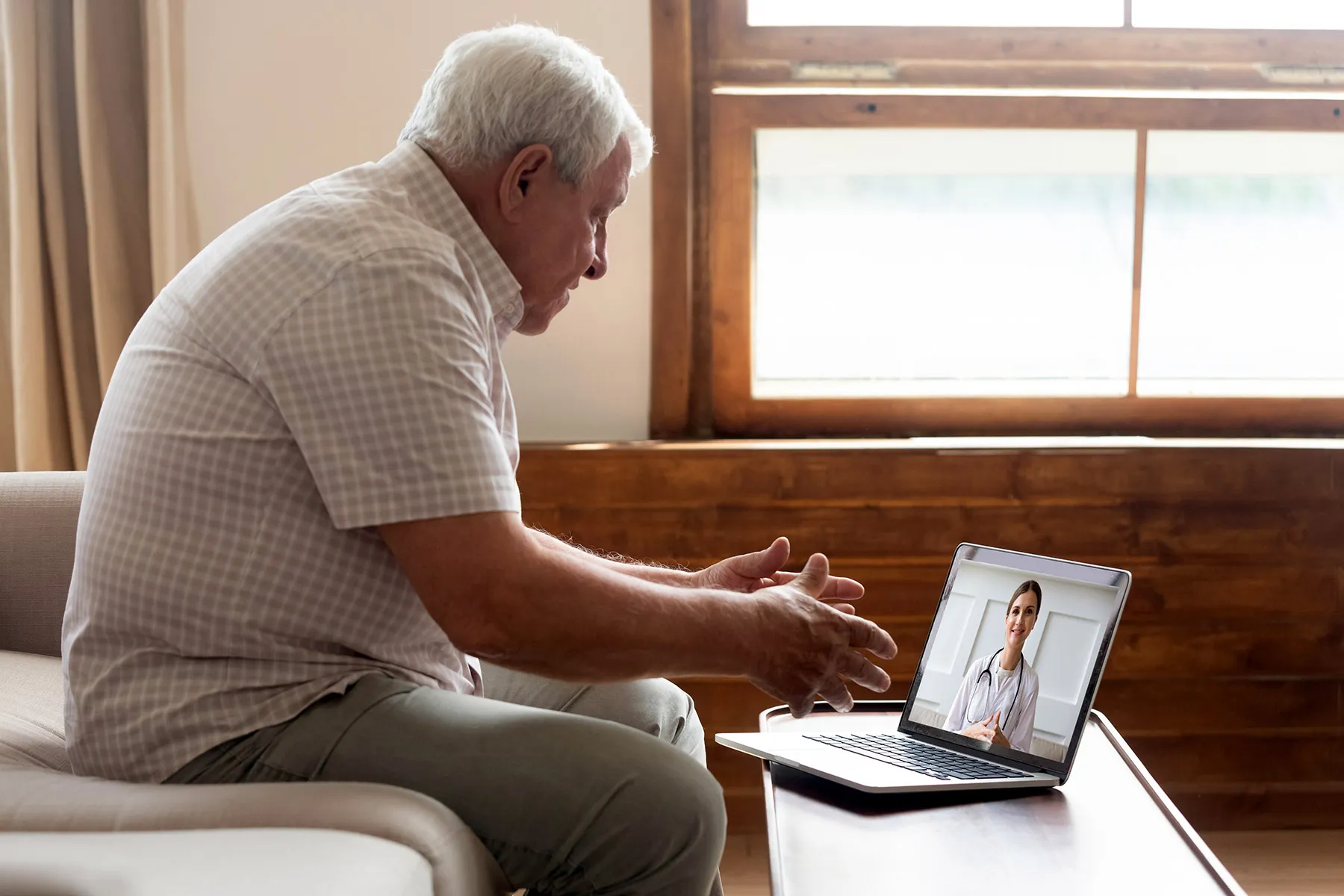
Once upon a time, going to the doctor meant finding your keys, sitting in traffic, filling out the same form for the 47th time, and waiting in a room decorated in “medical beige.” Telemedicine changed that script. Today, many patients can talk to a clinician from the couch, the office, or the front seat of a parked car that has miraculously become a private health booth.
So, what is telemedicine exactly? In simple terms, telemedicine is the delivery of clinical care at a distance using technology. That can mean a live video visit with your doctor, a phone call with a nurse practitioner, a secure message through a patient portal, or remote monitoring tools that send health data straight to your care team. It is part of the broader world of telehealth, which also includes patient education, provider training, and other digital health services.
Telemedicine is not a futuristic gimmick or a pandemic-only workaround. It is now a normal part of modern healthcare. Hospitals, major medical centers, primary care practices, behavioral health providers, and specialists use it to improve access, speed up follow-up care, and make routine healthcare more convenient. The result is a model of care that feels more flexible, more patient-friendly, and, when used correctly, surprisingly practical.
What Is Telemedicine, Exactly?
Telemedicine refers specifically to clinical medical services delivered remotely. In other words, it is healthcare with actual diagnosis, treatment, consultation, medication management, follow-up, or monitoring happening through communication technology instead of only in a traditional exam room.
This often overlaps with the term telehealth, but the two are not always identical. Telehealth is the broader umbrella. It includes telemedicine, plus non-clinical services such as provider education, administrative meetings, digital patient education, and public health communication. If telehealth is the whole tree, telemedicine is one of the biggest branches.
That difference matters for search and for clarity. People often use “telemedicine” and “telehealth” interchangeably, and in casual conversation that is fine. But if you want to be precise, telemedicine is the clinical side of remote care.
How Telemedicine Works
Telemedicine is powered by everyday digital tools. Depending on the provider, a virtual care visit may happen through:
- Live video appointments on a smartphone, tablet, or computer
- Audio-only phone visits when video is not available or appropriate
- Secure messaging through a patient portal
- Store-and-forward systems that send images, test results, or health histories for later review
- Remote patient monitoring devices that track health data between visits
For a patient, the process is usually straightforward. You schedule an appointment, receive a link or portal notification, log in a few minutes early, confirm your identity, and meet with the clinician. During the visit, you discuss symptoms, medications, recent changes, and next steps just as you would in person. The clinician may review photos, watch you perform simple movements, assess visible symptoms, recommend treatment, send prescriptions, or decide that you need an office visit, lab work, imaging, or emergency care.
Telemedicine works best when the technology is easy to use, the internet connection is stable, and the visit type matches the medical need. A follow-up for stable blood pressure? Great. Emergency chest pain? Please do not turn your phone into a stethoscope and hope for the best. That is not the assignment.
Types of Telemedicine Visits
1. Live Video Visits
This is the format most people imagine first. A patient and clinician meet in real time by video. It is common for primary care, behavioral health, dermatology, follow-up visits, medication checks, chronic disease management, and minor acute concerns.
2. Audio-Only Visits
Not every patient has strong broadband or a camera-ready setup. Phone visits can still be useful for certain concerns, especially when a conversation matters more than a visual exam. These visits also help improve access for older adults, patients in rural areas, and people with limited technology.
3. Asynchronous or “Store-and-Forward” Care
This model allows patients or referring clinicians to send information for review later. Think photos of a rash, wound images, medical histories, retinal images, or specialist consultations. Dermatology and radiology often benefit from this format because the clinician can review the material carefully without needing both people online at the same moment.
4. Remote Patient Monitoring
Remote patient monitoring uses connected tools to track health data from home. Common examples include blood pressure cuffs, glucose monitors, pulse oximeters, weight scales, and heart-rate devices. This helps clinicians watch trends over time rather than relying only on a snapshot from one office visit.
Common Uses for Telemedicine
Telemedicine is not limited to quick cold-and-flu chats. It is used across many specialties and care settings. Some of the most common uses include:
- Primary care check-ins and follow-up visits
- Behavioral health and therapy appointments
- Medication management and refill discussions
- Chronic disease care for diabetes, hypertension, asthma, and heart conditions
- Dermatology consultations for visible skin concerns
- Post-surgical or post-hospital follow-up
- Pediatric questions for mild symptoms
- Nutrition counseling, diabetes education, and care planning
- Specialist access for patients in rural or underserved areas
Behavioral health is one of telemedicine’s strongest use cases because many mental health visits depend heavily on conversation, observation, and continuity rather than hands-on procedures. Chronic care is another major area where virtual care shines. Patients can share home readings, discuss medication side effects, and stay connected to care teams without needing frequent office trips.
The Benefits of Telemedicine
Convenience That Actually Matters
Convenience is not just a luxury perk. For many people, it is the difference between getting care and delaying it. Telemedicine can eliminate travel time, reduce time off work, cut child care headaches, and make routine follow-ups easier to keep. When healthcare fits more naturally into daily life, patients are more likely to use it.
Better Access to Care
Telemedicine can connect patients with providers who may be far away geographically. That is especially helpful in rural communities, areas with clinician shortages, and specialties with long wait times. Virtual care can also support interpreter services and broader access to specialty expertise that may not exist locally.
Faster Follow-Up
Sometimes patients do not need a full office appointment. They need answers. A virtual visit can be a smart way to review test results, adjust medication, check recovery progress, or decide whether an in-person visit is necessary. That can speed up treatment and reduce unnecessary delays.
Support for Chronic Disease Management
Conditions like diabetes, high blood pressure, obesity, asthma, and cardiovascular disease often require regular touchpoints rather than dramatic one-time interventions. Telemedicine makes it easier to maintain those touchpoints. Remote patient monitoring adds another layer by giving providers ongoing data from real life, not just “I promise my blood pressure is always lower at home.”
Reduced Exposure to Illness
Virtual care can reduce exposure to contagious illness for patients, caregivers, and clinicians. That remains useful for respiratory viruses, immunocompromised patients, and anyone who would prefer not to collect a bonus germ while seeking help for an unrelated problem.
Telemedicine vs. In-Person Care: Which Is Better?
The better question is not which is better overall, but which is better for this visit. Telemedicine is excellent for many problems, but it is not a total replacement for in-person medicine.
Telemedicine is often a strong option for:
- Routine follow-ups
- Medication reviews
- Mental health visits
- Stable chronic disease check-ins
- Simple acute complaints
- Reviewing home monitoring data
- Minor skin concerns visible on camera or photos
In-person care is usually better for:
- Emergencies such as chest pain, stroke symptoms, severe shortness of breath, or major bleeding
- Physical exams that require hands-on assessment
- Procedures, injections, or imaging
- Lab work and diagnostic testing
- Complex symptoms that cannot be assessed well over video or phone
The smartest healthcare systems do not treat telemedicine as a replacement for traditional care. They use it as part of a hybrid care model, where virtual visits and in-person appointments work together.
Limitations and Challenges of Telemedicine
Technology Barriers
Telemedicine depends on devices, internet access, software, and a certain amount of digital confidence. Not everyone has those things. Patients with limited broadband, older devices, low digital literacy, or accessibility barriers may struggle to use virtual platforms smoothly.
Not Every Condition Can Be Assessed Remotely
A doctor can learn a lot through video and conversation, but not everything. They cannot palpate an abdomen through the screen. They cannot listen to lungs accurately through wishful thinking. Some care still needs physical examination, and good telemedicine programs know when to escalate to in-person care quickly.
Privacy and Safety Considerations
Telemedicine platforms should protect patient privacy, but the setting matters too. A secure platform helps, yet a video visit taken from a noisy coffee shop with three people ordering iced lattes in the background is not exactly a privacy masterpiece. Clear after-visit instructions, medication communication, and safe technology design also matter for patient safety.
Coverage and Regulatory Complexity
Insurance coverage, clinician licensing rules, and visit requirements can vary by payer, provider, and state. That means telemedicine is widely available, but not always identical everywhere. The good news is that virtual care has become more established. The less fun news is that healthcare policy still loves paperwork.
Equity Gaps
Telemedicine can improve access, but it can also widen disparities if people lack devices, internet access, language support, private space, or confidence using the technology. Healthcare organizations that do telemedicine well pay attention to digital inclusion instead of assuming every patient has flawless Wi-Fi and a ring light.
How to Prepare for a Telemedicine Appointment
A little preparation makes a virtual visit much more useful. Patients can get better results by doing a few simple things:
- Test the app, microphone, camera, and internet connection ahead of time
- Choose a private, quiet, well-lit location
- Have a list of symptoms, medications, allergies, and questions ready
- Gather recent readings such as blood pressure, blood sugar, temperature, or weight if relevant
- Upload photos or forms before the appointment if requested
- Know the address of the nearest pharmacy in case a prescription is needed
If the visit is for a child, an older adult, or someone with complex medical needs, having a caregiver nearby can help. If a patient needs language or sign language support, many health systems can add interpreters to virtual visits.
Who Benefits Most From Telemedicine?
Telemedicine can benefit almost anyone at some point, but it tends to be especially helpful for:
- People with mobility limitations
- Rural patients who live far from specialists
- Busy parents and working adults
- Older adults with transportation challenges
- Patients managing chronic conditions
- People seeking therapy or psychiatric follow-up
- Patients who need frequent check-ins rather than procedures
It also helps clinicians maintain continuity of care between office visits. Instead of waiting months for the next in-person slot, patients can often have shorter, more focused virtual touchpoints that keep care moving.
The Future of Telemedicine
Telemedicine is no longer “the future” in the dramatic robot-voice sense. It is already part of mainstream healthcare, and it will likely keep expanding as healthcare systems refine hybrid care, remote monitoring, digital triage, and integrated patient portals. The future is less about replacing doctors with screens and more about using screens wisely to get the right care to the right person at the right time.
Expect telemedicine to keep growing in chronic disease management, behavioral health, hospital-at-home programs, specialist consultations, and post-discharge follow-up. The biggest opportunities now are improving quality, equity, usability, and patient safety. In other words, the next phase is not just more telemedicine. It is better telemedicine.
Conclusion
Telemedicine is the remote delivery of clinical healthcare using digital communication tools such as video, phone, secure messaging, and connected monitoring devices. It is part of the broader telehealth landscape, and it has become a practical, widely used way to improve access, convenience, and continuity of care.
When used for the right visit, telemedicine can save time, reduce travel, support chronic disease care, expand access to specialists, and make healthcare feel a little less like a logistical obstacle course. It is not ideal for emergencies or every medical problem, but it is a valuable tool in a modern hybrid care model. The bottom line is simple: telemedicine is not about replacing in-person healthcare. It is about making healthcare more flexible, responsive, and human, even when the humans are meeting through a screen.
Real-Life Telemedicine Experiences: What It Feels Like for Patients and Providers
One reason telemedicine has stuck around is that it solves everyday problems in a very everyday way. A patient with high blood pressure does not always need to drive across town just to hear, “Your numbers look better, keep taking the medication, and let’s adjust one dose.” In a telemedicine visit, that same conversation can happen at home, with the patient holding a notebook full of recent readings and a cup of coffee that is hopefully decaf, for blood-pressure-related irony prevention.
For parents, telemedicine can feel like a small miracle. A child wakes up with a rash, pink eye, or a cough that sounds dramatic enough to deserve an Oscar nomination. Instead of packing snacks, locating shoes, and persuading a cranky child to sit in a waiting room, a parent can log on, show the symptom on camera, answer a few questions, and get guidance fast. Sometimes the answer is home care. Sometimes it is a prescription. Sometimes it is “You need to come in.” Even that last answer is helpful because it removes guesswork.
Behavioral health is another area where real-life experience often matches the promise. Many patients say they feel more comfortable speaking with a therapist or psychiatrist from a familiar environment. They do not have to commute, sit in a lobby, or build an entire afternoon around a 45-minute visit. That can make continuity easier, especially for people balancing work, parenting, caregiving, or anxiety itself.
For people with chronic illness, telemedicine often works best as a rhythm rather than a one-time event. A patient with diabetes may use a continuous glucose monitor, review trends with a clinician online, and make small treatment changes before problems snowball. A patient with asthma may check in after a flare, review inhaler use, and avoid a bigger setback. These experiences are not flashy, but they are exactly what good healthcare should be: timely, practical, and connected to real life.
Providers also experience telemedicine in a very human way. Many clinicians use it to keep up with follow-up care, reach patients who would otherwise miss appointments, and maintain continuity after hospital discharge. A doctor can see how a patient is recovering, answer medication questions, and decide whether an in-person evaluation is necessary. In some cases, clinicians also get a better sense of the patient’s home environment, which can add useful context to care planning.
Of course, the experience is not always perfect. Frozen screens happen. Audio echoes appear from nowhere like tiny digital ghosts. Someone always forgets where the “Join Visit” button is. But even with those glitches, many patients find the trade-off worth it. When telemedicine is used appropriately, it feels less like high-tech medicine and more like common-sense medicine. And honestly, common sense is one of healthcare’s most underrated innovations.











