
Nail glue has a special talent for landing everywhere except your nails. One second you are trying to secure a press-on, and the next second your shirt, jeans, or favorite robe has entered the chat. The good news is that getting nail glue off clothes is usually possible if you stay calm, stop scrubbing like you are in a laundry-themed action movie, and use the right method for the fabric.
Because nail glue is typically a fast-bonding adhesive similar to super glue, it dries hard and clings like it pays rent. That means the winning strategy is not brute force. It is patience, spot testing, and a step-by-step approach that loosens the glue without wrecking the garment underneath. In this guide, you will learn exactly how to remove nail glue from clothing in 8 practical steps, plus what to avoid, which fabrics need extra caution, and what real people often wish they had known sooner.
Why Nail Glue Is So Stubborn on Fabric
Nail glue bonds quickly and cures into a hard plastic-like residue. On clothing, that can leave a crusty patch, a shiny spot, or a stiff area that feels like your sweater suddenly grew armor. If you attack it too fast, you can spread the glue, rough up the fibers, or fade the dye. If you toss it in the dryer too soon, you can make the problem even harder to fix.
That is why the best way to get nail glue off clothes is to treat it like a stubborn stain and a delicate repair job at the same time.
Before You Start: Fabric Safety Rules
Check the care label first
If the garment says “dry clean only,” or if it is silk, wool, rayon blend formalwear, satin, lace, or another delicate fabric, you are better off taking it to a professional cleaner. DIY stain removal can do more harm than the glue itself.
Know when acetone is risky
Acetone can help dissolve nail glue, but it is not safe for every fabric. It can damage or discolor acetate, triacetate, and some synthetic blends. When in doubt, test a hidden seam or hem first and let it dry completely before moving forward.
Do not use the dryer yet
This is the laundry version of “do not press the red button.” Heat can set leftover residue and make stain removal much harder. Air-dry only until you are sure the glue and any shadow stain are gone.
Easy Ways to Get Nail Glue Off of Clothes: 8 Steps
Step 1: Let the glue dry completely
This sounds backward, but trying to wipe wet nail glue usually smears it deeper into the fibers. Let the glue harden first so you can lift more of it from the surface instead of spreading the mess around like frosting nobody asked for.
If the garment is balled up, lay it flat on a towel and let the glue dry naturally. Do not rub. Do not panic. Do not “see what happens” with hot water.
Step 2: Gently scrape off the hardened excess
Use a dull butter knife, spoon edge, credit card, or plastic scraper to lift off as much dried glue as possible. Work slowly and lightly. The goal is to remove the brittle top layer without pulling threads or scuffing the fabric.
If flakes break off, great. If only a little comes off, that is still progress. Small victories count in stain removal.
Step 3: Freeze the garment if the glue is thick or gummy
If the glue blob is rubbery, thick, or still too stubborn to scrape, place the item in a plastic bag and put it in the freezer for about 45 to 60 minutes. Cold can harden the adhesive further, making it easier to crack or peel away.
Once removed from the freezer, scrape gently again. This trick works especially well on sturdier fabrics like denim, canvas, and cotton blends.
Step 4: Spot-test your remover on a hidden area
Before using any product, test it somewhere nobody will notice, such as an inside seam, hem, or underarm area. This is true whether you are using acetone, non-acetone remover, rubbing alcohol, dish soap, or a commercial adhesive remover.
Wait for the test spot to dry fully. If the color fades, the fabric stiffens, or the material looks warped, stop there and switch to a gentler method or call a dry cleaner.
Step 5: Use acetone carefully on washable, colorfast, non-delicate fabrics
If the fabric passes the test and is not acetate, triacetate, or another fragile synthetic, dampen a cotton swab or clean white cloth with acetone-based nail polish remover or pure acetone. Do not soak the whole area. This is a dab-and-lift mission, not a flood.
Place paper towels or a clean cloth underneath the stain so the loosened glue has somewhere to go. Then blot from the outside toward the center, or work from the back side of the stain when possible. As the glue softens, switch to a fresh swab and keep blotting.
Take your time. A few patient rounds usually work better than one dramatic splash that leaves the fabric looking like it has been through a chemistry experiment.
Step 6: Try a cold soapy soak if acetone is not a good fit
If acetone is too risky for the fabric, soak the stained area in cold water mixed with a small amount of liquid laundry detergent or mild dish soap for about 30 minutes. Then lay the garment flat and gently work at the residue with a soft toothbrush or your fingernail.
This method is slower, but it can be a safer first move for synthetics or everyday garments you do not want to gamble with. You may need to repeat it more than once.
Step 7: Pretreat the leftover residue and wash according to the label
Once the glue has loosened and the crusty layer is mostly gone, pretreat the area with liquid laundry detergent or a stain remover. Rub it in gently with your fingers or a soft cloth and let it sit for 10 to 15 minutes.
Then wash the garment according to the care label. Use the warmest water safe for the fabric, but do not go hotter than recommended. Warm water may help remove the last traces of residue, but fabric care rules still win.
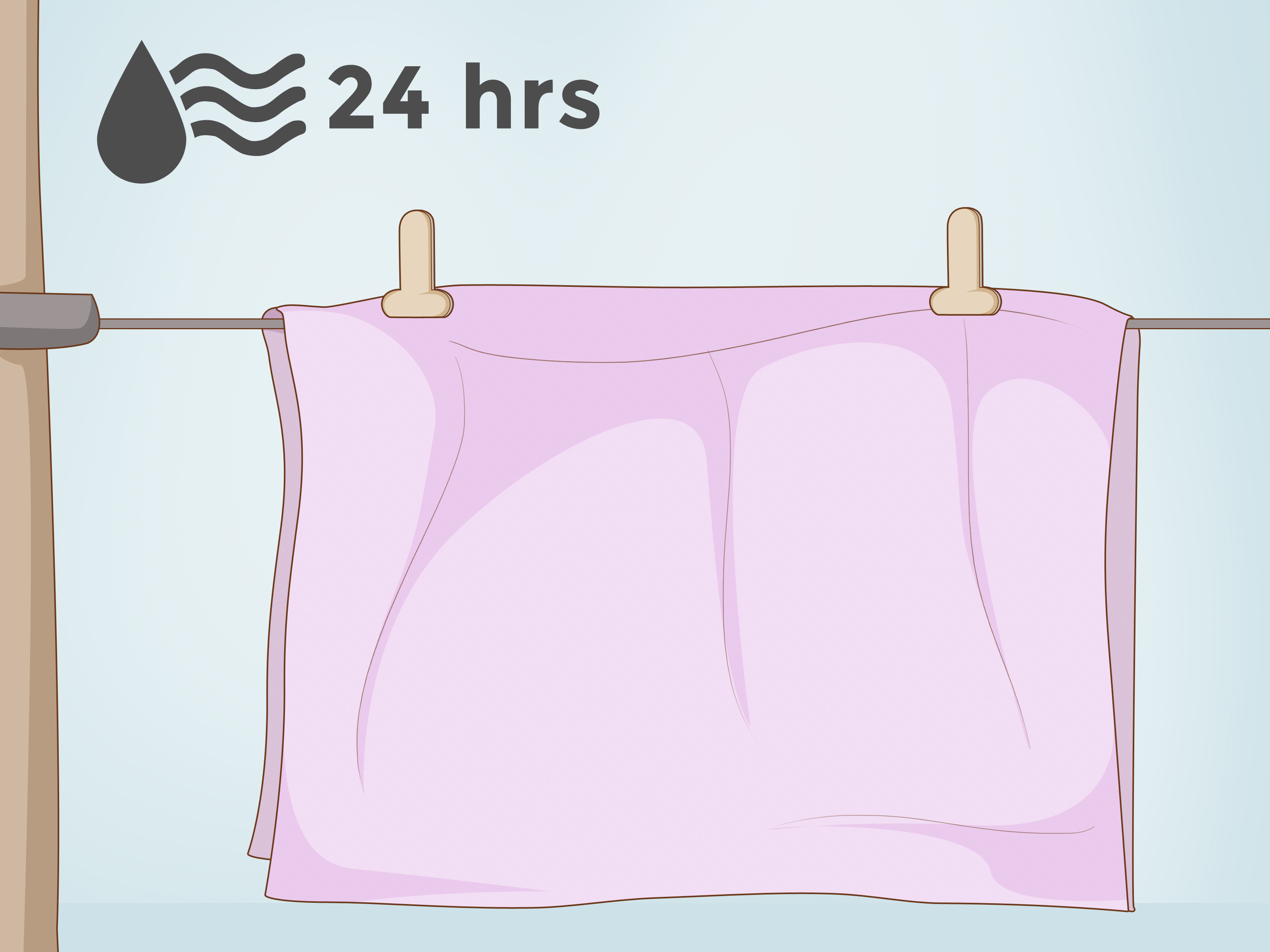
Step 8: Air-dry and inspect before calling it finished
After washing, let the garment air-dry completely. Do not send it straight to the dryer while crossing your fingers and hoping for the best. Once dry, inspect the area in good light.
If you still see stiffness, shine, or a faint stain shadow, repeat the pretreatment and washing steps. Some nail glue spots come out in one round. Others take two or three. Stains are rude like that.
What Not to Do
- Do not rub wet glue. That spreads it deeper into the fibers.
- Do not use acetone on unsafe fabrics. Acetate and triacetate are especially vulnerable.
- Do not scrub with a harsh brush. You can rough up the fabric before the glue even leaves.
- Do not use heat too soon. The dryer can lock in the remaining residue.
- Do not mix random cleaning products. One stain is enough drama for the day.
Best Methods by Fabric Type
Cotton and denim
These are usually the easiest fabrics to treat. Scraping, freezing, careful acetone use, and normal laundering often do the trick.
Polyester and blends
Proceed more cautiously. Some blends handle spot-treated acetone just fine, while others do not. Start with the cold soapy soak if you are unsure.
Delicates and formalwear
If the item is silky, glossy, lined, embellished, or expensive enough to make you nervous, do not experiment. A professional cleaner is often the safer choice.
Can You Remove Dried Nail Glue from Clothes?
Yes, in many cases you can. In fact, dried nail glue is often easier to remove than wet glue because you can scrape off the top layer first. The key is to soften what remains without harming the fabric. That usually means a combination of freezing, gentle scraping, solvent testing, and laundering.
Can Vinegar or Rubbing Alcohol Help?
Sometimes, but they are usually backup players rather than the star of the show. Warm white vinegar may help loosen certain sticky residues, while rubbing alcohol can sometimes assist with adhesive traces on some fabrics and surfaces. Still, nail glue tends to respond best to careful mechanical removal plus acetone when the fabric can handle it. For delicate items, gentler methods are safer, even if they take longer.
When to Take Clothes to a Dry Cleaner
Call in a pro if:
- the garment is labeled dry clean only
- the fabric is acetate, triacetate, silk, wool, or a delicate blend
- the stain is large and near seams, trim, beading, or printed details
- you already tried a remover and the fabric reacted badly
- the item is expensive, sentimental, or both
There is no shame in outsourcing a laundry emergency. Sometimes wisdom looks like a receipt from the dry cleaner.
Quick FAQ
Will nail glue come out in the wash by itself?
Usually not. Washing without pretreatment often leaves the hardened residue behind.
Can I use non-acetone nail polish remover?
You can try it, especially on more delicate fabrics, but it may be less effective. Always test first.
How long does it take to remove nail glue from clothing?
Small fresh spots may come out in one session. Thicker dried glue can take a few rounds of scraping, blotting, and washing.
What is the safest all-around first step?
Let the glue dry, scrape gently, check the care label, and test any treatment on a hidden spot before going further.
Real-Life Experiences: What People Learn the Hard Way
If there is one universal truth about nail glue accidents, it is this: they never happen when you are calmly seated at a table wearing an old T-shirt you do not care about. They happen when you are getting ready for dinner, leaning over your lap, rushing through a broken press-on nail repair, and somehow balancing confidence and chaos in equal amounts.
A common story goes like this: someone notices a loose press-on right before leaving the house, grabs the glue, squeezes a little too hard, and lands a perfect silver-dollar-size blob on black leggings. The immediate reaction is usually frantic rubbing with a tissue, which only spreads the glue wider and bonds the tissue fuzz into the mess. At that point, the stain has gone from “annoying” to “modern art.” What they later realize is that stopping early would have saved half the trouble.
Another familiar experience involves denim. Denim is forgiving, which makes people brave. They scrape, dab with acetone, wash once, and feel victorious. Then they notice in daylight that the spot is not stained anymore, but it is still stiff enough to stand up and apply for citizenship. The lesson there is simple: removing the visible glue is only half the job. You still need pretreatment and a proper wash to get out the residue hiding in the fibers.
Delicate fabrics tell a different story. A satin camisole or formal dress can go from stylish to tragic in minutes if acetone is applied without testing. People often assume that if a remover works on nails, it must be safe on clothes. That is a deeply optimistic thought and, unfortunately, not always a correct one. The better experience is the one where a person pauses, checks the label, tests a hidden area, and decides that a dry cleaner is worth every penny.
There are also the “I thought it was gone” stories. Someone washes the item, sees no obvious spot, throws it in the dryer, and later discovers a faint ring, hardened patch, or shiny mark that now seems permanently settled in. Heat has a way of turning “maybe fixed” into “why did I do that.” Air-drying first is not glamorous, but it saves clothes.
The best experiences usually come from the least dramatic approach: dry the glue, scrape slowly, test first, blot instead of rubbing, and repeat if needed. It is not flashy. It will never trend for excitement. But it works. And once you have rescued one shirt, hoodie, or pair of jeans from a nail glue disaster, you start to feel like the kind of person who can survive anything. Or at least anything sold in a tiny bottle with a very ambitious nozzle.
Conclusion
Getting nail glue off clothes is absolutely doable when you use a calm, fabric-smart approach. Let the glue dry, scrape what you can, freeze thick residue, test your remover, and choose the right treatment for the material. For sturdy washable fabrics, careful acetone use can be a game changer. For delicate or risky fabrics, a cold soapy soak or professional cleaner is the smarter move.
The biggest mistake is rushing. The best result comes from patience, light pressure, and refusing to let the dryer get involved too early. Follow these 8 steps, and your clothing has a very good chance of making a full recovery from its accidental manicure.












