
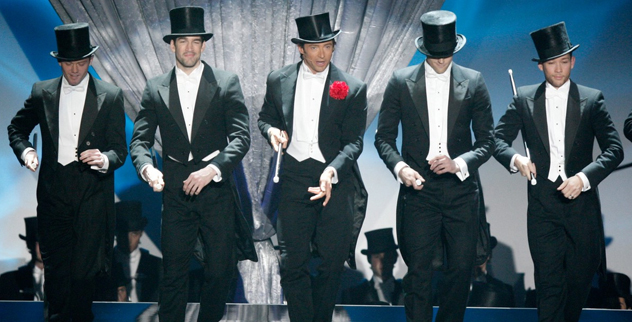
White tie is not merely “black tie, but with a lighter bow.” It is the most formal traditional evening dress code, reserved for grand occasions such as state dinners, ceremonial galas, formal balls, and exceptionally elegant weddings. In other words, this is not the outfit for casually wandering into a neighborhood restaurant because you felt unusually fancy on a Tuesday.
The rules are detailed, but they are not designed to make guests miserable. A strict dress code creates visual harmony: everyone follows the same elegant framework, allowing the occasionnot one person’s experimental sequined blazerto take center stage. Once you understand the essential garments, proportions, accessories, and etiquette, wearing white tie becomes far less intimidating.
Whether you are preparing a traditional tailcoat ensemble, selecting a floor-length gown, or helping someone decode an unusually formal invitation, these ten practical tips will help you look polished, comfortable, and appropriately magnificent.
What Does White Tie Attire Mean?
White tie, sometimes called full evening dress or full dress, sits above black tie on the formality scale. A classic masculine white tie outfit includes a black evening tailcoat, matching high-waisted trousers, a stiff-front white evening shirt, a low-cut white waistcoat, and a hand-tied white bow tie. The outfit is usually completed with highly polished black formal shoes, discreet jewelry, and carefully chosen accessories.
For guests wearing dresses, the traditional expectation is a formal floor-length evening gown made from an appropriately luxurious fabric. Elegant jewelry, an evening bag, formal shoes, and optional gloves may complete the look. The silhouette should feel ceremonial rather than cocktail-ready.
White tie is rare today, which is precisely why small mistakes become noticeable. The good news is that you do not need royal ancestry, a ballroom, or a pocket full of monocles. You simply need preparation and respect for the host’s instructions.
Top 10 Tips for Wearing White Tie Correctly
1. Confirm That the Invitation Really Says White Tie
Before ordering a tailcoat or befriending a professional gown steamer, read the invitation carefully. “White tie,” “full dress,” and “full evening dress” generally indicate the highest level of evening formality. “Black tie,” “black tie optional,” and “formal attire” are different dress codes and should not be treated as interchangeable.
When an invitation specifies white tie, a standard business suit or ordinary tuxedo is usually not formal enough. Conversely, wearing a tailcoat to a black-tie event can make you look as though you took a wrong turn while heading to a diplomatic banquet.
Check the event website for additional guidance. Hosts may clarify whether gloves, decorations, cultural formalwear, military uniforms, or particular colors are encouraged. For weddings, the couple’s instructions always matter, especially regarding colors traditionally associated with the wedding party.
2. Choose a Proper Evening Tailcoat, Not a Morning Coat
The centerpiece of a traditional masculine white tie outfit is the black evening tailcoat. It has a short, cutaway front and two long tails at the back. The lapels are typically peaked and faced with satin or grosgrain. The coat is designed to remain open and should not be buttoned across the front.
Do not confuse an evening tailcoat with a morning coat. A morning coat has a gradually curved front and is worn for formal daytime occasions. The evening tailcoat has a sharper horizontal cut at the waist. One belongs at a grand dinner; the other belongs at a formal daytime ceremony. Mixing them is the sartorial equivalent of serving pancakes during a champagne toastpossibly enjoyable, but not correct.
The shoulders should lie smoothly, the collar should hug the neck, and the tails should fall cleanly without spreading or twisting. Because tailcoats have unusual proportions, professional fitting is especially valuable.
3. Get the Trouser Height and Waistcoat Length Right
White tie trousers should match the tailcoat and sit high on the natural waist. Traditional styles often feature one or two narrow stripes of braid along the outside seam. They should be held up with suspenders, also called braces, rather than a belt. Belt loops and visible waistbands interrupt the clean vertical line of the outfit.
The white evening waistcoat should be low-cut and short enough to remain hidden beneath the front edges of the tailcoat. A strip of white waistcoat hanging below the black coat is one of the most common white tie fit problems. It creates an awkward sandwich of black, white, and black around the waist.
This detail often requires coordinated tailoring. Modern low-rise trousers can force the waistcoat to be cut too long, so start with correctly high-waisted trousers and adjust the waistcoat around them. The goal is a seamless transition from shirt to waistcoat to coat.
4. Wear the Correct White Evening Shirt
A normal office shirt may be crisp and expensive, but it is still an office shirt. Traditional white tie calls for a formal white evening shirt with a stiff or structured front, often made with piqué or Marcella cotton. A wing collar is the classic choice, and the shirt front is typically fastened with formal studs rather than ordinary plastic buttons.
The shirt should fit closely enough that the bib remains flat beneath the waistcoat. Excess fabric can bunch around the waist and make the entire ensemble appear borrowed. The collar should be comfortable but structured, with the wing tips sitting neatly behind the bow tie.
Formal cufflinks and shirt studs should be elegant without resembling small satellite dishes. Mother-of-pearl, white enamel, platinum, silver, or understated precious stones can work beautifully. Coordination matters more than size.
5. Tie the White Bow Tie by Hand
The bow tie is not merely an accessory; it gives the dress code its name. Choose a white self-tie bow tie, traditionally made from the same piqué or Marcella material as the waistcoat. A hand-tied bow has subtle irregularities that add character without undermining formality.
Pre-tied bows often appear unnaturally symmetrical and can expose adjustable hardware. Learn to tie the bow several days before the event rather than beginning your education twelve minutes before the car arrives. Video practice is useful, but so is simply repeating the knot until your hands remember what to do.
The finished bow should be proportional to your face and collar. It should not disappear into a tiny knot or stretch outward like a small white helicopter. Once tied, center it carefully and check that the collar wings remain tidy.
6. Select a Truly Formal Floor-Length Gown
For a gown-based white tie outfit, choose a design that reaches the floor and has a distinctly formal presence. Silk, satin, velvet, taffeta, chiffon, organza, and finely embellished fabrics are traditional possibilities. A beautifully constructed minimalist gown can be as appropriate as a dramatic ball gown; formality does not require carrying enough ruffles to fill a compact car.
Fit and movement are more important than decorative excess. Walk, sit, climb stairs, and turn around while trying on the gown. A train can look spectacular, but it must be manageable in dining rooms and crowded reception spaces. Arrange professional alterations early enough to adjust the hem after selecting shoes.
At a wedding, guests should generally avoid white, ivory, or overtly bridal designs unless the hosts explicitly request them. Rich jewel tones, sophisticated neutrals, metallic shades, and deep classic colors usually translate well to evening lighting.
7. Invest in the Right Shoes and Socks
Traditional footwear for a masculine white tie ensemble includes black patent leather opera pumps with grosgrain bows or sleek black patent leather lace-up shoes. Highly polished black calfskin shoes may be accepted in some modern settings, but the overall design should remain slim, plain, and unmistakably formal.
Wear black over-the-calf socks, ideally in a fine silk or silk-blend material. Longer socks prevent bare skin from appearing when you sit. Nothing punctures the illusion of flawless formality faster than a flash of athletic ankle sock beneath a tailcoat.
Formal gowns should be paired with elegant evening shoes that complement the dress and remain comfortable enough for standing, walking, and dancing. Break in new shoes at home. Add discreet cushioning if necessary, and bring compact blister protection in an evening bag. Grace becomes difficult when every step feels like negotiating with a cheese grater.
8. Keep Accessories Refined and Purposeful
White tie permits beautiful accessories, but every item should support the ensemble rather than compete with it. Traditional masculine options include white gloves, a white linen pocket square, a tasteful boutonniere, an evening overcoat, and a black silk top hat for outdoor arrival. A pocket watch is more historically appropriate than a visible sports watch.
Gloves and top hats are often optional at modern American events, so follow the host’s guidance and consider the setting. If you carry a top hat, remove it indoors. Gloves should also be removed when eating and generally when greeting people.
For gown-based attire, select fine jewelry, a small evening bag, and an elegant wrap or coat. Long gloves can create a beautifully traditional silhouette, but they are not mandatory at every event. Avoid oversized everyday handbags, casual outerwear, and anything covered with prominent commercial logos.
9. Schedule Grooming and Alterations in Advance
White tie exposes details that casual clothing conveniently hides. A crooked hem, loose button, wrinkled shirtfront, or overgrown haircut becomes easier to notice when the rest of the room looks exceptionally polished.
Book alterations well ahead of the event, particularly if the outfit is being rented. Try on every component together, including shoes, undergarments, jewelry, suspenders, gloves, and outerwear. Confirm that you can sit comfortably and raise your arms without pulling the coat out of position.
Keep grooming deliberate rather than theatrical. Hair should be neat, facial hair should be shaped, nails should be clean, and fragrance should be restrained. Guests should notice that you look excellent; they should not be able to track your cologne through three adjoining rooms.
10. Wear the Outfit With Calm Confidence
The final ingredient is composure. White tie clothing can initially feel unfamiliar because it changes how you stand, sit, and move. High-waisted trousers encourage better posture, structured gowns alter your stride, and gloves make ordinary tasks surprisingly dramatic.
Practice before the event. Sit in the full outfit, walk across different surfaces, use stairs, and learn how to manage a coat, gown, wrap, or train. Keep your phone put away during formal moments and avoid repeatedly adjusting your clothes in public.
Good manners complete the look. Arrive on time, greet hosts warmly, follow seating instructions, treat staff respectfully, and participate in the evening rather than obsessing over your outfit. Confidence in white tie does not mean posing like a marble statue. It means appearing comfortable enough to help everyone else feel comfortable too.
Common White Tie Mistakes to Avoid
- Wearing a regular tuxedo instead of an evening tailcoat.
- Substituting a black bow tie for the required white bow tie.
- Using a standard business shirt with an ordinary turn-down collar.
- Allowing the white waistcoat to extend below the tailcoat.
- Wearing low-rise trousers with a visible belt.
- Choosing cocktail-length clothing when a floor-length gown is expected.
- Pairing formalwear with sneakers, casual boots, or colorful novelty socks.
- Overloading the ensemble with watches, chains, logos, and statement accessories.
- Trying on the complete outfit for the first time on the day of the event.
- Treating historical inspiration as permission to arrive in a costume.
A Realistic White Tie Experience: From Nervous Fitting to Grand Entrance
A first white tie invitation often produces two immediate reactions: excitement and a frantic internet search beginning with “Does white tie mean I wear a white suit?” The answer is no, but the confusion is understandable. Most people encounter traditional tailcoats and formal ball gowns in films, museums, royal photographs, and highly choreographed red-carpet eventsnot in their everyday closets.
The experience usually becomes enjoyable once the outfit is treated as a complete system rather than a pile of unrelated fancy garments. During an early fitting, a guest may discover that a beautiful tailcoat looks wrong because the trousers sit too low. Raising the trouser waist suddenly shortens the visible shirtfront, improves the waistcoat position, and makes the legs appear longer. What seemed like five separate problems may actually have been one proportion problem wearing several disguises.
Gowns create their own practical lessons. A floor-sweeping hem that looks perfect while standing on a fitting platform may catch beneath a heel during a turn. An impressive train may need a discreet wrist loop or bustle for dancing. Long gloves can add instant ceremony, yet they also introduce questions about handshakes, drinks, dinner, and phones. The wisest approach is to rehearse these ordinary movements before entering a room full of chandeliers and witnesses.
On the day of the event, preparation changes the mood. The shirt has already been pressed. The bow tie has been practiced. Shoes have been broken in, and emergency suppliesfashion tape, safety pins, blister pads, stain-removal wipes, and a small sewing kitare nearby. Instead of wrestling with mysterious hardware at the last minute, the guest can dress slowly and check each layer in sequence.
Arrival is often the most memorable moment. Stepping from an ordinary car in a tailcoat or evening gown can feel delightfully cinematic. The outfit may attract admiring glances, but the greater effect comes from seeing the entire gathering dressed to the same standard. A room filled with black tailcoats, white shirtfronts, sweeping gowns, polished shoes, and evening jewelry has a visual unity that casual clothing cannot reproduce.
The first half hour may involve heightened awareness of every detail. Is the bow centered? Is the hem safe? Is the waistcoat showing? Soon, however, conversation, music, dinner, and ceremony take over. The clothing begins to feel less like a costume and more like participation in a shared tradition.
Comfort still matters. Structured garments become warm during dancing, formal shoes test the feet, and excellent posture may begin negotiating with tired back muscles. Sensible guests sit when appropriate, drink water, and resist the urge to loosen or remove key elements too early. A white tie ensemble looks best when it remains complete throughout the formal portion of the evening.
By the end of the night, the most valuable lesson is usually not that every historical rule must be memorized. It is that preparation creates confidence. Correct fit allows easier movement. Appropriate accessories eliminate uncertainty. Understanding the event’s customs allows guests to focus on people rather than clothing.
White tie may be elaborate, but its purpose is surprisingly simple: to honor an extraordinary occasion. When worn thoughtfully, it turns getting dressed into part of the celebrationand gives everyone at least one evening in which checking a tailcoat at the door feels perfectly normal.
Conclusion
Mastering white tie attire is largely a matter of respecting proportions, selecting the correct garments, and preparing earlier than you think necessary. A properly fitted tailcoat, high-waisted trousers, short evening waistcoat, formal shirt, and hand-tied white bow create the classic masculine silhouette. A floor-length gown, elegant accessories, thoughtful tailoring, and event-appropriate styling fulfill the traditional gown-based standard.
Do not attempt to modernize every rule at once. White tie already possesses plenty of visual drama without neon sneakers, novelty bow ties, or a smartwatch announcing your heart rate during dinner. Follow the host’s instructions, keep accessories refined, and prioritize fit over flashy expense.
Most importantly, remember that etiquette is meant to help people participate confidently. Once the clothes are correct, stop inspecting yourself and enjoy the occasion. The best-dressed guest is not necessarily the person with the most expensive outfit, but the person who looks appropriate, behaves graciously, and never accidentally closes an evening tailcoat that was designed to remain open.












