
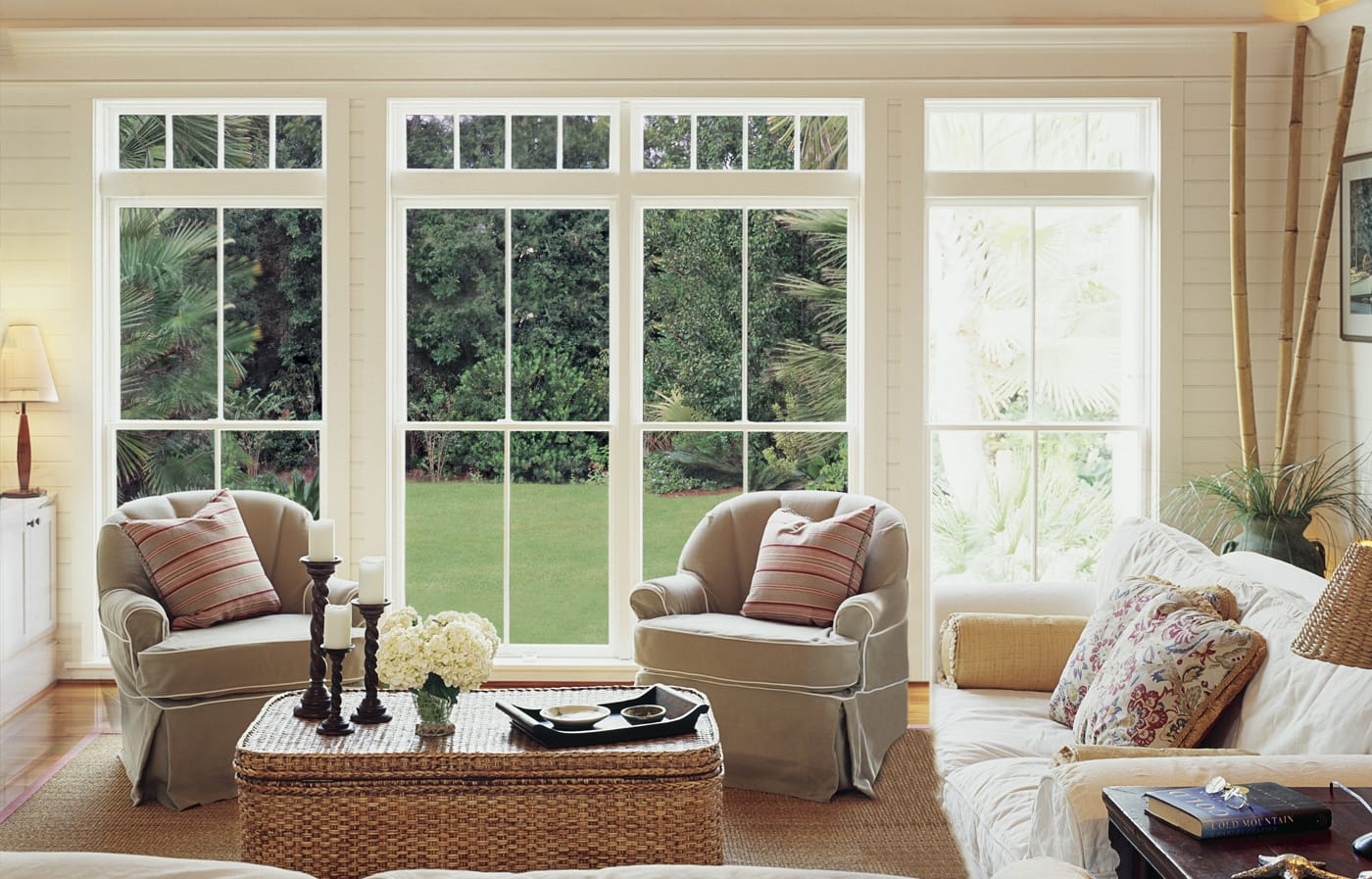
Wood windows have been brightening American homes for centuries, and they still manage to make newer materials look a little underdressed. Their warm grain, substantial profiles, and almost unlimited design options give them a character that vinyl and aluminum frames often trybut struggleto imitate.
Good looks are only part of the story. A properly designed wood window can provide strong thermal performance, accommodate custom architectural details, and remain repairable for decades. However, wood is a natural material. It reacts to moisture, needs a protective finish, and will complain loudlyusually through peeling paint, sticky sashes, or soft cornerswhen maintenance is ignored.
This comprehensive guide explains wood window styles, construction methods, energy ratings, installation choices, maintenance requirements, repair options, and practical buying considerations. In other words, everything you should know before inviting several large, glass-filled pieces of lumber to live in your walls.
What Are Wood Windows?
Wood windows are window units with frames, sashes, or both made primarily from natural wood. The frame is the stationary structure attached to the wall, while the sash is the movable or fixed section that holds the glass.
Traditional wood windows may have exposed wood on both the interior and exterior. Modern products frequently pair an interior wood surface with aluminum, vinyl, or fiberglass cladding outside. This combination preserves the warm appearance of wood indoors while reducing exposure to rain, sunlight, snow, and insects.
Common Wood Species
Manufacturers select wood based on stability, appearance, availability, and resistance to decay. Common choices include:
- Pine: Widely available, easy to paint, and generally one of the more economical options.
- Douglas fir: Strong, dimensionally stable, and attractive when stained.
- Cedar: Naturally resistant to moisture and decay, with a distinctive grain and aroma.
- Oak: Hard, durable, and visually prominent, although typically more expensive.
- Mahogany: Dense, stable, and well suited to high-end or coastal applications.
Some manufacturers also use engineered wood components. These are created by bonding wood fibers, veneers, or sections together to improve consistency and reduce movement caused by changing humidity.
Traditional Wood Versus Clad-Wood Windows
Traditional All-Wood Windows
All-wood windows provide the most authentic appearance, particularly for historic houses, custom homes, and restoration projects. Both sides can be painted or stained, and damaged portions can often be repaired with matching wood or restoration epoxy.
The trade-off is exterior maintenance. Exposed wood must remain sealed against moisture. Once paint or stain begins cracking, water can enter the grain and create swelling, discoloration, mildew, or rot.
Clad-Wood Windows
Clad-wood windows place a weather-resistant shell over the exterior wood. Aluminum cladding is common because it is durable and available in many factory-applied colors. Vinyl and composite cladding are also used on certain product lines.
Cladding dramatically reduces repainting, but it does not make the window indestructible. Water must still drain correctly, joints must remain sealed, and moisture should not become trapped between the cladding and wood core. The interior wood also needs protection in humid rooms.
Popular Wood Window Styles
Double-Hung Windows
A double-hung window has two movable sashes that slide vertically. Opening both sashes can encourage air circulation, with cooler air entering below and warmer air escaping above. Many modern versions tilt inward, allowing the exterior glass to be cleaned without performing an awkward ladder ballet.
Single-Hung Windows
Single-hung windows resemble double-hung models, but only the lower sash moves. Their simpler construction can make them more affordable and may reduce potential air-leakage points.
Casement Windows
Casement windows are hinged on one side and usually operated by a crank. When closed, the sash presses against weatherstripping around the frame, creating a tight seal. When open, the sash can catch passing breezes and direct them indoors.
Awning Windows
Awning windows are hinged at the top and open outward from the bottom. They are commonly installed above or below larger windows and can sometimes remain open during light rain.
Picture Windows
Picture windows do not open. Because they have no operating hardware or moving sash, they can offer excellent air-tightness and large areas of unobstructed glass. They are ideal for displaying a landscapeor reminding you that the yard still needs mowing.
Sliding Windows
Sliding windows move horizontally along a track. They are easy to operate and work well in wide openings, although debris in the track can interfere with smooth movement and drainage.
Bay and Bow Windows
Bay and bow windows project beyond the exterior wall, adding interior floor space, wider views, and architectural depth. Their installation is more complex because the unit needs structural support, careful roof or head flashing, and reliable air sealing.
Specialty and Custom Windows
Wood is especially useful for custom shapes. Arches, circles, eyebrow windows, divided-light patterns, and historically accurate profiles can be produced more easily in wood than in many mass-market frame materials.
Benefits of Wood Windows
Natural Beauty
Wood brings texture and warmth to a room. It can be stained to reveal its grain, painted to match trim, or refinished when the décor changes. Rather than forcing the entire house to adapt to the window, the window can adapt to the house.
Strong Insulating Properties
Wood does not conduct heat as readily as uninsulated metal. However, frame material is only one part of energy performance. Glass coatings, pane count, gas fills, spacers, weatherstripping, installation, and window style all affect the efficiency of the complete unit.
Repairability
Scratches can be sanded, loose joints can be reinforced, glazing can be renewed, and localized rot can sometimes be removed and rebuilt. Historic sashes were often designed to be disassembled and repaired rather than thrown into a landfill at the first sign of attitude.
Design Flexibility
Wood windows are available with custom dimensions, grille patterns, profiles, hardware finishes, stains, and paint colors. This flexibility makes them suitable for Colonial, Craftsman, Victorian, farmhouse, traditional, transitional, and contemporary architecture.
Potentially Long Service Life
Well-built wood windows can remain useful for decades when protected from prolonged moisture and maintained regularly. Historic examples have survived far longer because individual components can be repaired instead of requiring replacement of the entire assembly.
Disadvantages to Consider
Regular Maintenance
Exposed wood requires periodic inspection and refinishing. The exact schedule depends on climate, sun exposure, finish quality, roof overhangs, and installation details. A heavily shaded window may develop mildew, while a west-facing window can suffer intense ultraviolet exposure.
Moisture and Rot
Wood decay requires moisture. Common trouble spots include sills, lower sash corners, failed glazing joints, trim joints, and areas where water cannot drain. Paint may still look respectable while the wood beneath it has developed the structural confidence of wet toast.
Higher Initial Cost
Wood windows generally cost more than basic vinyl models. Custom sizes, premium species, complex grille patterns, factory finishes, and exterior cladding can increase the price further.
Movement With Humidity
Wood expands as it absorbs moisture and contracts as it dries. Proper seasoning, engineered construction, protective finishes, and correct installation control this movement, but neglected windows may swell or become difficult to operate.
Insect Vulnerability
Termites and other wood-damaging insects can attack damp or unprotected components. Persistent insect activity usually indicates that moisture management and pest control both need attention.
Understanding Wood Window Energy Efficiency
Do not judge energy performance from frame material alone. Compare the National Fenestration Rating Council label for the complete window configuration you are purchasing.
| Rating | What It Measures | How to Read It |
|---|---|---|
| U-Factor | How readily heat passes through the window | Lower values indicate better insulation |
| Solar Heat Gain Coefficient | How much solar heat enters through the window | Lower values reduce solar gain; higher values admit more winter sun |
| Visible Transmittance | How much visible light passes through the unit | Higher values generally provide more daylight |
| Air Leakage | How much air passes through joints in the assembly | Lower values indicate a tighter window |
| Condensation Rating | Resistance to interior surface condensation under test conditions | Higher values generally indicate better resistance |
Glass Packages Matter
Modern wood windows commonly use double-pane or triple-pane insulated glass. Low-emissivity coatings reduce radiant heat transfer, while argon or krypton between panes can improve insulation. Warm-edge spacers may reduce heat transfer around the glass perimeter.
The ideal package depends on climate and orientation. A cold northern climate may prioritize a low U-factor. A hot, sunny climate may benefit from a lower solar heat gain coefficient. South-facing windows can have different needs from shaded north-facing units, so ordering one identical glass package for every elevation is not always the smartest shortcut.
ENERGY STAR recommendations and NFRC ratings allow homeowners to compare complete products rather than relying on advertising terms such as “premium,” “advanced,” or the always scientifically rigorous “super deluxe.”
How to Choose the Right Wood Windows
Match the Window to the Climate
In wet or coastal regions, consider durable exterior cladding, corrosion-resistant hardware, and carefully detailed flashing. In dry climates with intense sun, prioritize finishes that resist ultraviolet damage. Cold climates may justify triple-pane glazing, while hot climates often need stronger solar control.
Consider the Home’s Architecture
Window proportions and grille patterns strongly affect curb appeal. Narrow divided lights may suit a historic Colonial, while broad glass areas and minimal frames may complement a contemporary home. The technically best window can still look wrong if its proportions fight the building.
Choose Interior and Exterior Finishes Carefully
Factory-applied finishes are completed under controlled conditions and may provide more consistent coverage than field finishing. When ordering unfinished wood, confirm how quickly it must be sealed after delivery and whether every exposed surfaceincluding concealed edgesrequires treatment.
Examine Hardware and Operation
Open and close a display unit before purchasing. Check locks, cranks, sash balance systems, hinges, and screens. Good hardware should feel solid and operate smoothly without requiring a gym membership.
Review the Warranty
Read the warranty rather than admiring its impressive thickness. Coverage may differ for frames, glass seals, hardware, factory finishes, labor, coastal exposure, and improper installation. Confirm whether refinishing or maintenance records are required.
Compare the Entire Installed Package
A quote should identify product series, wood species, cladding, glass package, grille type, hardware, screens, finishing, removal, disposal, trim work, flashing, insulation, and warranty coverage. A low estimate that quietly excludes half the project is not a bargain; it is a sequel.
Wood Window Installation
Insert Replacement
An insert window fits inside an existing frame after the old sash is removed. This method can preserve interior and exterior trim and usually requires less disruption. It works only when the original frame is square, structurally sound, and free from significant rot.
Full-Frame Replacement
Full-frame replacement removes the entire existing window down to the rough opening. It costs more and disturbs surrounding finishes, but it allows hidden water damage to be repaired and modern flashing to be integrated with the wall’s drainage system.
New-Construction Installation
New-construction windows are installed before exterior siding and interior finishes are completed. Many include a nailing flange that connects with the weather-resistant barrier and flashing system.
Why Flashing Is Critical
A durable installation should manage water in layers. Common components include sloped or pan flashing at the sill, side flashing, head flashing, a correctly integrated weather barrier, and an exterior drainage path. Sealant alone should not be expected to perform every waterproofing job forever.
The unit must also be installed level, plumb, and square. Poor shimming can distort the frame, prevent the sash from sealing, or make a perfectly good window operate like an antique desk drawer filled with sand.
Wood Window Maintenance Checklist
Inspect Twice a Year
Examine windows in spring and fall, as well as after severe storms. Look for cracked paint, open joints, peeling finish, failed glazing, staining, mildew, soft wood, damaged weatherstripping, and clogged drainage openings.
Keep Surfaces Clean
Use mild soap, water, and a soft cloth unless the manufacturer specifies otherwise. Avoid abrasive pads or aggressive chemicals that can damage glass coatings, cladding, paint, or hardware finishes.
Maintain Paint and Stain
Do not wait until bare gray wood is exposed. Clean and prepare worn areas, then apply compatible primer and finish according to the product instructions. Pay special attention to horizontal surfaces and end grain because they absorb moisture readily.
Renew Failed Sealant Selectively
Remove loose or failed caulk and replace it with a compatible exterior sealant. Do not seal drainage openings or weep paths. A window designed to drain must be allowed to do exactly that.
Control Indoor Humidity
Condensation on the room-facing glass often indicates that warm, humid indoor air is contacting a cold surface. Improve ventilation, use exhaust fans, adjust humidifiers, and keep heavy curtains from trapping moisture against the glass.
Fog or moisture between insulated glass panes is different. It commonly indicates a failed glass seal and may require replacement of the insulated glass unit or sash.
Address Soft Wood Immediately
Probe suspicious areas gently with a screwdriver. Sound wood should resist pressure. Soft, spongy, or crumbling sections indicate decay. Before repairing the wood, locate and correct the source of moisture; otherwise, the rot will return wearing a tiny victory cape.
Repair or Replace Wood Windows?
Repair May Be Appropriate When:
- Damage is limited to a small sill or sash section.
- Loose joints can be reinforced.
- Weatherstripping, sash cords, balances, locks, or cranks need replacement.
- Old glazing compound has failed around otherwise sound glass.
- The unit is historically significant or has valuable original glass.
- Drafts are caused mainly by correctable gaps rather than structural failure.
Replacement May Be Better When:
- Rot affects multiple structural components.
- Water has damaged the rough opening or surrounding wall.
- The frame is badly distorted.
- Insulated glass seals have failed across numerous units.
- Replacement parts are unavailable.
- The windows no longer meet safety, egress, or performance requirements.
Historic windows deserve a careful assessment before removal. Old-growth wood may be dense and durable, and many traditional units can be weatherstripped, reglazed, repaired, and paired with storm windows. Replacement should not be automatic merely because a sash has celebrated more birthdays than the contractor inspecting it.
What Do Wood Windows Cost?
Wood window prices vary too widely for one figure to be useful in every project. The final cost depends on size, style, species, glass package, exterior cladding, hardware, grille design, finish, installation method, trim work, regional labor rates, and accessibility.
A standard-size pine insert window with simple hardware will usually cost much less than a mahogany-clad bay window with custom divided lights and structural work. Full-frame replacement also tends to cost more than insert installation because it may require removal and reconstruction of trim, siding, flashing, drywall, or framing.
When comparing proposals, calculate long-term value rather than selecting the lowest number. A properly installed, maintainable window can be less expensive over its service life than a cheaper unit that develops leaks, seal failures, or operating problems.
Practical Experience: Lessons Homeowners Learn From Living With Wood Windows
The following observations reflect recurring experiences reported by homeowners, restoration specialists, installers, and maintenance professionals rather than a claim of personal ownership. They are the small, practical lessons that rarely fit neatly on a product brochure.
Experience One: Water Usually Reveals the Real Weakness
Many owners initially blame the wood when a sill begins to rot. Closer inspection often shows that the wood was merely the unfortunate witness. The true cause may be missing head flashing, failed sealant, blocked drainage openings, overflowing gutters, a poorly sloped sill, or interior condensation that repeatedly pools against the frame.
A cosmetic patch can temporarily improve the appearance, but it will not solve an active leak. Experienced owners learn to trace staining upward, inspect nearby siding and trim, and observe the window during rain before beginning repairs. Fixing the water path first makes every later repair more durable.
Experience Two: Small Maintenance Beats Dramatic Restoration
A ten-minute inspection can prevent a multi-day repair. Touching up a cracked lower sash corner, renewing a short section of glazing, or clearing debris from a sill costs little. Ignoring the same defect for several wet seasons may allow water to penetrate deeply enough that the sash must be rebuilt.
The most successful maintenance routines are simple. Owners often keep a dated list of windows that need attention, beginning with the most exposed elevations. South- and west-facing units may experience stronger sun, while shaded windows may remain damp longer after rain. Treating every window identically sounds organized, but exposurenot alphabetical orderusually decides which one fails first.
Experience Three: A Sticky Window Is Not Always a Bad Window
When a wood sash becomes difficult to move, replacement is not necessarily the first answer. Paint may have sealed the sash to the frame. Humidity may have caused temporary swelling. Hardware may need adjustment, or debris may be lodged in the track. Double-hung windows may have broken cords, balances, or jamb liners that can be replaced without removing the entire frame.
The practical approach is to diagnose before demolishing. Owners should check whether the problem changes with the seasons, inspect contact points, test the lock alignment, and look for layers of paint along the sash edges. Force is rarely the best tool. A determined shoulder can turn a modest adjustment into broken glass with astonishing efficiency.
Experience Four: Installation Quality Can Outweigh Brand Reputation
Homeowners sometimes spend heavily on premium wood windows and then select installation based entirely on the lowest labor quote. This is similar to purchasing a grand piano and transporting it home on a skateboard.
A high-quality window can still leak if the rough opening is not prepared correctly, the sill is flat or back-sloped, flashing is incomplete, or expanding foam distorts the jambs. Experienced buyers ask installers how water will drain, how the flashing integrates with the wall, what happens if hidden rot is discovered, and how interior and exterior finishes will be restored.
Experience Five: The Best Finish Is the One You Will Maintain
Natural stained wood looks beautiful, but some homeowners eventually decide that painted surfaces are easier to touch up. Others choose clad exteriors because they love interior wood but have no desire to repaint second-story windows from a ladder.
The sensible choice depends on the house and the owner’s tolerance for maintenance. A historically accurate all-wood window may be worth the effort on a landmark façade. A clad-wood unit may be more practical on a rain-beaten coastal wall. There is no prize for choosing the most demanding option and then pretending maintenance was an unexpected plot twist.
Experience Six: Preserve Original Windows When the Numbers and Condition Support It
Owners of older homes often discover that restoration is more viable than expected. Sound frames may need only localized wood repair, new sash cords, fresh weatherstripping, glazing work, and storm windows. Original wavy glass, slender muntins, and historic profiles can be difficult to duplicate with standard replacements.
However, preservation should not become stubbornness. When rot is widespread, structural movement is severe, or water damage extends into the wall, replacement may be the responsible choice. The useful lesson is not “always restore” or “always replace.” It is “inspect carefully, identify the failure, compare complete costs, and avoid making a permanent decision based on one drafty afternoon.”
Conclusion
Wood windows remain one of the most attractive and adaptable choices for residential architecture. They offer natural insulation, repairable components, custom styling, and an interior warmth that manufactured materials rarely reproduce convincingly.
Their success depends on thoughtful selection and responsible care. Choose the glass package for the climate, compare certified performance ratings, protect exterior surfaces, control moisture, and treat installation as part of the window system rather than an unrelated expense. Inspecting small defects early can preserve both the window and the surrounding wall.
For homeowners willing to provide reasonable maintenanceor choose a clad exterior that reduces itwood windows can deliver lasting beauty and strong performance. They are not maintenance-free, but neither is anything else worth displaying prominently in every room of the house.












