
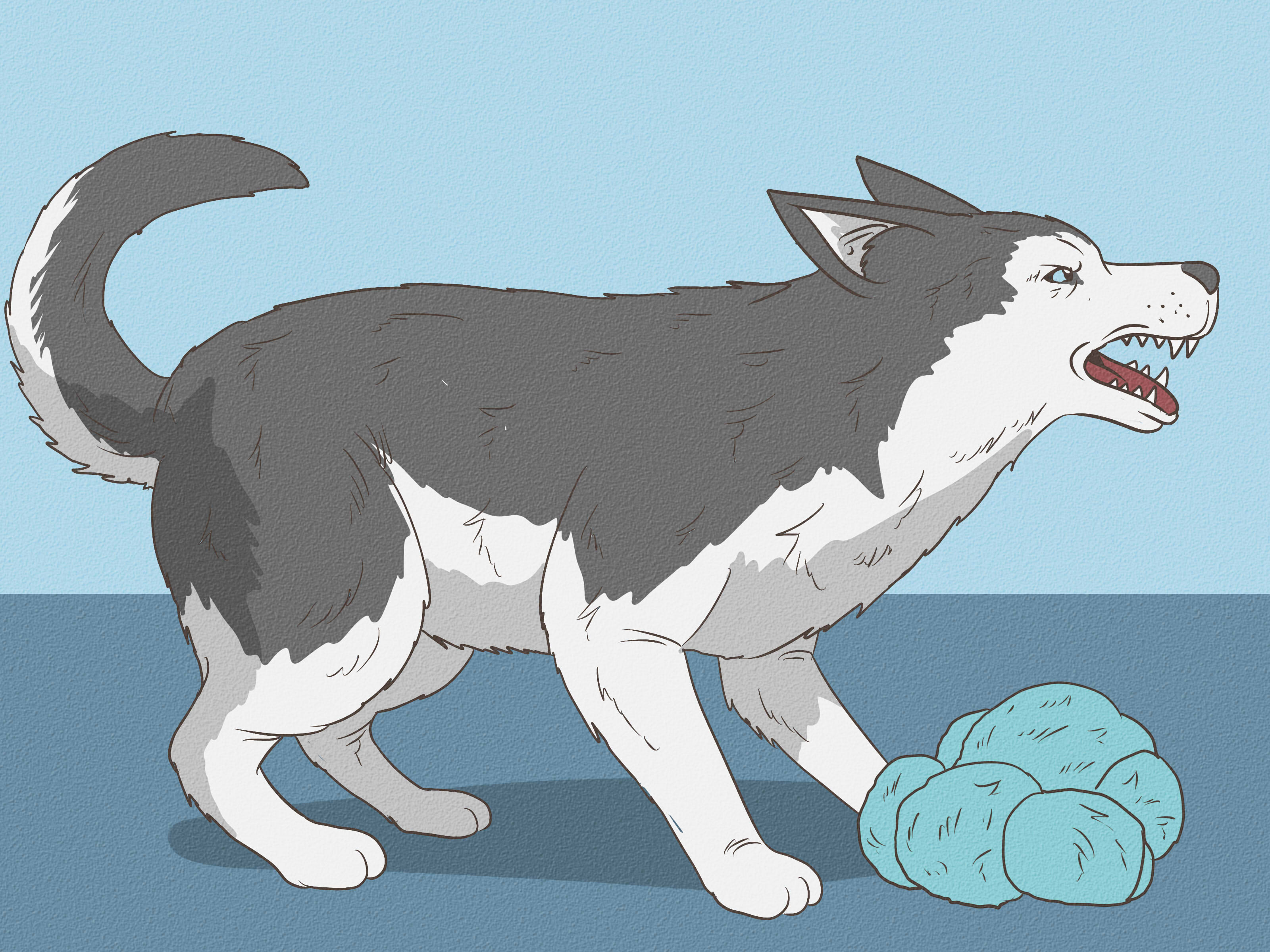
Your dog is happily chewing a bone. You walk past, and suddenly their body stiffens, their eyes narrow, and a low growl begins rumbling like a tiny lawn mower. Congratulations: you have just met resource guarding.
Resource guarding occurs when a dog tries to protect something they consider valuable. The guarded resource may be food, a toy, a stolen sock, a sleeping place, another pet, or even a favorite person. Mild guarding can look like carrying an object away. More serious cases may involve snappingvior. However, it can become dangerous in a family home, especially when children, visitors, or other pets are involved.
Stopping resource guarding requires more than teaching a command. The goal is to change how your dog feels when someone approaches a valued item. Through management, positive reinforcement, desensitization, counterconditioning, and carefully structured trade exercises, many dogs can learn that an approaching person predicts something wonderful rather than the disappearance of their treasure.
What Is Resource Guarding in Dogs?
Resource guarding is any behavior a dog uses to prevent a person or another animal from approaching or taking something valuable. Although food aggression in dogs is the most familiar example, dogs may guard almost anything, including:
- Food bowls and water bowls
- Bones, chews, treats, and stuffed food toys
- Balls, tug toys, and squeaky toys
- Trash, tissues, wrappers, and stolen household objects
- Beds, crates, couches, doorways, and resting areas
- A favorite owner or another household member
- Objects that seem worthless to humans but are priceless in Dog Economics
Guarding exists on a spectrum. A dog does not need to bite to qualify as a resource guarder. Subtle avoidance and changes in body language may be the earliest signs.
Early Warning Signs of Resource Guarding
Recognizing low-level warnings allows you to intervene before the behavior escalates. Watch for:
- Suddenly freezing over an item
- Lowering the head or crouching over a resource
- Turning the body to block access
- Moving the item farther away
- Eating faster when someone approaches
- Showing the whites of the eyes
- Giving a hard, fixed stare
- Closing the mouth and becoming unusually still
- Lifting a lip, growling, snapping, or lunging
A growl is useful information. It is your dog saying, “I am uncomfortable, and I need more space.” Punishing the growl may silence that warning without changing the fear beneath it. The result can be a dog who still feels threatened but proceeds to snapping or biting with less notice.
What Causes Resource Guarding?
There is rarely one simple cause. Resource guarding can develop through a combination of instinct, genetics, learning history, stress, and environmental conditions.
Natural Survival Instincts
Access to food and safe resting places matters to every animal. Protecting a valuable resource can be an effective survival strategy, particularly when resources are limited. Domestic dogs may sleep on designer cushions and eat subscription-box dinners, but some ancient survival software remains installed.
Past Scarcity or Competition
Dogs that lived as strays, experienced neglect, competed with littermates, or shared limited resources with many animals may learn that food and possessions disappear unless they defend them. Not every rescue dog guards resources, and plenty of well-cared-for dogs do, but past competition can increase the likelihood.
Repeated Removal of Valued Items
Imagine that every time someone approached your plate, they removed your dinner. You might eventually become suspicious too. Frequently grabbing food, toys, or forbidden objects from a dog can teach them that human hands predict loss.
This problem often begins innocently. A puppy steals a sock, the family chases the puppy, and the sock becomes the most exciting object in the Western Hemisphere. When the puppy is finally cornered, someone pries it from their mouth. Repeating this routine can create avoidance, swallowing, or defensive guarding.
Anxiety and Environmental Stress
Dogs that feel generally insecure may be more protective of resources. Moving homes, adding another pet, changing routines, overcrowding, insufficient rest, and household conflict can lower a dog’s tolerance.
Pain or Medical Problems
Sudden aggression or a sudden increase in guarding deserves veterinary attention. Dental pain, arthritis, injuries, digestive discomfort, sensory decline, and other medical problems can make a dog more defensive. A dog guarding a bed, for example, may fear being moved because standing up hurts.
Competition in Multi-Dog Homes
Resource guarding may emerge when another dog enters the household. Even dogs that normally enjoy one another can become tense around meals, chews, dropped food, attention, or narrow resting spaces. Feeding animals separately is usually safer than asking them to negotiate ownership over one bowl like furry corporate attorneys.
What to Do Immediately When Your Dog Guards Something
When a dog is already stiff, growling, or hovering over an item, that moment is not an ideal training session. Safety comes first.
- Stop approaching. Do not continue reaching toward the dog.
- Give the dog space. Move children, visitors, and other pets away.
- Do not corner the dog. Ensure there is a safe exit route.
- Avoid grabbing the collar or opening the mouth. These actions greatly increase bite risk.
- Use distance when possible. Toss several excellent treats away from the guarded object and retrieve it only after the dog has moved to another secured area.
- Contact a professional for severe cases. Lunging, snapping, biting, unpredictable guarding, or guarding involving children should not be treated through improvised experiments.
If the object is not dangerous, leaving it alone may be the safest immediate decision. A shredded paper towel is irritating. A bite to the hand is considerably more irritating.
How to Stop Resource Guarding Safely
Behavior modification works best when your dog stays below their reaction threshold. Below threshold means the dog notices your presence but remains relaxed enough to eat, respond, and learn. If the dog freezes, stares, growls, or stops taking treats, you are too close or progressing too quickly.
Step 1: Prevent Rehearsal of the Behavior
Management does not cure resource guarding, but it prevents dangerous situations while training is underway. Useful management strategies include:
- Feeding the dog in a quiet room behind a closed door or gate
- Separating pets for meals, chews, and food puzzles
- Keeping children away from eating and resting dogs
- Putting laundry, trash, tissues, and tempting objects out of reach
- Removing high-value chews before visitors arrive
- Providing each pet with separate beds and resting areas
- Avoiding unrestricted access to furniture the dog intensely guards
Good management is not surrender. It is the behavioral equivalent of putting a guardrail beside a cliff while you improve your driving.
Step 2: Create a Resource-Guarding Hierarchy
List everything your dog guards and rate each item from low to high value. A plain rubber toy may rank at level two, while a roasted marrow bone ranks somewhere around “national treasure.”
Begin training with items that produce little or no tension. Do not start with the dog’s most valued possession. Successful behavior modification depends on many easy repetitions, not one dramatic showdown.
Step 3: Teach That Approaching People Add Value
Counterconditioning changes the dog’s emotional association with an approaching person. Instead of thinking, “Here comes the thief,” the dog learns, “Excellent, the snack-delivery department has arrived.”
Begin at a distance where your dog remains completely relaxed with a low-value item or meal.
- Walk toward the dog only far enough for them to notice you without stiffening.
- Toss a high-value treat, such as a small piece of chicken, near the dog.
- Immediately walk away.
- Pause and repeat several times.
Over multiple sessions, your dog should begin looking happily toward you when you approach. That loose, expectant response is the behavior you want. Gradually reduce the distance only while the dog remains comfortable.
Do not reach toward the bowl during early sessions. Your approach should predict bonus food, not an inspection by the Dinner Police.
Step 4: Practice a Voluntary Trade
The trade game teaches your dog that releasing one object causes something better to appear. Practice with a low-value toy that the dog does not guard.
- Give the dog the toy.
- Present a higher-value treat near the dog’s nose without reaching for the toy.
- When the dog releases the toy, calmly say “drop” or another chosen cue.
- Give the treat immediately.
- Pick up the toy while the dog eats.
- Whenever safe, return the toy.
Returning the object is important during practice because it teaches the dog that releasing something does not always make it disappear forever. As the dog improves, gradually practice with slightly more valuable objects.
Never test progress by suddenly grabbing a guarded item. Training is not a hidden-camera prank.
Step 5: Teach “Drop It” and “Leave It” Separately
“Drop it” means releasing an item already in the mouth. “Leave it” means disengaging before taking an item. Both cues are valuable, but neither should be taught through intimidation.
Practice “leave it” using boring objects and reward the dog for turning away. Practice “drop it” through voluntary exchanges. Once the behaviors are reliable in easy situations, slowly add distractions.
A cue is not a magic spell. A dog that responds to “drop it” with a tennis ball in the living room may not respond while holding a chicken bone found beside a dumpster. Continue using management and carry high-value treats on walks.
Step 6: Work in Short, Predictable Sessions
Keep sessions to a few minutes and stop while the dog is successful. One or two calm repetitions are more useful than pushing until the dog becomes tense. Practice several times per week rather than conducting a two-hour resource-guarding marathon.
Track the resource, your distance, the dog’s body language, the reward used, and the outcome. This record helps reveal progress that may otherwise be difficult to notice.
What Not to Do With a Resource-Guarding Dog
Do Not Punish Growling
Growling is a warning signal. Yelling, hitting, spraying, leash correcting, or physically forcing the dog away may increase fear and teach the dog that people near resources truly are dangerous.
Do Not Use “Alpha” Techniques
Pinning a dog, rolling them onto their back, staring them down, or deliberately taking food to prove leadership can intensify conflict. Resource guarding is not resolved by winning an argument over imaginary social rank.
Do Not Put Your Hand in the Food Bowl
Repeatedly touching food while a dog eats is sometimes recommended as prevention. In reality, it may teach the dog that hands are intrusive and unpredictable. A safer exercise is approaching from a comfortable distance, adding something better, and leaving.
Do Not Chase a Dog With a Stolen Object
Chasing can turn theft into an exciting game or make the dog fear capture. Instead, secure the environment, teach trading, and calmly encourage the dog to move away for a better reward.
Do Not Allow Children to Conduct Training
Children may miss subtle warning signs, move unpredictably, or attempt to hug a tense dog. Adults should supervise all dog-child interactions, and children should never approach a dog that is eating, chewing, sleeping, or guarding an object.
Resource Guarding Between Dogs
When one dog guards resources from another, the safest plan often relies heavily on management. Feed dogs in separate rooms and pick up bowls before reopening doors. Give long-lasting chews only while the dogs are securely separated. Provide multiple beds, water stations, toys, and access routes.
Watch for staring, blocking, hovering, freezing, standing over another dog, and controlling access to people or doorways. Do not force dogs to share high-value items. Humans do not cheerfully share every meal from one plate, and dogs should not be expected to operate a communal buffet without boundaries.
Dog-to-dog guarding can escalate quickly. A qualified behavior professional can evaluate the dogs’ communication, household layout, triggers, and history before creating a treatment plan.
When to Seek Professional Help
Consult a veterinarian first when the behavior appears suddenly, worsens rapidly, or may involve pain. Seek an experienced, reward-based behavior professional when:
- The dog has snapped at or bitten a person
- The dog guards unpredictable objects or large areas
- The dog guards a family member from other people
- Children, older adults, or vulnerable individuals live in the home
- Household dogs have fought over resources
- The dog swallows dangerous objects to prevent removal
- You feel frightened or cannot manage the environment safely
- Training attempts are making the behavior worse
Look for a board-certified veterinary behaviorist, certified behavior consultant, or qualified professional trainer experienced with aggression and force-free behavior modification. Credentials alone do not guarantee a perfect match, so ask how the professional handles growling, aggression, and resource guarding. Avoid anyone whose main strategy is frightening, overpowering, or provoking the dog.
How Long Does Resource-Guarding Training Take?
There is no universal timetable. Mild guarding may improve noticeably within several weeks. Long-standing or severe behavior may require months of careful management and professional guidance. Progress also depends on the number of guarded resources, the dog’s bite history, household consistency, medical health, and exposure to triggers.
The realistic goal is not necessarily to make every dog delighted when someone reaches into their dinner. The goal is a safe, predictable household in which the dog remains relaxed, voluntarily moves away, responds to trained cues, and trusts that people will not constantly steal valuable possessions.
Real-World Training Experiences and Lessons
The following composite experiences reflect common patterns seen in homes working through dog resource guarding. They are not guarantees, but they illustrate why careful observation and gradual training matter.
The Dog Who Guarded an Empty Bowl
One family initially believed their dog guarded only food. They removed the meal after he finished but left the empty bowl on the kitchen floor. The dog continued lying beside it and growling when anyone entered. The bowl itself had become part of the guarded resource.
The family stopped leaving the bowl available. Meals were served in a quiet area, and the dog was allowed to finish without interruption. After he voluntarily left the room, an adult picked up the bowl. Separate training began at a safe distance, with the adult walking past, tossing chicken, and continuing onward.
The most important improvement was not silence. It was the dog’s body language. His muscles became looser, his eating slowed, and he began lifting his head with a relaxed expression when the adult appeared. That emotional change showed that the training was working.
The Puppy With the Famous Sock Collection
Another household had a puppy who stole socks. Everyone chased him, which transformed laundry theft into a daily championship sport. When caught, the puppy clamped his jaws shut. Soon he began running under furniture and growling.
The family changed both management and training. Laundry baskets received lids, bedroom doors stayed closed, and approved toys became easier to access. Several times a day, an adult practiced trading a boring toy for a treat and then returned the toy. No chasing occurred.
When the puppy later found a stray sock, the adult calmly scattered treats several feet away. The puppy moved toward the food, and the sock was retrieved without confrontation. Over time, stealing became less exciting because the household no longer supplied dramatic background music and a pursuit scene.
The Two Dogs Who Could Not Share Chews
A pair of otherwise friendly dogs repeatedly became tense over long-lasting chews. Their owners hoped the dogs would “work it out,” but each incident increased staring, hovering, and defensive behavior.
The solution was not a group lesson in generosity. The dogs received chews in separate rooms behind closed doors. All leftovers were removed before they reunited. Regular toys remained available only when the dogs demonstrated relaxed behavior, and high-value food was never left on the floor.
The dogs did not need to become comfortable sharing one chew. They needed a household system that prevented competition. Once that pressure disappeared, their everyday relationship became calmer.
The Senior Dog Who Suddenly Guarded His Bed
A senior dog began growling when family members asked him to leave his bed. Because he had never guarded before, the family scheduled a veterinary examination rather than treating the behavior as disobedience. The dog was experiencing joint pain, and standing up had become uncomfortable.
Medical treatment, a supportive bed, nonslip flooring, and a trained “come” cue reduced the conflict. Family members stopped reaching down to pull him by the collar. They called him from a distance and rewarded him for moving voluntarily.
This case highlights an essential lesson: behavior is information. A sudden personality change may be the first visible sign of physical discomfort.
The Biggest Lessons From These Experiences
Successful resource-guarding plans tend to share several features. Families prevent avoidable conflicts, respect warning signals, reward voluntary cooperation, and move at the dog’s pace. They measure improvement through softer body language and increased trust, not through how much interference the dog will tolerate.
Progress is rarely perfectly linear. A dog may perform beautifully with a toy but guard a new chew. Stress, illness, visitors, or competition can temporarily lower tolerance. Returning to easier exercises is not failure; it is smart training.
Conclusion
To stop resource guarding in your dog, begin by replacing confrontation with safety and predictability. Prevent access to common trouble items, separate pets around valuable resources, and never punish warning signals. Teach your dog that people approaching food, toys, and resting places make good things happen.
Use high-value rewards, voluntary trades, short training sessions, and gradual changes in distance. Most importantly, pay attention to your dog’s emotional state. A relaxed body, soft eyes, and happy anticipation matter more than forcing obedience beside a food bowl.
Resource guarding is a behavior problem, not a character flaw. With patience, appropriate management, veterinary care when necessary, and qualified professional support for serious cases, dogs can develop safer habits and greater trust. Your dog may still consider the squeaky duck a priceless artifact, but they can learn that your approach does not signal an international duck-confiscation crisis.
Note: This article provides general educational information and does not replace an individualized veterinary or behavioral assessment. Do not attempt hands-on exercises with a dog that has bitten, lunged, or shown severe aggression without qualified professional guidance.












