
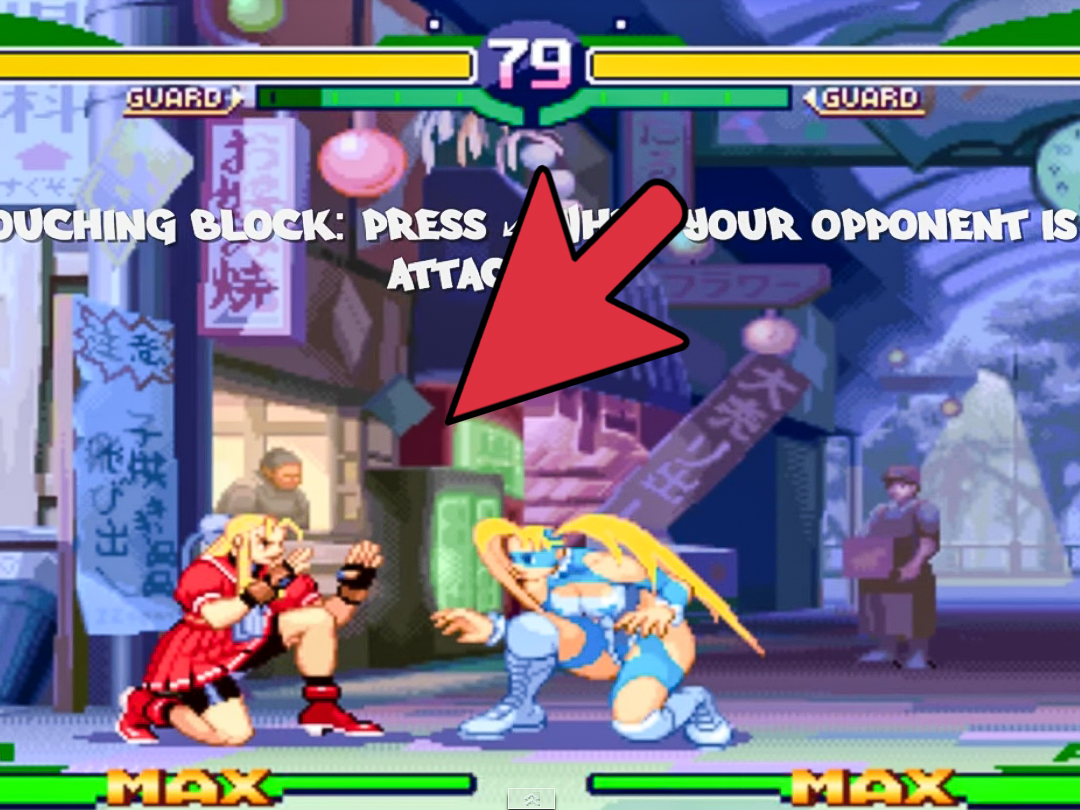
Street Fighter Alpha 3 is not the kind of fighting game that politely hands you a cup of tea and asks whether you are ready. It throws fireballs, demands footsies, and introduces three different fighting styles before you have even figured out which punch button is which. Released by Capcom as one of the biggest entries in the Alpha series, the game remains a favorite because it blends fast action, expressive mechanics, a huge roster, and enough strategic depth to make your thumbs feel like they signed up for college.
This guide explains how to play Street Fighter Alpha 3 in 13 clear steps. Whether you are playing through Street Fighter 30th Anniversary Collection, Capcom Arcade 2nd Stadium, a PlayStation version, or another classic release, the same core idea applies: choose a character, understand your ISM, control space, protect your Guard Power Gauge, and learn when to stop mashing buttons like a raccoon found an arcade cabinet.
Step 1: Understand What Street Fighter Alpha 3 Is
Street Fighter Alpha 3 is a 2D fighting game where two characters battle until one player wins the required number of rounds. Each fighter has normal attacks, special moves, throws, defensive options, and Super Combos. The game is known for its speed, colorful animation, dramatic soundtrack, and the famous ISM system, which lets you select a fighting style before the match begins.
The basic goal is simple: reduce your opponent’s vitality to zero before they do the same to you. The deeper goal is less simple: control the screen, predict habits, use safe attacks, punish mistakes, manage meter, and avoid getting cracked open by a jump-in combo that makes you question every decision you have made since breakfast.
Step 2: Learn the Six-Button Layout
Street Fighter Alpha 3 uses the classic six-button Street Fighter control scheme:
- Light Punch – quick, low-risk, short range.
- Medium Punch – balanced speed and power.
- Heavy Punch – slower but stronger.
- Light Kick – fast pokes and small confirms.
- Medium Kick – useful for spacing and pressure.
- Heavy Kick – big damage, big range, bigger recovery.
Beginners should not treat all buttons as random noise. Each normal attack has a purpose. Light attacks help interrupt or start quick pressure. Medium attacks often control space. Heavy attacks punish mistakes or hit from farther away. A good player knows which button to press from which distance. A new player presses everything and hopes the controller forgives them. Be the first player.
Step 3: Choose a Beginner-Friendly Character
Street Fighter Alpha 3 has a large roster, but beginners should start with characters that teach core fundamentals. Ryu is the classic choice because he has a projectile, an anti-air uppercut, a solid hurricane kick, and straightforward Super Combos. Ken is similar but more aggressive. Chun-Li teaches mobility, pokes, and strong air-to-ground control. Sagat helps you understand zoning with high and low Tiger Shots.
Do not choose a character only because they look cool in the select screen. That is how many new players end up trying advanced setups with V-ISM before they can block a sweep. Pick one character, learn their basic attacks, memorize two or three useful special moves, and stay with them long enough to develop muscle memory.
Step 4: Pick the Right ISM Style
The ISM system is one of the defining features of Street Fighter Alpha 3. After selecting a character, you choose one of three fighting styles: X-ISM, A-ISM, or V-ISM. Each changes your meter, damage, defensive tools, and overall strategy.
X-ISM: Simple and Powerful
X-ISM is the most straightforward style. It usually gives higher damage and a simpler Super Combo structure, but removes several flexible Alpha mechanics. It is a good choice if you want fewer systems to manage and prefer a classic Street Fighter feel.
A-ISM: Balanced and Beginner-Friendly
A-ISM, called Z-ISM in some Japanese versions, is the balanced style. It gives access to multiple Super Combo levels and many standard Alpha mechanics. For most beginners learning Street Fighter Alpha 3, A-ISM is the best starting point because it teaches the game without forcing you into advanced Custom Combo theory.
V-ISM: Advanced and Explosive
V-ISM focuses on Custom Combos. This style can be extremely powerful, but it requires timing, routing, and practice. If you are new, try V-ISM later. Starting with V-ISM before learning fundamentals is like trying to do a backflip before learning how stairs work.
Step 5: Practice Basic Movement
Movement is the skeleton of every good fighting game plan. In Street Fighter Alpha 3, you can walk forward, walk backward, jump, crouch, and dash depending on your character and version. Movement decides whether your attack reaches, whether your opponent’s attack misses, and whether you are close enough to throw.
Spend time moving in and out of your opponent’s range. Walk forward until you are almost close enough to attack, then step back. Watch the opponent swing and miss. That whiff is your invitation to punish. This is called spacing, and it is the difference between playing Street Fighter and simply auditioning for a slapstick cartoon.
Step 6: Learn Special Move Motions
Special moves are performed with directional inputs plus attack buttons. Common motions include quarter-circle forward, quarter-circle back, dragon punch motion, charge back then forward, and charge down then up. Ryu’s Hadoken, for example, uses a quarter-circle forward motion plus punch. His Shoryuken uses a forward, down, down-forward motion plus punch.
Practice slowly at first. Clean inputs matter more than speed. If your fireball is not coming out, do not attack the controller. The controller has legal rights. Instead, turn on input display if your version has it, move the stick or directional pad smoothly, and press the button at the end of the motion.
Step 7: Use Normal Attacks Before Fancy Combos
Many beginners want long combos immediately. Combos are fun, but normal attacks win more matches than beginners expect. Learn your character’s best standing poke, crouching poke, anti-air normal, jump-in attack, sweep, and fast light attack. These tools help you survive neutral situations.
For Ryu, crouching medium kick is often useful for controlling ground space. Standing heavy punch can punish openings. Crouching heavy punch can work as an anti-air in some situations. A simple jump heavy kick into crouching medium kick into fireball is more useful early on than a complicated combo you drop nine times out of ten.
Step 8: Understand Blocking and the Guard Power Gauge
Blocking keeps you alive, but Street Fighter Alpha 3 adds an extra warning label: the Guard Power Gauge. When you block attacks, this gauge decreases. If it empties, you suffer a Guard Crush, leaving you briefly vulnerable. That means blocking forever is not a strategy; it is a delayed disaster with background music.
To defend properly, mix blocking with movement, counter-poking, jumping out when safe, Alpha Counters, and smart spacing. Block high against jumping attacks and standing overhead-style threats. Block low against sweeps and many grounded attacks. When pressured, avoid panic buttons. A bad attack during pressure often gets counter-hit, and then your opponent gets to start their victory speech early.
Step 9: Learn Throws and Throw Defense
Throws punish opponents who block too much or stand too close. If someone turtles in the corner, walk up and throw. If someone keeps jumping at you, anti-air them until they land and become afraid. Once they freeze, throw. Fighting games are partly about damage and partly about making your opponent uncomfortable enough to make mistakes.
To avoid being thrown, do not sit still at close range. Backdash, jump, attack with a fast normal, or reposition before your opponent gets a free grab. Be careful, though: jumping away predictably can get you anti-aired. The best defense is not one option; it is rotating options so your opponent cannot read you like a restaurant menu.
Step 10: Use Anti-Airs Every Match
If you learn only one defensive skill, learn anti-airs. Many new players jump constantly because jumping feels exciting. The problem is that predictable jumps are punishable. Use uppercuts, crouching heavy punch, standing heavy kick, or character-specific anti-air attacks to stop jump-ins.
With Ryu or Ken, Shoryuken is the famous answer, but it must be timed properly. If you miss, you may land directly into pain. Start with reliable normal anti-airs, then add special anti-airs as your confidence grows. Once opponents realize they cannot jump for free, they must fight you on the ground, where footsies and spacing become much more important.
Step 11: Build Simple Combos and Punishes
A good beginner combo should be reliable, not theatrical. Start with two-hit or three-hit sequences. For example, try a jump-in attack into crouching medium kick into fireball, or a close heavy normal canceled into a special move. The purpose is to turn one good opening into guaranteed damage.
Also practice punishes. A punish happens when your opponent uses an unsafe move and you hit them during recovery. If someone throws a dragon punch and misses, do not panic. Walk up and use your strongest practical combo. In Street Fighter Alpha 3, punishing unsafe moves is one of the fastest ways to improve because it teaches patience, timing, and damage awareness.
Step 12: Manage Meter Like It Matters
Your meter is not decoration. Depending on your ISM, it fuels Super Combos, Alpha Counters, or Custom Combos. A-ISM players can use different Super Combo levels, which means you must decide whether to spend meter early or save for a stronger opportunity. V-ISM players build toward Custom Combo activation, while X-ISM players usually wait for a full meter opportunity.
Do not spend meter just because it is glowing. Spend it when it will win the round, secure momentum, punish a major mistake, or escape dangerous pressure. A wasted Super Combo is not just missed damage; it tells your opponent you are nervous. And in Street Fighter, nervousness has a health bar.
Step 13: Train With Purpose
Training Mode is where you turn confusion into confidence. Do not simply hit a motionless opponent for twenty minutes and call it mastery. Practice specific goals:
- Perform ten fireballs on each side without missing.
- Anti-air ten jumps in a row.
- Land one simple combo from both player sides.
- Block a jump-in, then punish the follow-up.
- Practice escaping corner pressure without mashing.
After training, play real matches. Arcade Mode teaches basic pacing. Versus Mode teaches human unpredictability. World Tour mode, available in some home versions, adds progression and character-building elements that can make practice feel more adventurous. However you play, the key is consistency. Street Fighter Alpha 3 rewards repetition, observation, and adaptation.
Beginner Strategy: What to Focus on First
If you are new, your first goal is not to master every character. Your first goal is to stop giving away free damage. Block more carefully, anti-air more often, and stop jumping when you are frustrated. Choose A-ISM, pick Ryu, Ken, Chun-Li, or Sagat, and focus on three things: one poke, one anti-air, and one basic combo.
For example, a Ryu beginner can build an entire early game plan around fireballs, crouching medium kick, anti-air Shoryuken, and a simple jump-in combo. That sounds basic because it is. Basic wins games. Advanced strategies are built on boring things done extremely well.
Common Mistakes New Players Make
Jumping Too Much
Jumping feels powerful, but predictable jumps are easy to punish. Use jumps as a surprise, not as your main transportation system.
Ignoring the Guard Power Gauge
If you block every attack without repositioning, you risk Guard Crush. Learn when to block, when to move, and when to challenge safely.
Choosing V-ISM Too Early
V-ISM is exciting, but beginners often get more value from A-ISM. Learn the game first, then explore Custom Combos.
Learning Too Many Characters at Once
Roster variety is tempting. Still, switching characters constantly slows your progress. One main character plus one backup is enough at first.
Advanced Tips Once You Understand the Basics
After you can move, block, anti-air, and land basic punishes, start studying matchups. Every character wants different ranges. Zangief wants to get close. Dhalsim wants space. Sagat wants projectile control. Cammy wants speed and pressure. Your job is to identify what your opponent wants and become extremely annoying about denying it.
Next, learn safe jumps, meaty attacks, cross-ups, and meter-specific setups. A cross-up hits from the opposite side as the opponent wakes up or blocks, forcing them to defend in the other direction. A meaty attack is timed so it connects as the opponent rises, creating pressure and sometimes frame advantage. These tactics turn knockdowns into opportunities instead of awkward pauses.
Experience Notes: What Playing Street Fighter Alpha 3 Teaches You
Street Fighter Alpha 3 has a funny way of humbling players. At first, everything feels loud and fast. Characters fly around, announcers yell, meters flash, and someone named Guy is suddenly running across the screen like he has somewhere very important to be. But after a few sessions, the chaos starts to form patterns. You notice when opponents jump too often. You recognize unsafe sweeps. You begin to understand that the scariest player is not always the one doing the longest combo; it is the one standing at the perfect distance, waiting for you to make the first bad decision.
One of the best experiences in learning Street Fighter Alpha 3 is discovering that improvement does not arrive as one giant lightning bolt. It comes in small upgrades. The first upgrade is blocking low instead of eating every sweep. The second is anti-airing a jump-in on purpose. The third is punishing a missed uppercut instead of staring at it like a museum exhibit. Eventually, these tiny victories stack up. You may still lose the match, but you lose with evidence that your brain has joined the fight.
The ISM system also teaches personal style. Some players love X-ISM because it feels clean, direct, and powerful. Others prefer A-ISM because it offers a balanced toolbox. Advanced players may enjoy V-ISM because Custom Combos allow creative pressure and explosive damage. There is no single correct personality for Alpha 3. The game lets you express whether you are patient, aggressive, experimental, stubborn, or the type of person who activates Custom Combo and immediately forgets the plan. We have all been there.
Another memorable part of the game is learning match rhythm. Street Fighter Alpha 3 is fast, but it still rewards calm decisions. When you are cornered, panic makes everything worse. When you are winning, overconfidence can hand the round back to your opponent with a ribbon on it. The game constantly asks you to balance courage with caution. Should you throw a fireball? Should you jump? Should you spend meter? Should you block one more attack even though your Guard Power Gauge is shrinking like your patience? These questions make every round feel alive.
For web-era players coming from modern fighting games, Alpha 3 can feel both familiar and strange. The core Street Fighter ideas are here: spacing, anti-airs, punishes, meter, and matchup knowledge. Yet the speed, animation style, and ISM choices give it a unique flavor. It feels arcade-sharp, a little wild, and wonderfully expressive. The more you play, the more you appreciate how much personality Capcom packed into each fighter. R. Mika feels theatrical. Cody feels scrappy. Karin feels elegant and rude in the most stylish possible way. Zangief feels like a public safety warning.
The best advice from experience is simple: do not rush mastery. Pick a character you enjoy, play A-ISM while learning, practice clean inputs, and celebrate small improvements. Watch how better players use space. Pay attention to why you got hit. If you lose to the same tactic five times, that is not bad luck; that is the game politely highlighting your homework. Street Fighter Alpha 3 becomes more fun when you stop asking, “How do I win immediately?” and start asking, “What did this round teach me?” That mindset turns every match into progress, even when the continue screen is judging you.
Conclusion
Learning how to play Street Fighter Alpha 3 is about more than memorizing special moves. The real path is understanding movement, choosing the right ISM, learning your character’s best buttons, defending your Guard Power Gauge, anti-airing jumps, and practicing simple punishes until they feel natural. Start with A-ISM, choose a beginner-friendly fighter, and build your skills one layer at a time.
Street Fighter Alpha 3 remains popular because it gives players freedom. You can play simple and solid, aggressive and stylish, or technical and explosive. The game rewards creativity, but it respects fundamentals even more. Master the basics first, and the flashy stuff will finally have a place to land.











