
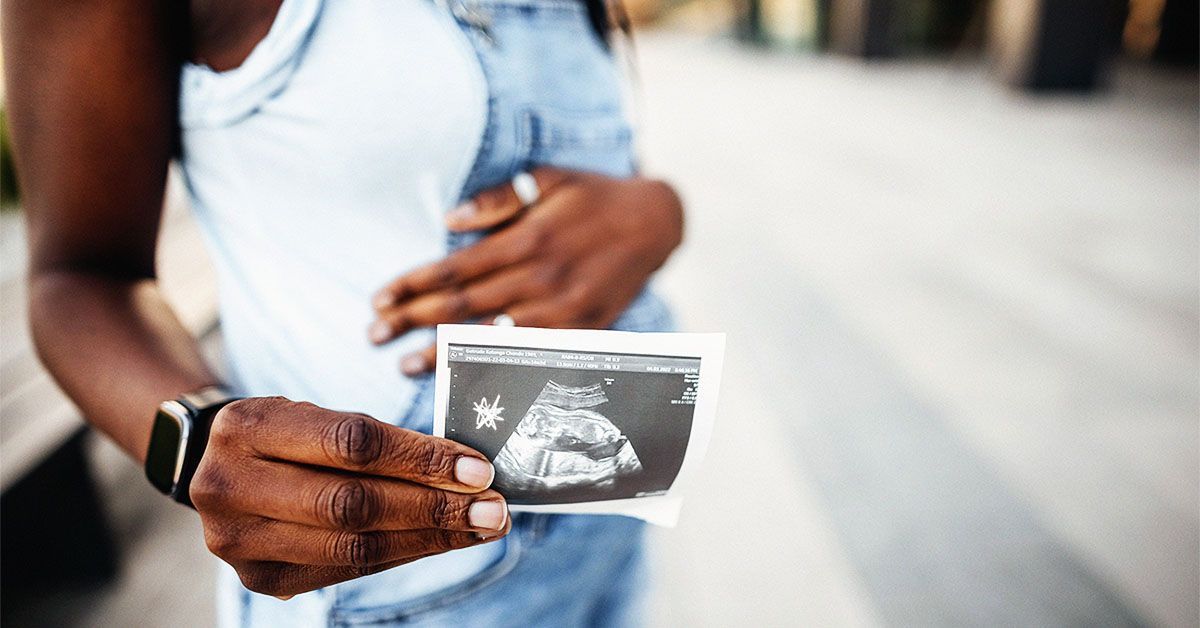
An ectopic pregnancy and an abortion can occur close together in time, which makes it easy to assume that one caused the other. In most cases, however, the timeline is misleading. A safely completed, uncomplicated abortion is not considered a proven direct cause of a future ectopic pregnancy.
The important exception involves complications that can damage the fallopian tubes, particularly an untreated pelvic infection. There is also another crucial distinction: abortion pills do not cause an existing ectopic pregnancy, but they cannot treat one either. Because the symptoms can overlap, timely follow-up sometimes matters more than any home detective work.
What is an ectopic pregnancy?
In a typical pregnancy, a fertilized egg travels through a fallopian tube and implants in the lining of the uterus. An ectopic pregnancy implants somewhere outside that cavity. More than 90% occur in a fallopian tube, although implantation can occasionally occur in the cervix, ovary, abdominal cavity, or a previous cesarean scar.
An ectopic pregnancy cannot develop into a healthy birth. As the pregnancy grows, it may stretch and rupture the tissue around it. A ruptured fallopian tube can cause severe internal bleeding and become life-threatening. This is why clinicians treat suspected ectopic pregnancy as a diagnosis that should never be left sitting in the waiting room indefinitely.
Can abortion cause ectopic pregnancy directly?
There is no firm evidence that a properly performed, uncomplicated abortion directly makes a later fertilized egg implant outside the uterus. Major clinical resources do not generally list a previous abortion by itself among the established ectopic pregnancy risk factors.
Medication abortion acts on an existing intrauterine pregnancy. Mifepristone blocks progesterone, while misoprostol causes the uterus to contract and empty. Neither medicine redirects a future fertilized egg into a fallopian tube. Similarly, uterine aspiration removes pregnancy tissue from inside the uterus; it does not ordinarily alter the fallopian tubes.
Why research findings sometimes appear conflicting
Research on previous abortion and later ectopic pregnancy has not been perfectly uniform. Several earlier reviews found no meaningful association. A 2024 systematic review of observational studies reported an association in some pooled analyses, but the authors advised caution. Results differed by study design and region, and the subgroup covering the Americas did not show a statistically significant association.
Observational studies also have difficulty separating abortion history from factors such as prior sexually transmitted infections, pelvic inflammatory disease, smoking, access to medical care, older abortion techniques, and incomplete medical records. An association in a data set does not automatically prove that abortion caused the outcome. Biology, unfortunately, does not always arrive with tidy labels and a color-coded spreadsheet.
The indirect connection: untreated infection
The most medically plausible link is an upper reproductive tract infection. If an infection spreads to the uterus or fallopian tubes and remains untreated, it can develop into pelvic inflammatory disease, or PID. Inflammation and scar tissue may narrow a tube or interfere with its ability to move a fertilized egg toward the uterus, increasing the risk of future ectopic implantation.
Infection can follow pregnancy, childbirth, miscarriage, or a uterine procedure, not just abortion. Fortunately, serious infection after modern abortion care is rare. Screening, sterile techniques, preventive antibiotics for procedural abortion, prompt treatment of sexually transmitted infections, and clear aftercare instructions have reduced this risk substantially.
Can an ectopic pregnancy already exist before an abortion?
Yes. Occasionally, someone seeking an abortion already has an ectopic pregnancy that has not yet been diagnosed. The ectopic pregnancy came first; the abortion treatment did not create it.
FDA-approved mifepristone is intended to end an intrauterine pregnancy. Mifepristone and misoprostol do not reliably treat pregnancy tissue growing in a fallopian tube. Uterine aspiration also cannot remove a pregnancy located outside the uterus.
This does not mean every person needs an ultrasound before medication abortion. For people with reliable dates, no concerning symptoms, and no major ectopic risk factors, clinicians may safely use an evidence-based screening and follow-up protocol without routine imaging. Ultrasound, quantitative pregnancy-hormone testing, or an in-person examination may be recommended when symptoms or medical history raise concern.
What is a pregnancy of unknown location?
A pregnancy of unknown location, commonly shortened to PUL, means a pregnancy test is positive but an ultrasound does not yet show a pregnancy inside or outside the uterus. Sometimes the pregnancy is simply too early to see. It could also represent an early pregnancy loss or an ectopic pregnancy.
Selected low-risk patients with an undesired PUL may begin abortion care under medical supervision, but they need a definite follow-up plan. Clinicians may compare quantitative human chorionic gonadotropin, or hCG, levels over time or repeat an ultrasound to confirm that the pregnancy has resolved. Follow-up is the seat belt here, not optional decorative stitching.
Established ectopic pregnancy risk factors
An ectopic pregnancy can happen without any identifiable risk factor. Nevertheless, the likelihood is higher with certain medical and reproductive histories:
- A previous ectopic pregnancy
- Pelvic inflammatory disease or previous chlamydia or gonorrhea infection
- Scarring, blockage, or structural abnormalities of a fallopian tube
- Previous fallopian-tube surgery or tubal sterilization
- Pregnancy resulting from in vitro fertilization or another fertility treatment
- Cigarette smoking before pregnancy
- Endometriosis or other conditions that may affect the fallopian tubes
- Pregnancy occurring while an intrauterine device is still in place
An IUD greatly lowers the overall chance of becoming pregnant, including the absolute chance of an ectopic pregnancy. If pregnancy does occur with an IUD in place, however, clinicians must promptly determine its location because a larger proportion of those uncommon pregnancies may be ectopic. A similar principle applies to pregnancy after tubal sterilization.
Ectopic pregnancy symptoms after abortion pills
Cramping and vaginal bleeding are expected after misoprostol, so symptoms alone can be confusing. Pain that improves as the pregnancy passes is different from persistent, worsening, or strongly one-sided pain. Still, no comparison chart can diagnose an ectopic pregnancy at home.
| Often expected after medication abortion | Needs prompt or emergency assessment |
|---|---|
| Strong cramping that later improves | Severe, persistent, or increasingly one-sided pelvic pain |
| Bleeding and passing clots | Fainting, marked weakness, confusion, or extreme dizziness |
| Nausea, chills, or diarrhea around misoprostol use | Shoulder-tip pain, especially with abdominal pain or dizziness |
| Bleeding that gradually becomes lighter | Severe pain with little or no bleeding after treatment |
| Pregnancy symptoms that begin fading | Persistent pregnancy symptoms or a positive follow-up test when resolution has not been confirmed |
Bleeding does not prove that an ectopic pregnancy has resolved. The uterine lining can shed even while pregnancy tissue remains in a fallopian tube. Conversely, a home pregnancy test may remain positive for several weeks after a successful abortion because hCG takes time to leave the body. The result must be interpreted according to the provider’s testing schedule.
Emergency warning signs
Call 911 or go to an emergency department immediately for severe abdominal or pelvic pain with bleeding, fainting, extreme lightheadedness, pale or clammy skin, confusion, difficulty standing, or shoulder-tip pain. These symptoms may indicate internal bleeding from a ruptured ectopic pregnancy.
Contact an abortion provider or other clinician promptly for worsening pain, no meaningful bleeding after using misoprostol, pregnancy symptoms that are not fading, fever of 100.4°F or higher that persists more than 24 hours after misoprostol, or bleeding heavy enough to soak two full-size pads per hour for two consecutive hours. Follow the specific instructions supplied by the treating provider.
How doctors diagnose an ectopic pregnancy
Diagnosis often combines symptoms, medical history, a pelvic examination, transvaginal ultrasound, and serial quantitative hCG tests. One hCG result is usually a snapshot rather than the whole movie. Repeating the test helps clinicians determine whether the hormone level is rising or falling in an expected pattern.
An ultrasound may show a pregnancy inside the uterus, identify a suspicious mass near a fallopian tube, or reveal internal bleeding. Very early in pregnancy, nothing may be visible yet. In that situation, repeat testing is usually safer than declaring victoryor disastertoo soon.
After uterine aspiration, clinicians may examine the removed tissue for evidence of an intrauterine pregnancy. If expected tissue is not identified or hCG does not decline appropriately, additional evaluation is needed to exclude an ongoing or ectopic pregnancy.
How ectopic pregnancy is treated
Treatment depends on symptoms, pregnancy size and location, hCG level, ultrasound findings, and whether internal bleeding is present.
Expectant management
In carefully selected, stable patients whose hCG is already low and declining, a clinician may recommend close observation. This requires dependable follow-up until testing confirms that the pregnancy has fully resolved.
Methotrexate
Methotrexate stops rapidly dividing pregnancy cells from growing. It may treat an unruptured ectopic pregnancy when the patient is medically stable and meets specific clinical criteria. Follow-up blood tests are essential because treatment is not considered complete until hCG falls appropriately.
Surgery
Surgery is necessary when a fallopian tube has ruptured, internal bleeding is suspected, the patient is unstable, or medication is inappropriate or unsuccessful. Depending on the circumstances, a surgeon may remove the ectopic tissue while preserving the tube or remove the affected tube.
Will abortion affect future fertility?
Most people can become pregnant again after an uncomplicated abortion, and fertility may return quicklysometimes before the next menstrual period. A past abortion does not automatically make a later pregnancy high-risk and does not mean an ectopic pregnancy is waiting around the corner with a tiny suitcase.
Future fertility may be affected if a rare complication causes significant uterine injury or if an untreated infection damages the fallopian tubes. Seeking care for fever, worsening pain, unusual discharge, or persistent heavy bleeding helps reduce that possibility.
After a previous ectopic pregnancy, a healthy future pregnancy is still possible, even with one fallopian tube. Early contact with an OB-GYN or other pregnancy-care professional is recommended in the next pregnancy. Serial hCG testing and an early ultrasound may be used to confirm that the pregnancy is developing inside the uterus.
Ways to reduce ectopic pregnancy risk
Not every ectopic pregnancy is preventable, but several practical steps may protect tubal health:
- Use condoms or other barriers to reduce exposure to sexually transmitted infections.
- Get recommended screening for chlamydia and gonorrhea and complete treatment promptly.
- Seek care for pelvic pain, fever, unusual discharge, or pain during sex.
- Do not smoke, and ask for help quitting if needed.
- Tell the abortion provider about previous ectopic pregnancy, tubal surgery, PID, fertility treatment, or an IUD.
- Complete follow-up testing whenever the pregnancy location was uncertain.
- Arrange early evaluation after a new positive pregnancy test if there is a history of ectopic pregnancy.
Frequently asked questions
Can abortion pills move a pregnancy into a fallopian tube?
No. Implantation occurs before abortion medication is taken. The pills do not move pregnancy tissue from the uterus into a tube.
Can misoprostol end an ectopic pregnancy?
Misoprostol causes uterine contractions but does not reliably treat pregnancy tissue outside the uterus. A diagnosed ectopic pregnancy requires expectant management, methotrexate, surgery, or another clinician-directed approach.
Does bleeding after abortion pills rule out ectopic pregnancy?
No. Bleeding may occur even with an ectopic pregnancy. Persistent symptoms, risk factors, or an abnormal follow-up test require medical assessment.
Do I always need an ultrasound before medication abortion?
Not always. Evidence-based care may use medical history and symptom screening for low-risk patients. Ultrasound or hCG testing becomes more important when pregnancy dates are uncertain, symptoms are concerning, or ectopic risk factors are present.
Can an ectopic pregnancy be transferred into the uterus?
No currently available medical procedure can relocate an implanted ectopic pregnancy into the uterus. Treatment focuses on protecting the pregnant person from rupture and internal bleeding.
The bottom line
A modern, uncomplicated abortion is not established as a direct cause of ectopic pregnancy. The main potential indirect pathway is fallopian-tube damage from an untreated infection, a complication that is uncommon with appropriate care. The more immediate concern is that an ectopic pregnancy may already exist but remain undetected when abortion care begins.
Anyone with worsening one-sided pain, shoulder pain, fainting, severe dizziness, or other signs of internal bleeding should seek emergency help. When a pregnancy has not been located on ultrasound, completing the recommended hCG or imaging follow-up is essential. A little follow-up can prevent a very large emergency.
Experiences related to abortion and ectopic pregnancy
Note: The following are fictional composite experiences created from common clinical situations. They are not individual patient testimonials and should not be used to diagnose symptoms.
Experience 1: When expected cramps stopped feeling expected
Jordan used abortion medication during an early pregnancy after completing a telehealth screening. She had no history of ectopic pregnancy, tubal surgery, or pelvic infection. Several hours after misoprostol, she developed strong cramps and bleeding, both of which gradually eased. The next morning, however, a sharp pain settled on the right side of her pelvis and kept intensifying.
Jordan initially wondered whether she was simply having a rougher recovery than expected. Then she became dizzy while walking to the bathroom. Remembering the emergency instructions, she did not wait for a scheduled follow-up or try to settle the question with another home pregnancy test. A friend took her to the emergency department.
Testing showed an ectopic pregnancy in her right fallopian tube. The abortion pills had not caused it; the pregnancy had implanted there before she took them. Because it was detected before rupture and Jordan was stable, her medical team could discuss treatment options instead of rushing immediately into emergency surgery. Her experience illustrates why bleeding after misoprostol cannot, by itself, confirm that a pregnancy was inside the uterus.
Experience 2: A past abortion was not the actual risk factor
Several years after a procedural abortion, Maya became pregnant and wanted to continue the pregnancy. When she developed light spotting and mild pelvic discomfort, she worried that the previous abortion had damaged her fertility or caused an ectopic pregnancy.
Her clinician reviewed the full history rather than focusing on one emotionally memorable event. Maya had experienced untreated chlamydia before her abortion and later had symptoms consistent with PID. That infection historynot the uncomplicated abortion itselfwas the more relevant ectopic risk factor because it could have affected her fallopian tubes.
Serial hCG measurements and an early ultrasound ultimately confirmed a pregnancy inside the uterus. The experience did not erase Maya’s anxiety, but it replaced a simple blame narrative with a more accurate understanding. A previous abortion is easy to point to because it is a clear event on the calendar. Tubal infection can be quieter, less visible, and medically more important.
Experience 3: The ultrasound was inconclusive, not necessarily alarming
Alex sought abortion care shortly after a positive pregnancy test. A transvaginal ultrasound did not show a gestational sac, either inside the uterus or elsewhere. The phrase “pregnancy of unknown location” sounded ominous, but the clinician explained that it often means the pregnancy is simply too early to visualize.
Because Alex had no pain and no major ectopic risk factors, immediate treatment was offered with a structured follow-up plan. A baseline quantitative hCG level was obtained, followed by another test after treatment. The hormone level declined by the expected amount, confirming pregnancy resolution without signs of an ectopic pregnancy.
The hardest part for Alex was not the physical recovery; it was resisting the urge to interpret every cramp as proof of an emergency. Written instructions helped separate symptoms that could be monitored from symptoms requiring immediate care. The follow-up blood test provided the answer that symptom-checking could not.
What these experiences have in common
These scenarios highlight three practical lessons. First, an ectopic pregnancy present during abortion care was already ectopic before treatment. Second, a person’s complete historyincluding infections, tubal procedures, previous ectopic pregnancy, smoking, and fertility treatmentis more useful than focusing on abortion history alone. Third, pregnancy-location uncertainty is managed through planned follow-up, not guesswork.
People can experience fear, grief, relief, frustration, or several emotions at once while dealing with abortion or ectopic pregnancy. Those responses are personal, and none of them changes the medical facts. Clear instructions, respectful care, and rapid access to emergency services make the process safer and a little less lonely.












