
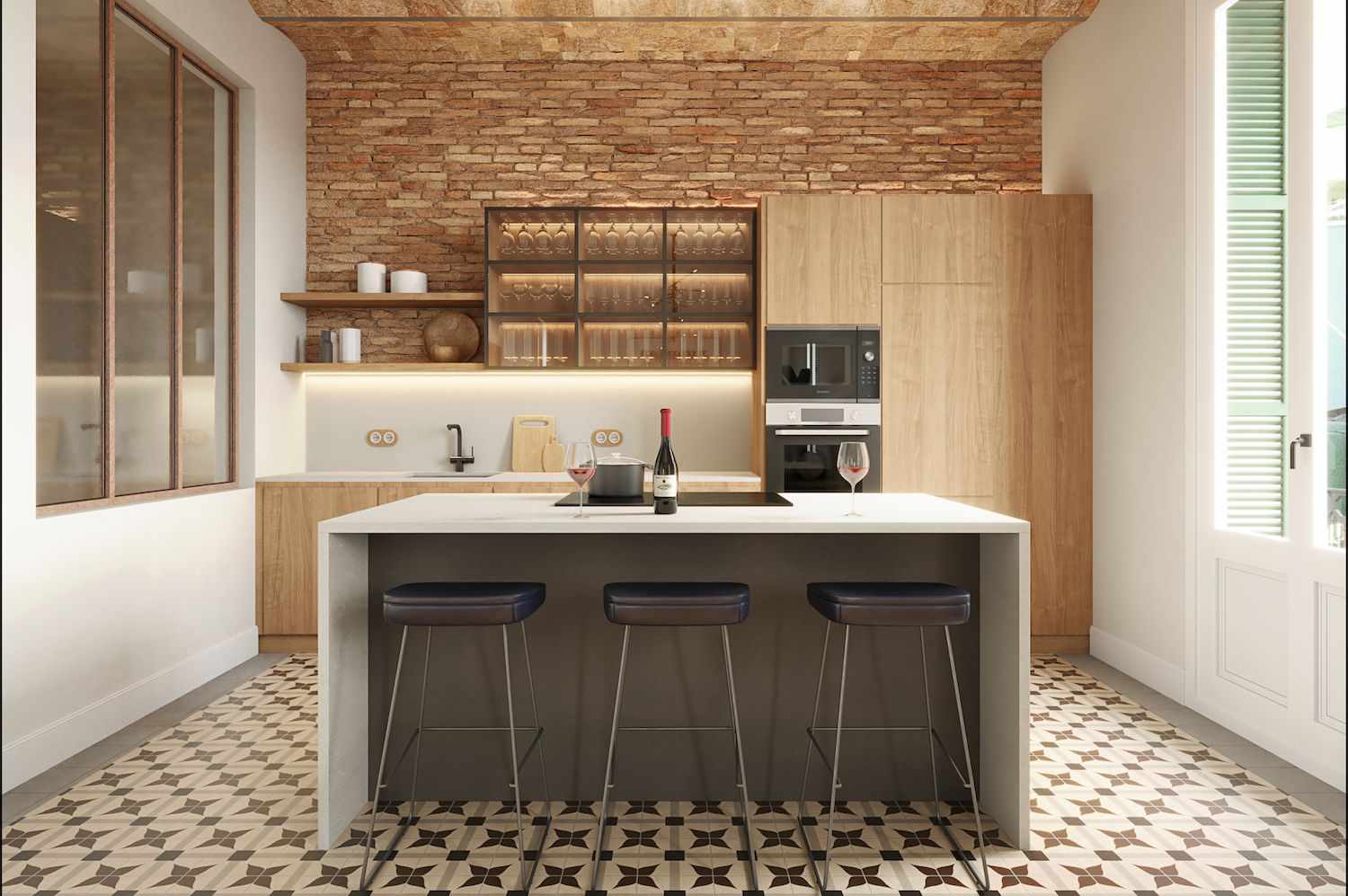
The kitchen floor has one job title and about twelve actual jobs. It needs to survive spills, crumbs, chair scraping, pet zoomies, dropped utensils, and the occasional “I can totally carry all these groceries in one trip” disaster. At the same time, it has to look good enough to anchor the entire room. No pressure.
If you are planning a remodel or simply daydreaming your way through design inspiration, the right kitchen flooring can make the room feel warmer, brighter, larger, calmer, or more dramatic. It can also make your daily routine easier. The best kitchen floor ideas balance style with real-life performance: water resistance, durability, comfort underfoot, traction, and easy cleaning.
Today’s best options range from hardworking porcelain tile and luxury vinyl plank to softer eco-friendly picks like cork and linoleum, plus statement-makers like terrazzo, brick, and checkerboard layouts. The trick is not choosing the trendiest floor on the internet for five minutes. The trick is choosing a floor you will still like when spaghetti sauce hits it on a Tuesday.
Below, you will find 31 kitchen floor ideas that are both stylish and functional, along with practical guidance on where each one shines. Whether your kitchen leans farmhouse, modern, classic, coastal, or somewhere between “minimalist” and “my air fryer lives on the counter now,” there is an option here with your name on it.
What Makes a Great Kitchen Floor?
Before falling in love with a color or pattern, think about performance. Kitchens are high-traffic, high-moisture spaces, so the best flooring usually checks a few key boxes: it resists water, stands up to wear, cleans up easily, and feels comfortable enough for long cooking sessions. Slip resistance matters too, especially if you have kids, older adults, or a household where water somehow reaches every possible surface.
Style still matters, of course. Light floors can make a small kitchen feel bigger. Warm wood tones can soften a sleek space. Large-format tile can reduce grout lines and make a room feel more open. Patterned floors can bring personality when cabinets and walls are intentionally simple. In other words, function picks the category, and style fine-tunes the fun part.
31 Kitchen Floor Ideas That Work as Hard as They Look Good
1. Large-Format Porcelain Tile
If you want a classic kitchen flooring choice that rarely lets you down, start here. Large-format porcelain tile is durable, moisture-friendly, and easy to wipe clean. Fewer grout lines also mean a cleaner visual look and less “why is this tiny groove suddenly the dirtiest place in the house?” energy.
2. Classic Ceramic Tile
Ceramic tile is a reliable favorite for a reason. It is usually more budget-friendly than porcelain, comes in endless colors and shapes, and works beautifully in traditional kitchens. Choose a matte or textured finish for better traction.
3. Wood-Look Porcelain Plank Tile
Love the warmth of hardwood but not the maintenance worries? Wood-look porcelain gives you that cozy, natural appearance with better water resistance and easier care. It is a smart compromise for busy households that want the look of oak without the panic of puddles.
4. Stone-Look Porcelain in a Matte Finish
This style delivers the elegance of slate or limestone without as much upkeep. Matte stone-look porcelain feels grounded, timeless, and practical. It works especially well in transitional and modern rustic kitchens.
5. Black-and-White Checkerboard Floors
Checkerboard flooring is having a well-deserved comeback. It feels vintage and fresh at the same time, and it can swing traditional, retro, or modern depending on the materials you use. Ceramic, porcelain, linoleum, and vinyl can all pull off this look beautifully.
6. Soft Beige Checkerboard
If black-and-white feels a little too diner-meets-drama for your taste, go softer. Beige and cream checkerboard floors add movement and personality without shouting across the room. They are perfect for kitchens that want pattern with a calmer mood.
7. Hexagon Tile Flooring
Hex tile adds geometry without going overboard. Small hexagons feel charming and old-school, while larger hexagons look crisp and contemporary. This is a great option if you want something more interesting than squares but less flashy than a bold pattern.
8. Penny Tile for Vintage Character
Penny tile brings texture, detail, and a classic look that suits cottage, historic, and eclectic kitchens. It is not the lowest-maintenance choice because of all the grout, but the visual payoff can be worth it if you love old-house charm.
9. Herringbone Brick Tile
For a kitchen that feels warm and collected, brick flooring laid in herringbone has serious personality. It adds history, texture, and a cozy farmhouse vibe. Brick also hides a surprising amount of everyday dust, which is an underrated gift.
10. Real Brick Pavers
If you want authentic rustic appeal, brick pavers are hard to beat. They are durable and full of character, though they do require sealing and a little more care than smoother surfaces. In the right kitchen, they look lived-in in the best possible way.
11. Marble-Look Porcelain
This is how you get a luxe look without signing up for constant worry. Marble-look porcelain offers the elegance of veining and high-end style, but with a more forgiving surface than real marble. Great for classic white kitchens or glamorous modern spaces.
12. Terrazzo Flooring
Terrazzo is playful, graphic, and surprisingly durable. It can be colorful and bold or soft and subtle depending on the chip pattern. If your kitchen needs one unforgettable design move, terrazzo is ready for its close-up.
13. Patterned Encaustic-Look Porcelain Tile
Want personality underfoot? Patterned tile can become the star of the kitchen, especially when paired with simple cabinetry. Porcelain versions are often easier to maintain than true cement encaustic tile, making them a smart shortcut to high style.
14. Tile “Rug” Layout With a Border
A border detail can make a kitchen floor feel custom and intentional. This approach works especially well in large kitchens or open layouts where you want to define the cooking zone. It is basically a rug, minus the crumbs hiding in fabric.
15. Warm Oak Luxury Vinyl Plank
Luxury vinyl plank, often called LVP, has become a go-to for kitchens because it is durable, easy to maintain, and available in convincing wood looks. Warm oak tones feel current, welcoming, and less stark than cool gray floors.
16. Stone-Look Luxury Vinyl Tile
If you like the appearance of slate or concrete but want something softer underfoot, stone-look luxury vinyl tile is a strong contender. It offers visual texture with less hardness and often a friendlier installation cost.
17. Rigid-Core Waterproof Plank
For households with kids, pets, and nonstop kitchen traffic, rigid-core flooring deserves attention. It is built to handle messes better than many traditional options, and it works well when you want a wood-inspired look with added resilience.
18. Sheet Vinyl With a Retro Pattern
Sheet vinyl does not always get glamorous press, but it can be practical and stylish, especially in vintage-inspired kitchens. Newer designs offer better prints and a cleaner finish than the old stereotype suggests. It is also a smart pick when you want fewer seams.
19. Engineered White Oak
Engineered wood is often a better kitchen option than solid hardwood because it handles moisture changes more gracefully. White oak remains a favorite because it feels timeless, warm, and versatile. It plays nicely with everything from shaker cabinets to sleek slab fronts.
20. Wide-Plank Engineered Wood
Wide planks make a kitchen feel open and relaxed. They show off wood grain beautifully and bring a more modern, airy look than narrow strips. Choose a durable finish and wipe up spills quickly to keep the floor looking its best.
21. Herringbone Engineered Wood
If you want a wood floor that feels custom and elevated, herringbone is a standout. It adds movement and old-world polish without needing a bold color palette. The pattern does the decorating for you.
22. Distressed Wood Flooring
In a farmhouse or cottage kitchen, slightly distressed wood can be a practical style choice because it hides daily wear better than a perfectly polished surface. It feels relaxed, not precious, which is exactly the mood many family kitchens need.
23. Cork Tile Flooring
Cork is one of the most comfortable kitchen flooring ideas around. It is softer underfoot, naturally warm, and quieter than hard tile. If you spend a lot of time cooking, baking, or standing at the counter, cork can feel like a mercy mission for your feet.
24. Modern Linoleum
Linoleum has quietly re-earned its reputation. Today’s versions come in sophisticated colors and clean patterns, and many homeowners love it for its softer feel and eco-friendly appeal. It is practical, but it no longer looks like it is stuck in a school hallway from 1978.
25. Bamboo Flooring
Bamboo can be a smart choice if you want a clean-lined, natural look with an eco-conscious angle. It is best in kitchens where spills are handled quickly and the household is reasonably disciplined. In return, you get a sleek, contemporary floor with warmth.
26. Sealed Concrete
Concrete flooring is bold, modern, and wonderfully low-fuss once properly sealed. It works especially well in industrial, minimalist, and contemporary homes. If the surface feels too hard or cold, balance it with runners, mats, and lots of wood accents.
27. Natural Slate Tile
Slate brings rich texture and earthy depth to a kitchen. It is excellent for homes that want a natural, slightly rugged look. The variation in tone helps disguise crumbs and dust, which is not exactly romantic but is extremely useful.
28. Travertine-Look Tile
Real travertine can be beautiful, but a travertine-look porcelain tile is often easier to live with in a hardworking kitchen. You get the warmth and old-world softness of natural stone without as many maintenance demands.
29. Light Sandy Floors for Small Kitchens
If your kitchen is compact, light flooring can visually open it up. Sandy beige, pale oak, creamy stone, and soft greige tones reflect more light and make the room feel broader. This is less about one material and more about using color strategically.
30. Dark Low-Gloss Floors for Drama
Dark floors create contrast and sophistication, especially in kitchens with light cabinets. The key is choosing a low-gloss finish so every speck of dust does not announce itself like a tiny stage actor. Moody can be gorgeous, but manageable moody is better.
31. Mixed Flooring in Open-Concept Kitchens
In open layouts, using one floor in the kitchen and another in the adjoining living area can define zones without walls. Think tile in the kitchen transitioning to wood nearby, or concrete paired with oak. Done well, it looks intentional and highly functional.
How to Narrow Down Your Favorite Kitchen Floor Ideas
If your heart says marble but your household says muddy dog, believe the household. The best kitchen floor is not always the fanciest one. It is the one that fits your budget, your cleaning habits, your comfort needs, and your tolerance for maintenance. For most busy homes, porcelain tile and luxury vinyl remain popular because they balance durability, style, and practicality. For homeowners who prioritize warmth and character, engineered wood, cork, and linoleum can be excellent choices. For bold design lovers, terrazzo, checkerboard, and patterned tile offer personality in a big way.
Also think about what is happening around the floor. Cabinet color, natural light, grout color, wall paint, and adjacent flooring all affect the final result. A beautiful floor does not work alone; it works as part of the room’s entire visual rhythm.
Real-World Experiences: What People Learn After Living With Kitchen Floors
One of the most interesting things about kitchen flooring is how often people choose with their eyes first and their feet second. Then real life moves in. Suddenly, the question is not just, “Does this floor look amazing with my cabinets?” It becomes, “Does it still look amazing after pancake batter, a rolling chair, and an 80-pound dog?” That is where real-world experience becomes incredibly useful.
Homeowners who choose porcelain tile often say the same thing: it is a workhorse. It handles water, traffic, and messes with very little drama. The trade-off is that it can feel hard underfoot, especially during long cooking sessions. Many solve that by placing cushioned mats near the sink or stove. In other words, the floor stays practical, and your knees stop filing complaints.
People who install luxury vinyl plank usually love how easy it is to live with day to day. It tends to be quieter than tile, softer to stand on, and forgiving in busy family kitchens. Many are surprised by how realistic the wood looks have become. The main lesson here is that not all vinyl is equal. Better-quality products usually feel sturdier, wear better, and look less “printed.” Cheap versions can fool exactly no one, including your guests.
Engineered wood owners often talk about atmosphere. Wood floors make a kitchen feel connected to the rest of the home, especially in open-concept spaces. They photograph beautifully, age gracefully, and warm up a room instantly. But they do ask for cooperation: wipe spills quickly, protect high-use areas, and accept that a little wear is part of the charm. This is not a sterile showroom material; it is a living-room personality brought into the kitchen.
Cork fans tend to become cork evangelists. They love the softness, the quiet, and the warmer feel underfoot. This matters more than many people expect, especially for anyone who cooks often or spends long stretches meal prepping. The common takeaway is that comfort counts. A floor can be technically “good,” but if it makes the kitchen feel physically tiring, that matters.
Patterned floors, checkerboard layouts, and terrazzo usually get the strongest emotional reactions. People either adore them forever or realize they should have tested the idea on a smaller scale. The lesson is simple: bold floors are wonderful when you truly love the look, not when you are borrowing someone else’s trend. A statement floor should feel like your kitchen’s personality, not a costume it has to wear every day.
Perhaps the biggest shared experience is this: the best kitchen floors are the ones that support real life while still making the room feel special. Stylish and functional is not a compromise. It is the goal. When you get the balance right, the floor does more than cover the room. It quietly improves how the kitchen looks, feels, and works every single day.
Conclusion
The best kitchen floor ideas do not force you to choose between beauty and practicality. Whether you love the timeless reliability of porcelain tile, the comfort of cork, the warmth of engineered wood, or the easygoing appeal of luxury vinyl, there is a flooring option that can match both your style and your daily routine. Start with how you live, then choose the finish, color, and pattern that brings the room to life. A great kitchen floor should look good on reveal day, sure, but it should look just as smart after years of cooking, cleaning, gathering, and living. That is when design has really done its job.












