
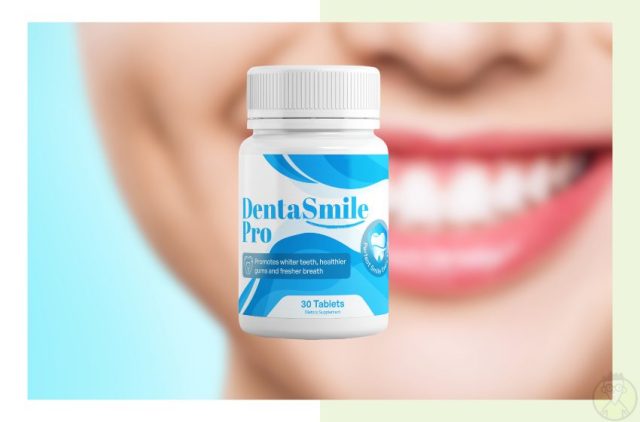
DentaSmile Pro arrived in the crowded oral wellness market with an attractive promise: support stronger teeth, healthier gums, fresher breath, and a more balanced oral environment by taking a daily supplement. That sounds much easier than flossing around a stubborn molar at 11:47 p.m., but convenience and clinical effectiveness are not automatically the same thing.
This DentaSmile Pro review examines what the product is marketed to do, what its reported ingredients may contribute, where the scientific evidence becomes uncertain, and how it should fit into a realistic dental care routine. The goal is not to crown it the miracle of modern molars or throw it dramatically into the nearest trash can. The goal is to evaluate it like an informed consumer.
DentaSmile Pro Review: The Quick Verdict
DentaSmile Pro may be a convenient optional supplement for adults who understand its limitations and have reviewed its ingredients with a dentist, physician, or pharmacist. Its general focus on the oral microbiome, plant extracts, prebiotic compounds, and nutritional support is scientifically interesting. However, interesting ingredients do not prove that the finished product can rebuild enamel, reverse advanced gum disease, eliminate cavities, or replace professional care.
The strongest conclusion is simple: DentaSmile Pro may complement a good oral hygiene routine, but it should never become the routine. A capsule cannot physically remove plaque between teeth, scrape hardened tartar from beneath the gumline, repair a broken filling, or negotiate with an angry wisdom tooth.
Potential advantages
- Simple daily format for people who already use supplements
- May include plant extracts, minerals, prebiotics, or microbiome-supporting ingredients
- Could encourage users to pay closer attention to their oral health
- May offer modest support for breath or gum comfort in some individuals
Important disadvantages
- Limited product-specific clinical evidence is publicly available
- Ingredient descriptions and dosage formats vary across online listings
- Marketing language may be stronger than the supporting research
- Botanical ingredients can cause side effects or interact with medications
- It cannot substitute for fluoride, plaque removal, cleanings, or dental treatment
What Is DentaSmile Pro?
DentaSmile Pro is promoted as an oral health supplement for adults seeking stronger teeth, firmer gums, fresh breath, and improved oral bacterial balance. Depending on the seller, it may be described as a capsule, tablet, chewable product, dental support formula, or advanced oral probiotic supplement.
That variation matters. Several listings use the DentaSmile Pro name while describing different bottle counts, manufacturers, serving directions, and ingredient combinations. Consumers should not assume that every online listing represents the same formula. Before ordering, examine the complete label, manufacturer identity, lot information, allergen statement, return policy, and independent testing documentation.
Claims commonly associated with the product
Promotional descriptions commonly say the supplement supports tooth strength, gum tissue, fresh breath, antioxidant protection, jaw health, and a balanced oral microbiome. These are structure-and-function claims rather than proof that the product prevents or cures dental disease.
The distinction may sound like regulatory alphabet soup, but it is important. Dietary supplements sold in the United States are not approved by the Food and Drug Administration for safety and effectiveness before reaching the market. A facility being FDA-registered also does not mean that the agency has approved the finished product or verified its benefits.
DentaSmile Pro Ingredients: What Might Be Inside?
Online product descriptions have associated DentaSmile Pro with ingredients such as berberine, inulin, green tea extract, cinnamon, calcium compounds, chromium, iodine, chlorophyll-related compounds, and assorted botanical extracts. Some listings also describe the formula as probiotic or microbiome-supporting.
Because these descriptions are inconsistent, this review does not treat any single online list as universal. The physical bottle’s Supplement Facts panel should always be the deciding source. A glossy sales page is not a legally binding friendship bracelet.
Probiotics and oral bacteria
Oral probiotics are being studied for their ability to influence bacterial communities associated with bad breath, cavities, and gum inflammation. Some clinical reviews report encouraging results, particularly for selected strains used alongside conventional periodontal care.
However, probiotic benefits are strain-specific. Evidence for one precisely identified microorganism cannot automatically be applied to every bacterial blend with the word “probiotic” printed on the front. The number of organisms, their viability, storage conditions, delivery method, treatment duration, and ability to remain active in the mouth all influence the result.
Inulin and prebiotic support
Inulin is a fermentable prebiotic fiber used to support beneficial microorganisms in the digestive system. In theory, prebiotics may also help create conditions favorable to selected microbes. That does not establish that swallowed inulin directly removes dental plaque or treats gum disease.
Inulin can also cause gas, bloating, or abdominal discomfort, especially in people sensitive to fermentable carbohydrates. A dental supplement that leaves your gums calm but your stomach performing experimental jazz is not necessarily a perfect trade.
Berberine and botanical extracts
Berberine is a plant-derived compound studied for antimicrobial, metabolic, and anti-inflammatory effects. Laboratory findings have generated interest in its possible influence on bacteria and inflammation, but laboratory activity is not the same as proven clinical improvement from a finished oral supplement.
Berberine may affect blood glucose and interact with medications. People taking diabetes drugs, anticoagulants, blood pressure medicine, immunosuppressants, or other prescriptions should consult a qualified healthcare professional before using a product that contains it. Pregnant or breastfeeding individuals should be especially cautious.
Green tea, cinnamon, and antioxidants
Green tea compounds and cinnamon have been studied for antioxidant or antimicrobial activity. These ingredients may contribute to a broad wellness formula, but they should not be presented as cavity fillings in botanical disguise. Effective doses, delivery methods, and direct contact with oral tissues all matter.
Calcium and other minerals
Calcium is necessary for bones and teeth, especially during development, and adequate nutrition helps maintain the structures supporting the mouth. However, swallowing additional calcium does not automatically coat adult teeth or rebuild enamel. Supplementation is most useful when it addresses an actual nutritional need rather than a clever headline.
Can DentaSmile Pro Really Strengthen Teeth?
To answer this fairly, “stronger teeth” must be defined. Tooth enamel is the hard outer surface that protects the crown of each tooth. It can lose minerals during repeated acid attacks caused by oral bacteria, frequent sugar consumption, acidic beverages, dry mouth, or reflux.
Early enamel demineralization may sometimes be slowed or partially reversed through remineralization. Fluoride toothpaste, fluoride treatments, saliva, calcium and phosphate in the oral environment, and reduced acid exposure all play important roles. Once decay develops into a physical cavity, however, a supplement cannot close the hole. A dentist must evaluate and restore the damaged area when necessary.
Therefore, DentaSmile Pro should not be expected to replace fluoride toothpaste or professional treatment. At most, its nutritional or microbiome-related ingredients may provide indirect support. Claims that it can regenerate missing enamel, repair cracked teeth, or permanently eliminate cavities should be viewed with skepticism.
Can DentaSmile Pro Improve Gum Health?
Healthy gums are generally firm, comfortable, and free from persistent bleeding. Gingivitis develops when plaque accumulates along the gumline and triggers inflammation. Common warning signs include redness, swelling, tenderness, bleeding during brushing, and ongoing bad breath.
Early gingivitis can often improve when plaque is removed consistently through brushing, cleaning between teeth, and professional dental care. Hardened tartar cannot be brushed away at home. It needs to be removed by a dentist or dental hygienist.
More advanced periodontitis involves damage to the tissues and bone supporting the teeth. It may cause gum recession, deep periodontal pockets, changes in the bite, loose teeth, or tooth loss. No over-the-counter supplement can reverse that damage by itself.
A person with mild gum irritation might notice improvement while using DentaSmile Pro, but the reason may include improved brushing, better hydration, less sugar, a recent cleaning, or natural fluctuation. Without controlled clinical testing, it is difficult to separate the product’s effect from the rest of the routine.
How We Evaluated DentaSmile Pro Reviews in 2025
Ingredient transparency
A trustworthy supplement should provide a readable label with exact ingredient quantities, serving instructions, manufacturer contact information, allergen details, and lot identification. Proprietary blends that hide individual doses make meaningful evaluation harder.
Clinical evidence
The most persuasive evidence would be a peer-reviewed, randomized, placebo-controlled trial testing the finished DentaSmile Pro formula on clearly defined oral health outcomes. Ingredient studies can provide background, but they do not confirm that the complete product works as advertised.
Manufacturing quality
Good Manufacturing Practice claims are useful but should be verifiable. Independent certification from a recognized third party can help confirm identity, purity, and label accuracy. Certification still does not prove that a supplement produces its advertised health benefit.
Safety and medication interactions
Long botanical ingredient lists deserve morenot lessattention. “Natural” describes where something came from, not whether it is harmless. Poison ivy is natural, too, and nobody is sprinkling it into a wellness smoothie.
Value for money
The product’s value depends on transparent ingredients, realistic expectations, tolerability, and the user’s existing dental routine. Someone skipping cleanings to afford supplements is investing in the wrong end of the toothbrush.
How to Use an Oral Health Supplement Safely
- Read the complete label. Confirm the actual ingredients and amounts instead of relying on an advertisement or third-party review.
- Follow the labeled serving size. Taking extra capsules does not accelerate tooth repair and may increase side effects.
- Discuss interactions. Ask a physician or pharmacist about ingredients such as berberine, chromium, iodine, or concentrated botanical extracts.
- Do not apply capsules directly to the gums. Unless the label specifically describes an oral-dissolving format, use the product only as directed.
- Track symptoms. Stop using it and seek advice if you experience a rash, swelling, persistent diarrhea, dizziness, abnormal bleeding, or other concerning symptoms.
- Keep dental appointments. A supplement should not delay evaluation of pain, swelling, bleeding, loose teeth, or a possible infection.
Who should seek professional guidance first?
Speak with a healthcare professional before use if you are pregnant, breastfeeding, immunocompromised, preparing for surgery, managing diabetes, taking several medications, or receiving treatment for kidney, liver, thyroid, or cardiovascular disease. Children should not use an adult dental supplement unless a pediatric healthcare professional recommends it.
The Evidence-Based Routine for Stronger Teeth and Healthier Gums
Even the most promising supplement works best as a minor supporting actor. The starring roles still belong to fluoride, plaque removal, saliva, a sensible diet, and professional dental care.
Brush twice daily with fluoride toothpaste
Brush for approximately two minutes using a soft-bristled manual or electric toothbrush. Aim the bristles gently toward the gumline and clean the outer, inner, and chewing surfaces. Aggressive scrubbing can irritate the gums and contribute to recession.
Clean between the teeth every day
Floss, interdental brushes, or a water flosser can reach areas that an ordinary toothbrush misses. Choose the method you can perform consistently and correctly. The world’s most advanced floss is useless while aging gracefully in a bathroom drawer.
Reduce the frequency of sugar and acid exposure
Oral bacteria convert fermentable carbohydrates into acids that attack enamel. Frequent sipping and snacking may keep the mouth acidic for long periods. Reserve sweets for mealtimes when possible, drink water afterward, and avoid slowly nursing soda or sweetened coffee throughout the day.
Support saliva
Saliva washes away food particles, buffers acids, and supplies minerals involved in remineralization. Stay hydrated and discuss persistent dry mouth with a dentist or physician. Sugar-free gum may stimulate saliva in appropriate users.
Avoid tobacco
Smoking and other tobacco use raise the risk of gum disease and can make warning signs less obvious. Quitting is one of the most powerful steps for improving oral and overall health.
Schedule personalized dental care
The ideal examination and cleaning schedule depends on cavity risk, gum health, age, medications, smoking, diabetes, previous dental work, and other factors. Some people need more frequent periodontal maintenance than others.
Who Might Consider DentaSmile Pro?
A cautious trial may be reasonable for an adult who already brushes with fluoride toothpaste, cleans between the teeth, attends dental appointments, has checked the label for interactions, and wants an optional addition to a complete oral wellness routine.
It may also appeal to someone interested in emerging oral microbiome research, provided the product clearly identifies probiotic strains and storage requirements. The user should understand that possible microbiome support is not the same as guaranteed protection from cavities or gum disease.
Who should probably skip it?
Skip or postpone the product if the label is incomplete, ingredient amounts are hidden, the seller makes disease-cure claims, independent quality information is unavailable, or the formula conflicts with your medical treatment. It is also a poor choice for anyone hoping to avoid a necessary filling, root canal, periodontal procedure, or dental examination.
DentaSmile Pro Experiences: What Realistic Use May Look Like
The following examples are educational composite scenarios, not verified DentaSmile Pro customer testimonials. They illustrate why personal experiences with dental supplements can be difficult to interpret.
Experience 1: The person who changed everything at once
Imagine Jordan, a busy office worker who notices occasional morning breath and bleeding near two back teeth. Jordan orders DentaSmile Pro, replaces an old toothbrush, begins brushing for a full two minutes, starts using interdental brushes, drinks more water, and stops sipping sweetened iced coffee all afternoon.
Three weeks later, the bleeding is less noticeable and morning breath has improved. Jordan writes an enthusiastic review crediting the supplement. That improvement may be genuine, but the capsule was only one of several simultaneous changes. Better plaque removal, reduced sugar frequency, and improved hydration are well-established explanations. Without changing one variable at a time, Jordan cannot know how much DentaSmile Pro contributed.
Experience 2: The person who waits too long
Maria has bleeding gums, persistent bad breath, and a tooth that feels slightly mobile. She begins taking a dental supplement because she hopes it will “tighten” the gums. After a month, the breath is temporarily better on some days, but the tooth still moves.
A dental examination reveals tartar below the gumline and periodontitis requiring professional treatment. The supplement did not cause the condition, but relying on it delayed care. Maria’s experience demonstrates why loose teeth, gum recession, pus, swelling, or ongoing bleeding should never be managed through online products alone.
Experience 3: The person with medication-related dry mouth
Kevin brushes regularly but struggles with dry mouth after starting a prescription medication. He experiences unpleasant breath and becomes more vulnerable to decay because saliva flow has decreased. DentaSmile Pro sounds appealing, so he adds it to his routine.
Kevin notices little change until his dentist identifies dry mouth as the main issue. With guidance from his healthcare team, he increases water intake, uses appropriate saliva-supporting products, chews sugar-free gum, receives fluoride recommendations, and adjusts his recall schedule. His mouth improves because the underlying problem was addressed directly.
A practical 30-day self-evaluation
Anyone trying DentaSmile Pro should avoid judging it by vague impressions alone. Begin with a dental evaluation when symptoms are present. Record baseline concerns such as gum bleeding frequency, breath changes, digestive symptoms, sensitivity, and adherence to brushing and interdental cleaning.
Keep the rest of the routine stable during the observation period unless a dentist recommends changes. Take the labeled dose, record missed servings, and note possible side effects. Do not use phone photographs as a substitute for professional gum measurements, but consistent images may help document visible redness or swelling.
At the end of the trial, ask practical questions. Did bleeding decrease consistently or only occasionally? Did breath improve throughout the day or briefly after taking the product? Were there digestive side effects? Was the expense worthwhile? Most importantly, did a dental professional observe a meaningful improvement?
This approach will not transform a personal experiment into a clinical trial, but it can reduce the temptation to credit every good day to a capsule and every bad day to Mercury being in retrograde.
Frequently Asked Questions
Is DentaSmile Pro approved by the FDA?
Dietary supplements are not approved by the FDA for safety and effectiveness before marketing. Claims that a product is manufactured in an FDA-registered facility should not be interpreted as approval of the product itself.
Does DentaSmile Pro cure gum disease?
No reliable evidence establishes it as a cure for gingivitis or periodontitis. Gingivitis requires effective plaque control, while periodontitis may require deep cleaning, medication, surgery, or ongoing periodontal maintenance.
Can it rebuild tooth enamel?
It should not be expected to regrow lost enamel or repair a cavity. Fluoride and saliva can support remineralization during the earliest stages of mineral loss, but established structural damage needs dental evaluation.
How quickly should results appear?
There is no clinically established DentaSmile Pro timeline. Marketing testimonials describing rapid improvements should not be treated as guaranteed outcomes.
Are there possible side effects?
Possible effects depend on the actual formula. Probiotics and prebiotic fibers may cause digestive discomfort, while botanical compounds may interact with medications or affect blood glucose, blood pressure, or other body systems.
Where should DentaSmile Pro be purchased?
Use a seller that provides a complete label, clear manufacturer information, secure payment options, a written return policy, and verifiable contact details. Avoid listings that hide ingredients or promise to cure serious dental conditions.
Final DentaSmile Pro Review
DentaSmile Pro sits in an interesting but still developing category. Oral microbiome research, probiotics, prebiotics, and plant-derived compounds may eventually produce useful additions to preventive dentistry. At present, however, the evidence supporting general oral probiotic concepts is stronger than the evidence establishing this particular finished supplement as a proven solution.
The product may be worth considering as an optional adjunct when the formula is transparent, interactions have been reviewed, and expectations remain realistic. It should not be described as a replacement for fluoride toothpaste, interdental cleaning, a healthy diet, saliva management, dental examinations, or periodontal therapy.
The best guide to stronger teeth and healthier gums remains wonderfully unglamorous: remove plaque every day, use fluoride, reduce frequent sugar exposure, avoid tobacco, protect saliva, and see a dental professional when symptoms appear. DentaSmile Pro may sit beside that routine, but it should never sit in its chair.












