
A female cat in heat can turn a peaceful home into a tiny feline opera house. One minute, she is lounging in a sunbeam like a fuzzy potato. The next, she is yowlingture, and trying to negotiate an outdoor adventure through a window screen.
It can be stressful for both of you, especially if this is your cat’s first heat cycle. The good news is that heat is a normal reproductive stage for an unspayed female cat. The less-good news is that she may behave as though she has been cast in a dramatic reality show called Find Me a Boyfriend Immediately.
This guide explains how to deal with a female cat in heat safely and calmly. You will learn how to recognize the signs, reduce escape risks, make her more comfortable, manage unwanted behaviors, and decide when it is time to call your veterinarian.
What Does It Mean When a Female Cat Is in Heat?
A cat in heat is an unspayed female cat experiencing estrus, the fertile part of her reproductive cycle. During this period, hormones encourage her to seek a mate. Unlike dogs, cats usually do not have obvious bleeding during heat. Instead, the signs are mostly behavioral, which is why many owners initially think their cat has suddenly become very affectionate, very noisy, or slightly possessed.
Many cats experience their first heat cycle between about four and six months of age, though timing can vary. A heat cycle often lasts several days to around a week, and it may repeat every few weeks if the cat is not spayed and does not become pregnant.
Common Signs Your Female Cat Is in Heat
Before you start searching “why is my cat screaming at 3 a.m.,” look for a combination of these common signs:
- Persistent yowling, meowing, crying, or calling sounds
- Rolling on the floor more than usual
- Rubbing against furniture, walls, people, and anything that will hold still
- Extra affection, clinginess, or demand for attention
- Restlessness, pacing, and difficulty settling down
- Raising the hindquarters and moving the tail to one side when touched
- Treading or paddling with the back legs
- Urine marking or spraying outside the litter box
- Attempts to bolt through doors, windows, or screens
- A reduced appetite in some cats
Heat behavior can look dramatic, but it should not make your cat appear seriously ill. If she seems weak, painful, feverish, lethargic, is vomiting repeatedly, has bloody or foul-smelling discharge, or suddenly stops eating, contact a veterinarian promptly.
How to Deal With a Female Cat in Heat: 10 Steps
1. Keep Her Strictly Indoors
The most important step when dealing with a female cat in heat is simple: keep her safely inside. Cats in heat can become surprisingly determined escape artists. A cat that normally ignores the front door may suddenly develop the tactical planning skills of a movie spy.
Keep windows closed or securely screened, double-check doors before opening them, and remind everyone in the household to watch for a fast-moving furry blur near exits. Do not allow her into an outdoor catio unless it is fully enclosed and secure from visiting male cats.
Even a short outdoor escape can lead to mating and pregnancy. Intact male cats may detect a female in heat from a surprising distance, so avoid assuming that your quiet neighborhood is free of romantic visitors.
2. Create a Calm, Comfortable Indoor Space
Hormonal behavior can make your cat restless, so give her a quiet place where she can decompress. Set up a soft bed, blanket, water bowl, litter box, and favorite toys in a low-traffic room or peaceful corner of the house.
Keep the room comfortably warm, but not hot. Some cats enjoy curling up on a warm blanket or pet-safe heated bed, while others prefer a cool tile floor. Let her choose. A cat in heat is already managing enough drama without being forced into a spa package she did not request.
Reduce sudden noise, loud music, vacuuming, and chaotic activity when possible. A calmer environment may not stop the heat cycle, but it can reduce stress and help her settle between vocal performances.
3. Block Outdoor Triggers When You Can
Outdoor scents, neighborhood cats, and visual activity can make a cat in heat even more restless. Close curtains or blinds near windows where she watches roaming cats. If outdoor male cats gather near your home, avoid leaving food outside and clean any areas where cats may have sprayed.
You do not need to turn your home into a bunker. The goal is simply to reduce the constant reminders that there may be potential mates outside. Think of it as muting the dating app notifications.
4. Give Her Gentle Attention, but Let Her Set the Rules
Many female cats in heat become extremely affectionate. She may rub against your legs, head-butt your hand, flop beside you, and request affection with the confidence of a cat who pays the mortgage.
Offer gentle petting, calm talking, and quiet companionship if she enjoys it. Focus on head scratches, cheek rubs, and light strokes along the shoulders. Avoid repeatedly petting her lower back or hindquarters if that seems to trigger stronger mating behavior or makes her more agitated.
Do not force cuddles. Some cats want nonstop affection during heat, while others become sensitive or irritated. Watch her body language. If her ears flatten, tail flicks sharply, or she walks away, respect the boundary.
5. Use Play to Burn Off Some Restless Energy
Interactive play will not end a cat’s heat cycle, but it can provide a healthy distraction. Use wand toys, feather teasers, toy mice, crinkle balls, or food puzzles to encourage stalking, chasing, and pouncing.
Short play sessions several times a day can work better than one exhausting marathon. Try five to ten minutes in the morning, afternoon, and evening. Finish with a small meal or treat so she can follow her natural hunt-eat-rest pattern.
Choose play that does not overstimulate her. A frenzied laser-pointer session may leave some cats more wound up than before. A slow wand toy moving behind a chair or blanket often feels more satisfying because she gets to “catch” something.
6. Keep Her Litter Box Extra Clean
Some female cats urinate more frequently or spray urine during heat. This is a communication behavior, not a personal insult against your favorite rug. She is using scent to announce her availability to male cats.
Scoop litter boxes at least once or twice daily, and provide enough boxes for your household. A general rule is one litter box per cat, plus one extra. Place boxes in quiet, easy-to-reach locations.
If your cat marks outside the box, clean the area with an enzyme-based pet odor cleaner. Avoid ammonia-based cleaners because their odor can resemble urine and may encourage repeat marking. Do not punish her for accidents or spraying. Punishment increases stress and can make litter box problems worse.
7. Consider a Cat-Calming Routine
Routine can be soothing when your cat is hormonally restless. Feed meals at consistent times, keep the household schedule predictable, and offer familiar resting spaces. Some owners also use feline pheromone diffusers or sprays designed to support calm behavior in cats.
A pheromone product is not a magic mute button for yowling, but it may help some cats feel more settled in a stressful period. Place any diffuser in a room where she spends time, following the manufacturer’s safety instructions.
Do not use essential oils, scented candles, strong incense, or random “natural calming” products around cats. Many essential oils and herbal products can be unsafe for cats, especially if inhaled, absorbed, or ingested. When in doubt, ask your veterinarian before using any supplement or calming product.
8. Do Not Try DIY Heat “Cures”
When sleep is scarce and the yowling reaches stadium volume, you may find some strange online suggestions. Ignore methods that involve cotton swabs, physical stimulation, human medications, hormone products, sedatives, or allowing an unneutered male cat to mate with her just to stop the behavior.
These approaches can cause injury, infection, accidental pregnancy, dangerous side effects, or more serious health problems. There is no safe at-home trick that reliably stops a cat’s heat cycle.
Never give your cat over-the-counter pain relievers, sleep aids, anti-anxiety medications, or hormone medication unless a veterinarian specifically prescribes them. Human medicines can be highly toxic to cats, even in very small amounts.
9. Know When to Call the Veterinarian
A normal heat cycle can be loud and inconvenient, but it should not make your cat look seriously sick. Call your veterinarian if you notice:
- Bleeding, pus, or foul-smelling vaginal discharge
- Lethargy, weakness, fever, or hiding more than usual
- Vomiting, diarrhea, or major appetite loss
- Signs of pain, including crying when touched or difficulty walking
- Excessive thirst, unusual urination, or a swollen abdomen
- Heat-like behavior that seems continuous for several weeks
- Heat behavior in a cat believed to have already been spayed
Some medical conditions can mimic or complicate heat behavior. A veterinarian can check for reproductive problems, urinary issues, hormonal conditions, or ovarian tissue remaining after a previous spay procedure.
10. Schedule Spaying for a Long-Term Solution
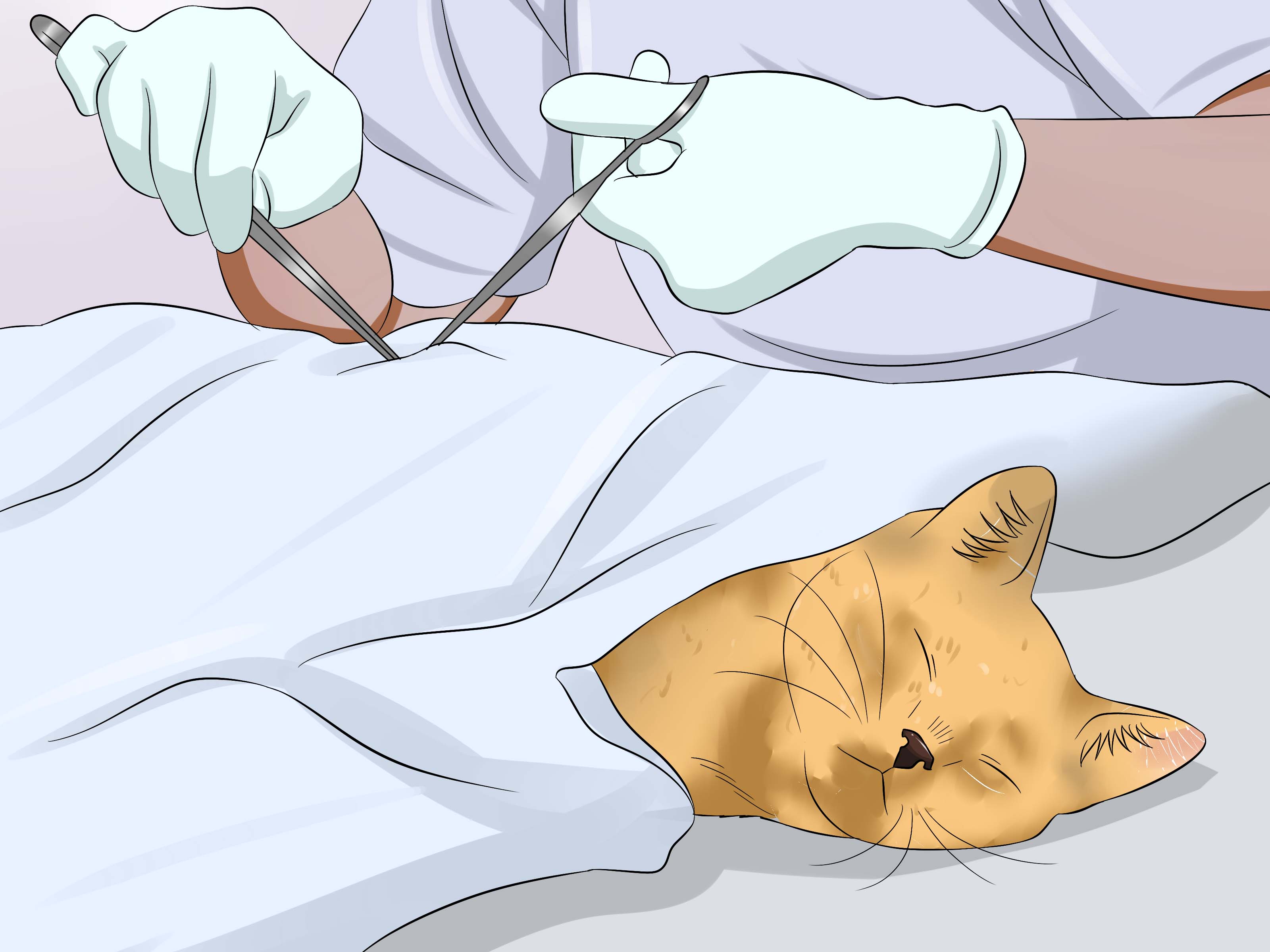
Spaying is the most reliable way to prevent future heat cycles, accidental pregnancy, and many hormone-related behaviors. It also eliminates the risk of uterine infection and can reduce the risk of mammary tumors, especially when performed before repeated heat cycles.
Some veterinary clinics will spay a cat while she is in heat, while others may prefer to wait until the cycle ends. During heat, reproductive tissues can have increased blood flow, which may make surgery somewhat more technically complicated. Your veterinarian can advise you on the safest timing for your cat.
When you call, mention that she is currently in heat. Ask whether the clinic performs spays during estrus, whether there is an added fee, and what pre-surgery instructions apply. If cost is a concern, contact local shelters, humane organizations, rescue groups, and low-cost spay-neuter clinics.
How Long Does a Cat Stay in Heat?
A cat’s heat cycle often lasts several days to about a week, although every cat is different. If she does not mate or become pregnant, she may go into heat again within a few weeks. Indoor lighting, age, season, and individual hormone patterns can all affect how often cycles occur.
This is why waiting for a “perfectly convenient” time to arrange a spay appointment can become frustrating. Just when you think the opera season has ended, your cat may announce an encore.
Can You Comfort a Cat in Heat at Night?
Nighttime is often the toughest part for owners because cats naturally tend to be more active during dawn and dusk hours. To make evenings easier, schedule a play session before bed, offer a small meal afterward, scoop the litter box, and settle her in a comfortable room with water and a familiar bed.
White noise or gentle background sound may help mask outdoor cat noises for some households. Keep doors and windows secure, especially if nighttime yowling makes her more determined to escape. Earplugs for humans are not a failure. They are simply a peace treaty.
What Not to Do With a Female Cat in Heat
It is just as important to know what to avoid. Do not punish your cat for yowling, spraying, rubbing, or trying to escape. These are instinctive hormone-driven behaviors, not acts of rebellion.
Do not let her roam outside “just for a minute.” Do not assume she cannot become pregnant because she is young, small, indoors most of the time, or only outside under supervision. Do not use a diaper to manage heat unless your veterinarian recommends it for a separate medical reason.
Most importantly, do not treat a heat cycle as an excuse to skip veterinary care. If something looks unusual, feels different from previous cycles, or worries you, a quick call to the clinic is always better than guesswork.
Real-Life Experience: Living With a Cat in Heat Without Losing Your Mind
Anyone who has lived with a female cat in heat remembers the first time. You may wake up convinced that a baby is crying outside, a haunted violin is trapped in the walls, or your cat has enrolled in an experimental opera program. Then you find her rolling across the floor with her tail angled to one side, looking at you as though you personally caused this entire situation.
The first lesson many cat owners learn is that heat behavior is not always subtle. A normally quiet cat may suddenly yowl with the confidence of a performer who knows the neighbors need to hear the chorus too. A shy cat may become velcro-like, following you from room to room and demanding affection whenever you sit down. Another cat may become restless, pacing along windows and checking every doorway as though she has an important appointment outside.
One of the most useful real-world strategies is creating a routine before the day gets chaotic. Start with a clean litter box, fresh water, and a safe room where your cat can relax. Then add several short play sessions instead of trying to distract her for an hour straight. A few minutes of wand-toy chasing in the morning, a puzzle feeder in the afternoon, and a gentle play session before bed can make the day feel more manageable.
Owners often discover that not every comfort method works for every cat. Some cats settle when wrapped loosely in a soft blanket beside their person. Others become annoyed by extra handling and prefer to sit alone on a chair near a warm window. The trick is not to force a solution. Offer choices and pay attention to what helps her relax for even a few minutes.
Another common experience is discovering just how quickly a cat can attempt an escape. A cat that has ignored an open doorway for years may suddenly become an Olympic sprinter when she is in heat. Many owners start using a “door check” habit: look down, scan behind you, open the door only a crack, and make sure the cat is not waiting for her big break.
It also helps to talk honestly with everyone in the household. Kids, visitors, roommates, and delivery workers may not realize that the cat is temporarily more likely to dash outside. A simple reminder such as “Please close the door quickly; she is in heat” can prevent a stressful chase through the neighborhood.
Urine marking can be another unpleasant surprise. It is frustrating to find a damp spot on a rug, laundry pile, or wall, but anger does not solve it. Clean the spot thoroughly with an enzyme cleaner, remove heavily scented cleaners from the area, and make the litter box as easy to use as possible. In many cases, the behavior improves once the heat cycle ends or after the cat is spayed.
Many owners also learn not to believe every viral “cat in heat remedy” online. Advice that promises to instantly stop yowling, end a heat cycle, or calm a cat with random human supplements can be risky. When exhaustion makes a strange internet trick sound tempting, it is time to call your veterinarian instead. A clinic may be able to answer practical questions, put you on a cancellation list for spay surgery, or tell you whether your cat’s symptoms sound normal.
Sleep deprivation is real, especially if your cat is most vocal at night. A practical nighttime setup can make a huge difference. Play with her before bed, provide a small meal, clean the litter box, close curtains, and make sure her favorite resting area is available. Some people sleep better with a fan or white-noise machine running quietly in the bedroom. Your cat may still announce her feelings, but you may at least avoid hearing every dramatic note in surround sound.
The biggest takeaway from experienced cat owners is that heat is temporary, but the safety precautions matter. Keep her inside, be patient, avoid unsafe home remedies, and make a spay plan when appropriate. Your cat is not trying to test your patience. Her hormones are simply running the meeting, and unfortunately, they never send an agenda.
Final Thoughts
Dealing with a female cat in heat can be noisy, messy, and exhausting, but it does not have to become overwhelming. Focus on safety first: keep her indoors, prevent contact with male cats, make her environment calm, clean up marking without punishment, and avoid risky DIY treatments.
Offer gentle comfort, structured play, clean litter boxes, and patience while the cycle passes. Then speak with your veterinarian about spaying, which is the most dependable long-term solution for preventing future heat cycles and accidental pregnancy. Until then, remember: your cat is not being difficult. She is just starring in a hormone-fueled musical that no one asked to attend.
SEO Tags
Note: This article is for general educational purposes and does not replace veterinary advice. Contact a licensed veterinarian if your cat appears ill, has unusual discharge, seems painful, or shows heat-like behavior that does not stop.












