
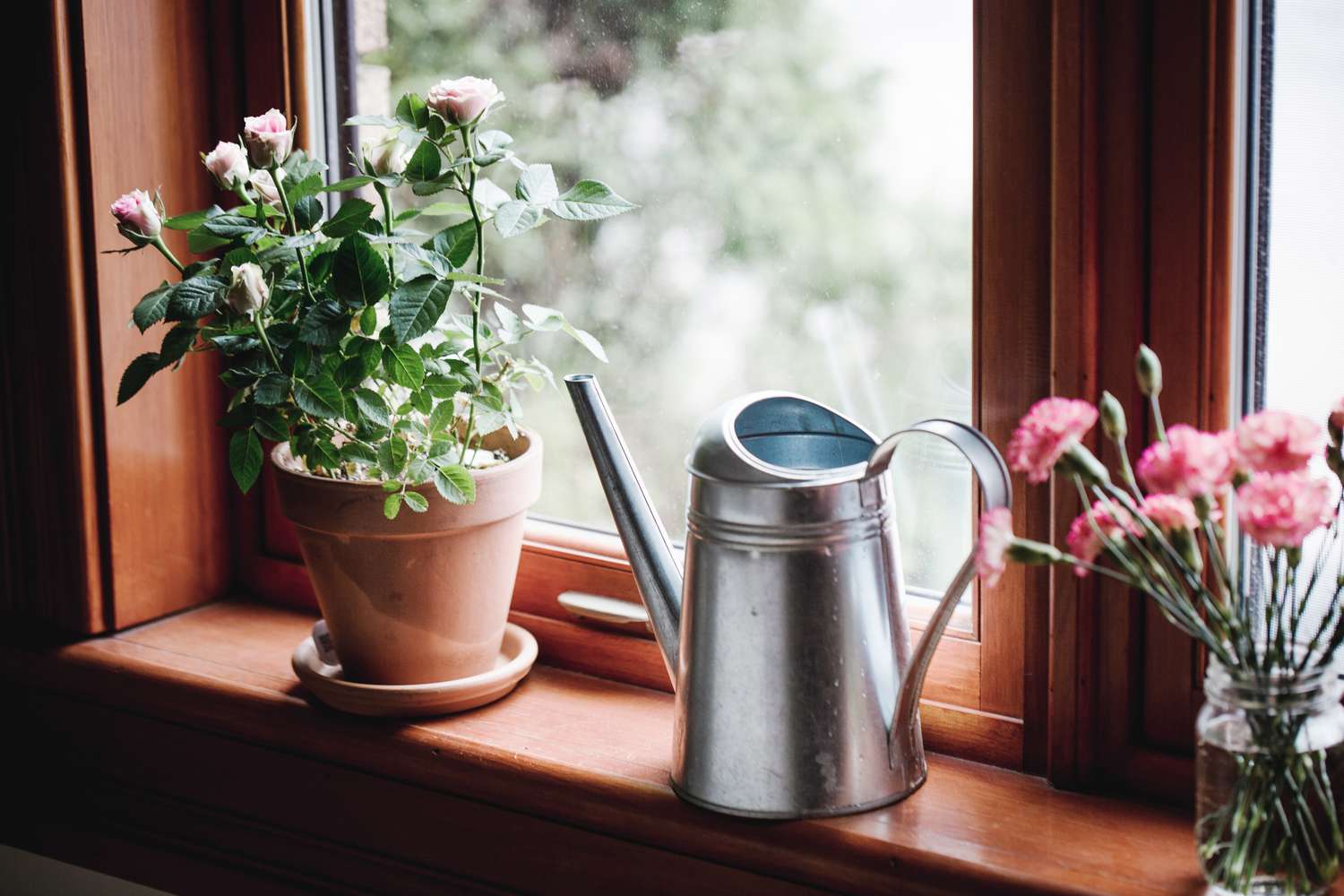
If plants could text, most of them would send the same message: “Please stop watering me at high noon like I’m training for desert survival.” Timing matters more than many gardeners realize. You can use the same hose, the same soil, and the same plants, yet get very different results depending on when you water.
So, what’s the best time of day to water your plants? For most outdoor plants, the answer is simple: early morning. Not lunchtime. Not “whenever I remember while holding iced coffee at 2 p.m.” And usually not late at night, either.
Morning watering gives roots time to soak up moisture before the day heats up, while allowing leaves to dry fast enough to reduce disease risk. It is one of those rare garden habits that is both easy and genuinely smart. In other words, it’s the broccoli of plant careannoyingly sensible, but hard to argue with.
Below, we’ll break down exactly why morning is best, when evening watering can still work, how watering needs change for lawns, containers, houseplants, and vegetable beds, and the common mistakes that quietly sabotage healthy growth.
The Short Answer: Water Plants in the Early Morning
If you want one rule you can tape to the garage wall, make it this: water plants in the early morning, ideally before the sun gets strong. In many climates, that means somewhere between dawn and mid-morning.
This timing checks nearly every box for healthy plants and efficient watering. The air is cooler, the soil is not blazing hot, wind tends to be lower, and water has a better chance of reaching the roots instead of disappearing into thin air. At the same time, any moisture that lands on leaves can dry during the day rather than lingering overnight.
That makes morning watering the sweet spot between two bad extremes: the wastefulness of midday watering and the disease-friendly dampness of late-night watering.
Why Early Morning Is the Best Time To Water Plants
1. Less water is lost to evaporation
When you water during the hottest part of the day, a noticeable amount of moisture evaporates before roots can benefit. On sunny afternoons, warm air, hot soil surfaces, and wind all work against you. It’s like trying to fill a bathtub while someone keeps pulling the drain.
Morning temperatures are cooler, so more of the water actually moves into the soil where it belongs. That means you use less water overall and get better results from each session.
2. Plants start the day hydrated
Plants lose water through transpiration as the day warms up. If they begin the morning with adequate soil moisture, they are better prepared to handle sun, heat, and dry air. Think of it as giving them a proper breakfast instead of expecting them to sprint through the day on vibes alone.
This matters especially for vegetables, flowering annuals, hydrangeas, and any plant growing in a full-sun bed. These plants often look dramatic by late afternoon, and while some recover at sunset, repeated water stress can reduce growth, flowering, and productivity.
3. Leaves dry more quickly
Water on foliage is not always a disaster, but wet leaves that sit for long periods can encourage fungal problems and other disease issues. Morning watering gives leaves time to dry as the sun rises and air circulation improves.
By contrast, watering late in the evening can leave foliage damp overnight. That is not a guaranteed ticket to plant disease, but it definitely rolls out the welcome mat.
4. Morning watering is usually more efficient
Efficient watering is not just about saving money on the water bill. It also helps prevent uneven moisture swings that stress roots. In the morning, water can soak more steadily into the root zone instead of being blown off target or flashed away by heat.
That is why experienced gardeners often pair morning watering with drip irrigation, soaker hoses, or slow base watering. The timing is good, and the delivery method is even better.
What Makes Midday Watering Less Ideal?
Midday watering is not evil. It is just inefficient.
When the sun is intense, moisture disappears faster from the soil surface. More water may be needed to achieve the same result, which is not great for conservation or convenience. Overhead watering in midday can also be less accurate because wind tends to pick up later in the day, sending water to sidewalks, fences, and every place except your plants’ roots.
There is also a common myth that watering in the sun will “burn” leaves because droplets act like magnifying glasses. In most home garden situations, that idea is overstated. The bigger issue is not scorched leaves from droplets; it is simply wasting water.
That said, if a plant is severely drooping and the soil is bone dry, don’t refuse to water just because it’s 1 p.m. A thirsty plant needs water more than it needs your commitment to perfect scheduling. In emergencies, water first and congratulate yourself later.
Is Evening Watering Ever Okay?
Yeslate afternoon or early evening is the second-best option when morning watering is not possible.
This can work well if you water early enough that leaves and soil surfaces are not staying wet all night. For example, watering at 5 p.m. on a breezy, warm day is very different from watering at 10:30 p.m. and leaving the garden damp until dawn.
Evening watering makes the most sense when:
- Your schedule does not allow morning watering.
- The weather is extremely hot and plants are under stress.
- You can water the soil directly at the base instead of soaking the foliage.
- You are using drip irrigation or a soaker hose rather than overhead sprinklers.
Still, evening is generally a backup plan, not the gold medal winner. If morning is available, take the win.
The Important Exception: Automatic Irrigation Systems
If you use a sprinkler system or automated irrigation, you may hear advice to run it overnight or just before dawn. That is not necessarily a contradiction. In landscapes with timers, the goal is often to take advantage of cooler temperatures while finishing early enough that excess moisture can soak in and leaves can dry by morning.
In practical terms, that means the system may start at night but should not keep your plants wet deep into the morning. For home gardeners watering by hand, however, the simplest and safest advice is still the same: water early in the morning.
How Watering Timing Changes by Plant Type
Vegetable gardens
Vegetables are famously opinionated about moisture. Tomatoes can split, lettuce can bolt, cucumbers can turn bitter, and leafy greens can wilt like they’ve received upsetting financial news. Morning watering helps keep soil moisture steadier and supports better growth.
For vegetable beds, aim water at the base of the plant, not the leaves. Deep, consistent watering is usually more helpful than daily surface sprinkles.
Container plants
Containers dry out much faster than in-ground beds because their soil volume is limited and the sides of the pot heat up. On hot or windy days, patio planters may need daily watering, and sometimes more than once.
Morning is still the best time, but containers are also where flexibility matters most. If a pot is dry by late afternoon and the plant is flagging, go ahead and water it. Potted plants do not care about your philosophy; they care about moisture.
Lawns
Lawns also prefer early morning watering. That timing allows water to soak into the soil while reducing evaporation and disease risk. Watering in the evening can leave grass blades wet for too long, which may encourage turf diseases in some conditions.
It is also usually better to water lawns more deeply and less often rather than giving them tiny daily drinks that barely reach the roots.
Trees and shrubs
Established trees and shrubs generally benefit from deep, infrequent watering rather than frequent shallow watering. A slow soak in the morning is ideal. Shallow sprinkles encourage shallow roots, which makes plants more vulnerable during heat and drought.
Young trees are the exception: they need closer monitoring because their root systems are still getting established.
Houseplants
Indoor plants are less affected by sun and wind than outdoor plants, but morning is still a useful habit. Watering early gives foliage time to dry and lets you notice how the plant responds during the day. It also prevents that classic nighttime panic of “Why is the pothos acting like a Victorian orphan?”
More important than the exact hour, though, is checking the soil before watering. Many houseplants suffer from overwatering, not neglect.
How To Water Properly Matters Almost as Much as When
Water the root zone, not the whole zip code
The goal is to moisten the soil where roots actually live. Spraying leaves, paths, fences, and patio chairs might feel productive, but plants are not impressed.
Use a watering wand, soaker hose, drip line, or slow hose flow directed at the base of the plant whenever possible.
Water deeply, not constantly
Frequent, light watering keeps the surface damp but often fails to encourage strong root growth. Deep watering helps roots grow downward, where moisture stays more stable. That usually leads to plants that are tougher, less needy, and less likely to faint dramatically in summer.
Check soil before watering
Do not water on autopilot. Stick a finger into the soil or use a moisture meter. If the soil is still damp a couple of inches down, many plants can wait. This is especially important for houseplants and shrubs, where overwatering can cause yellowing leaves, root problems, and that sad mushy decline no one wants to witness.
Mulch is your silent best friend
If you want to make morning watering even more effective, add mulch. A layer of organic mulch helps moderate soil temperature and slows moisture loss. In plain English, mulch helps the water you paid for stick around long enough to do its job.
Signs You’re Watering at the Wrong Timeor the Wrong Way
Sometimes timing is not the only problem. Watch for these clues:
- Leaves stay wet for hours: You may be watering too late in the day or using overhead irrigation too often.
- Soil dries out almost immediately: You may be watering during the hottest hours or not applying enough water deeply enough.
- Plants wilt despite frequent watering: You may be underwatering deeply, or overwatering and stressing the roots.
- Yellow leaves and soggy soil: That points more toward overwatering than thirst.
- Container plants crash daily: They likely need closer monitoring, larger pots, mulch, or a second watering during heat waves.
A Simple Rule You Can Actually Use
If you do not want a complicated chart, use this:
- Best: Early morning
- Second-best: Late afternoon or early evening
- Worst routine choice: Late night
- Okay in a pinch: Midday emergency watering for wilted, dry plants
And no matter what time it is, try to water the soil deeply, avoid soaking leaves when possible, and adjust for plant type, weather, and container size.
Garden Experience: What People Learn After Watering at the Wrong Time
Anyone who has kept plants alive longer than one summer usually has a “watering mistake” story. Sometimes it starts with good intentions. You come home from work, notice the tomatoes looking moody, and give the whole garden a heavy soak after dark. The next morning, everything looks fine, so you assume the timing does not matter. Then two weeks later, the lower leaves look spotted, the mulch stays damp, and your cucumbers seem personally offended. That is often when gardeners start to realize that watering is not just about how much; it is also about when.
A common experience in hot weather is assuming plants need water every single day because they look tired in the afternoon. In reality, some plants naturally wilt a bit during peak heat and recover by evening. New gardeners often see that droop, panic-water, and accidentally keep the soil too wet. The result can be slower roots, yellow leaves, and plants that somehow look both thirsty and overwatered at the same time. It is a frustrating lesson, but a valuable one.
Container gardeners learn timing even faster. A sunny porch pot can go from “lush and beautiful” to “Victorian fainting couch scene” in a matter of hours. Morning watering helps, but the real experience teaches nuance: one petunia basket may need water every morning, while a shaded fern on the other side of the porch can wait another day. The pot size, material, plant type, wind exposure, and heat all matter. After a while, gardeners stop asking for one universal schedule and start reading the soil instead.
There is also the classic lawn lesson. Plenty of people run sprinklers in the evening because that is when they are home to remember it. At first, it seems convenient. Then come the soggy spots, occasional fungus issues, and the realization that half the water is hitting pavement. Switching to early morning often makes the lawn look better with less total water, which feels a little like discovering you have been wearing your shirt backward all season.
Vegetable gardeners tell similar stories. Tomatoes watered shallowly every day may stay alive, but they often become more dependent on constant attention. By comparison, a bed watered deeply in the morning tends to hold up better during heat. Gardeners notice fewer wild swings, less stress, and more consistent growth. The plants are not magically easier, but they are less dramaticand in the garden, that counts as peace.
One of the most useful experiences people share is learning that “perfect timing” should never override common sense. If a plant is truly dry and wilting badly, it needs water when it needs water. Morning is best as a routine, not as a rigid law. Experienced gardeners become less obsessed with the clock and more attentive to conditions. They know the ideal answer, but they also know when to break the rule.
In the end, watering teaches observation. You begin by following general advice, and you get better by noticing patterns: which beds dry fastest, which pots need extra attention, which shrubs are fine with a deep soak once a week, and which houseplant throws a tiny leaf tantrum every time you forget it. That experience is what turns watering from a chore into a skill.
Conclusion
The best time of day to water your plants is usually early morning. It is the most efficient time, the healthiest choice for most plants, and the easiest way to reduce evaporation while lowering the risk of disease from damp foliage.
If morning is not possible, late afternoon or early evening is your next-best option. Avoid making late-night watering a habit, use deep watering instead of quick surface sprinkles, and always check the soil before assuming a plant is thirsty.
The real takeaway is simple: healthy watering is about timing, method, and observation working together. Water the roots, water deeply, and do it early when you can. Your plants may never send a thank-you note, but they will absolutely show the difference.












