
Note: This original article is written for clean web publishing, based on real spring minestrone techniques, seasonal vegetable guidance, and practical home-cooking experience.
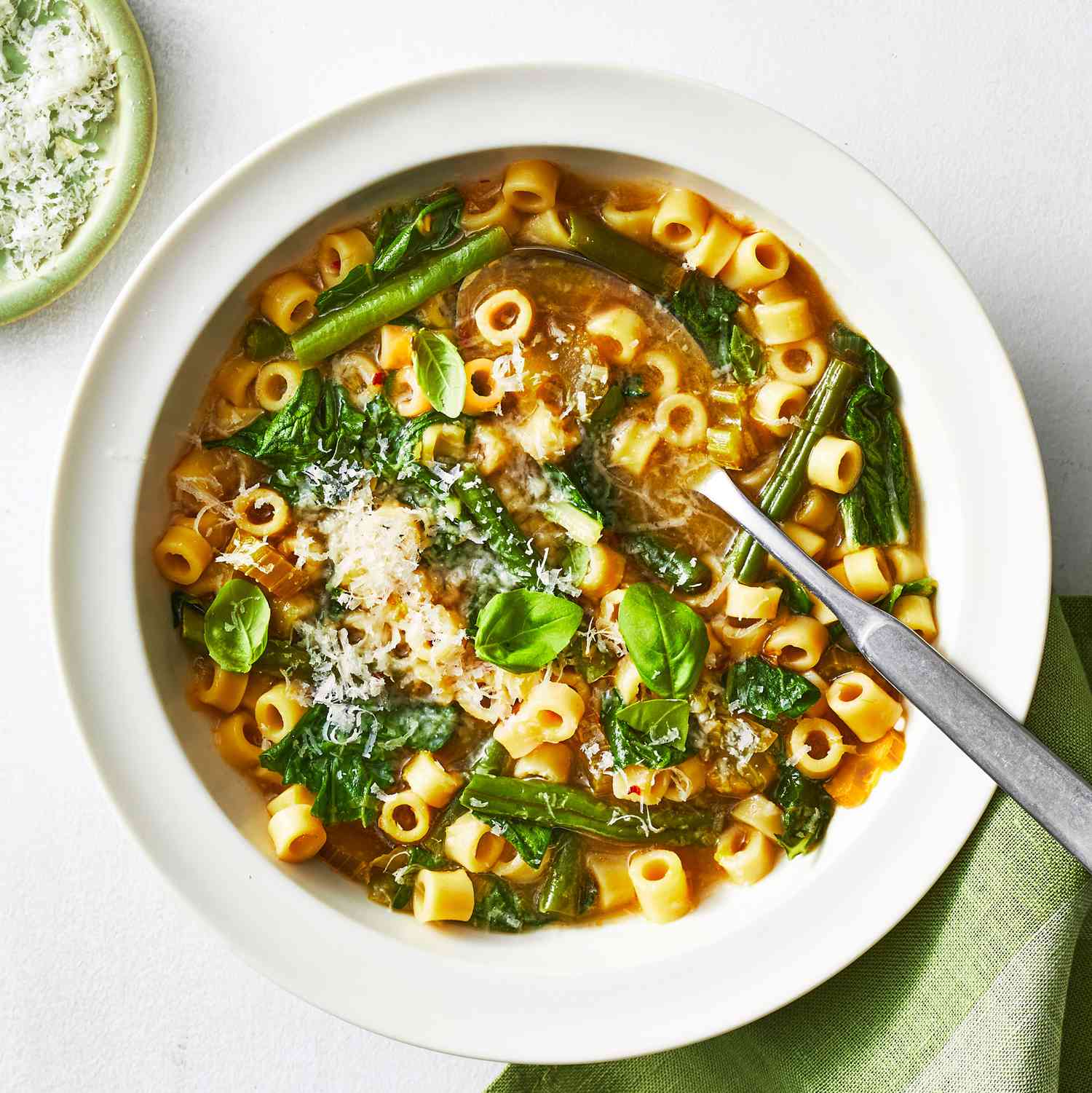
Spring minestrone is what happens when soup takes off its winter coat, opens the windows, and says, “Let’s add peas.” It has all the cozy comfort of classic minestrone soup, but instead of leaning heavily on tomatoes, potatoes, and cold-weather vegetables, this version celebrates the bright, tender ingredients of spring: asparagus, leeks, peas, zucchini, spinach, fresh herbs, white beans, and a squeeze of lemon.
The beauty of a good spring minestrone recipe is that it feels both healthy and satisfying. It is light enough for a sunny afternoon lunch, yet hearty enough to count as dinner when served with crusty bread. It is also forgiving, which is exactly the kind of recipe we need in real life. Forgot the zucchini? Add green beans. No fresh peas? Frozen peas are ready to be the hero. Out of ditalini pasta? Small shells, elbows, or even broken spaghetti will do the job without filing a complaint.
This guide walks you through a flavorful homemade spring vegetable minestrone with simple ingredients, smart cooking steps, useful substitutions, and the little details that turn a pot of vegetables into a soup people actually ask for again.
What Makes Spring Minestrone Different?
Traditional minestrone is an Italian vegetable soup known for flexibility. It often includes beans, pasta or rice, broth, herbs, and whatever vegetables are in season. A winter minestrone might feature cabbage, kale, carrots, potatoes, and a tomato-rich base. Spring minestrone, on the other hand, is lighter, greener, and fresher.
Instead of building the whole soup around canned tomatoes, spring minestrone lets the vegetables shine. Leeks add mild onion sweetness. Asparagus brings a grassy snap. Peas add natural sweetness. Spinach or baby kale wilts in at the end for color and nutrition. Lemon juice wakes everything up like a tiny edible alarm clock.
The goal is not to make a watery vegetable soup. The goal is a balanced bowl with tender vegetables, creamy beans, a savory broth, small pasta, and fresh herbs. Each spoonful should taste like spring showed up wearing a green jacket and carrying Parmesan.
Spring Minestrone Ingredients
This recipe makes about 6 servings.
Main Ingredients
- 2 tablespoons extra-virgin olive oil
- 1 large leek, white and light green parts only, sliced and rinsed well
- 2 medium carrots, diced
- 2 celery stalks, diced
- 3 garlic cloves, minced
- 1 small zucchini, diced
- 1 cup asparagus, trimmed and cut into 1-inch pieces
- 1 cup fresh or frozen peas
- 1 can cannellini beans, drained and rinsed
- 6 cups low-sodium vegetable broth or chicken broth
- 3/4 cup small pasta, such as ditalini, small shells, or elbows
- 2 cups baby spinach or chopped baby kale
- 1 teaspoon dried Italian seasoning
- 1/2 teaspoon kosher salt, plus more to taste
- 1/4 teaspoon black pepper
- 1 tablespoon fresh lemon juice
- 1 teaspoon lemon zest
- 1/4 cup chopped fresh parsley
- Optional: grated Parmesan cheese or a Parmesan rind for extra flavor
Optional Add-Ins
- Fresh basil or dill for a more aromatic finish
- Green beans, chopped into small pieces
- Small white turnips for a delicate earthy flavor
- Cooked shredded chicken for extra protein
- A spoonful of pesto stirred in before serving
- Red pepper flakes for gentle heat
How to Make Spring Minestrone Soup
Step 1: Build the Flavor Base
Heat the olive oil in a large soup pot or Dutch oven over medium heat. Add the sliced leek, carrots, and celery. Cook for 5 to 7 minutes, stirring occasionally, until the vegetables begin to soften. Do not rush this step. This is where the soup starts building its personality. If soup had a résumé, this would be the experience section.
Add the garlic and cook for 30 seconds to 1 minute, just until fragrant. Garlic burns quickly, and burned garlic can turn a cheerful spring soup into a bitter little drama. Keep it moving.
Step 2: Add Broth, Beans, and Seasoning
Stir in the cannellini beans, broth, Italian seasoning, salt, pepper, and Parmesan rind if using. Bring the soup to a gentle boil, then reduce the heat and let it simmer for about 10 minutes. This gives the beans time to soften slightly and helps the broth pick up flavor from the vegetables and seasoning.
Cannellini beans are ideal because they are creamy, mild, and sturdy enough to stay intact. Great northern beans or navy beans also work. Chickpeas can be used too, though they will give the soup a firmer texture.
Step 3: Cook the Pasta
Add the small pasta directly to the simmering soup. Cook according to the package directions, usually 7 to 10 minutes, stirring occasionally so the pasta does not settle at the bottom and decide to become one with the pot.
If you plan to store leftovers, consider cooking the pasta separately and adding it to each bowl before serving. Pasta continues absorbing broth as it sits, which means yesterday’s soup can become today’s pasta casserole if you are not careful. Delicious? Possibly. Minestrone? Emotionally complicated.
Step 4: Add Tender Spring Vegetables
When the pasta is almost tender, stir in the zucchini, asparagus, and peas. Simmer for 3 to 5 minutes, just until the vegetables are bright and crisp-tender. The key is timing. Spring vegetables cook quickly, and overcooking them steals their color, texture, and charm.
Asparagus should still have a little bite. Peas should stay sweet and green. Zucchini should be tender but not mushy. Think fresh garden energy, not cafeteria flashback.
Step 5: Finish with Greens, Lemon, and Herbs
Turn off the heat and stir in the spinach, lemon juice, lemon zest, and parsley. The residual heat will wilt the greens beautifully. Taste and adjust the seasoning with more salt, pepper, or lemon juice.
Lemon is the secret handshake in this recipe. It does not make the soup taste sour; it makes everything taste clearer. It lifts the broth, balances the beans, and brings out the sweetness of the peas and leeks.
Best Tips for a Flavorful Spring Minestrone
Use a Good Broth
Because spring minestrone has a lighter base, the broth matters. Use a vegetable broth you enjoy drinking on its own, or choose a mild chicken broth if you are not keeping the recipe vegetarian. Low-sodium broth is best because it lets you control the seasoning.
Add a Parmesan Rind
If you have a Parmesan rind, toss it into the pot while the soup simmers. It adds savory depth without making the soup heavy. Remove it before serving. This trick is simple, economical, and makes you feel like someone’s Italian grandmother is quietly nodding in approval.
Do Not Overcook the Green Vegetables
Spring vegetables are delicate. Add asparagus, peas, zucchini, and spinach near the end of cooking. This keeps the soup colorful and fresh instead of dull and soggy.
Finish with Fresh Herbs
Parsley is classic, but basil, dill, chives, or mint can also work beautifully. Add herbs at the end so their flavor stays lively. Dried herbs are useful in the simmering stage, but fresh herbs are what make the final bowl sparkle.
Easy Variations
Vegetarian Spring Minestrone
Use vegetable broth and skip the Parmesan rind, or replace it with a spoonful of nutritional yeast for a savory note. Finish with olive oil, lemon, and fresh herbs.
Vegan Spring Minestrone
This soup is easy to make vegan. Use vegetable broth, choose egg-free pasta, and leave out the cheese. A swirl of dairy-free pesto or a sprinkle of toasted breadcrumbs can add richness.
Gluten-Free Spring Minestrone
Use gluten-free small pasta or replace the pasta with cooked rice, quinoa, or diced potatoes. If using gluten-free pasta, cook it separately for the best texture.
Protein-Packed Minestrone
Add extra beans, cooked chicken, turkey meatballs, or even a poached egg on top. For a plant-based protein boost, use chickpeas or lentils along with white beans.
What to Serve with Spring Minestrone
Spring minestrone is satisfying on its own, but it loves good company. Serve it with toasted sourdough, garlic bread, focaccia, or a simple green salad. For a heartier meal, pair it with a grilled cheese sandwich, turkey panini, or roasted vegetable tart.
If you want to keep the meal light, drizzle each bowl with olive oil and add a few shavings of Parmesan. If you want comfort-food energy, serve it with warm bread and butter. There is no wrong path here, only different levels of bread commitment.
Storage and Make-Ahead Tips
Spring minestrone stores well, but the pasta can soften as it sits. For the best leftovers, store the soup and pasta separately. Refrigerate the soup in an airtight container for 3 to 4 days. Reheat gently on the stovetop over medium-low heat, adding a splash of broth or water if it has thickened.
You can also freeze spring minestrone for up to 2 to 3 months, but freeze it without the pasta and tender greens if possible. Add fresh spinach and cooked pasta after reheating for better texture. Label the container, because mystery freezer soup is only fun until you realize it is actually gravy.
Common Mistakes to Avoid
Adding Everything at Once
Different vegetables cook at different speeds. Carrots, celery, and leeks need time to soften. Asparagus, peas, zucchini, and spinach need only a few minutes. Layering the ingredients keeps the soup balanced.
Using Too Much Pasta
A little pasta goes a long way. Too much can absorb the broth and turn the soup into a thick stew. If you prefer a very brothy minestrone, reduce the pasta to 1/2 cup or cook it separately.
Forgetting the Acid
Without lemon juice, spring minestrone can taste flat. A small amount of acid at the end brightens the entire pot. You can also use a splash of white wine vinegar if you do not have lemon.
Skipping the Taste Test
Broth, beans, and cheese vary in saltiness. Always taste before serving. Add salt gradually, then finish with pepper, lemon, and herbs.
Why This Spring Minestrone Recipe Works
This recipe works because it respects the ingredients. The sturdy vegetables go in first. The beans and broth create body. The pasta makes the soup filling. The tender green vegetables are added late so they stay bright. Lemon and herbs finish the dish with freshness.
It is also flexible enough for real kitchens. You do not need perfect farmers market vegetables or a culinary degree. You need a pot, some broth, a handful of seasonal produce, and the willingness to chop a leek without treating it like a suspicious onion. Rinse leeks well, by the way. They hide dirt like they are training for a spy movie.
Personal Cooking Experiences with Spring Minestrone
The first time I made spring minestrone, I treated it like regular minestrone wearing a floral scarf. I added everything too early, simmered it too long, and ended up with a soup that tasted fine but looked like it had given up on its dreams. The peas were gray-green, the zucchini was exhausted, and the asparagus had lost the cheerful snap that makes it worth buying in the first place. It was not a disaster, but it was a lesson: spring vegetables do not want a long spa day in boiling broth.
After that, I started thinking of spring minestrone as a two-stage recipe. The first stage is comfort: leeks, carrots, celery, garlic, beans, broth, and pasta. These ingredients are sturdy. They like heat. They build the backbone of the soup. The second stage is freshness: asparagus, peas, greens, lemon, and herbs. These ingredients are more like guests arriving fashionably late. They bring color, energy, and the feeling that dinner has its life together.
One of my favorite versions happened during a week when the refrigerator looked almost empty, except for half a bunch of asparagus, a lonely zucchini, a bag of spinach, and a container of leftover cooked pasta. That combination turned into a surprisingly excellent dinner. I warmed the broth with garlic and leeks, added white beans, tossed in the vegetables at the end, and stirred the cooked pasta directly into each bowl. A little lemon zest and Parmesan made it taste intentional, which is one of the great secrets of home cooking: many “recipes” are just smart recoveries wearing nice shoes.
Another useful experience is that spring minestrone is perfect for mixed eaters. Someone wants it vegetarian? Use vegetable broth. Someone wants more protein? Add chicken or extra beans. Someone wants it spicy? Red pepper flakes are ready. Someone is suspicious of vegetables? Add a little pesto and grated cheese, and suddenly the bowl seems less like a health assignment and more like dinner.
I have also learned that the soup gets better when served with contrast. A bowl of spring minestrone with crusty bread is classic, but a crunchy side salad or toasted garlic bread makes the meal feel complete. If serving it for guests, I like setting out small toppings: Parmesan, chopped herbs, lemon wedges, olive oil, and pepper flakes. It turns a simple soup into a build-your-own bowl moment, and people love feeling like they customized dinner, even if all they did was sprinkle cheese with dramatic confidence.
The biggest practical tip from making this recipe many times is to control the pasta. If the soup will be eaten immediately, cooking pasta in the broth is convenient and flavorful. If leftovers are part of the plan, cook the pasta separately. This one decision can save tomorrow’s lunch from becoming a spoon-bending starch situation. The same goes for greens: add them fresh when reheating if possible.
Spring minestrone has become one of those recipes that feels useful beyond the ingredient list. It teaches timing, flexibility, and balance. It reminds you that healthy food does not have to taste like punishment. It proves that soup can be bright, not just cozy. And when the weather is doing its unpredictable spring routinesunny at noon, chilly by dinnerthis recipe lands perfectly in the middle. It is warm enough to comfort, fresh enough to feel seasonal, and easy enough to make on a weeknight without needing a motivational speech.
Conclusion
A great spring minestrone recipe is fresh, flexible, and full of color. With leeks, asparagus, peas, zucchini, white beans, pasta, herbs, and lemon, this soup brings together everything people love about spring cooking: lighter flavors, simple ingredients, and a bowl that feels nourishing without being boring.
Use this recipe as a guide, not a strict rulebook. Swap vegetables based on what you have, adjust the herbs to your taste, and keep the pasta separate if you want better leftovers. Whether served as a light lunch, a cozy dinner, or a make-ahead meal, spring minestrone proves that vegetable soup can be cheerful, satisfying, and worthy of a second bowl.












