
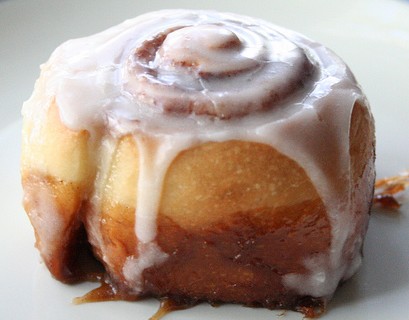
There are ordinary food moments, and then there are tiny edible miracles that make you pause mid-chew and reconsider your entire philosophy of happiness. The core of a cinnamon roll belongs firmly in the second category. It is not just the middle of a pastry. It is the soft, sticky, cinnamon-swirled bullseye of breakfast joy. It is the final boss of baked goods. It is the part you secretly planned to save from the very first bite, even if you pretended to be casual about it.
The title “#148 The core of a cinnamon roll – 1000 Awesome Things” captures a simple truth: sometimes the best things in life are not grand, expensive, or complicated. Sometimes they are warm, gooey, aggressively frosted, and hiding in the center of a spiral of dough. This article celebrates that glorious cinnamon roll center while exploring why it tastes so good, why people love it so much, and why saving it for last feels like a small personal victory over chaos.
Why the Core of a Cinnamon Roll Feels So Special
A cinnamon roll is built like a delicious little architectural wonder. On the outside, you get lightly browned edges, a bit of chew, and maybe a few crisp spots where sugar has caramelized against the pan. But the core? The core is different. It is protected. It has been tucked inside the roll like a treasure map folded into itself. While the edges face the full heat of the oven, the center stays tender, moist, and packed with cinnamon-sugar filling.
That contrast is the secret. A great cinnamon roll is not one texture; it is a full drama production. The outside has structure. The middle has softness. The filling brings buttery spice. The frosting melts downward like a sweet little avalanche. By the time you reach the center, the best elements have gathered in one perfect bite, like every member of a band stepping forward for the encore.
The Cinnamon Roll Center: A Small Lesson in Food Joy
Part of the appeal of the cinnamon roll core is anticipation. Nobody starts a cinnamon roll without noticing the spiral. The shape almost tells you how to eat it. Some people bite around the outside. Some unwind the roll slowly, strip by strip, like they are negotiating with dessert. Others attack straight through the top because patience is a beautiful virtue, but warm frosting waits for no one.
No matter the strategy, the center always feels like the prize. It is where the cinnamon sugar is most concentrated, where the dough is often the softest, and where the frosting tends to settle into the folds. In practical terms, it is the most balanced bite. In emotional terms, it is a tiny trophy made of carbs.
A Quick History of Cinnamon Rolls
Cinnamon rolls have roots in European baking traditions, especially the sweet, spiced buns of Northern Europe. Sweden is famous for the kanelbulle, a cinnamon bun often flavored with cardamom and enjoyed during fika, the beloved coffee-and-pastry break. In the United States, cinnamon rolls evolved into a softer, sweeter, often more heavily frosted treat. American cinnamon rolls tend to lean into abundance: bigger spirals, gooier centers, and cream cheese frosting that does not believe in subtlety.
That difference says a lot about the cinnamon roll’s personality. It is adaptable. It can be elegant with pearl sugar, cozy with coffee, homemade in a family kitchen, or mall-famous with a cloud of cream cheese frosting. Yet every version shares the same basic promise: soft dough, warm spice, sweetness, and a center worth chasing.
What Makes a Cinnamon Roll Gooey?
The best cinnamon roll core depends on balance. Too dry, and the center loses its magic. Too wet, and it becomes more pudding than pastry. The ideal cinnamon roll center is plush, slightly sticky, fragrant, and rich without collapsing into a sugary swamp. That balance comes from a few key elements: enriched dough, butter, cinnamon sugar, proper rolling, and careful baking.
Soft Dough Is the Foundation
Cinnamon roll dough is usually enriched with ingredients such as milk, butter, eggs, and sugar. These additions create tenderness and flavor. A lean bread dough might be great for a crusty loaf, but a cinnamon roll needs a softer personality. It should tear gently, hold filling, and stay moist long enough for you to eat one roll and then stare at the pan pretending you are not considering a second.
The Filling Creates the Swirl
The classic cinnamon roll filling combines butter, cinnamon, and sugar, often brown sugar for extra depth. When spread across rolled-out dough and wrapped into a log, that mixture becomes the famous spiral. During baking, the butter melts, the sugar softens, and the cinnamon perfumes everything. The center gets the richest concentration because all those layers curl inward together.
Frosting Finishes the Job
Vanilla icing is lovely. Cream cheese frosting is dangerous in the best possible way. It adds tang, richness, and a smooth finish that keeps the sweetness from becoming flat. When frosting is applied while the rolls are warm, it melts into the creases and travels toward the center. This is not a flaw. This is destiny.
The Science Behind the Perfect Cinnamon Roll Center
Food joy may feel mysterious, but there is plenty of baking science behind it. Yeast fermentation helps the dough rise and develop flavor. Gluten gives the dough structure. Fat tenderizes the crumb. Sugar adds sweetness and assists browning. Cinnamon contributes aroma, warmth, and that unmistakable cozy flavor that somehow makes kitchens feel more like kitchens.
Some modern recipes use a method called tangzhong, where a small portion of flour and liquid is cooked into a paste before being added to the dough. This technique helps bread hold moisture, creating rolls that stay soft longer. That matters because the center of a cinnamon roll is at its best when it remains pillowy instead of turning dry and stiff.
Even slicing matters. Bakers often recommend using unflavored dental floss or thin twine to cut cinnamon roll dough because a knife can squash the spiral. A clean cut keeps the roll’s shape intact, which protects the center and gives you that beautiful swirl. Yes, dessert sometimes requires engineering. Delicious engineering, but engineering nonetheless.
Why Cinnamon Smells Like Comfort
The smell of cinnamon rolls is practically a household alarm system for happiness. Cinnamon contains aromatic compounds that release during baking, filling the air with warmth and spice. Add butter, sugar, and browning dough, and suddenly the kitchen smells like Saturday morning, holiday nostalgia, and someone’s grandmother winning at life.
This is one reason cinnamon rolls are so powerful as comfort food. They engage more than taste. They bring aroma, texture, memory, and ritual. The first whiff can make people wander into the kitchen as if summoned by an invisible pastry flute. Nobody needs to announce cinnamon rolls. Cinnamon rolls announce themselves.
The Core as a Metaphor for Small Awesome Things
The phrase “1000 Awesome Things” points toward a bigger idea: joy often hides in ordinary moments. The core of a cinnamon roll is awesome because it is specific. It is not just “dessert is good.” It is more precise than that. It is the moment when you have worked through the outer layers and arrive at the soft middle. It is the reward after the journey. It is proof that small pleasures become bigger when we pay attention.
That is the magic of noticing. Anyone can eat a cinnamon roll. But appreciating the core requires a tiny pause. You look at it. You understand what is about to happen. Then you take the bite, and for one second, your inbox, laundry pile, and vague adult responsibilities all lose the argument.
How to Enjoy the Core of a Cinnamon Roll Like a Professional
There is no official certification for cinnamon roll enjoyment, but there should be. Until that day arrives, here are a few highly unofficial methods.
The Spiral Strategy
This method involves unwinding the roll from the outside in. It is slow, dramatic, and slightly theatrical. You get to experience every texture one layer at a time, ending with the center as the grand finale. This is the preferred method for people who enjoy suspense and probably read the last page of a mystery novel only when legally required.
The Fork-and-Plate Strategy
This approach is tidy, respectable, and excellent for public settings. You cut neat bites, distribute frosting evenly, and maintain dignity. The danger is that someone may ask, “Are you going to finish that?” Guard your plate accordingly.
The Direct Approach
This method ignores tradition and goes straight for the center. It is chaotic, bold, and emotionally honest. Is it socially risky? Perhaps. Is it efficient? Absolutely. Some people are born to follow spirals. Others are born to tunnel directly into joy.
Homemade vs. Bakery Cinnamon Rolls
Homemade cinnamon rolls offer control. You can choose the cinnamon, adjust the sweetness, add orange zest, use cream cheese frosting, or pour a little warm cream into the pan before baking for extra softness. You can also make the kitchen smell so good that everyone in the house suddenly becomes “just curious.”
Bakery cinnamon rolls offer convenience and consistency. A good bakery roll has height, gloss, and that professional swirl that makes you wonder whether your own rolling technique needs therapy. Chain bakery rolls, especially the mall-style kind, often emphasize indulgence: big size, rich frosting, strong cinnamon aroma, and a center engineered for maximum goo.
Both versions can be wonderful. Homemade rolls carry memory. Bakery rolls carry impulse. The core wins either way.
Common Mistakes That Ruin the Cinnamon Roll Core
The cinnamon roll center deserves protection. Unfortunately, a few baking mistakes can turn it from dreamy to disappointing.
Overbaking
Overbaking dries out the dough and robs the center of softness. Rolls should be baked until set and lightly golden, not until they resemble cinnamon-flavored office supplies.
Not Enough Filling
A timid filling creates a sad spiral. The cinnamon sugar should be generous enough to flavor every layer without leaking into a burnt sugar puddle at the bottom.
Rolling Too Loosely
If the dough is rolled too loosely, the center may pop up or bake unevenly. A snug roll helps preserve the spiral and keeps the filling distributed.
Frosting Too Late
Frosting warm rolls helps the icing soften into the folds. Waiting until the rolls are completely cool creates a cleaner look, but you lose some of that glorious melt. Choose based on your priorities: bakery-window beauty or gooey happiness. There is no wrong answer, only different levels of frosting commitment.
A Word About Cinnamon Quality and Safety
Cinnamon is the star spice, so quality matters. Most ground cinnamon sold in the United States is cassia cinnamon, which has a stronger flavor. Ceylon cinnamon is often described as milder and more delicate. For everyday baking, either can work, though the flavor will differ.
Recent food-safety alerts have reminded shoppers to buy spices from reputable brands and pay attention to recalls, especially for ground cinnamon products affected by elevated lead concerns. That does not mean people need to fear cinnamon rolls. It simply means pantry ingredients deserve the same common sense as anything else we eat. Good sourcing helps keep the awesome thing awesome.
Why the Last Bite Matters
Saving the cinnamon roll core for last is a tiny ritual of delayed gratification. The final bite becomes better because you waited for it. It carries the memory of the whole roll: the edge, the swirl, the frosting, the warmth, the cinnamon, the soft dough. It is not only the center physically; it is the center emotionally.
That is why people talk about it with such affection. The core of a cinnamon roll is small, but it feels complete. It is the part where effort, patience, baking chemistry, and personal strategy all converge. It is proof that a pastry can have a plot.
Experiences Related to “#148 The Core of a Cinnamon Roll – 1000 Awesome Things”
The best cinnamon roll experiences usually begin before the first bite. Maybe you are walking through an airport at an unreasonable hour, dragging a suitcase with one wheel that has chosen rebellion, when the smell of cinnamon rolls floats through the terminal. Suddenly your travel day has a plot twist. You were tired. You were annoyed. You were mentally preparing to pay nine dollars for bottled water. Then warm cinnamon appears, and hope returns wearing frosting.
Or maybe the experience happens at home. Someone pulls a pan of cinnamon rolls from the oven, and everyone pretends to be calm. Nobody is calm. The frosting goes on, melting into the spirals, and people begin hovering with plates. The first roll is lifted from the pan, stretching slightly at the edges. There is steam. There is silence. There is one person who says, “Careful, it’s hot,” while immediately burning their own mouth because cinnamon roll logic overrides survival instinct.
The core becomes the moment everyone understands. You may start with a fork, but by the end, manners get flexible. The outer ring is tasty, of course. It has browned edges and character. But the center is where the roll becomes personal. It is softer, sweeter, and more intense. It feels like the pastry saved its best argument for last. You take the bite and briefly forget that emails exist.
Childhood cinnamon roll memories often work the same way. Maybe they came from a can that popped open with a sound loud enough to scare the dog. Maybe they came from a school cafeteria, wrapped in plastic but still somehow magical. Maybe they came from a grandparent who never measured anything and considered butter a love language. The rolls may not have been technically perfect, but the center was always important. It was the bite you protected. It was the bite you hoped nobody asked to share.
There is also a social experience hidden in cinnamon rolls. People gather around them. They cut them unevenly. They debate edge pieces versus middle pieces. Someone claims they only want “a small piece” and then returns with the confidence of a person who has redefined small. Cinnamon rolls do not simply feed people; they create a moment. They slow the room down. They make breakfast feel like an event and dessert feel like a hug with better icing.
That is why “#148 The core of a cinnamon roll – 1000 Awesome Things” works so well as a topic. It honors a detail most people recognize instantly but rarely describe. The cinnamon roll core is not expensive or rare. It is not served with tweezers on a porcelain plate by a chef named something dramatic. It is humble, sticky, and wonderful. It reminds us that joy can be found in the middle of ordinary things, especially when those things are baked, frosted, and eaten while still warm.
Conclusion
The core of a cinnamon roll is one of life’s great tiny rewards. It combines soft dough, buttery cinnamon sugar, melted frosting, and the satisfaction of saving the best for last. It is a comfort food moment, a baking achievement, and a reminder that ordinary pleasures can feel extraordinary when we notice them.
Whether you love homemade cinnamon rolls, bakery cinnamon buns, mall-style frosting mountains, or the nostalgic kind from a tube, the center remains the prize. It is the bite that makes the whole spiral worth following. It is warm, gooey, fragrant, and deeply unserious in the most beautiful way. In other words: awesome.












