
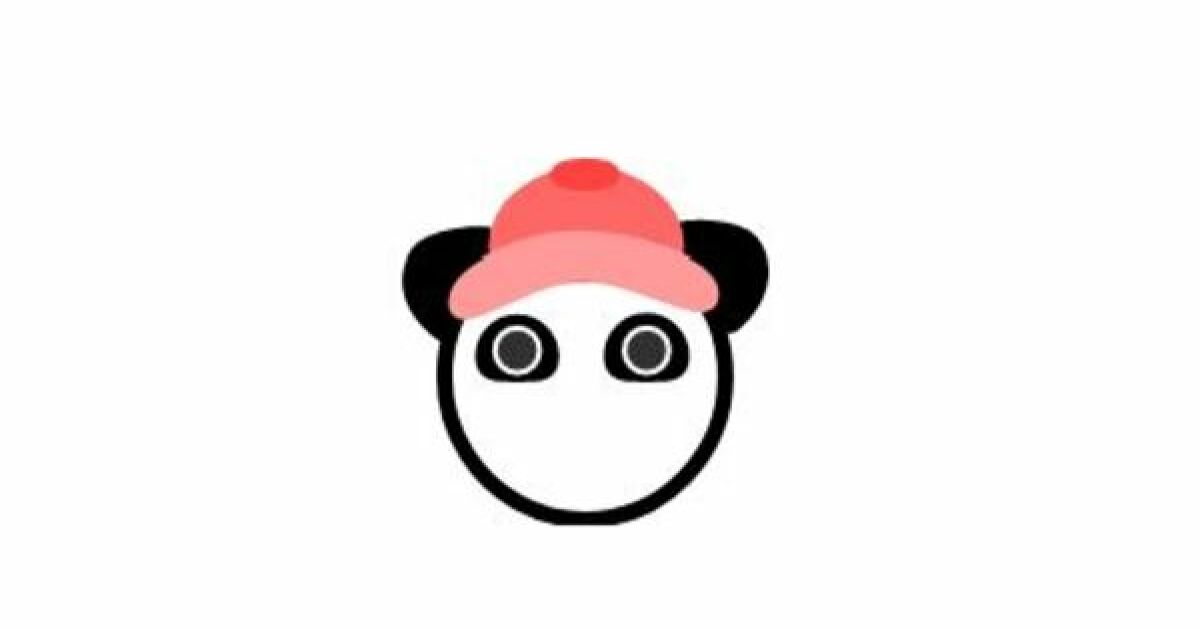
What would you look like after three hours of scrolling, two abandoned cups of coffee, and one heroic attempt to answer an email? Probably round, slightly sleepy, and emotionally prepared to hug a bamboo stalk. In other words, you might look exactly like a Bored Panda.
The “Hey Pandas, Draw Yourself As A Bored Panda” idea turns a traditional self-portrait into a playful character-design challenge. Instead of worrying about perfect facial proportions, realistic hair, or whether your left eye has quietly moved to another ZIP code, you translate your habits, mood, and personality into a panda.
This guide covers planning, facial expressions, poses, props, tools, common mistakes, creative variations, and the experience of sharing a funny panda self-portrait online. Artistic talent is welcome, but absolutely not required.
What Does It Mean to Draw Yourself as a Bored Panda?
A Bored Panda self-portrait is more than a panda wearing your shirt. It is a cartoon version of your routines, interests, quirks, and tiny daily disasters. The black-and-white animal provides a recognizable base, while your choices make the character feel like you.
Maybe your panda has tangled hair, giant headphones, three books, and the haunted expression of someone who forgot why they entered the kitchen. Perhaps it wears a business jacket above the waist and pajama pants below it. The drawing does not need every physical feature. It needs your personal energy.
A Self-Portrait Without the Serious Face
A realistic portrait asks, “What do I look like?” A humorous character portrait asks, “What makes me unmistakably me?” That shift creates room for exaggeration. Glasses can become enormous, a favorite hoodie can swallow the body, and your usual expression can become a reaction image waiting to happen.
Why a Panda Works So Well
Pandas are built from simple, friendly shapes. Their dark eye patches make expressions easy to emphasize, while their relaxed public image fits the boredom theme. With small changes to the eyelids, brows, mouth, and posture, the same panda can look sleepy, sarcastic, curious, overwhelmed, or suspicious.
Why This Drawing Challenge Is So Appealing
Good art prompts give everyone the same starting point without demanding the same result. This challenge supplies the panda, but clothing, pose, mood, background, technique, and visual joke remain open. That balance makes it accessible to beginners while leaving experienced illustrators plenty of room to experiment.
The prompt also lowers the stakes. You are not entering a museum competition or facing a stern professor with a clipboard. You are creating a funny identity portrait. A book-loving panda can disappear behind a novel. A gamer panda can sit inside a nest of cables. A home cook can guard a suspiciously burned tray of cookies. Each detail tells a story.
Plan Your Panda Self-Portrait
Choose Three Defining Traits
Write down three qualities, habits, or interests people associate with you. They might be “coffee obsessed,” “always reading,” and “chronically late.” Three traits provide direction without turning the drawing into a crowded garage sale.
Select a Specific Kind of Boredom
Your panda may be peacefully bored, meeting bored, waiting-room bored, or “I refreshed the same app twelve times” bored. Decide whether the mood is sleepy, sarcastic, restless, gloomy, or amused. The choice will guide the eyes, mouth, shoulders, and pose.
Pick One Signature Item
A beanie, bow tie, sketchbook, laptop, camera, mug, pet, or favorite snack can make the portrait personal. One strong accessory usually communicates more than ten random decorations.
How to Draw Yourself as a Bored Panda
Step 1: Build the Head With Simple Shapes
Begin with a large circle or soft oval, then add two rounded ears. Keep the first sketch loose. A panda head does not require architectural blueprints, and the building inspector has agreed not to visit.
Step 2: Add the Eye Patches
Place two dark ovals on the face. Their angle changes the expression: horizontal patches feel calm, downward angles look worried, and sharp angles can make the panda appear ready to demand a refund. Add small eyes and lower the eyelids for a bored look.
Step 3: Design the Mouth and Brows
A straight mouth creates deadpan humor. A tiny frown suggests disappointment, while a crooked smile adds mischief. Eyebrows may sit partly above the patches for clarity. Cartoon logic permits this. Cartoon logic also permits pandas to own laptops, so the rules are flexible.
Step 4: Sketch the Body and Pose
Use an oval torso and short rounded limbs. Slumped shoulders communicate exhaustion. A chin resting in one paw signals classic boredom. Crossed arms suggest impatience. A panda sprawled across a couch announces that productivity has officially left the building.
Step 5: Translate Your Features
Curly hair can become a fluffy outline. A beard can be simplified around the muzzle. Freckles may appear as dots, and glasses can be exaggerated for comic effect. Aim for resemblance through a few recognizable clues, not forensic accuracy.
Step 6: Add Storytelling Props
Give your panda something to door avoid doing. A phone showing one percent battery, an untouched workout mat, a laundry mountain, or an overflowing inbox can create a complete joke in one image.
Step 7: Ink, Color, and Refine
Trace the useful lines and remove construction marks. Traditional artists can use pencil, marker, colored pencil, or watercolor. Digital artists can place clean line art and color on separate layers. Keep the classic black-and-white palette, then add a few accent colors to clothing, props, or the background.
How to Make the Panda Look More Like You
Exaggerate one recognizable feature or habit. Make your headphones huge, your coffee cup enormous, or your unread book stack dangerously tall. The exaggeration should reveal personality rather than ridicule appearance.
Body language matters just as much as facial detail. Think about how you sit when tired, hold your phone, or react when someone says, “This meeting should only take five minutes.” Recreating that posture can make a simple cartoon feel uncannily familiar.
A light background can finish the story. A cluttered desk, bus seat, reading corner, kitchen table, or blanket fortress provides context without competing with the panda.
Traditional Versus Digital Panda Drawing
Traditional drawing offers texture, happy accidents, and an easy starting point: paper, pencil, eraser, done. Digital drawing makes revisions simpler and lets you test colors, resize the character, or undo the moment when its arm somehow becomes a baguette.
Neither method is superior. Choose the one that makes starting easiest. Fancy tools do not create personality; thoughtful choices do.
Common Mistakes That Make the Challenge Less Fun
Trying to Make It Perfect
Perfectionism can turn a ten-minute doodle into a tense negotiation with one eyebrow. Set a time limit and accept imperfect lines. Humor often benefits from looseness.
Adding Everything About Yourself
Your panda cannot carry your entire biography at once. Choose one theme, such as your workday personality, weekend personality, midnight-snack personality, or “pretending to understand the group chat” personality.
Copying Another Artist Too Closely
Study how other artists simplify forms and show emotion, but create your own pose, expression, props, and joke. Inspiration should help you make a new design, not duplicate someone else’s work.
Creative Variations to Try
Draw your Monday-morning panda beside your Friday-afternoon panda. Create a “public me versus private me” pair. Reimagine yourself as a superhero, fantasy adventurer, child, senior citizen, or office worker confronting a jammed printer.
Friends and families can use the same prompt, set a short time limit, and compare results. In a collaborative version, one person sketches the panda while another adds clothes, props, and scenery. Unexpected combinations are often funnier than carefully planned ones.
Sharing Your Bored Panda Self-Portrait Online
Post the drawing with a brief caption explaining its personal details. Tell viewers why the panda holds three remotes, wears rain boots indoors, or shares the frame with a tiny judgmental cat.
When commenting on other entries, mention a specific expression, pose, or visual joke you enjoyed. Avoid comparing beginner work with professional illustration. A community challenge is about participation, personality, and connectionnot identifying who can render bamboo with historic accuracy.
My Experience With the “Draw Yourself as a Bored Panda” Idea
The most revealing part of this challenge is not drawing the panda. It is deciding which version of yourself deserves to become one. At first, the obvious plan seems simple: familiar hairstyle, usual clothes, maybe glasses. Then the questions begin. Should the panda look cheerful or tired? Should it hold a book, phone, coffee mug, or all three? Choosing one object suddenly feels like preparing evidence for a personality trial.
The process becomes easier when you stop asking what looks impressive and ask what feels true. One version might show a panda at a desk with twelve browser tabs open, staring at a blank document while holding a mug labeled “Almost Productive.” Its body is technically working, but its soul has wandered into the kitchen to see whether snacks have regenerated. That image communicates a recognizable experience more effectively than polished shading alone.
The first sketch is usually awkward. One ear may be too small, the eye patches may point in different emotional directions, and the body may resemble a potato applying for office employment. Oddly, that stage is where the fun begins. Once perfection is unavailable, invention takes over. The tiny ear can be enlarged, the potato body can become an oversized hoodie, and the mismatched eyes can suggest a panda that has been awake since an unreasonable hour.
Personal props turn the drawing into a miniature story. A laptop, tangled charging cable, notebook, houseplant, pet, or laundry basket establishes the setting immediately. The strongest choices are rarely glamorous. A half-eaten sandwich may be more honest than a dramatic sunset because viewers recognize ordinary details from their own routines.
Color adds another decision. Keeping the panda mostly black and white makes a bright hoodie, red mug, yellow headphones, or green plant stand out. The background needs only a few lines suggesting a couch, desk, bed, or bus seat. Too much scenery can weaken the joke.
Sharing the final drawing can feel unexpectedly vulnerable. Even a silly self-portrait says, “This is how I see myself.” Humor softens that exposure and makes connection easier. Viewers recognize the tired posture, oversized mug, or unfinished projects and respond with their own stories.
The challenge ultimately proves that a successful self-portrait does not require realism. It requires observationnot only of facial features, but also of routines, moods, contradictions, and habits. A person can be ambitious and sleepy, organized and surrounded by cables, sociable and desperate for a quiet evening. A cartoon panda can hold all those contradictions with surprising ease.
The best result may not be the cleanest drawing. It may be the sketch that makes you laugh because the expression is painfully accurate. That is the strength of a playful prompt: it gives you permission to experiment, recognize yourself, and finish something worth sharing before your inner critic finds its tiny clipboard.
Conclusion
“Hey Pandas, Draw Yourself As A Bored Panda” combines self-portraiture, character design, visual storytelling, and internet humor in a format anyone can try. Start with rounded shapes, select a clear mood, exaggerate one recognizable feature, and add a prop that reveals your personality.
Most importantly, let the drawing be imperfect. It should feel personal, expressive, and funnot like a passport photo submitted by an anxious bear. Pick up a pencil or open a drawing app, decide which version of you is showing up today, and give that panda a face.











