
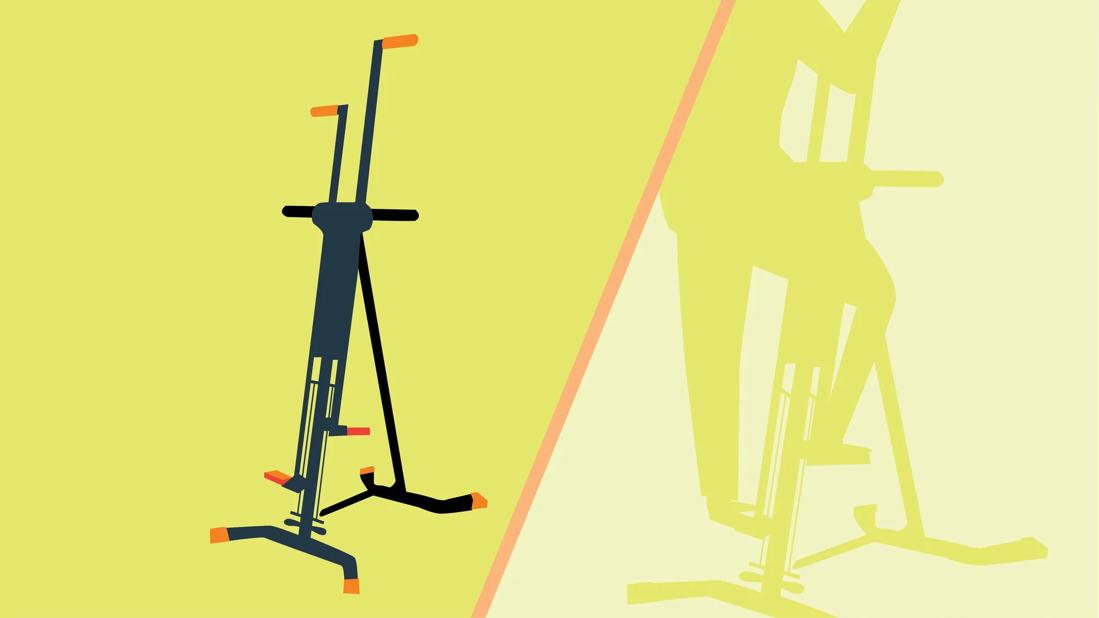
Some gym machines look friendly. The treadmill says, “Come walk with me.” The stationary bike says, “Have a seat.” The vertical climbing machine says, “Remember gravity? Let’s fight it.”
A vertical climber, sometimes called a VersaClimber-style machine or vertical climbing machine, is a full-body cardio machine that mimics climbing. Your arms pull and push while your legs step in a coordinated upward motion. In other words, it is part stair climbing, part mountain climbing, part “why are my glutes suddenly writing a resignation letter?”
But behind the sweat and dramatic facial expressions, vertical climbing machine workouts offer serious benefits. They can improve cardiovascular fitness, build muscular endurance, burn calories efficiently, train coordination, and provide a low-impact alternative to running. For busy people, it may be one of the most time-efficient cardio workouts in the gym.
This guide breaks down the benefits, best workouts, beginner tips, common mistakes, and real-life experience of using a vertical climbing machine without pretending it is easy. It is not easy. That is the point.
What Is a Vertical Climbing Machine?
A vertical climbing machine is a fitness machine designed to simulate the motion of climbing upward. Most models have two moving foot pedals and two moving handles. As one arm reaches up, the opposite leg steps, creating a natural cross-body movement pattern similar to climbing a ladder or scaling a steep hill.
Unlike a treadmill, which mainly targets the lower body, a vertical climber asks the upper body, lower body, and core to work together. The movement involves the glutes, quadriceps, hamstrings, calves, back, shoulders, arms, and abdominal muscles. That is why a short session can feel surprisingly intense. Your body is not just moving; it is negotiating with every major muscle group at once.
Why Vertical Climbing Machine Workouts Are So Effective
1. It Is a True Full-Body Workout
One of the biggest vertical climber benefits is total-body engagement. Your legs drive the stepping motion, your arms assist with pulling and pushing, and your core stabilizes your torso so you do not wiggle around like a confused inflatable tube man outside a car dealership.
This full-body involvement makes the vertical climbing machine different from many traditional cardio machines. A stationary bike is excellent for the legs and lungs, but your arms are mostly along for moral support. A treadmill can build endurance, but it does not challenge your upper body much unless you are carrying groceries uphill, which is not recommended unless you enjoy chaos.
With vertical climbing, the workload is distributed across more muscle groups. That can make the workout feel intense while also helping you train coordination, balance, and muscular endurance.
2. It Burns Calories Efficiently
Because the vertical climber uses both upper and lower body muscles, it can create a high energy demand. Calorie burn depends on your body weight, fitness level, pace, resistance, workout duration, and how dramatically you question your life choices during minute seven.
High-intensity climbing intervals can burn calories quickly because they elevate heart rate and oxygen demand. This does not mean you need to sprint like you are being chased by a bear with a gym membership. Even moderate climbing can be challenging when you maintain good posture and steady movement.
For weight management, the vertical climber works best as part of a balanced plan that includes consistent exercise, strength training, sleep, stress management, and nutrition. The machine is powerful, but it cannot out-climb an entire weekend of nachos. Trust me, nachos are talented.
3. It Supports Cardiovascular Fitness
Vertical climber workouts are primarily cardiovascular. They raise your heart rate, increase breathing, and challenge your body to deliver oxygen to working muscles. Over time, regular cardio training can improve endurance and cardiorespiratory fitness.
The climbing pattern is especially useful because it works against gravity. Your body has to move upward repeatedly, which makes the exercise demanding even at a controlled pace. This is why climbing stairs or using climbing-style machines often feels harder than walking on flat ground.
If your goal is better stamina, a vertical climbing machine can be used for steady-state cardio, interval training, or short workout “finishers” at the end of a strength session.
4. It Is Low Impact but High Intensity
Running is effective, but it can be hard on the ankles, knees, and hips for some people. A vertical climbing machine offers a lower-impact option because your feet stay on the pedals instead of repeatedly striking the ground.
Low impact does not mean low effort. A vertical climber can make your heart rate climb faster than your motivation on January 1. The smooth stepping motion reduces pounding, while the vertical movement keeps the intensity high.
This makes it appealing for people who want challenging cardio without the repeated impact of jogging. However, anyone with joint pain, heart conditions, balance concerns, or a recent injury should talk with a healthcare professional before beginning a new intense exercise routine.
5. It Saves Time
One reason vertical climbing machine workouts are popular is efficiency. A focused 10- to 20-minute session can feel like a complete workout, especially if you use intervals. You do not need to wander around the gym for an hour pretending to understand cable attachments.
Short workouts can be useful for busy schedules. A beginner might start with five to eight minutes of easy climbing, while a more experienced user may perform 15 minutes of intervals. The key is consistency. A short workout you actually do beats a perfect 60-minute plan that lives forever in your Notes app.
Muscles Worked on a Vertical Climber
A vertical climbing machine recruits many major muscle groups. The exact emphasis depends on stride length, pace, posture, resistance, and how actively you use the handles.
Lower Body
The glutes, quadriceps, hamstrings, and calves do much of the stepping work. The glutes help extend the hips, the quads assist with pushing through the pedals, the hamstrings support hip movement, and the calves help stabilize and drive the lower leg.
Upper Body
The shoulders, lats, upper back, biceps, triceps, and forearms help move the handles. If you pull strongly with your arms, the upper body works harder. If you lightly hold the handles, the lower body takes more responsibility.
Core
Your abdominal muscles and lower back help keep your torso stable. Good posture matters. If you slump forward or hang off the handles, you reduce the core benefit and turn the workout into a strange vertical nap.
Best Vertical Climbing Machine Workouts
The vertical climber can be used for beginners, fat-loss workouts, endurance training, HIIT sessions, and warmups. Start conservatively. The machine has a sneaky way of making minute two feel fine and minute six feel like a personal documentary about survival.
Beginner Vertical Climber Workout: 10 Minutes
This workout is designed for new users who want to learn the movement without overdoing it.
- 2 minutes: Easy warmup pace
- 1 minute: Moderate climb
- 1 minute: Easy recovery
- Repeat the moderate/recovery pattern 3 times
- 2 minutes: Slow cooldown
Focus on smooth movement, upright posture, and breathing. Do not worry about speed. Your first goal is to become comfortable with the machine and avoid looking like you are wrestling a coat rack.
Fat-Burning Interval Workout: 15 Minutes
This vertical climbing machine workout uses short bursts of effort followed by recovery. It is great for people who want a time-efficient cardio session.
- 3 minutes: Easy warmup
- 30 seconds: Hard climb
- 60 seconds: Easy climb
- Repeat for 8 rounds
- 2 minutes: Cooldown
The hard intervals should feel challenging but controlled. You should not be flailing. Flailing is not a training zone.
Endurance Climb: 20 Minutes
This workout builds stamina and mental toughness. It is less explosive than HIIT but still demanding.
- 5 minutes: Easy to moderate warmup
- 10 minutes: Steady moderate pace
- 3 minutes: Slightly faster pace
- 2 minutes: Cooldown
Use a pace where you can speak in short phrases but not deliver a TED Talk. If you can comfortably explain your entire tax situation, increase the intensity.
Strength-Focused Climber Workout
To make the vertical climber feel more strength-oriented, slow down the movement and use a longer stride. Drive through the legs and pull with control.
- 3 minutes: Warmup
- 45 seconds: Slow, powerful climbing
- 45 seconds: Easy recovery
- Repeat for 10 rounds
- 2 minutes: Cooldown
This workout emphasizes muscular endurance, especially in the glutes, legs, back, and shoulders. Keep your torso tall and avoid bouncing.
How Often Should You Use a Vertical Climbing Machine?
For most people, two to four vertical climber workouts per week is plenty, depending on intensity and overall training. Beginners may start with one or two short sessions weekly. Experienced exercisers can use it more often, especially if they vary the intensity.
A balanced weekly plan might include two vertical climber sessions, two strength workouts, one longer low-intensity cardio day, and at least one rest or active recovery day. Your body improves during recovery, not during the moment you are gripping the handles and bargaining with the universe.
If you already do running, cycling, rowing, or heavy leg training, avoid stacking too many intense sessions together. Sore calves and angry hip flexors are not personality traits.
Vertical Climber vs. Stair Climber vs. Treadmill
The vertical climber, stair climber, and treadmill can all improve cardiovascular fitness, but they feel different and train the body differently.
Vertical Climber
Best for full-body cardio, time-efficient intervals, low-impact intensity, and people who want upper-body involvement.
Stair Climber
Best for lower-body endurance, glute and leg conditioning, and steady climbing workouts. It is simple, effective, and humbling.
Treadmill
Best for walking, jogging, running, incline training, and sport-specific conditioning for runners. It offers excellent versatility but may involve more impact if used for running.
The best choice depends on your goals. If you want a full-body, low-impact, high-intensity cardio workout, the vertical climbing machine deserves a spot in your routine.
Common Mistakes to Avoid
Hanging on the Handles
The handles are there to assist movement, not to support your entire emotional and physical existence. Hanging reduces muscle engagement and can strain the shoulders or back.
Going Too Hard Too Soon
The vertical climber is intense. Start slower than you think you need to. Your lungs will submit a formal review shortly.
Using Poor Posture
Keep your chest lifted, shoulders relaxed, core engaged, and eyes forward. Avoid rounding your back or collapsing into the machine.
Skipping the Warmup
Warm up for at least two to five minutes. Your muscles, joints, and cardiovascular system need a gradual introduction. Nobody likes being surprised by a sprint, including your hamstrings.
Ignoring Recovery
Hard climbing sessions require recovery. If your performance drops, sleep is terrible, or your legs feel like overcooked pasta, take an easier day.
Safety Tips for Vertical Climbing Workouts
Before using the machine, adjust the handle height and pedal settings if the model allows it. Begin with a slow pace and learn the rhythm. Keep your movements controlled. Step fully into the pedals and maintain an upright posture.
Use the talk test to manage intensity. During moderate work, you should be able to talk but not sing. During vigorous intervals, speaking more than a few words should feel difficult. If you feel chest pain, dizziness, unusual shortness of breath, or sharp joint pain, stop exercising and seek medical guidance.
People who are pregnant, managing heart disease, recovering from surgery, or dealing with chronic joint or back problems should ask a healthcare professional before beginning high-intensity climbing workouts.
Who Should Try a Vertical Climbing Machine?
A vertical climber may be a good option for people who want efficient cardio, low-impact training, full-body conditioning, or a fresh alternative to the treadmill. It is also useful for people who get bored easily because the workout demands focus. You will not be casually scrolling your phone while climbing unless you enjoy living dangerously.
It can benefit athletes, busy professionals, beginners who progress gradually, and anyone who wants a tough workout without running. However, the machine is not magic. Results come from using it consistently, pairing it with strength training, eating enough protein and nutrient-dense foods, sleeping well, and managing stress.
Sample Weekly Vertical Climber Plan
Here is a simple plan for building fitness without turning every workout into a dramatic final scene from an action movie.
- Monday: 15-minute vertical climber intervals
- Tuesday: Full-body strength training
- Wednesday: Easy walk or mobility work
- Thursday: 20-minute steady vertical climber workout
- Friday: Strength training
- Saturday: Light cardio, yoga, or recreational activity
- Sunday: Rest
This schedule gives you a mix of cardio, strength, and recovery. Adjust based on your fitness level, goals, and how your body feels.
Experience: What It Feels Like to Train on a Vertical Climbing Machine
The first time I tried a vertical climbing machine, I approached it with the confidence of someone who had clearly not used it before. It looked simple enough: hands on handles, feet on pedals, climb. Easy. Five minutes later, my heart rate was auditioning for a drum solo, my legs were filing a complaint, and my shoulders were asking why they had been invited to cardio.
That is the funny thing about the vertical climber. It does not look flashy. There is no giant screen pretending you are cycling through the Alps. There is no satisfying treadmill belt sound. It just stands there quietly, like a fitness librarian who knows too much. Then you start moving, and suddenly you understand why short workouts on this machine count.
In the beginning, the biggest challenge was rhythm. My arms wanted to go one way, my legs wanted to negotiate, and my core was trying to keep the peace. After a few sessions, the movement started to feel smoother. The trick was slowing down. Once I stopped trying to climb like a caffeinated spider, I could focus on posture, breathing, and controlled effort.
One of the most noticeable benefits was how quickly the workout warmed up my entire body. On a bike, I usually feel it mostly in my legs. On a treadmill, I feel it in my legs and lungs. On the vertical climber, everything shows up to the meeting: legs, arms, back, core, lungs, sweat glands, and at least one ancestor.
I also liked how easy it was to scale the workout. On low-energy days, I could do a steady 10-minute climb and leave feeling accomplished. On high-energy days, I could add intervals: 30 seconds hard, 60 seconds easy, repeat until my playlist became the only thing holding society together. The machine made it simple to work hard without needing a complicated plan.
Another surprise was the low-impact feel. My joints did not feel pounded the way they sometimes do after running. The movement was smooth, and because my feet stayed on the pedals, there was less jarring impact. That made it easier to recover between sessions. Of course, low impact did not mean easy. My muscles were still very aware that work had occurred.
The vertical climber also taught me a useful lesson about intensity: more speed is not always better. When I rushed, my form got sloppy. When I slowed down and used a longer, stronger stride, the workout felt more controlled and more effective. My glutes and hamstrings worked harder, my core stayed tighter, and I did not look like I was trying to escape an invisible elevator.
For beginners, my honest advice is to start with less time than you think you need. Five minutes can be enough at first. Add a warmup, use moderate effort, and stop before your form collapses. The goal is not to prove toughness in one session. The goal is to return for another session without needing to descend stairs sideways for three days.
Over time, the machine became one of my favorite tools for quick, effective workouts. It is not relaxing in the spa-day sense. Nobody finishes a vertical climber interval and whispers, “How peaceful.” But it is satisfying. It gives you that clean, post-workout feeling where your body feels awake, your brain feels clearer, and your shirt looks like it has been through a weather event.
The best part is that progress is easy to notice. Maybe you last two minutes longer. Maybe your recovery heart rate improves. Maybe the same workout feels less terrifying. Maybe you stop glaring at the machine like it owes you money. These small wins make the vertical climber motivating, especially for people who like measurable improvement.
If you are bored with your cardio routine, the vertical climbing machine is worth trying. Start slow, respect the intensity, keep your posture tall, and let the machine humble you politely. It may never become easy, but it can become familiar. And in fitness, familiar discomfort is often where the best progress lives.
Conclusion
Vertical climbing machine workouts deliver a rare combination: full-body training, cardiovascular challenge, calorie-burning potential, low-impact movement, and time efficiency. The machine targets the legs, glutes, arms, shoulders, back, and core while pushing your heart and lungs to work harder.
Whether your goal is weight management, better endurance, stronger muscles, or simply escaping treadmill boredom, the vertical climber can be a smart addition to your fitness routine. Use it for short intervals, steady endurance sessions, or powerful workout finishers. Start gradually, focus on form, and build consistency over time.
The vertical climbing machine may look intimidating, but it is not reserved for elite athletes or people who enjoy suffering recreationally. With the right pace and plan, it can help almost anyone climb toward better fitness, one sweaty step at a time.
Note: This article is for general educational and fitness information only. It is not medical advice. Consult a qualified healthcare professional before starting a new exercise program, especially if you have a medical condition, injury, or concerns about high-intensity training.












