
A yeast infection is one of those health problems that can turn an ordinary Tuesday into a full-blown “why is my body sending angry emails?” situation. The itching, burning, redness, and uncomfortable discharge can be distracting, embarrassing, and deeply annoying. Naturally, many people search for home remedies for a yeast infection because they want relief fast, preferably without having to clear their schedule, explain symptoms to three strangers, or stand in the pharmacy aisle pretending to compare shampoo.
Here is the important truth: a vaginal yeast infection is usually caused by an overgrowth of Candida, a fungus that normally lives in small amounts in the vagina. When the balance of yeast and healthy bacteria shifts, symptoms can appear. While some at-home steps may reduce irritation and help prevent future infections, the most reliable treatment for a confirmed yeast infection is an antifungal medication. That may be an over-the-counter cream, suppository, or a prescription option from a healthcare provider.
This guide focuses on safe, practical, evidence-informed ways to manage symptoms at home, what to avoid, and when to call a doctor. Because when it comes to yeast infections, the goal is not to win a bravery contest. The goal is to feel normal again without accidentally making things worse.
Medical note: This article is for general education only and does not replace medical advice. If this is your first suspected yeast infection, if symptoms are severe, if you are pregnant, or if symptoms keep coming back, contact a healthcare professional.
What Is a Yeast Infection?
A yeast infection, also called vaginal candidiasis or vulvovaginal candidiasis, happens when yeast grows beyond its usual level. The most common culprit is Candida albicans, though other Candida species can also cause infections. Yeast likes warm, moist environments, which is why symptoms often affect the vagina and vulva. Yeast infections can also occur in skin folds, the mouth, and on the penis, but most people searching for home remedies are looking for help with vaginal symptoms.
Common yeast infection symptoms
Symptoms can vary, but many people notice intense itching, burning, redness, swelling, soreness, pain during sex, discomfort while urinating, and thick white discharge that may look a bit like cottage cheese. Not glamorous, but accurate. A yeast infection usually does not cause a strong fishy odor. If odor is prominent, bacterial vaginosis or another type of infection may be involved.
That overlap matters because yeast infections, bacterial vaginosis, trichomoniasis, sexually transmitted infections, allergic irritation, and hormonal dryness can all create similar symptoms. Treating the wrong condition with yeast medication may delay proper care and keep the irritation going like a bad sequel nobody asked for.
Can Home Remedies Cure a Yeast Infection?
Some home remedies may soothe discomfort, support the vaginal environment, or reduce triggers, but they should not be treated as guaranteed cures. Antifungal medicines such as miconazole, clotrimazole, tioconazole, terconazole, or prescription fluconazole directly target yeast. Supportive remedies do not always do that.
A helpful way to think about it is this: antifungal treatment is the firefighter; home care is turning off the fan, opening the windows, and not throwing glitter into the flames. Home habits can help, but they are not always enough by themselves.
Safe Home Remedies and Supportive Care for Yeast Infection Relief
1. Use an over-the-counter antifungal treatment correctly
The most evidence-supported “home remedy” is actually an over-the-counter yeast infection treatment. These products are available as vaginal creams, suppositories, or ointments and often come in one-day, three-day, or seven-day options. Common ingredients include miconazole and clotrimazole.
Read the label carefully and complete the full course, even if symptoms improve early. Stopping too soon can allow symptoms to return. If you are using a vaginal cream or suppository, pads are usually a better choice than tampons because tampons can absorb the medication. Also, some oil-based creams may weaken latex condoms or diaphragms, so check the product instructions before having sex.
Choose a longer course, such as a seven-day treatment, if symptoms are stronger or if you tend to be sensitive to concentrated one-day formulas. A one-day product sounds convenient, but for some people it can feel like setting off a tiny volcano in an already irritated neighborhood.
2. Keep the area clean, dry, and boring
For yeast infection relief, boring is beautiful. Wash the vulva gently with warm water. If you use soap, choose a mild, fragrance-free option and keep it external. The vagina cleans itself; it does not need a scented spa package, floral mist, or “fresh ocean breeze” intervention.
After bathing, pat the area dry instead of rubbing. Change out of wet swimsuits, sweaty workout clothes, and tight leggings as soon as possible. Moisture creates a comfortable environment for yeast, so breathable fabrics and dry clothing can help reduce irritation.
3. Wear breathable cotton underwear and loose clothing
Cotton underwear and loose-fitting pants can reduce heat and moisture around the genital area. Tight synthetic fabrics may trap sweat and friction, making itching and burning worse. This does not mean you must dress like you are auditioning for a pioneer museum. It simply means giving irritated skin some airflow.
At night, some people feel better sleeping in loose cotton shorts or breathable underwear. The idea is to reduce dampness and rubbing while the skin calms down.
4. Try a cool compress for itching and burning
A cool compress can temporarily soothe external vulvar itching and burning. Wrap a cold pack or a bag of ice in a clean towel and apply it externally for short periods. Never place ice directly on delicate skin, and do not insert anything cold into the vagina.
This will not cure the infection, but it may make the waiting period more tolerable while antifungal treatment starts working. Think of it as a polite “please calm down” message to irritated tissue.
5. Take a warm sitz bath
A short warm bath or sitz bath may ease soreness and irritation. Use plain warm water, not hot water. Skip bubble bath, bath bombs, essential oils, vinegar, scented salts, and anything that looks like it belongs in a gift basket rather than near inflamed skin.
After the bath, dry the area gently. If baths seem to worsen symptoms, stop using them. Bodies are annoyingly individual, and yours gets the final vote.
6. Consider probiotics as supportive care, not a magic cure
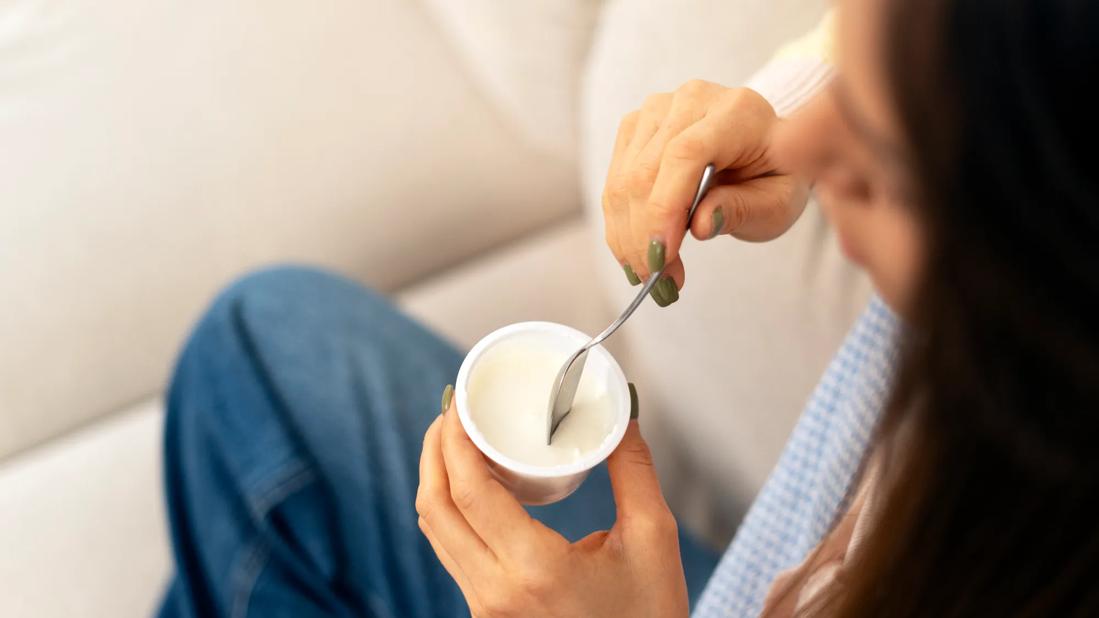
Probiotics, especially those containing Lactobacillus, may support a healthy vaginal microbiome. Some people take probiotic supplements or eat yogurt with live and active cultures, especially when taking antibiotics, which can disrupt normal bacteria and raise the risk of yeast overgrowth.
However, probiotics are not proven to cure an active yeast infection on their own. If you enjoy plain yogurt as part of your diet, that is reasonable. Choose unsweetened varieties because high-sugar foods do not need extra help becoming snacks. But avoid inserting yogurt into the vagina unless specifically instructed by a clinician. Food belongs in the kitchen, not in a medical experiment starring your underwear.
7. Manage blood sugar if you have diabetes
High blood sugar can make yeast infections more likely and harder to control. If you have diabetes, staying within your recommended blood sugar range may help reduce recurrence. This is not about blaming yourself for symptoms. It is about recognizing one of the common triggers and giving your body better conditions to recover.
If yeast infections keep returning and you have symptoms such as increased thirst, frequent urination, fatigue, or unexplained changes in weight, ask a healthcare provider whether blood sugar testing makes sense.
8. Avoid sex until symptoms improve
Sex can increase friction, irritation, and discomfort during a yeast infection. It may also interfere with creams or suppositories. Waiting until symptoms improve and treatment is complete can help the area heal. If you do have sex, understand that some antifungal products can weaken latex protection, and irritation may make small skin tears more likely.
Yeast infections are not usually classified as sexually transmitted infections, but partners can sometimes develop irritation or yeast symptoms. If a partner has redness, itching, rash, or discomfort, they should seek care too.
Home Remedies to Avoid
Do not douche
Douching can disrupt the natural balance of bacteria and yeast in the vagina. It may worsen discharge, irritation, and infection risk. The vagina is self-cleaning. It is not a carpet. It does not need deep extraction.
Do not insert garlic
Garlic has a reputation online as a natural antifungal, but inserting garlic into the vagina can cause burning, irritation, and even chemical-like injury. It is also not a proven yeast infection cure. Garlic is excellent in pasta. That is where its leadership skills shine.
Be very careful with tea tree oil
Tea tree oil can irritate skin and mucous membranes, especially if used undiluted. It should not be inserted into the vagina as a do-it-yourself yeast treatment. Essential oils are concentrated substances, not gentle little plant hugs.
Do not use apple cider vinegar inside the vagina
Apple cider vinegar is popular in home remedy circles, but applying it internally can irritate delicate tissue and disturb vaginal balance. Adding vinegar to baths is also risky for sensitive skin. If your body is already burning, adding acid is not the plot twist you need.
Use boric acid only with medical guidance
Boric acid vaginal suppositories are sometimes used for certain recurrent or non-albicans yeast infections, but they are not a casual home remedy. Boric acid can be toxic if swallowed, should be kept away from children and pets, and is generally not recommended during pregnancy. Use it only if a healthcare provider recommends it and explains the correct dose and safety precautions.
When to See a Doctor for a Yeast Infection
Call a healthcare provider if this is your first yeast infection, if you are pregnant, if symptoms are severe, or if you have pelvic pain, fever, sores, foul odor, green or yellow discharge, bleeding, or pain that feels unusual. You should also seek care if symptoms do not improve after treatment, if they return within two months, or if you have four or more yeast infections in a year.
Recurrent yeast infections may need lab testing to identify the Candida species. Some types are less responsive to common over-the-counter treatments. In those cases, repeatedly buying the same medication can feel productive while secretly doing very little. Testing helps guide the right plan.
How to Prevent Future Yeast Infections
Choose gentle hygiene
Avoid scented tampons, scented pads, vaginal sprays, deodorants, harsh soaps, and fragranced wipes. These products can irritate the vulva and disrupt the natural environment. If a product promises your vagina will smell like a tropical waterfall, politely decline.
Change out of damp clothing quickly
After swimming, exercising, or sweating heavily, change into dry clothes. This is especially helpful if you are prone to yeast infections. Keep an extra pair of underwear or leggings in your gym bag if needed.
Use antibiotics only when needed
Antibiotics can be necessary and sometimes lifesaving, but they can also reduce healthy bacteria that help keep yeast in check. Do not skip prescribed antibiotics, but avoid asking for them when they are not needed. If you often develop yeast infections after antibiotics, ask your clinician about prevention strategies.
Track your triggers
Some people notice yeast infections after antibiotics, hormonal changes, periods, high-stress weeks, new lubricants, tight clothing, or blood sugar changes. A simple symptom diary can help you spot patterns. You do not need a color-coded spreadsheet unless that brings you joy. A notes app works just fine.
Real-Life Experiences With Home Remedies for a Yeast Infection
Many people do not learn about yeast infections from a calm, perfectly lit medical brochure. They learn at 11:47 p.m. while searching symptoms under a blanket, wondering whether the itch is “normal” or whether their body has joined a tiny fungal rebellion. That is why personal experience matters. It reminds us that yeast infections are common, treatable, and not a sign that someone is dirty or careless.
One common experience is the “I thought it would go away” phase. A person notices mild itching and decides to wait. Maybe they switch underwear, drink more water, and hope the problem gets bored and leaves. Sometimes irritation from clothing or soap does improve with gentle care. But when a true yeast infection is present, symptoms often intensify. By day three, the same person may be walking like they are negotiating peace talks with their jeans. This is when an over-the-counter antifungal treatment, used correctly, can be a practical at-home solution.
Another familiar story involves the scented product trap. Someone buys a new body wash, fragranced liner, or “feminine freshness” spray because marketing departments are very good at making normal bodies seem like emergencies. A few days later, itching and burning appear. The lesson is painfully simple: the vulva prefers gentle treatment. Switching back to fragrance-free products, rinsing with water, wearing breathable cotton underwear, and avoiding sprays can make a big difference, especially for people who are irritation-prone.
Then there is the antibiotic pattern. A person takes antibiotics for a sinus infection or dental procedure and, just as the original problem improves, yeast symptoms arrive like an unwanted party guest carrying dip. In this case, prevention conversations can help. Some people ask their healthcare provider whether probiotics, dietary yogurt with live cultures, or a planned antifungal strategy makes sense when antibiotics are prescribed. The key is not to self-blame. Antibiotics can disrupt normal bacteria; that is biology, not a character flaw.
Many people also experiment with “natural” remedies before learning that natural does not always mean gentle. Garlic, vinegar, and essential oils may sound harmless because they live in kitchens and wellness blogs, but delicate tissue does not appreciate being treated like a salad. A safer experience-based rule is this: if it burns, stings, smells strong, or would make you nervous near your eye, do not put it near your vagina.
The most reassuring experience is the one where someone finally gets tested after repeated symptoms. They may discover it was not yeast at all, or that it was a less common Candida species needing a different plan. That moment can be frustrating, but also freeing. Instead of guessing, they get answers. Home care still matters, but it works best when paired with the right diagnosis.
Final Thoughts
Home remedies for a yeast infection should be safe, simple, and realistic. The best at-home approach is to confirm the likely cause, use an appropriate antifungal treatment when needed, avoid irritating products, keep the area dry and breathable, and seek medical care when symptoms are new, severe, recurrent, or confusing.
A yeast infection is uncomfortable, but it is also common and treatable. You do not need to panic, over-clean, or turn your bathroom into a laboratory. Treat the infection, soothe the irritation, protect the natural balance of the vagina, and give your body the calm conditions it needs to recover.











