
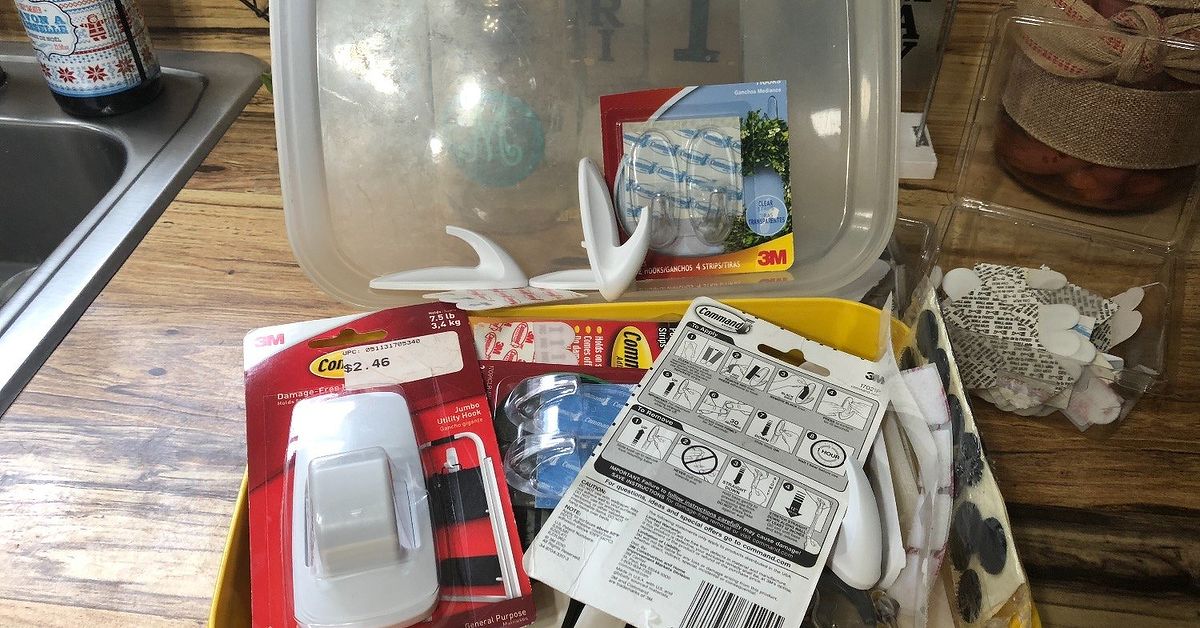
Every home has at least one spot that quietly bothers its owner. It might be a blank bathroom mirror begging for a frame, a front porch that looks as festive as a dentist’s waiting room, or a kitchen cabinet where measuring spoons reproduce overnight. The Your Wish is My Command Challenge turns one of those minor household irritations into a creative, no-drill DIY project using removable hooks, picture-hanging strips, cord clips, or similar adhesive products.
The premise is delightfully simple: make a wish for your space, choose the correct removable hanging product, and command that awkward area to become useful or beautiful. No genie, magic lamp, or emergency call to a drywall contractor is required. What is required is careful planning, realistic weight limits, proper surface preparation, and the emotional strength to wait before hanging the object.
What Is the Your Wish is My Command Challenge?
The Your Wish is My Command Challenge is a renter-friendly DIY exercise built around solving a specific decorating or organization problem without drilling unnecessary holes. Instead of wandering through a store and buying seventeen matching bins because they look emotionally supportive, participants begin with one clear wish.
Examples include:
- “I wish this builder-grade bathroom mirror looked custom.”
- “I wish my entryway had a place for keys, hats, and dog leashes.”
- “I wish I could decorate my vinyl fence for the holidays.”
- “I wish the cords behind my desk would stop auditioning for a jungle documentary.”
- “I wish I could create a gallery wall without making twelve regrettable holes.”
The challenge is not about attaching random objects to every available surface. It is about choosing one practical problem, designing a lightweight solution, and following the installation directions precisely. Adhesive hooks may look simple, but they are small engineering products, not enchanted stickers with unlimited confidence.
Why Damage-Free Decorating Is So Appealing
It gives renters more creative freedom
Renters often hesitate to personalize their homes because they fear losing a security deposit or having to patch walls before moving. Removable adhesive hooks and strips can make it easier to display lightweight artwork, hang seasonal decorations, organize closets, and add temporary decorative details.
They are especially useful in dorm rooms, temporary apartments, offices, and frequently rearranged spaces. A home does not have to feel temporary simply because the lease has an expiration date.
It encourages low-risk experimentation
Traditional hardware is often the better choice for heavy objects, shelves, valuable artwork, or safety-critical installations. For lighter projects, however, removable products make experimentation less intimidating. You can test a gallery-wall arrangement, move a small sign, replace seasonal decorations, or reorganize a cabinet without reaching for a drill every time inspiration sneezes.
It helps use overlooked vertical space
Walls, cabinet doors, closet sides, and the backs of doors frequently go unused. A few thoughtfully positioned hooks can hold scarves, reusable bags, cleaning gloves, measuring cups, headphones, or lightweight baskets. The result is not more storage space in the architectural sense, but better use of the space already present.
The Five Rules of the Challenge
1. Define one specific wish
A vague goal such as “make the house less chaotic” is emotionally accurate but difficult to complete before lunch. Choose one visible result: organize the entryway, frame a mirror, hang a wreath, display artwork, or control charging cables.
A focused goal keeps the project affordable and prevents the classic DIY progression from “I need one hook” to “why is there a miter saw in the dining room?”
2. Match the product to the job
Hooks, poster strips, picture-hanging strips, bathroom products, outdoor products, and cord clips are designed for different purposes. A small utility hook should not be asked to hold a large mirror simply because it has a brave little face.
Read the product packaging and confirm:
- The listed weight capacity
- The number of strips or pairs required
- The maximum object or frame size
- Whether the product is intended for indoor, bathroom, or outdoor use
- Whether the surface is compatible
Weight ratings can vary by product size and configuration. Some picture-hanging systems require multiple paired strips to reach the advertised total capacity. Never assume that adding random strips automatically creates an industrial suspension bridge.
3. Respect the surface
Removable adhesive products generally perform best on smooth, clean, finished surfaces such as painted wallboard, glass, tile, metal, sealed wood, and certain finished outdoor surfaces. Rough brick, heavily textured walls, unfinished wood, delicate wallpaper, crumbly plaster, and dirty or greasy surfaces may not provide reliable adhesion.
Fresh paint also needs time to cure. Even when a wall feels dry, the coating underneath may still be developing strength. Check both the paint manufacturer’s guidance and the hanging product’s instructions before installation.
4. Prepare and install patiently
Surface preparation is often the difference between a successful project and hearing a picture frame crash at 2:13 a.m. Many removable adhesive systems recommend cleaning the installation area with isopropyl rubbing alcohol rather than a household cleaner, which may leave residue.
Allow the area to dry completely. Apply firm, even pressure for the specified time, and wait as directed before loading the hook or rehanging the frame. Some systems require approximately an hour of setting time, but the package instructions for the exact product should always take priority.
5. Remove the strip correctly
Do not pull an adhesive tab outward like you are starting a lawn mower. Remove the hook or frame as instructed, hold the base gently when appropriate, and stretch the removal tab slowly in the indicated directionusually straight down and parallel to the wall.
Stretching the adhesive changes its bond and allows it to release. Yanking it away from the surface can damage paint or snap the tab, transforming a peaceful removal into an archaeological excavation.
Creative Projects for the Your Wish is My Command Challenge
Give a builder-grade bathroom mirror a temporary frame
A large frameless bathroom mirror is practical, but it can make a finished room look as though the contractor left for lunch in 2008 and never returned. One temporary solution is to build a lightweight decorative frame that sits around the mirror rather than carrying the mirror itself.
Lightweight painted trim, foam molding, or carefully selected wood pieces can be assembled into a frame and attached to a compatible smooth surface with appropriately rated picture-hanging strips. The frame should be weighed before installation, and the strips must be positioned to distribute the load evenly.
Do not use a decorative adhesive frame as structural support for the mirror. The mirror itself must remain secured by its original clips or approved mounting hardware. This project is cosmetic, not an opportunity to renegotiate gravity.
Decorate a porch, window, or finished vinyl fence
Outdoor-rated hooks and clips can hold lightweight wreaths, signs, garlands, or string lights on compatible sealed surfaces. Outdoor versions are manufactured to tolerate moisture, sunlight, and wider temperature ranges than standard indoor strips.
Suitable projects might include arranging metal stars on a smooth finished fence, hanging seasonal signs near a front door, or guiding lightweight string lights around a covered patio. Test the layout with painter’s tape before applying the hooks so your holiday display looks intentional rather than surprised.
Wind adds force, so account for movement and exposure. A decoration that weighs only two pounds while resting on a table can place far greater stress on its fastener when flapping enthusiastically during a storm.
Create a compact entryway command center
An entryway can become functional without installing permanent cabinetry. Use removable hooks for keys, hats, reusable shopping bags, dog leashes, and other lightweight daily essentials. Add a small adhesive-mounted mail pocket, calendar, or lightweight memo board if the products are rated for them.
Place frequently used objects within comfortable reach. Less-used items can go higher, while children’s belongings should be installed at an accessible height. The best organization system is not the one that photographs beautifully; it is the one people will actually use while late and carrying groceries.
Make the inside of cabinet doors work harder
Small hooks inside kitchen cabinets can organize measuring spoons, oven mitts, lightweight lids, cleaning brushes, or reusable bottle-cleaning tools. Bathroom cabinets can hold hair accessories, washcloths, or small toiletry bags.
Before attaching anything, check that the hanging object will not hit a shelf or prevent the cabinet from closing. Close the door slowly during testing. This is a home organization project, not a percussion instrument.
Tame cords around a desk or entertainment center
Adhesive cord clips can guide charging cables along the underside of a desk, down the back of a console, or beside a nightstand. This keeps cords visible enough to access but controlled enough to stop them from forming alliances with dust bunnies.
Leave gentle curves rather than pulling cables tightly. Avoid placing clips on hot equipment, power adapters, or surfaces that may be damaged by adhesive. Cord organization should improve safety and access, not pinch, bend, or conceal damaged electrical cables.
Build a flexible gallery wall
Picture-hanging strips are well suited to lightweight framed art on compatible smooth walls. Before attaching anything, arrange paper templates on the wall with low-tack tape. Start with the largest piece and build the composition around it.
Many designers use an artwork centerline near average eye leveloften around 57 inches from the flooras a starting point. Adjust for furniture, ceiling height, and the people who use the room. A gallery wall over a sofa usually needs a visual relationship with the furniture rather than floating near the ceiling like it is trying to escape.
Common Mistakes That Can Ruin the Project
Exceeding the weight limit
The weight rating is a maximum under specified conditions, not the opening offer in a negotiation. Weigh the object rather than estimating. Include the frame, glass, hardware, and decorative attachments.
Using indoor strips outside
Standard indoor adhesive may not tolerate rain, humidity, sunlight, or temperature changes. Choose products specifically labeled for outdoor use when decorating exterior doors, windows, siding, fences, or patios.
Ignoring texture and residue
Dust, grease, cleaning-product residue, textured paint, and porous materials can reduce adhesion. A strip cannot form a strong bond with a wall if it is technically attached to a microscopic layer of cooking oil and optimism.
Hanging valuable or dangerous objects
A removable strip is not always the correct choice for irreplaceable artwork, heavy glass, shelves, large mirrors, objects above beds, or anything whose failure could injure someone. Use properly anchored permanent hardware when the consequences of failure are significant.
Removing the strip too quickly
Slow, controlled stretching is essential. If the tab breaks, consult the manufacturer’s removal guidance rather than scraping aggressively with a metal tool. Some stubborn adhesive can be loosened carefully with warmth or separated with dental floss, but protecting the wall should remain the priority.
How to Complete the Challenge on a Budget
Removable products are convenient, but buying the wrong size repeatedly can become expensive. Begin by inventorying hooks and replacement strips you already own. Match hook models with the correct replacement products; not every strip fits every base.
Plan several small uses before opening a value pack. For example, one assortment might serve an entryway, a cabinet, and a desk. Reserve specialty bathroom or outdoor strips for the environments they were designed to handle.
Use paper templates and painter’s tape to test layouts before committing adhesive. This reduces waste and prevents the familiar experience of stepping back and realizing the “perfectly centered” frame has developed a strong political leaning.
Finally, compare removable hardware with permanent alternatives. For a lightweight seasonal sign, adhesive may be ideal. For a heavy frame that will remain in the same place for ten years, a properly installed picture hanger may be safer, cheaper, and easier to patch later.
A Sample 500-Word Challenge Experience: Three Wishes in One Weekend
The following is an illustrative composite based on common renter-friendly DIY experiences.
My first wish sounded harmless: I wanted the front entry to stop behaving like a lost-and-found department. Keys landed on the shoe cabinet, reusable bags occupied a dining chair, and the dog leash appeared wherever it believed it could cause the greatest inconvenience.
I began the challenge by laying everything on the floor. This immediately taught me that the problem was not a lack of storage. The problem was that every object had been allowed to select its own address.
I cleaned a smooth section of painted wall, measured twice, and installed three medium hooks in a straight line. One held the leash, another held two lightweight shopping bags, and the third held a small key pouch. I waited before loading them, despite the powerful DIY instinct to test the installation four seconds after pressing it into place.
The result was not dramatic enough for a television reveal. Nobody cried. A designer did not enter carrying throw pillows. Yet the entryway became easier to use, which is the sort of improvement that feels better every morning.
My second wish was decorative. The plain bathroom mirror needed a frame, but the apartment lease had the warmth and flexibility of a parking ticket. I built a lightweight frame from thin painted trim and weighed the completed piece before selecting picture-hanging strips.
The first layout was wrong. The frame sat slightly lower on one side, producing the unmistakable appearance of a mirror raising one eyebrow. Fortunately, the paired fasteners allowed a small adjustment before I pressed everything firmly into its final position.
This project also taught me an important distinction: the strips held the decorative frame, not the mirror. The original mirror clips remained untouched. That separation made the project safer and easier to reverse.
The third wish involved the patio. I wanted to hang two lightweight metal stars on a smooth section of finished vinyl fencing. This time I used outdoor-rated hooks rather than standard indoor products. I cleaned the surface, checked the forecast, applied the hooks, and gave them the recommended setting time.
The stars looked excellent for several calm days. Then a windy afternoon demonstrated that outdoor decorations are not merely static weight. They swing, twist, and occasionally attempt to migrate. I added discreet lightweight ties to limit movement and repositioned the stars where they were less exposed.
By Sunday evening, the challenge had produced three useful lessons. First, removable does not mean careless. The correct product and surface preparation matter more than enthusiasm. Second, lightweight projects are the natural territory of adhesive hardware; heavy or safety-critical objects deserve permanent support. Third, successful home improvement does not always involve demolition. Sometimes it is simply the satisfaction of knowing where the keys are.
The best part of the Your Wish is My Command Challenge was not the absence of nail holes. It was the habit of identifying one small annoyance and solving it deliberately. A home becomes more comfortable through dozens of these modest decisions. No genie requiredalthough someone willing to organize the junk drawer would still be welcome.
Final Thoughts
The Your Wish is My Command Challenge proves that a practical home makeover can begin with a tiny piece of adhesive and a clearly defined goal. Removable hooks and strips can support creative decorating, flexible organization, and renter-friendly DIY projects when they are used on suitable surfaces and within their rated limits.
The magic is not in pretending that one product can hold everything. It is in choosing the right solution for the right task. Prepare the surface, check the weight, allow the adhesive to set, and remove it according to the instructions. Follow those rules, and your walls may grant quite a few wishes without demanding a sacrifice from your security deposit.











