
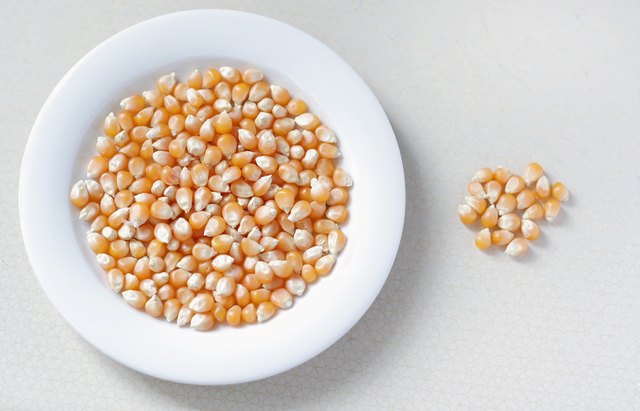
Some pantry questions feel small until snack time turns into a tiny kitchen tragedy. You grab a jar of un-popped popcorn kernels, pour them into the pot, wait for that glorious pop-pop-pop, and instead hear five lonely pops followed by silence. Suddenly, movie night has become a grain-based betrayal.
So, how long can you store un-popped popcorn kernels? The practical answer is this: un-popped popcorn kernels are usually best within 1 to 2 years when stored properly, although high-quality kernels kept in an airtight container in a cool, dry place may remain usable for longer. They may not become “dangerous” the day they pass a best-by date, but they can lose the moisture they need to pop well. Old kernels often produce smaller, tougher, less fluffy popcornor worse, a sad pile of “old maids,” which is the charming name for kernels that refuse to pop.
The real secret is not magic, brand loyalty, or yelling encouragement at the pot. It is moisture control. Popcorn kernels need a tiny amount of water trapped inside the hull. When heated, that water turns to steam, pressure builds, and the kernel bursts into the fluffy snack we know and love. If the kernel dries out too much, there is not enough steam pressure to create a proper pop. If the kernel gets damp, it may mold, clump, taste stale, or pop unevenly. In other words, popcorn is a divabut a delicious one.
The Short Answer: How Long Do Un-Popped Popcorn Kernels Last?
For best quality, store un-popped popcorn kernels for about 1 to 2 years. That range works well for most pantry situations, especially if the kernels are in a sealed jar, bag, or food-safe container away from heat, humidity, and direct sunlight.
If the package is unopened and stored in a cool, dry pantry, the kernels may stay fresh closer to 2 years. Once opened, they are more exposed to air and moisture changes, so using them within about 1 year is a smart goal. This does not mean every kernel becomes useless after 365 days. It simply means quality starts becoming less predictable. Popcorn does not check the calendar and retire dramatically at midnight.
In ideal storage, some kernels can still pop after 3 years or more. However, they may produce less volume, more unpopped kernels, and a chewier texture. If you want big, fluffy popcorn that looks like it belongs in a movie theater bucket rather than a bird feeder, fresher kernels are better.
Why Popcorn Kernels Last So Long
Popcorn kernels are whole grains with a hard outer hull. Unlike popped popcorn, which quickly absorbs moisture from the air and becomes stale, dry kernels are naturally more shelf-stable. They contain very little fat compared with nuts or oily snack foods, so they do not turn rancid as quickly. This is why a forgotten jar of kernels can survive in the pantry longer than that half-opened bag of tortilla chips you bought during a “healthy snacking” phase.
Still, “long-lasting” does not mean immortal. Popcorn quality depends on the condition of the kernel. The hull must stay strong enough to hold pressure, and the interior must retain enough moisture to create steam. When either condition fails, popping performance drops.
The Moisture Factor
Popcorn kernels need roughly 13.5% to 14% internal moisture to pop well. That tiny bit of water is the engine of the whole operation. When the kernel heats up, moisture turns to steam, steam expands, pressure rises, and the kernel explodes into fluffy popcorn. If the kernel has dried out, it may crack slightly, pop only halfway, or refuse to pop at all.
This is why storing popcorn in an open bag is a bad idea. The kernels can slowly lose moisture, especially in a hot, dry kitchen. A pantry near the oven, dishwasher, sunny window, or refrigerator exhaust can quietly ruin popcorn quality over time. It is not dramatic. There is no villain music. Just disappointing popcorn later.
Best Way to Store Un-Popped Popcorn Kernels
The best way to store un-popped popcorn kernels is in an airtight container in a cool, dry, dark place. Think pantry shelf, cupboard, or closed cabinet. The container matters because it protects the kernels from air, humidity, odors, insects, and accidental spills from the mysterious sticky bottle of syrup that appears in every kitchen.
Use an Airtight Container
Once you open a bag of kernels, transfer the rest to a container with a tight-fitting lid. Good options include:
- Glass mason jars
- Food-safe plastic containers
- Vacuum-seal containers
- Resealable pantry storage bins
- Original packaging placed inside a sealed container
Glass jars are especially useful because they seal well and make it easy to see how much popcorn you have left. They also make your pantry look organized, which is the adult version of having your life together.
Keep Kernels Away From Heat
Heat speeds up moisture loss and can reduce popping quality. Avoid storing popcorn above the stove, near the oven, beside the microwave, or in a cabinet that gets warm during the day. A stable room-temperature pantry is better than a hot kitchen shelf.
Protect Kernels From Humidity
Humidity is another enemy. If kernels absorb too much external moisture, they may become tough, musty, or moldy. In humid climates, an airtight container is especially important. Do not store kernels in a paper bag, thin plastic bag, or open scoop bin for long periods. Pantry pests love that arrangement, and they do not even contribute to rent.
Avoid Strong Odors
Popcorn can pick up odors from nearby foods. Keep kernels away from onions, cleaning products, spices with aggressive personalities, and anything that could make your popcorn taste like “garlic laundry cabinet.” A sealed container solves most of this problem.
Should You Store Popcorn Kernels in the Refrigerator?
For most households, the refrigerator is not the best place to store un-popped popcorn kernels. Refrigerators can be dry, and that dryness may pull moisture from the kernels over time. Some refrigerators also create condensation when containers move in and out, which can expose kernels to unwanted moisture.
A cool pantry is usually better. Popcorn does not need refrigeration the way dairy, meat, or fresh produce does. It simply needs protection from heat, humidity, and air. Unless your kitchen is extremely hot and you have no cooler storage space, stick with an airtight container in a cupboard.
Can You Freeze Un-Popped Popcorn Kernels?
Freezing popcorn kernels is not usually necessary for everyday storage. While freezing may slow some quality changes in certain dry foods, popcorn’s popping ability depends on internal moisture balance. Moving kernels in and out of the freezer can create condensation, which is not ideal.
If you do freeze popcorn kernels, use a truly airtight, moisture-proof container and let the container return to room temperature before opening it. This helps prevent condensation from forming on the kernels. Still, for most people, pantry storage is simpler, safer for quality, and much less likely to create a science experiment next to the frozen peas.
How to Tell If Popcorn Kernels Are Too Old
Old popcorn kernels do not always look bad. That is part of the problem. A jar of kernels can appear perfectly normal while secretly plotting a disappointing snack. The best test is simple: pop a small batch.
Signs Your Kernels Are Past Their Prime
- Many kernels remain unpopped after cooking.
- The popped corn is small, dense, or chewy.
- The popcorn tastes stale, dusty, or flat.
- The kernels smell musty or sour.
- You see mold, clumping, moisture, webbing, or insects.
- The package has been exposed to water or pantry pests.
If the kernels simply produce a few extra unpopped pieces, they may still be usable. If they smell bad, show mold, or have insect activity, throw them out. Popcorn is affordable. Food regret is expensive emotionally.
Can Expired Popcorn Kernels Make You Sick?
Dry un-popped popcorn kernels are generally low-risk when stored properly because they are a dry grain. A best-by date usually refers to quality, not an exact safety deadline. However, kernels can become unsafe if they are contaminated by moisture, mold, pests, or dirty storage conditions.
Do not eat popcorn kernels that smell musty, look damp, contain bugs, or show signs of mold. Also, be careful with old microwave popcorn bags. Microwave popcorn often contains added oils, butter flavorings, and seasonings, which can become stale or rancid faster than plain dry kernels. Plain kernels usually last longer than microwave popcorn because they do not contain those added fats.
Plain Kernels vs. Microwave Popcorn: Which Lasts Longer?
Plain un-popped popcorn kernels generally last longer than microwave popcorn. The reason is simple: microwave popcorn is not just popcorn. It usually includes oil, salt, flavoring, and packaging designed for microwave popping. Those added fats can lose freshness before the kernels themselves would.
If your goal is long pantry life, buy plain kernels in a jar or bag. You can add your own oil, butter, salt, cheese powder, cinnamon sugar, nutritional yeast, chili lime seasoning, or whatever snack chaos your heart desires. Plain kernels give you more control and usually better shelf stability.
How to Refresh Old Popcorn Kernels
If your kernels are a little old and leaving too many unpopped pieces behind, they may have lost moisture. You can try a small rehydration trick before giving up on them.
Place about 2 cups of kernels in a clean glass jar. Add 1 teaspoon of water, seal the jar, and shake it well. Let it sit for a couple of days, shaking occasionally to distribute moisture. Then test-pop a small batch. If the popcorn improves, the kernels were probably too dry.
Do not overdo the water. You are trying to restore a tiny amount of moisture, not baptize the kernels. Too much water can lead to mold or uneven popping. If the kernels smell off or look suspicious, skip the rescue mission and toss them.
Best Containers for Long-Term Popcorn Storage
For long-term storage, the best containers are airtight, food-safe, clean, and dry. The goal is to prevent moisture loss while also keeping out humidity and pests. That sounds contradictory, but it is really about maintaining balance. Popcorn needs its internal moisture, not random outside moisture from the air.
Good Storage Choices
- Mason jars: Great for small batches and pantry organization.
- Food-grade buckets: Useful for bulk popcorn storage.
- Sealed plastic pantry containers: Convenient and lightweight.
- Vacuum-sealed bags: Helpful for reducing air exposure, if stored carefully.
- Original sealed packaging: Fine until opened, especially if stored in a cool pantry.
Whatever container you choose, label it with the purchase date or opening date. Future you will appreciate this. Future you is busy and cannot remember whether those kernels are from last summer or from the era when everyone was baking banana bread.
Where Not to Store Popcorn Kernels
Some places are terrible for popcorn storage. Avoid garages, laundry rooms, damp basements, sunny countertops, cabinets above appliances, and outdoor storage sheds. These spots often have temperature swings, humidity, pests, or all three. Popcorn does not enjoy adventure travel.
Also avoid storing kernels in decorative containers that do not seal tightly. A cute jar with a loose lid may look charming, but it lets air in and moisture out. Popcorn storage is one of those moments when function beats aesthetics. Luckily, mason jars do both, so we can all remain emotionally stable.
How Much Popcorn Should You Store?
If you eat popcorn regularly, buying in bulk can save money. However, only buy what you can use within 1 to 2 years for best quality. A 2-pound bag may be perfect for casual snackers. A 12-pound bulk container makes sense if your family treats popcorn like a food group.
As a general rule, 1 ounce of un-popped kernels makes about 1 quart of popped popcorn. That means a little goes a long way. Before buying a giant bucket, ask yourself whether you truly eat popcorn oftenor whether you are simply under the influence of warehouse-store lighting.
Practical Storage Timeline
Here is a simple timeline for plain un-popped popcorn kernels:
- 0 to 6 months: Best popping performance, especially after opening.
- 6 to 12 months: Still excellent if stored airtight in a cool, dry pantry.
- 1 to 2 years: Usually good, though quality may slowly decline.
- 2 to 3 years: May still pop, but expect more unpopped kernels and less volume.
- Over 3 years: Test before using. Safe only if dry, clean, odor-free, and pest-free, but quality may be disappointing.
Common Mistakes That Ruin Popcorn Kernels
Leaving the Bag Open
This is the classic mistake. Rolling the top of the bag and hoping for the best is not storage; it is optimism wearing pajamas. Transfer kernels to an airtight container after opening.
Storing Near Heat
Heat dries kernels faster. Keep popcorn away from ovens, stovetops, and sunny windows.
Using Damp Scoops
Never scoop kernels with a wet measuring cup. Even a little moisture can create clumps or mold risk inside the container.
Buying Too Much
Bulk buying only saves money if you use the food before quality drops. A massive tub of popcorn kernels is not a personality trait. Well, not a bad onebut still, rotate your stock.
My Real-Life Popcorn Storage Experience
Popcorn kernels are one of those pantry items that make you feel prepared. They sit there quietly, looking humble and responsible, as if they are saying, “Do not worry. We can become snacks at any moment.” I have learned, however, that popcorn only keeps that promise if you treat it properly.
The first lesson came from an old half-opened bag shoved behind flour, rice, and a suspicious box of birthday candles. The kernels looked fine, so I poured them into a pot, added oil, and waited. A few popped bravely. Then nothing. I shook the pot. I whispered encouragement. I increased the heat slightly, which is a classic kitchen move known as “negotiating with physics.” The result was a small bowl of tough popcorn and a large number of unpopped kernels glaring at me from the bottom of the pan.
That was when I learned that popcorn does not simply need to be “not rotten.” It needs the right internal moisture. Old, dry kernels may be technically edible, but they are not enthusiastic. They pop like they are doing you a favor.
After that, I started storing kernels in glass jars with tight lids. The difference was obvious. Kernels from a sealed jar popped fuller, faster, and with fewer leftovers. The popcorn tasted fresher, too. It had that light, crisp texture that makes you accidentally eat two bowls while claiming you are “just testing the salt level.”
I also learned not to store kernels above the stove. That cabinet may seem convenient, but it gets warm every time you cook. Heat slowly dries the kernels, and by the time you notice, your popcorn has lost its bounce. A cooler pantry shelf worked much better.
Another useful habit is labeling containers with the date. This sounds overly organized until you find three jars of popcorn and no idea which one came first. Once I began writing the purchase date on a small sticker, rotation became easy. Oldest jar gets used first. Newest jar waits its turn. Democracy in the pantry.
I have also tested the “refresh old kernels with a little water” trick. It can work when kernels are only slightly dry. The key is restraint. A tiny amount of water in a sealed jar, shaken well and left for a couple of days, may improve popping. But too much water is a disaster invitation. Popcorn needs moisture, yes, but it does not want to go swimming.
The biggest takeaway from experience is simple: popcorn kernels are forgiving, but not invincible. Store them airtight, keep them cool and dry, and use them within a reasonable window. Do that, and they will reward you with fluffy, crunchy popcorn whenever the snack emergency arrives. Ignore them for years in a hot cabinet, and they may respond with silence, smoke, and emotional damage.
Conclusion: So, How Long Can You Store Un-Popped Popcorn Kernels?
You can usually store un-popped popcorn kernels for 1 to 2 years for best quality. If they are sealed in an airtight container and kept in a cool, dry, dark pantry, they may remain usable even longer. However, older kernels often lose moisture, which means fewer pops, smaller flakes, and more hard leftovers.
The best storage method is simple: use an airtight container, avoid heat, avoid humidity, and keep kernels away from strong odors and pests. Do not rely too heavily on the best-by date alone. Instead, check the smell, appearance, storage history, and popping performance.
Fresh popcorn kernels are inexpensive, long-lasting, and wonderfully useful. Treat them well, and they will turn a quiet night into a snack event. Treat them badly, and they will sit in the pot like tiny yellow pebbles of disappointment. Choose wisely. Movie night depends on it.













