
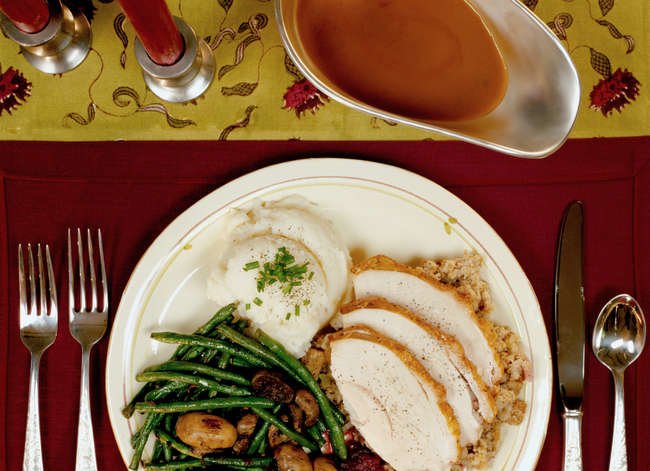
The holidays are magical until someone waves a gravy boat like a parade baton, your cousin parks a coffee mug on Grandma’s linen tablecloth, and a “festive” candle decides to become modern art on the carpet. Holiday stains arrive with confidence. They do not RSVP, they do not apologize, and they always seem to target the one fabric you actually care about.
The good news? Most common holiday stains can be handled with calm, speed, and the right technique. The bad news? Panic-scrubbing like you are sanding a deck is usually the fastest way to make a stain bigger, deeper, and more dramatic than your uncle’s annual political speech.
This holiday stain removal guide covers coffee, gravy, candle wax, red wine, chocolate, cranberry sauce, grease, lipstick, tree sap, and other seasonal disasters. You will learn what to do first, what not to do, which household cleaners actually help, and when it is time to stop playing laundry scientist and call a professional.
The Golden Rules of Holiday Stain Removal
Before we attack the gravy, let’s talk strategy. Stain removal is not about one miracle product. It is about matching the stain to the surface and acting before heat, time, or the wrong cleaner turns a temporary mess into a permanent souvenir.
1. Blot, Do Not Rub
Blotting lifts liquid out of fabric. Rubbing pushes it deeper, spreads it wider, and roughs up fibers. Use a clean white cloth or paper towel and press gently from the outside of the stain toward the center. This helps prevent the stain from expanding into a festive continent.
2. Remove Solids First
If the stain includes food, wax, mud, or sauce, gently lift away the excess with a spoon, dull knife, or credit card. Do not grind cranberry sauce into the tablecloth while muttering, “It’s fine.” It is not fine yet. But it can be.
3. Check the Care Label
Cotton napkins, polyester tablecloths, wool rugs, silk blouses, and upholstered dining chairs all have different tolerance levels. If an item is marked dry-clean-only, handle loose residue carefully, then take it to a professional as soon as possible.
4. Test First
Before applying vinegar, hydrogen peroxide, rubbing alcohol, oxygen bleach, or any stain remover, test it on a hidden area. Some dyes run. Some fabrics fade. Some surfaces react badly. A 30-second test can save you from turning a small coffee spot into an abstract art project.
5. Avoid Heat Until the Stain Is Gone
Heat can set many stains, especially oily, protein-based, and tannin stains. Do not toss stained linens into the dryer until you inspect them in good light. If the stain remains, retreat and rewash. The dryer is wonderful for fluffy towels, less wonderful for permanently baking gravy into napkins.
Your Holiday Stain Emergency Kit
You do not need a cabinet full of mysterious potions. A basic holiday stain removal kit can handle most accidents:
- Clean white cloths or white paper towels
- Liquid dish soap
- Heavy-duty liquid laundry detergent
- White vinegar
- Baking soda
- Oxygen bleach for washable fabrics
- Rubbing alcohol
- Hydrogen peroxide for colorfast whites and light fabrics
- A dull knife, spoon, or old gift card
- A soft-bristled brush or clean toothbrush
- Enzyme-based stain remover
- Ice cubes in a sealed plastic bag
Keep these supplies in one bin during the holiday season. When disaster strikes, you will look impressively prepared instead of sprinting around the house yelling, “Where is the vinegar?” like the star of a very specific cleaning opera.
How to Remove Coffee Stains
Coffee is a classic holiday stain because everyone is tired, overfed, under-caffeinated, and carrying mugs through crowded rooms. Coffee contains tannins, which can leave brown marks on fabric, carpet, upholstery, and table linens.
For Washable Fabrics
- Blot immediately with a clean white cloth.
- Flush the back of the stain with cool or lukewarm water.
- Apply a small amount of liquid laundry detergent or dish soap.
- Let it sit for 5 to 10 minutes.
- Launder according to the care label.
- Check before drying.
For older coffee stains, soak the item in a solution of oxygen bleach and water if the fabric allows it. Avoid natural bar soap on tannin stains because it can make them harder to remove.
For Carpet and Upholstery
Blot up as much coffee as possible. Mix a mild solution of dish soap and cool water, apply lightly with a cloth, and blot again. Rinse by blotting with a clean damp cloth, then dry with towels. Do not oversaturate upholstery, especially cushions, because moisture trapped inside can invite odors or mildew.
How to Remove Gravy Stains
Gravy is basically a delicious stain engineered in a kitchen. It combines fat, protein, seasonings, and sometimes flour or starch. That means you need to treat the oily part and the food residue.
For Table Linens and Clothing
- Scrape away excess gravy with a spoon or dull knife.
- Sprinkle baking soda or cornstarch on the greasy area and let it absorb oil for 10 to 15 minutes.
- Brush off the powder.
- Apply liquid dish soap or heavy-duty detergent directly to the stain.
- Gently work it in with your fingers or a soft brush.
- Wash in the warmest water safe for the fabric.
If the stain remains after washing, repeat the pretreatment. Do not dry the item yet. Dryers have a way of turning “almost gone” into “welcome to forever.”
For Carpet
Lift away the gravy solids first. Blot the oily area, then apply a small amount of dish soap diluted in warm water. Blot, rinse with a damp cloth, and dry thoroughly. If the stain is large or on wool carpet, call a professional cleaner rather than experimenting with every bottle under the sink.
How to Remove Candle Wax
Candle wax looks dramatic, especially when it lands on a tablecloth during a beautiful dinner. Fortunately, wax is less terrifying once you stop trying to wipe it while it is hot. Hot wax spreads. Hardened wax can be lifted.
For Tablecloths and Napkins
- Let the wax harden. Speed it up by placing ice in a plastic bag and resting it over the wax.
- Gently scrape off hardened wax with a dull knife or card.
- Place the stained area between clean white paper towels.
- Press with a warm iron, moving the towels as wax transfers.
- Treat any remaining oily or colored stain with detergent or a stain remover.
- Launder according to the care label.
Colored candle wax may leave dye behind. If the fabric is washable and colorfast, an oxygen bleach soak may help. For vintage linens, silk, wool, or heirloom tablecloths, stop after removing the loose wax and consult a dry cleaner.
For Carpet
Harden the wax with ice, scrape gently, and vacuum up flakes. If wax remains, place a white paper towel over the spot and use a warm iron very carefully, keeping heat low. Never let the iron touch carpet fibers directly. Synthetic carpet can melt, and that is a stain removal plot twist nobody needs.
How to Remove Red Wine Stains
Red wine is the celebrity villain of holiday stains. It is colorful, fast-moving, and usually appears on something pale. The key is speed and restraint.
For Fabric
- Blot immediately with a white cloth.
- Flush with cool water from the back of the stain.
- Apply liquid detergent or a stain remover.
- For washable white or colorfast fabrics, use oxygen bleach if needed.
- Launder and inspect before drying.
Salt is often suggested for wine spills, and it may absorb some liquid, but it is not a complete treatment. Think of it as a temporary helper, not a magical holiday elf.
For Carpet
Blot, blot, and blot again. Use a mild detergent solution or a carpet-safe stain remover. Work from the outside toward the center. If the wine stain is large, old, or on expensive carpet, professional cleaning is a smart move.
How to Remove Chocolate Stains
Chocolate contains fat, sugar, and cocoa solids, so it can cling to fabric like it has signed a lease. First, remove excess chocolate. If it is soft, chill it with ice in a sealed bag until it firms up, then scrape gently.
- Scrape off hardened chocolate.
- Rinse from the back of the stain with cool water.
- Apply liquid detergent or dish soap.
- Let it sit for 10 minutes.
- Wash as directed.
Do not start with hot water. Heat can make chocolate stains more stubborn, especially when milk or cream is involved.
How to Remove Cranberry Sauce and Berry Stains
Cranberry sauce is beautiful on a plate and alarming on a white napkin. Berry stains are usually tannin-based and dye-heavy, which means early action matters.
- Lift off any solids without spreading the stain.
- Flush with cool water from the back.
- Pretreat with liquid detergent.
- For washable whites or colorfast fabrics, soak in oxygen bleach.
- Launder and check before drying.
Avoid bar soap at the beginning. It can set tannin stains and make removal harder. Also avoid aggressive scrubbing; cranberry already has enough personality.
How to Remove Butter, Oil, and Grease Stains
Holiday meals are not shy about butter. Rolls, casseroles, roasted vegetables, pie crusts, and mashed potatoes all bring grease to the party. Grease stains need absorbent powder and detergent that can break down oil.
- Blot excess oil with a paper towel.
- Cover the spot with baking soda, cornstarch, or baby powder.
- Let it sit for 15 minutes or longer for heavy stains.
- Brush away the powder.
- Apply dish soap or heavy-duty liquid detergent.
- Wash in the warmest water safe for the item.
Grease can hide when fabric is wet, so inspect after washing and before drying. Hold the item up to a bright light. If you see a shadowy spot, retreat it.
How to Remove Lipstick and Makeup Stains
Lipstick on napkins, collars, and wine glasses is practically a holiday tradition. On fabric, lipstick stains are usually oily and pigmented.
- Scrape away any excess gently.
- Place the stain facedown on a white paper towel.
- Apply rubbing alcohol to the back of the stain using a clean cloth.
- Blot, moving to a fresh towel area as color transfers.
- Pretreat with detergent and launder.
Test rubbing alcohol first, especially on delicate or dark fabrics. Some dyes dislike alcohol and will express their feelings by fading.
How to Remove Tree Sap
Real Christmas trees smell wonderful, but sap is sticky, resinous, and clingy. It can land on rugs, sleeves, curtains, or that one throw blanket everyone fights over.
For Fabric
Harden the sap with ice, then scrape off what you can. Apply rubbing alcohol to a hidden area first. If safe, dab the sap stain with alcohol to help loosen residue. Rinse, pretreat with detergent, and wash.
For Carpet
Scrape gently, apply a small amount of rubbing alcohol to a white cloth, and blot carefully. Do not pour alcohol directly onto carpet backing. Rinse by blotting with a damp cloth, then dry.
How to Remove Mud and Slush
Holiday guests bring cheer, gifts, and sometimes a shocking amount of outdoor weather on their shoes. Mud is easier to remove when dry.
- Let mud dry completely.
- Vacuum or brush away dried soil.
- Apply detergent solution to remaining marks.
- Blot, rinse, and dry.
For washable clothing, pretreat with detergent and launder. For carpets, avoid over-wetting. Mud is dirt plus water; adding too much more water can spread the mess.
How to Remove Eggnog and Dairy-Based Stains
Eggnog is festive, creamy, and risky near upholstery. Dairy stains are protein-based, so avoid hot water at first because heat can set protein.
- Blot excess liquid immediately.
- Rinse or sponge with cool water.
- Use an enzyme-based stain remover if fabric allows.
- Launder in the warmest water safe after pretreatment.
For upholstery, blot with cool water and a small amount of mild detergent, then rinse by blotting with a damp cloth. Dry thoroughly to prevent sour odors.
How to Remove Soot from Fireplace Mishaps
Soot is sneaky because rubbing it spreads black particles deeper into fibers. Start dry.
- Vacuum loose soot using a nozzle attachment held slightly above the surface.
- Do not press the vacuum head into the stain.
- Sprinkle baking soda or cornstarch to absorb residue, then vacuum again.
- Blot remaining marks with dry-cleaning solvent if appropriate for the material.
For heavy soot on upholstery, drapes, or rugs, call a professional. Soot can contain oily residue that ordinary soap may spread.
What Not to Mix When Removing Stains
Holiday cleaning should not turn your laundry room into a chemistry warning label. Never mix chlorine bleach with ammonia, vinegar, or other acids. Avoid combining multiple cleaners unless the product label specifically says it is safe. More cleaner does not mean more power; sometimes it means fumes, fabric damage, or a very educational afternoon.
Use one method, rinse, evaluate, and then try the next safe step if needed. Patience is cheaper than replacing a rug.
When to Call a Professional Cleaner
DIY stain removal works well for many fresh, ordinary stains. But some situations deserve professional help:
- The item is silk, wool, velvet, leather, suede, or antique linen.
- The stain is large, old, or unknown.
- The fabric is labeled dry-clean-only.
- The carpet or upholstery is expensive or delicate.
- You already tried treatment and the stain is spreading.
A professional cleaner has specialized solvents, extraction tools, and experience with dyes and fibers. In other words, they know when not to panic, which is half the job.
Holiday Stain Prevention Tips
The best stain is the one that never gets a dramatic entrance. You cannot bubble-wrap your guests, but you can reduce risk.
- Use washable table linens during big meals.
- Choose darker napkins for red wine dinners.
- Place candles on trays or holders with wide bases.
- Keep coasters near coffee and cocktail stations.
- Put a small stain kit in the laundry room before guests arrive.
- Serve gravy and sauces in stable containers with ladles.
- Use entry mats during wet or snowy weather.
Prevention is not about being fussy. It is about giving yourself fewer things to scrub after everyone leaves and the house looks like a festive raccoon hosted brunch.
Real-Life Holiday Stain Removal Experiences
Experience has taught me that holiday stains rarely happen in convenient places. They do not politely land on machine-washable dish towels. They go straight for the cream sofa, the heirloom table runner, or the one shirt you were hoping to wear again without doing laundry. The first lesson is simple: stay calm. The person who spills the coffee is already embarrassed, and the stain does not improve when surrounded by six people gasping like they just witnessed a meteor strike.
One of the most common holiday accidents is the coffee splash during dessert. Someone reaches for pie, someone else reaches for the creamer, and suddenly the tablecloth has a brown comet tail. The best response is boring but effective: blot with a white towel, flush with cool water if the cloth can be moved, and pretreat with detergent. The worst response is grabbing a decorative red napkin and rubbing. That can transfer dye and spread the coffee. Congratulations, now the stain has accessories.
Gravy stains are another classic. In my experience, they are easy to underestimate because they look harmless at first. A pale tan spot may not seem urgent, but the oil in gravy can linger after the visible color fades. That is why dish soap is such a useful first responder. It cuts grease better than plain water. I like to sprinkle baking soda or cornstarch first if the stain is oily, then brush it away and apply a small amount of dish soap before washing. The key is checking the item after washing. Grease can disappear when wet and return when dry, like a tiny laundry ghost.
Candle wax requires the opposite instinct from most spills. Do not rush. Let it harden. At one dinner, a red candle dripped onto a white runner, and the immediate temptation was to wipe it away. That would have smeared red wax across the weave. Instead, the wax was chilled, scraped, and lifted with a warm iron and paper towels. A faint dye mark remained, but oxygen bleach handled most of it. The runner survived. The candle was not invited back.
Carpet stains are where patience matters most. Too much liquid can soak the backing, and aggressive scrubbing can fuzz the fibers. For coffee, wine, and muddy footprints, blotting from the outside inward makes a real difference. I also recommend putting a dry towel over the cleaned area and weighing it down for a while. This helps pull moisture upward. It is not glamorous, but neither is explaining why the living room smells like old eggnog.
The biggest practical lesson is to prepare before the party. Put white cloths, dish soap, vinegar, baking soda, and a stain remover where you can find them. When a spill happens, you will not need to raid three cabinets while your tablecloth quietly absorbs Merlot. Holiday stain removal is not about perfection. It is about quick action, smart choices, and knowing that most messes are fixable. And if they are not? That is what table runners, throw pillows, and strategic furniture placement were invented for.
Conclusion
Holiday stains are part of the season, right alongside twinkle lights, crowded kitchens, and someone asking whether there is “just a small piece” of pie left. Coffee, gravy, wax, wine, chocolate, cranberry sauce, grease, lipstick, sap, and mud all look intimidating in the moment, but most can be managed with the same basic principles: remove excess, blot gently, use the right cleaner, rinse carefully, and avoid heat until the stain is gone.
The real secret is not a miracle spray. It is knowing what kind of stain you are dealing with and responding before it settles in. Keep a simple stain kit ready, treat fabrics according to their care labels, and call a professional for delicate or valuable items. With a little preparation, your home can survive the holidays looking cheerful instead of crime-scene adjacent.











